Carbon Offset Project Management: A Comprehensive Guide
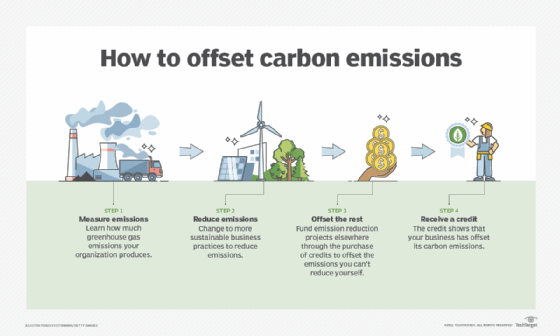
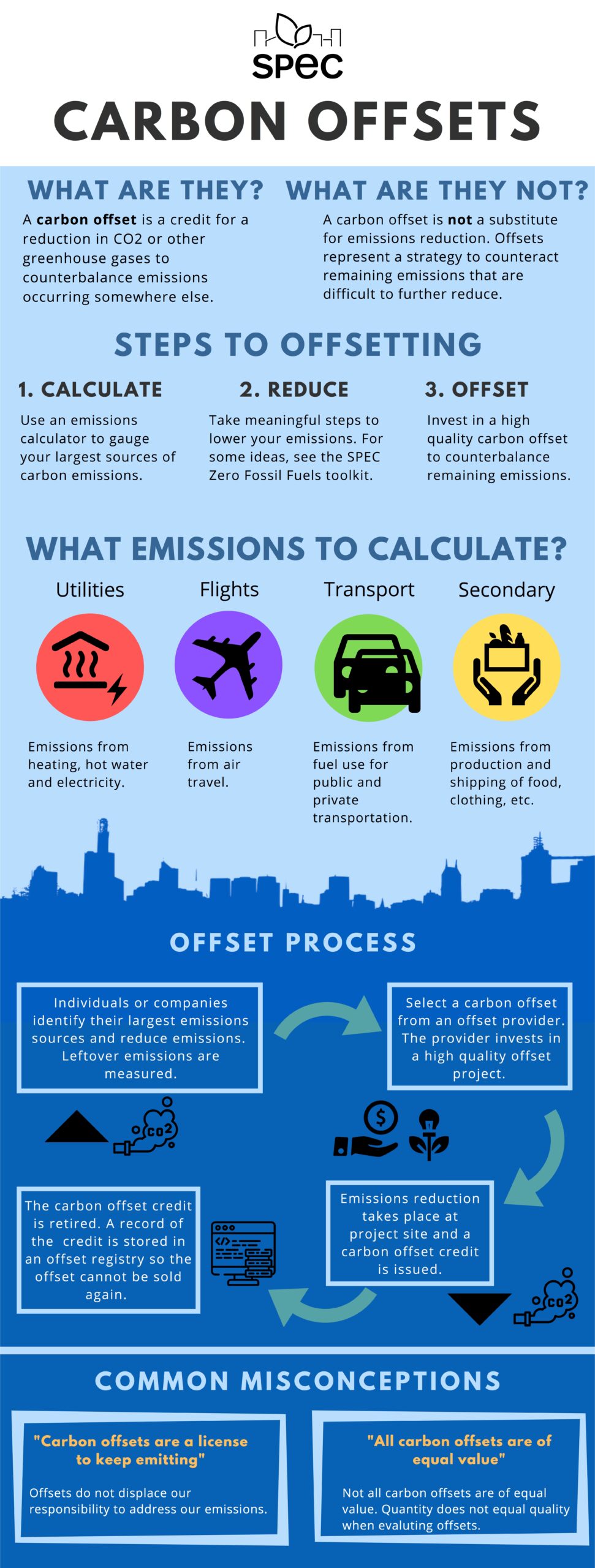
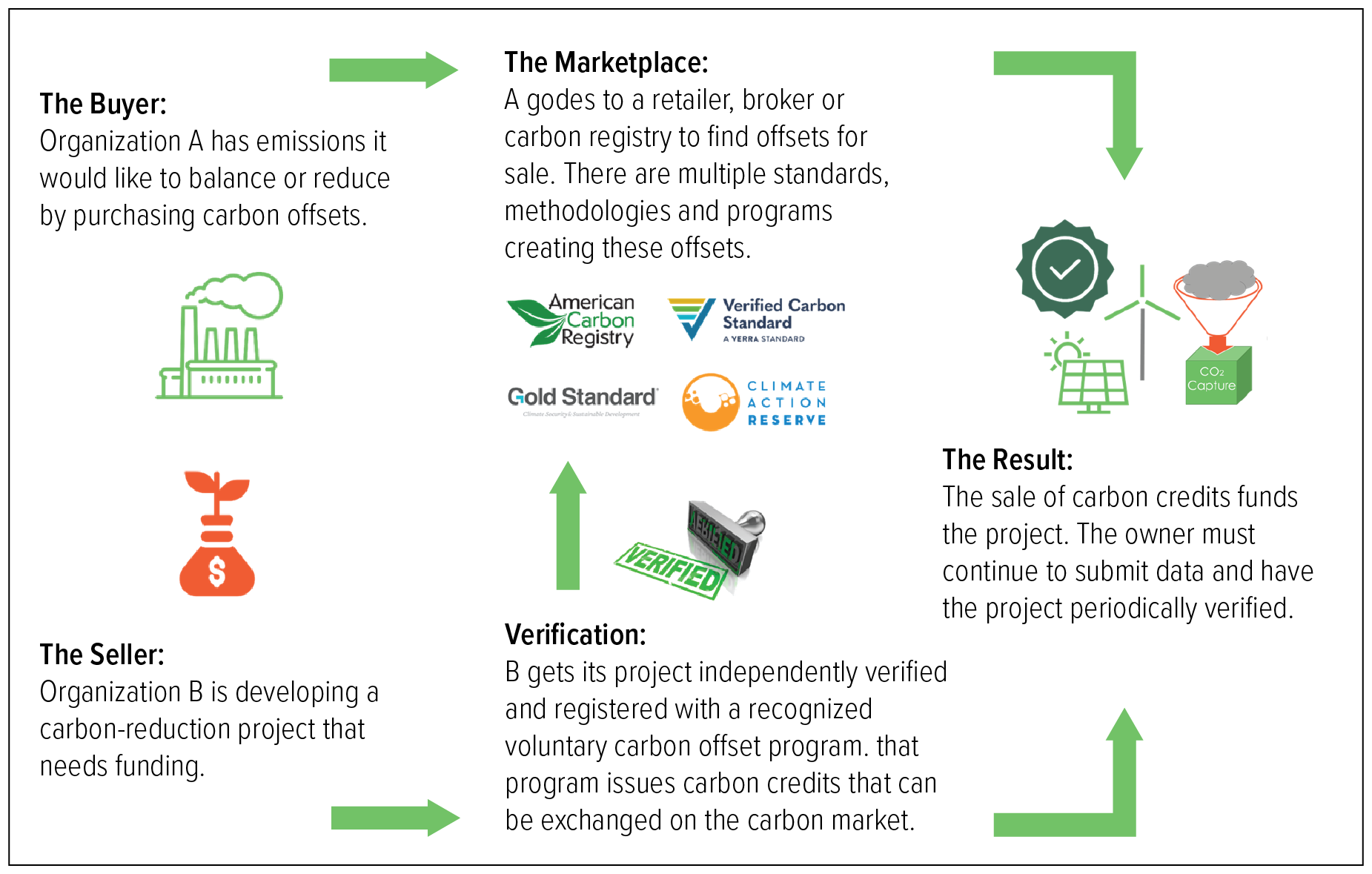
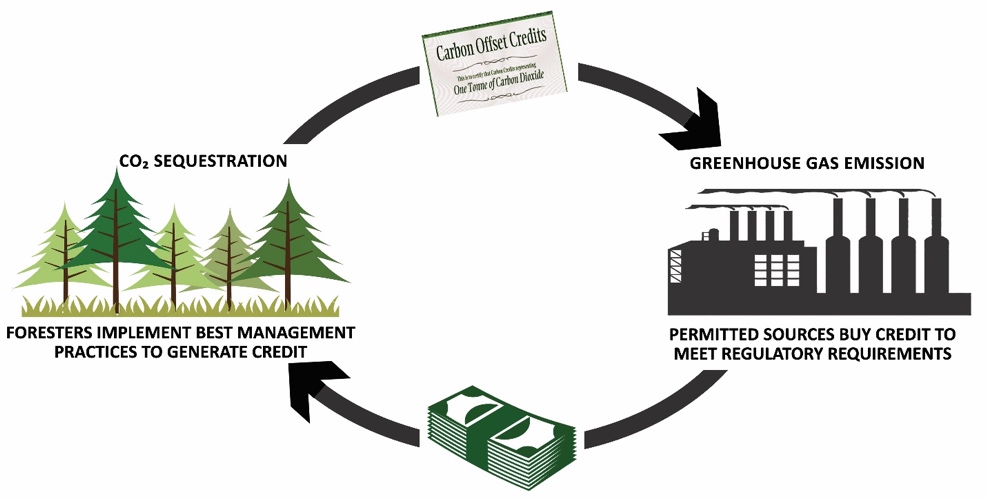
Carbon offset project management is a critical aspect of carbon offsetting, a practice where organizations or individuals offset their greenhouse gas emissions by funding projects that reduce or remove emissions elsewhere. As the demand for carbon offset projects continues to grow, effective project management has become essential to ensure that these projects are executed efficiently and effectively.
What is Carbon Offset Project Management?
Carbon offset project management refers to the planning, execution, and monitoring of carbon offset projects that reduce or remove greenhouse gas emissions. This involves identifying project opportunities, developing project proposals, securing funding, and overseeing project implementation and monitoring.
Types of Carbon Offset Projects
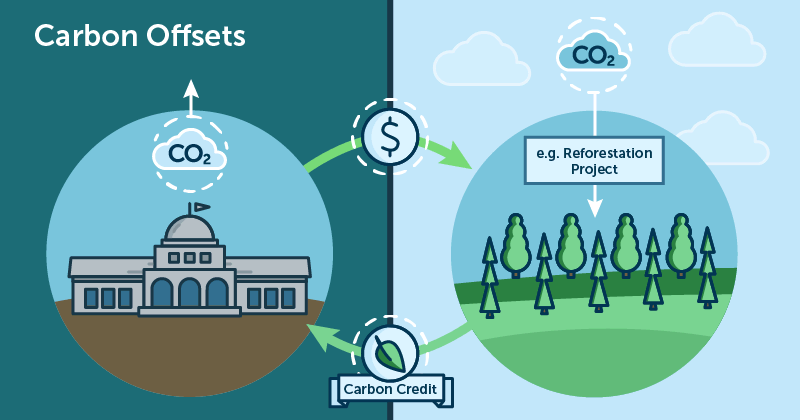
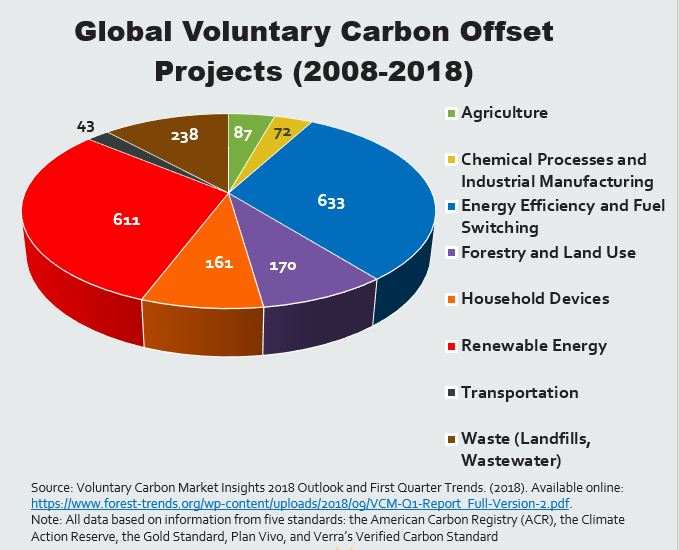
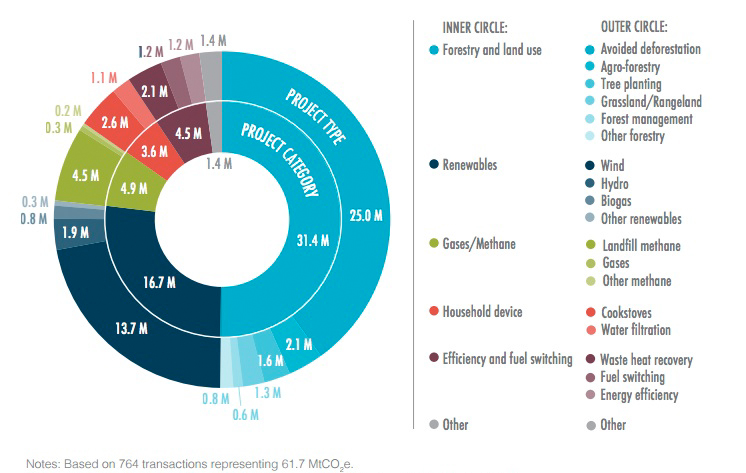
Carbon offset projects can be grouped into several categories, including:
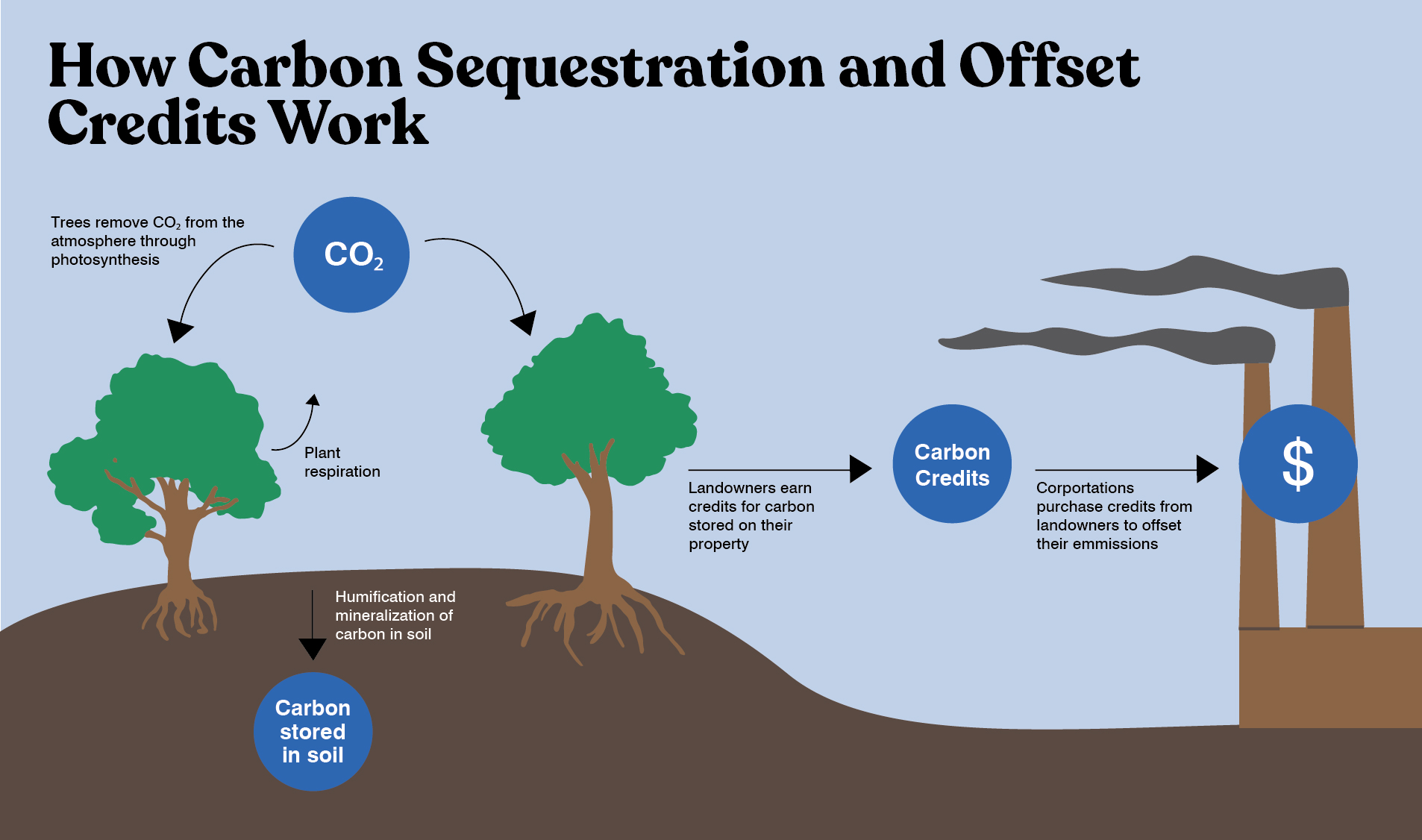
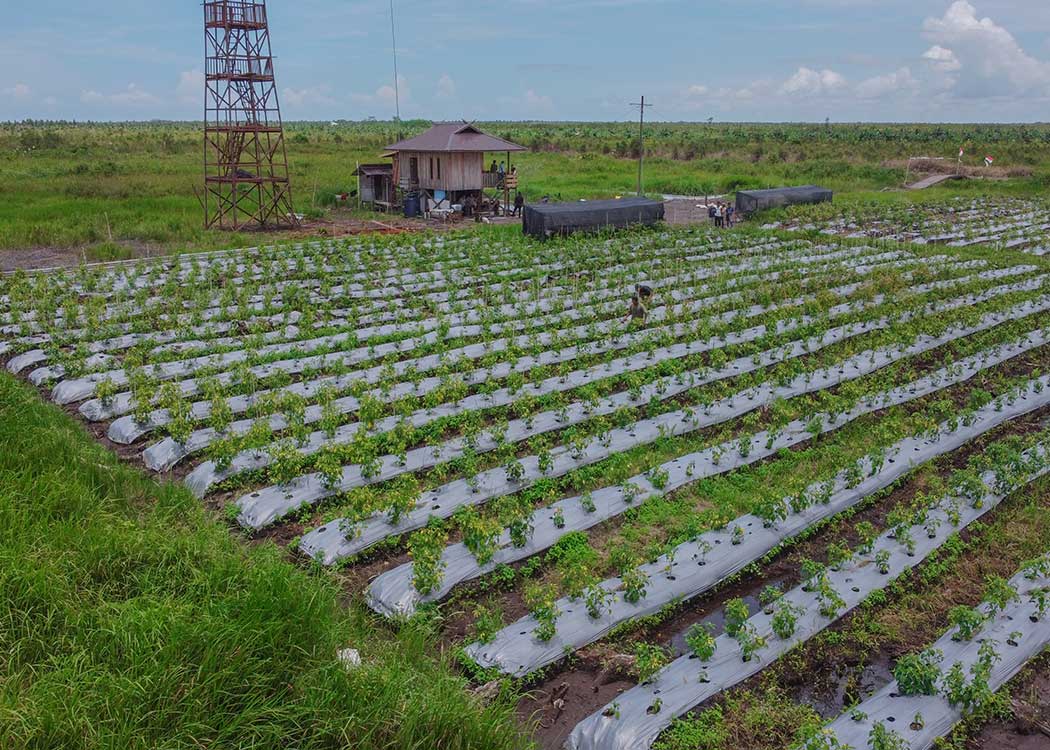
- Forestry and Land Use: Activities such as reforestation, avoided deforestation, and improved forest management that enhance carbon storage in trees and soils.
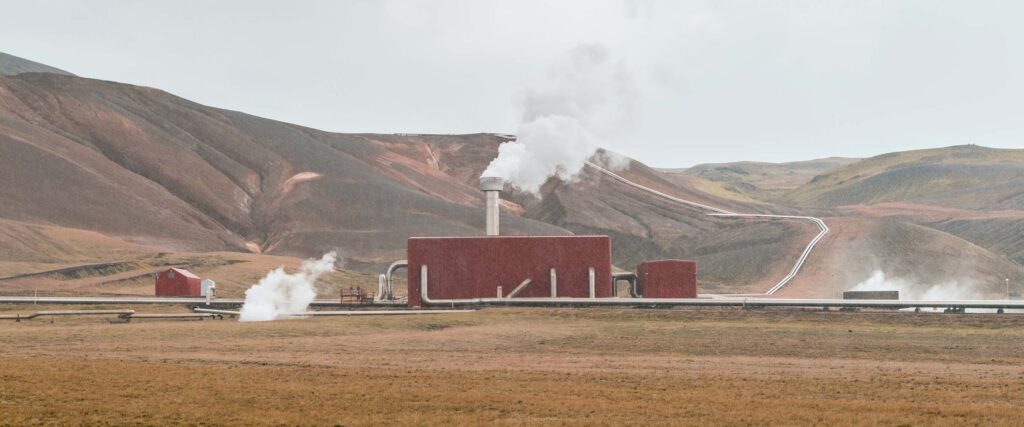
- Renewable Energy: Projects that generate renewable energy from sources like wind, solar, and hydro power.
- Energy Efficiency: Projects that reduce energy consumption through measures like retrofitting buildings with energy-efficient equipment.
- Waste Reduction: Projects that reduce waste generation, such as recycling and composting initiatives.
Key Components of Carbon Offset Project Management
To ensure the success of carbon offset projects, several key components must be considered: