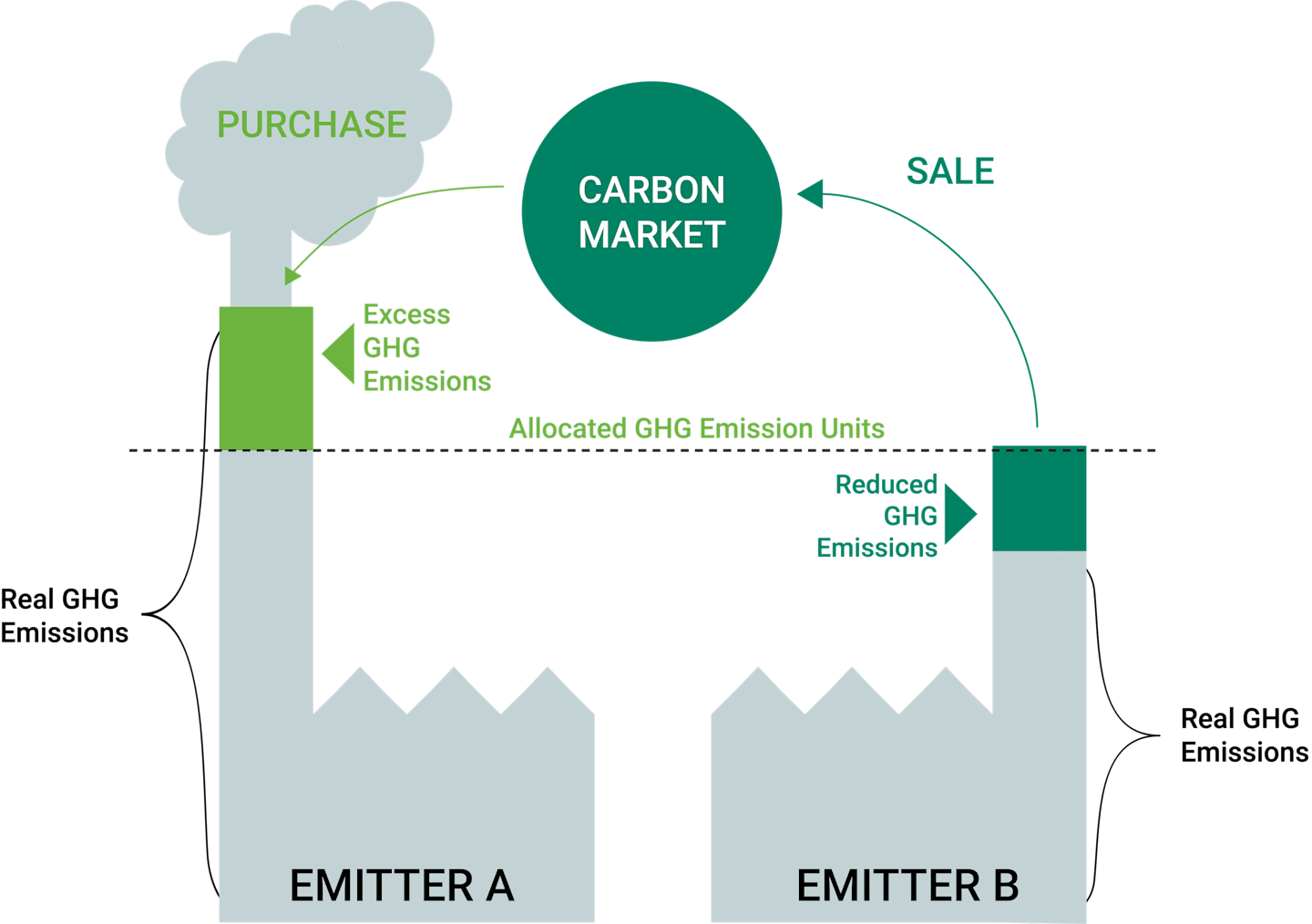
Unlocking Sustainable Development Goals through Carbon Trading
The Sustainable Development Goals (SDGs) are a call to action for countries and businesses to work towards achieving a more sustainable and inclusive world by 2030. Achieving these goals requires a multifaceted approach that addresses the complex interlinkages between economic growth, climate action, and social development.
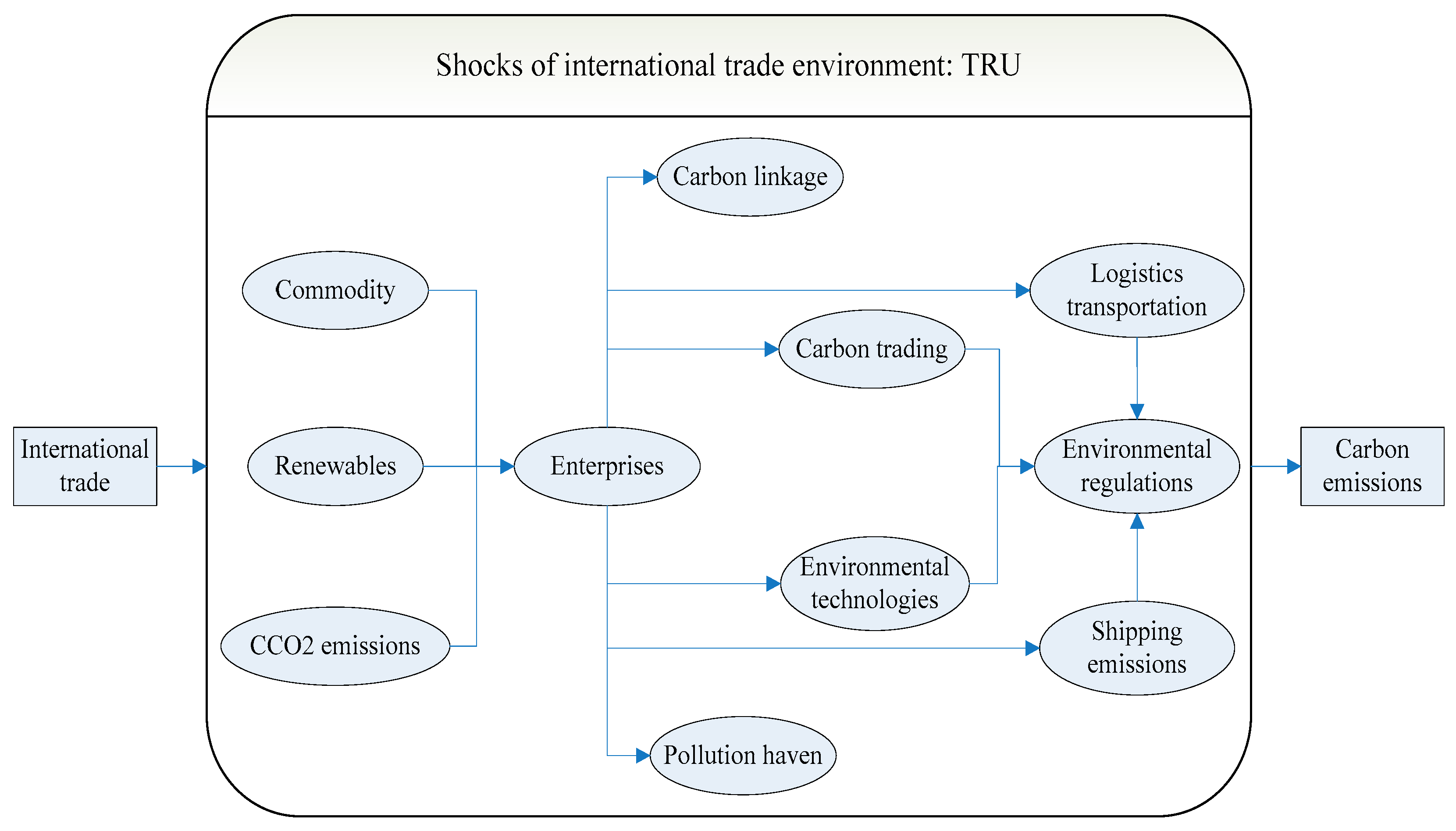
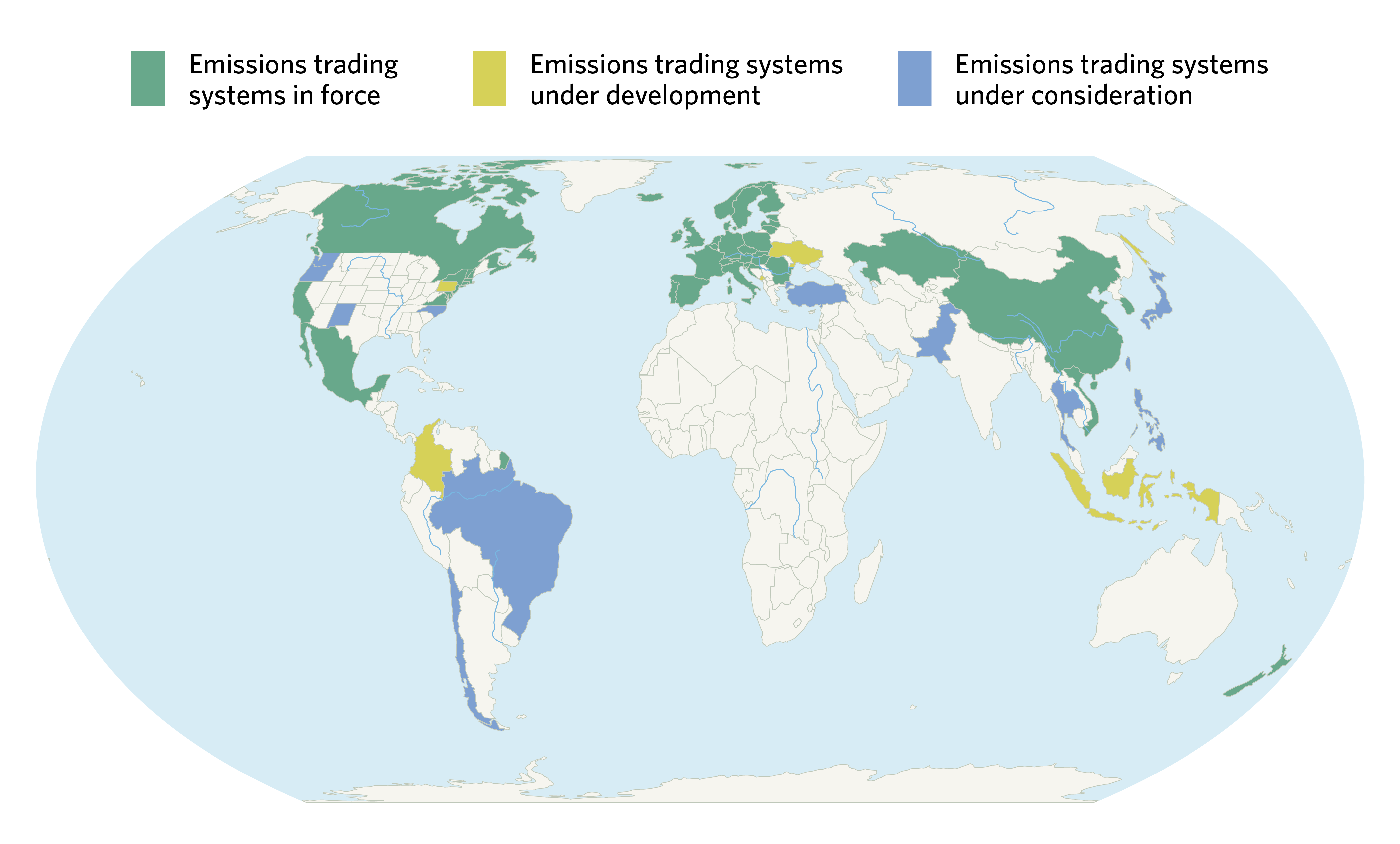
Carbon trading, a key policy tool in the fight against climate change, has emerged as a critical mechanism to incentivize emission reductions and promote sustainable practices worldwide. As the global push to mitigate climate change intensifies, carbon trading systems have become increasingly sophisticated, enabling countries and companies to buy and sell carbon credits.
What is Carbon Trading and its Role in Sustainable Development Goals?
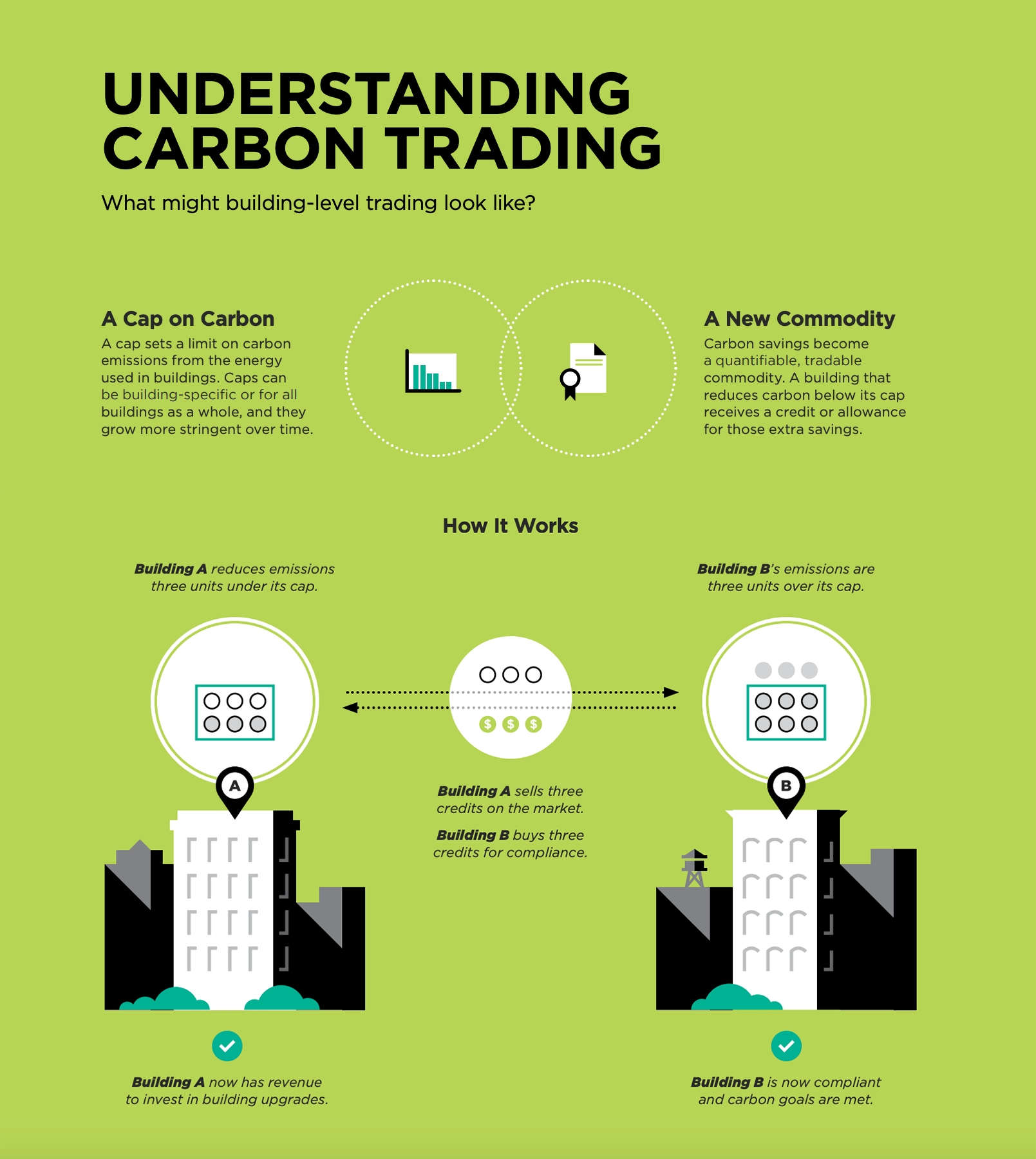
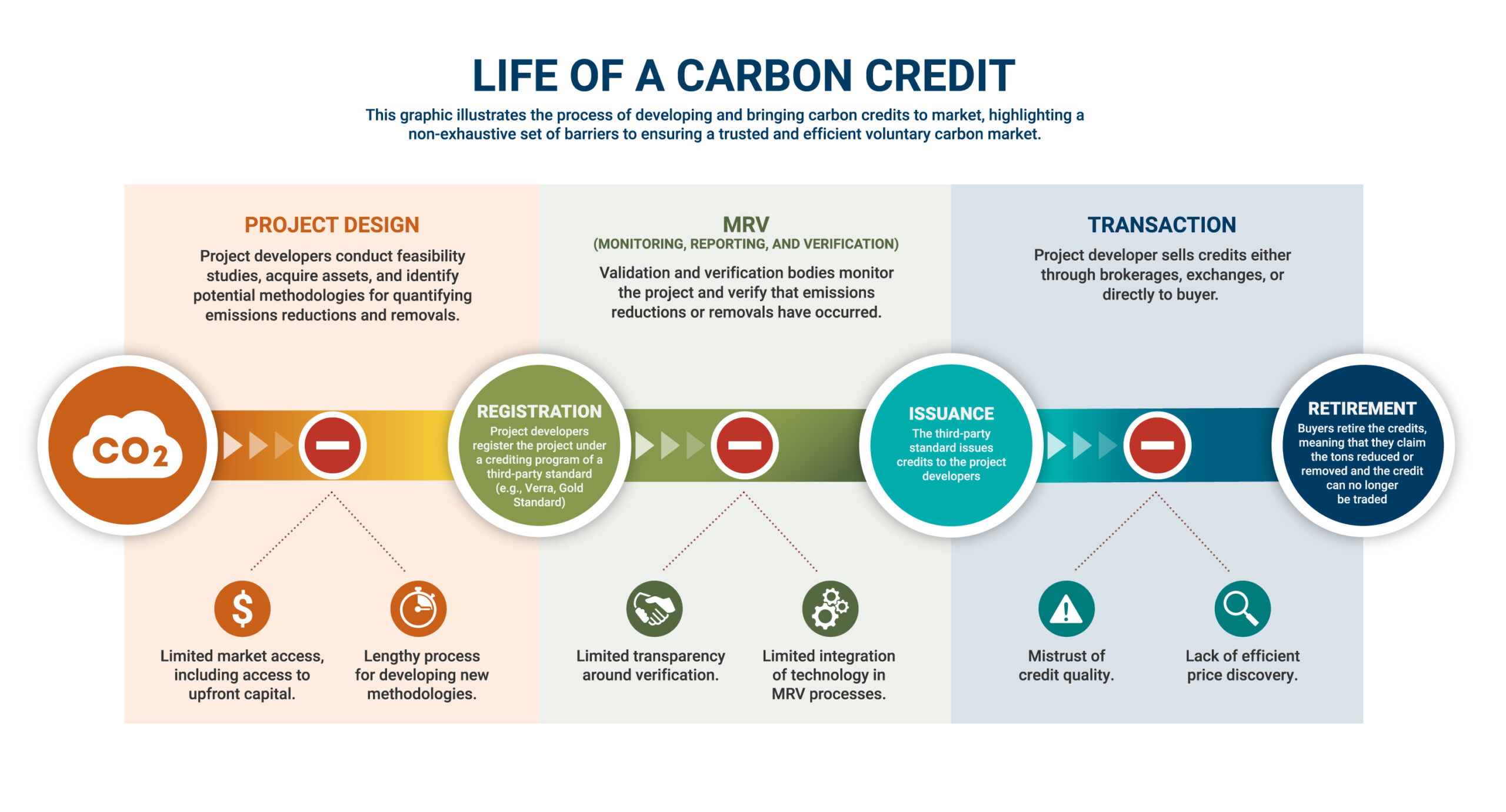
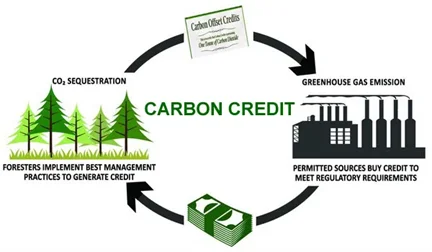
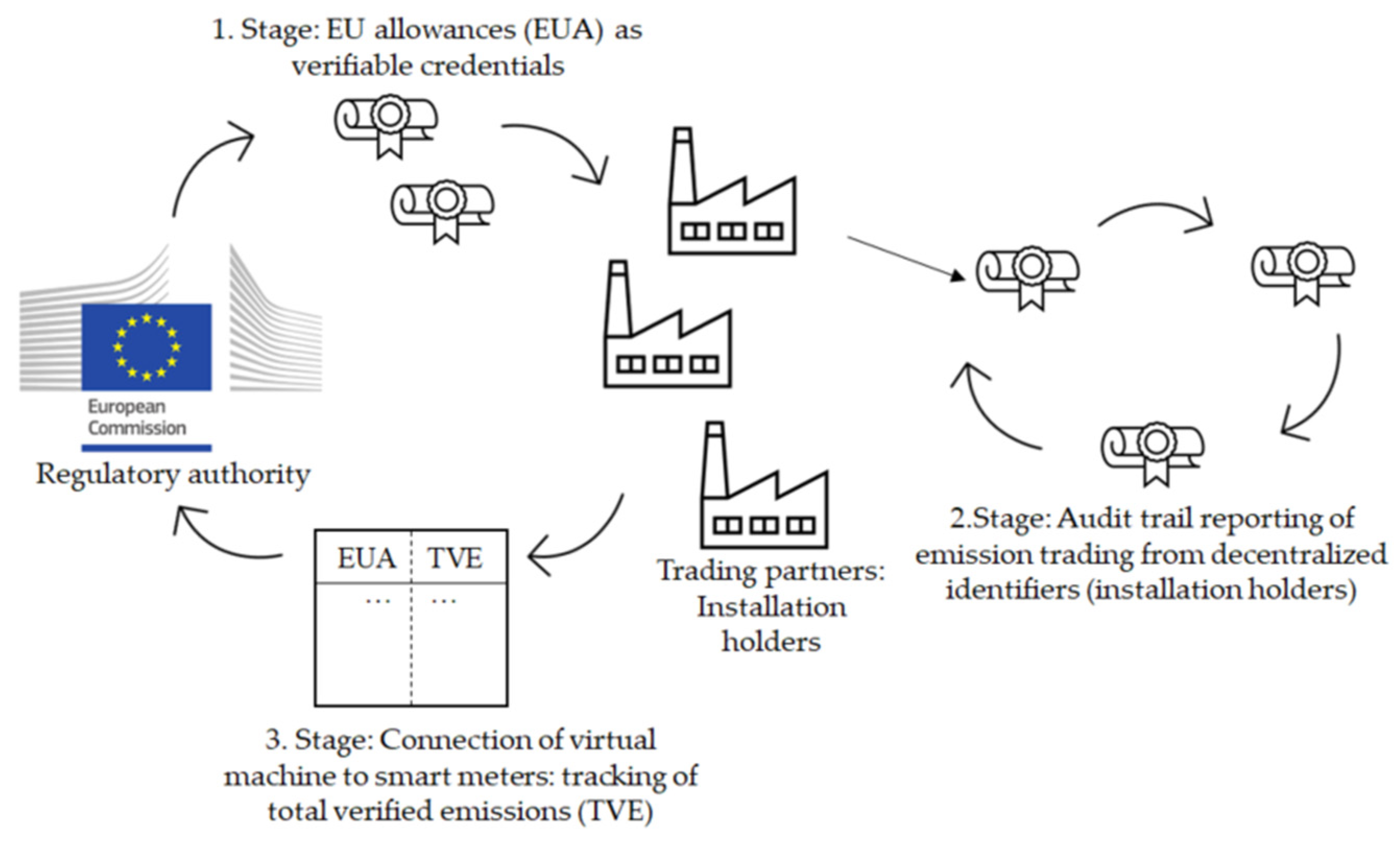
Carbon trading refers to the sale and purchase of carbon credits, which represent the right to emit a certain amount of greenhouse gases. These credits can be bought and sold on carbon markets, which are categorized into compliance and voluntary markets. Compliance markets operate under national or regional emission trading schemes, where participants act in response to government regulations.
Voluntary carbon markets, on the other hand, operate independently and allow individuals and organizations to buy and sell carbon credits as a way to offset their emissions. Carbon trading has gained popularity as a means to support carbon emission reductions, while also generating revenue for climate action projects.