Decentralized AI Governance Strategy: Building a Scalable and Ethical AI Framework
The increasing integration of artificial intelligence (AI) in various industries has brought about significant benefits, but it also poses unprecedented governance challenges. As AI systems become more pervasive, the need for a robust governance framework has never been more pressing. A decentralized AI governance strategy offers a promising approach to balancing innovation, control, and compliance while ensuring accountability and ethics in AI decision-making processes.
What is Decentralized AI Governance?
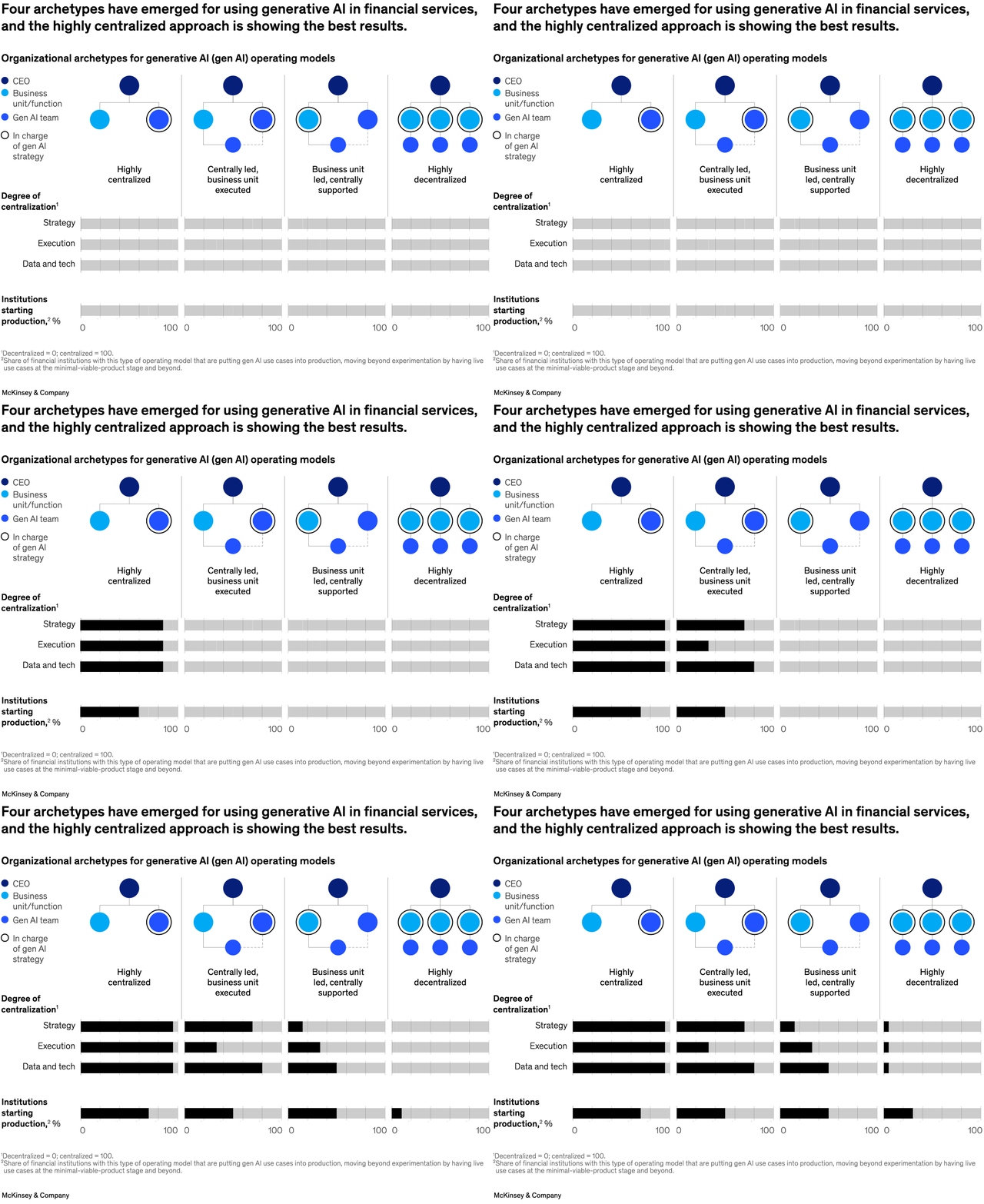
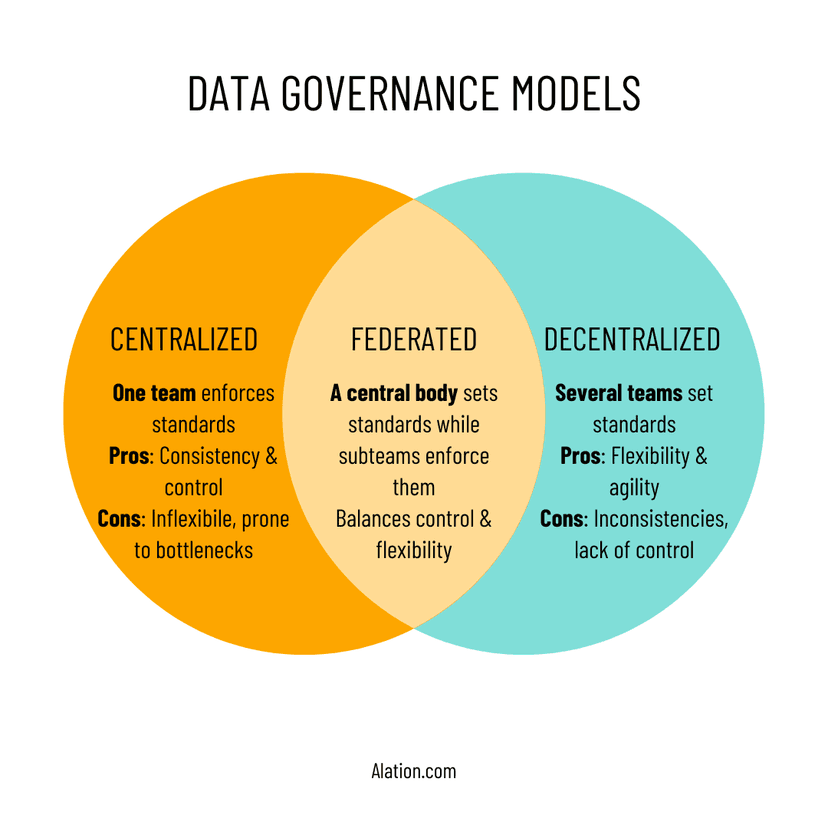
Decentralized AI governance refers to a governance framework that distributes decision-making authority and accountability across various layers and stakeholders within an organization. This approach involves a hybrid model, combining centralized oversight with decentralized autonomy, to ensure that AI systems are developed, deployed, and maintained in a responsible and accountable manner.

Benefits of Decentralized AI Governance
- Improved Inclusivity: Decentralized AI governance encourages diverse perspectives and opinions, fostering a more inclusive and representative decision-making process.
- Increased Agility: By delegating decision-making authority to local teams, organizations can respond quickly to changing market conditions and customer needs.
- Enhanced Transparency: Decentralized governance promotes transparency by providing a clear understanding of AI decision-making processes and data usage.
- Resilience to Central Points of Failure: By distributing decision-making authority, decentralized governance reduces the risk of single-point failures and ensures that organizations can continue to operate even in the event of a central authority's disruption.