Deck Building Codes: Understanding the Requirements for a Safe and Compliant Deck
Deck building is a complex process that requires careful planning and attention to detail. In the United States and Canada, building codes are in place to ensure that decks are safe and compliant with local regulations. In this article, we'll delve into the different sections of the Residential Code that apply to deck design, material, footings, framing, decking, stairs, railings, and features, providing you with the knowledge you need to build a deck that meets the required standards.
Understanding the Residential Code
The Residential Code is a comprehensive document that outlines the minimum requirements for residential construction, including deck building. It's updated regularly, with the most recent version being the 2018 International Residential Code (IRC). To ensure that your deck meets the required standards, it's essential to consult the local version of the IRC, which may have additional or modified provisions.
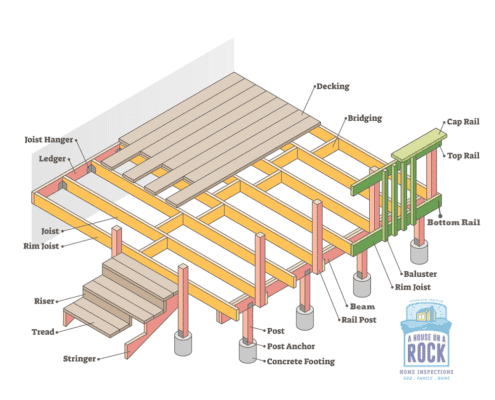
Deck Design and Construction Requirements
When it comes to deck design and construction, there are several key requirements that you must follow. These include:
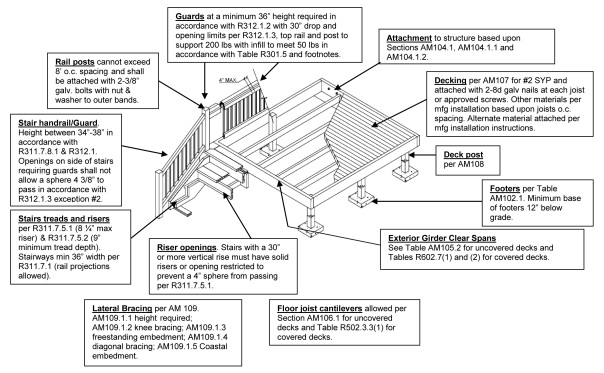
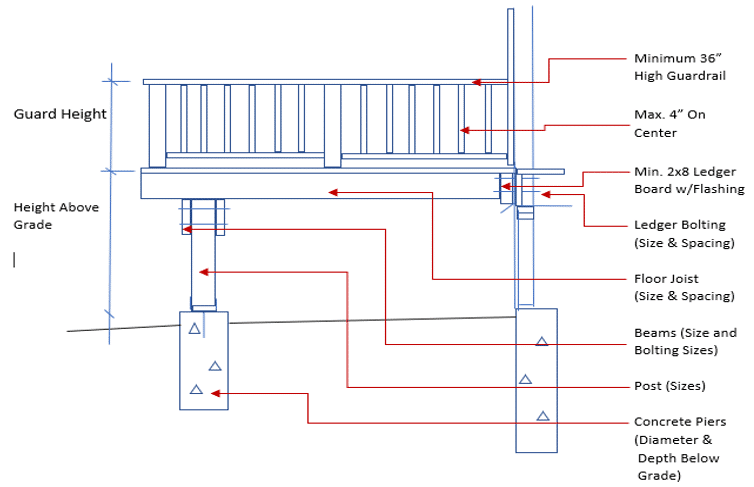
- Minimum vertical wall height: In the United States, the minimum vertical wall height for a deck is typically 30 inches or more, while in Canada, it's 36 inches or more.
- Maximum load: Decks must be designed to support a maximum load of 40 pounds per square foot, including the weight of people, furniture, and any other items.
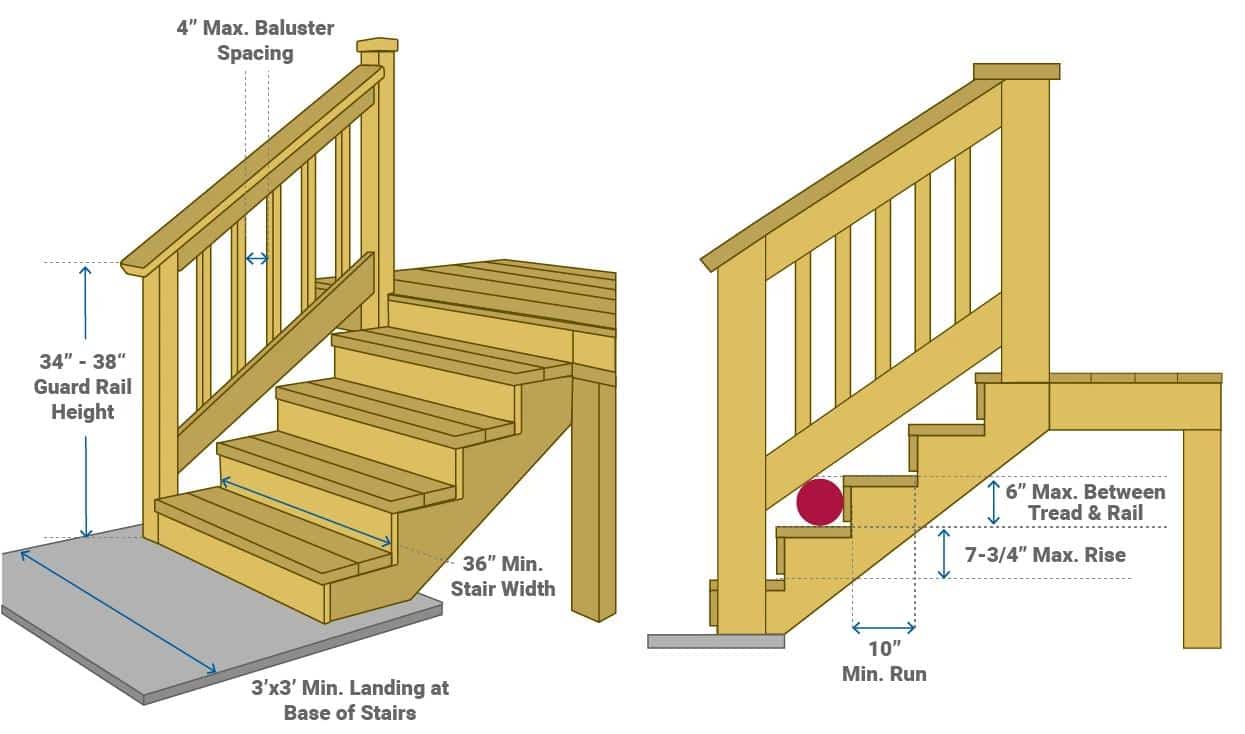
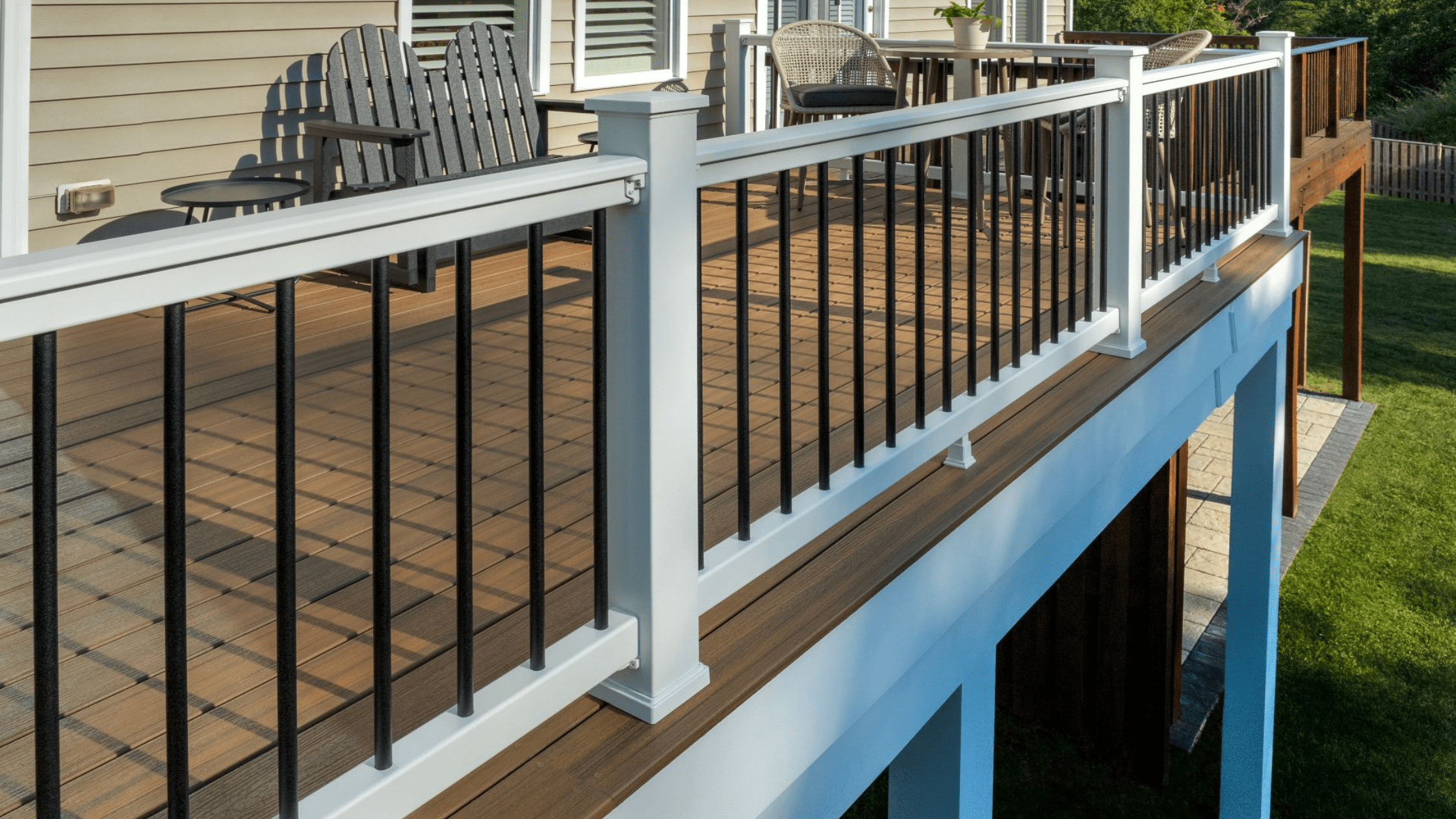
- Gap requirements: The gap between deck boards and joists should not exceed 1/4 inch, while the gap between decking and railings should not exceed 4 inches.
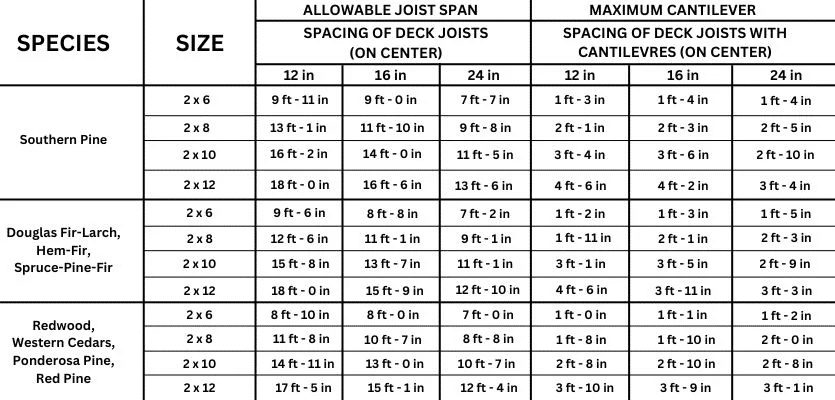
- Span requirements: Deck joists must be spaced a maximum of 16 inches on center, while deck beams must be spaced a maximum of 24 inches on center.