Hypothalamic Function and GLP-1: A Complex Relationship
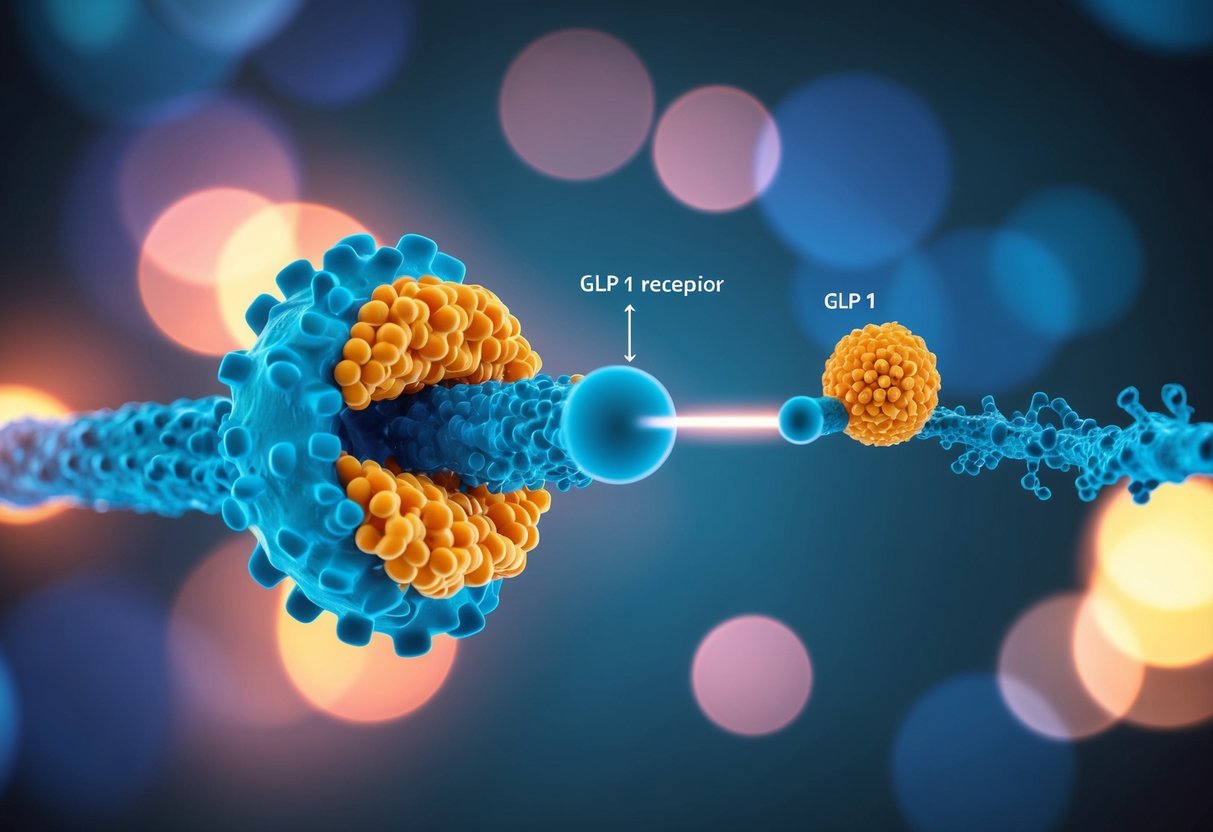
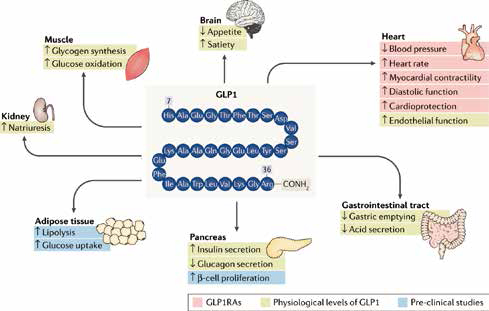
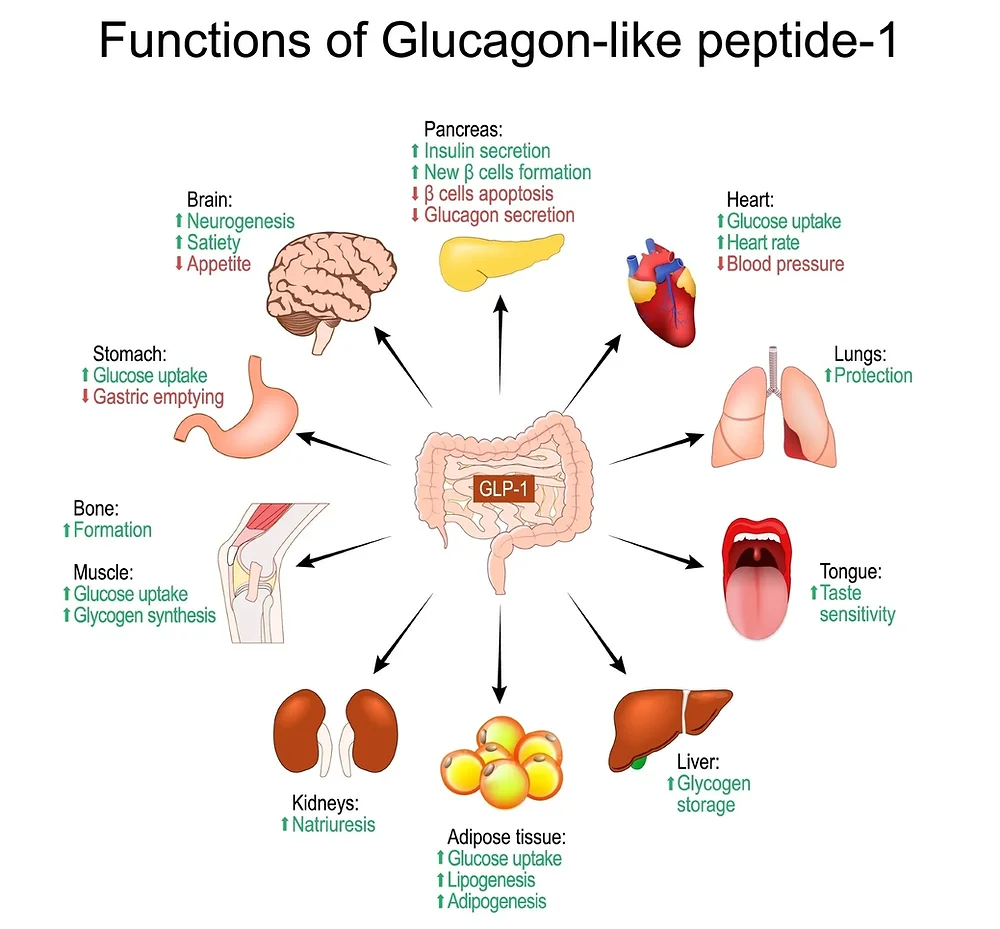
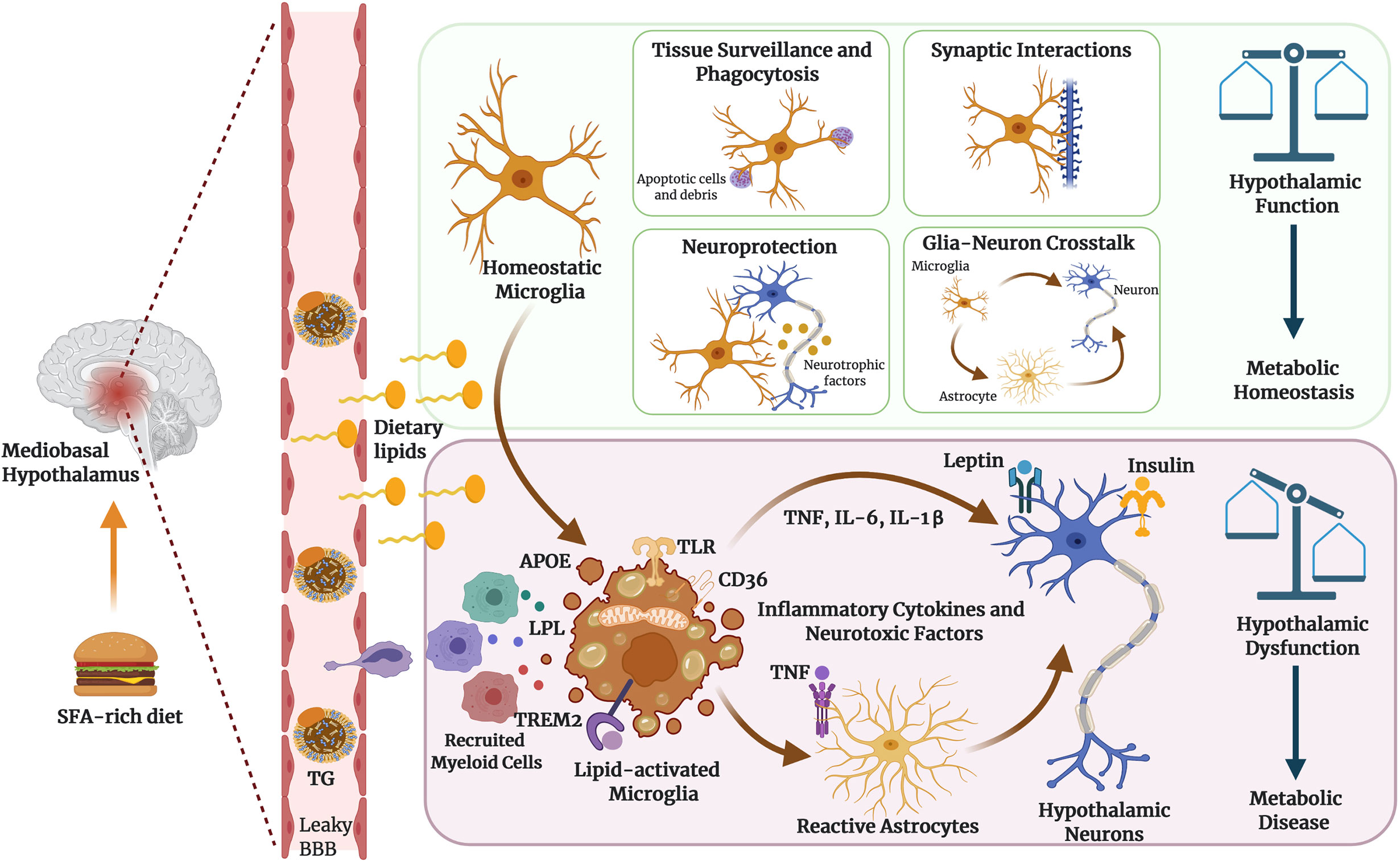
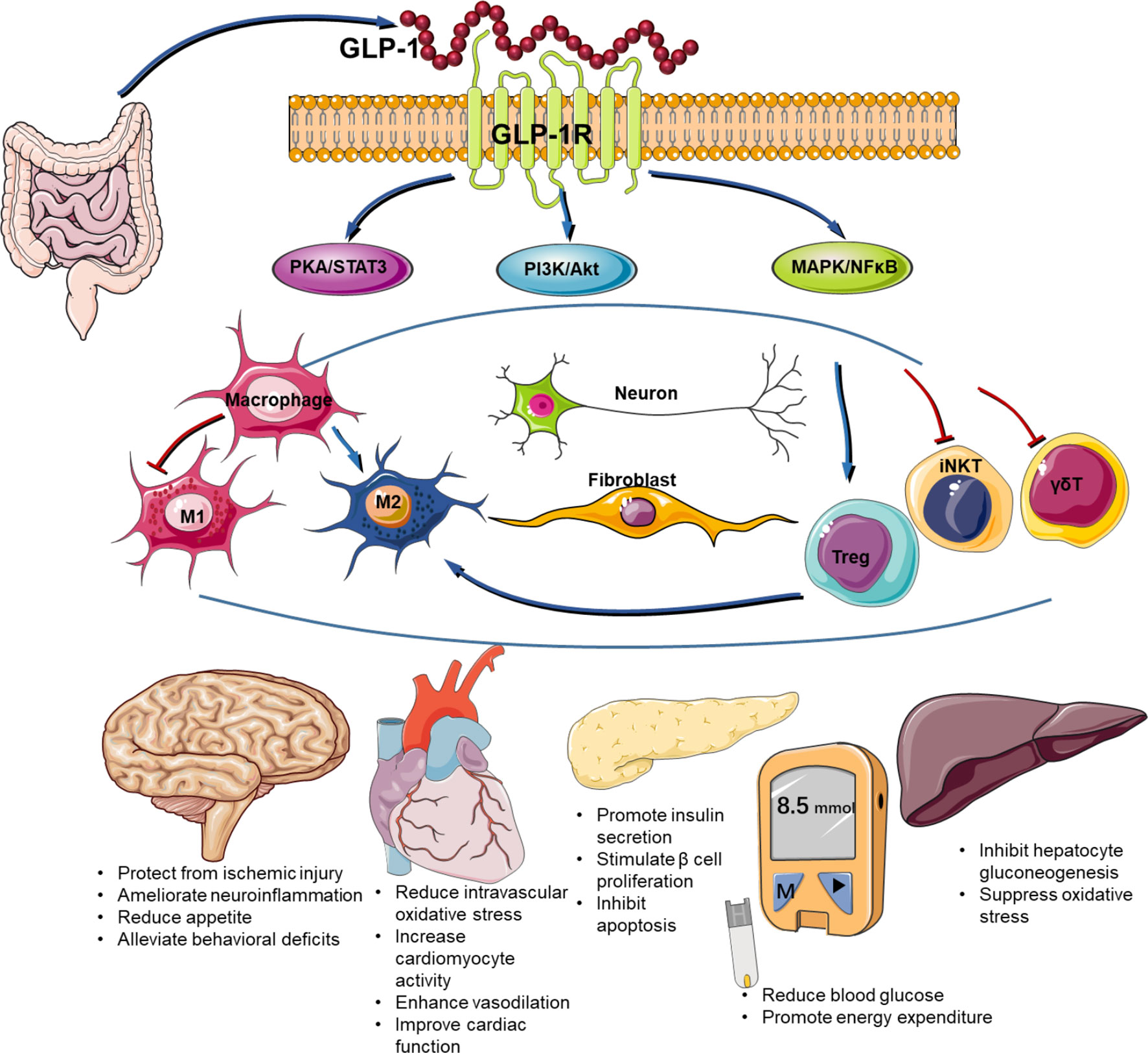
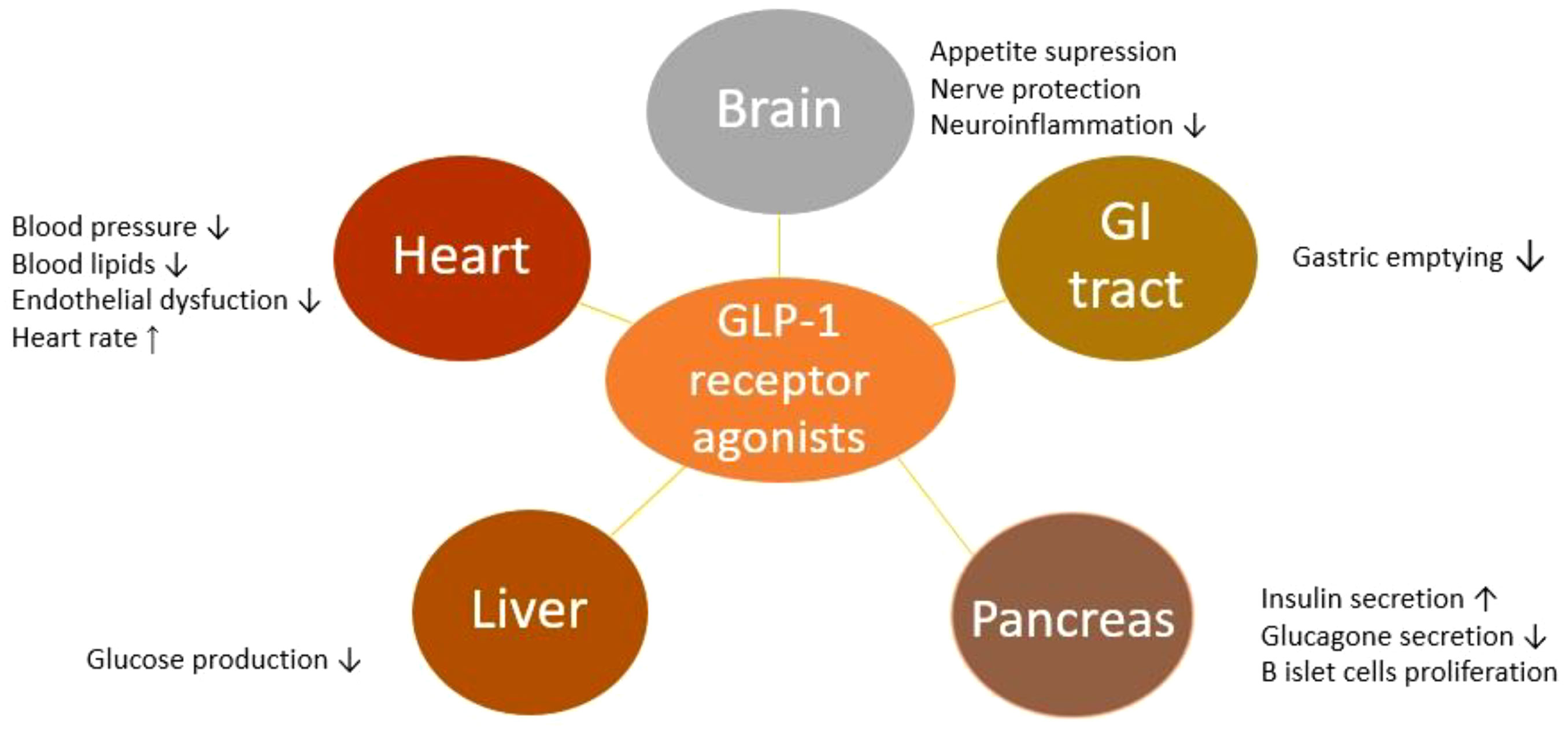
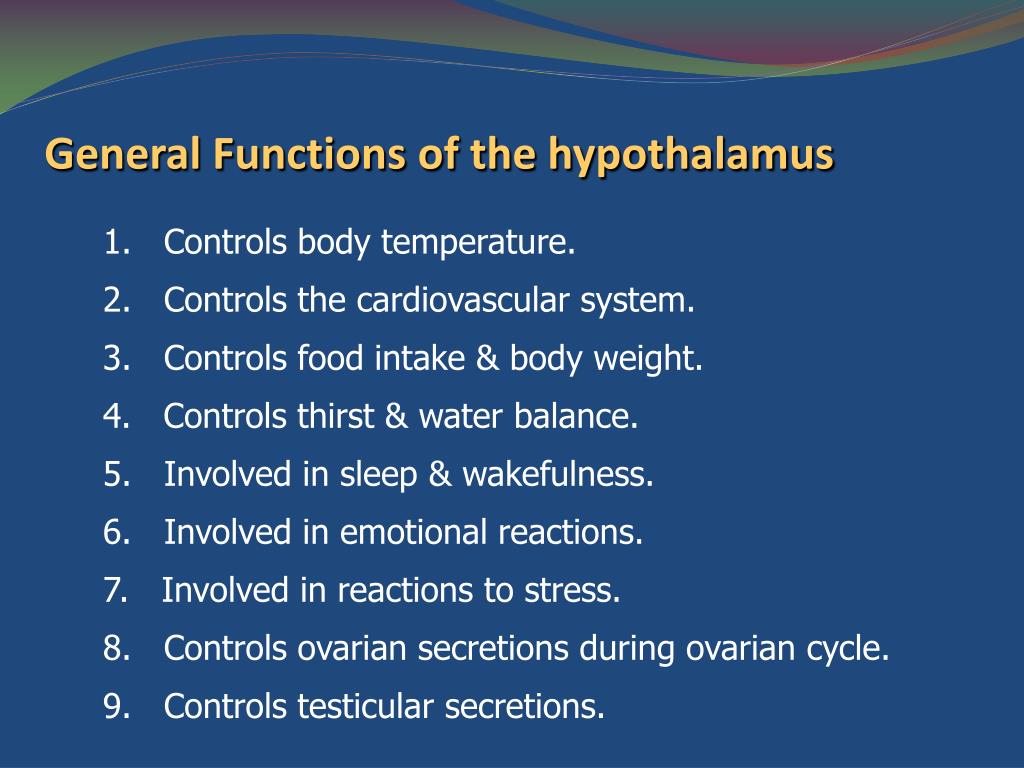
The hypothalamus is a vital region in the brain that plays a crucial role in regulating various physiological processes, including hunger, thirst, and body temperature. Glucagon-like peptide-1 (GLP-1), a hormone primarily produced by the intestines, has been found to interact with the hypothalamus to regulate feeding behavior, body weight, and glucose homeostasis. In this article, we will delve into the complex relationship between hypothalamic function and GLP-1.
The Hypothalamus and GLP-1: A Key Relationship in Energy Homeostasis
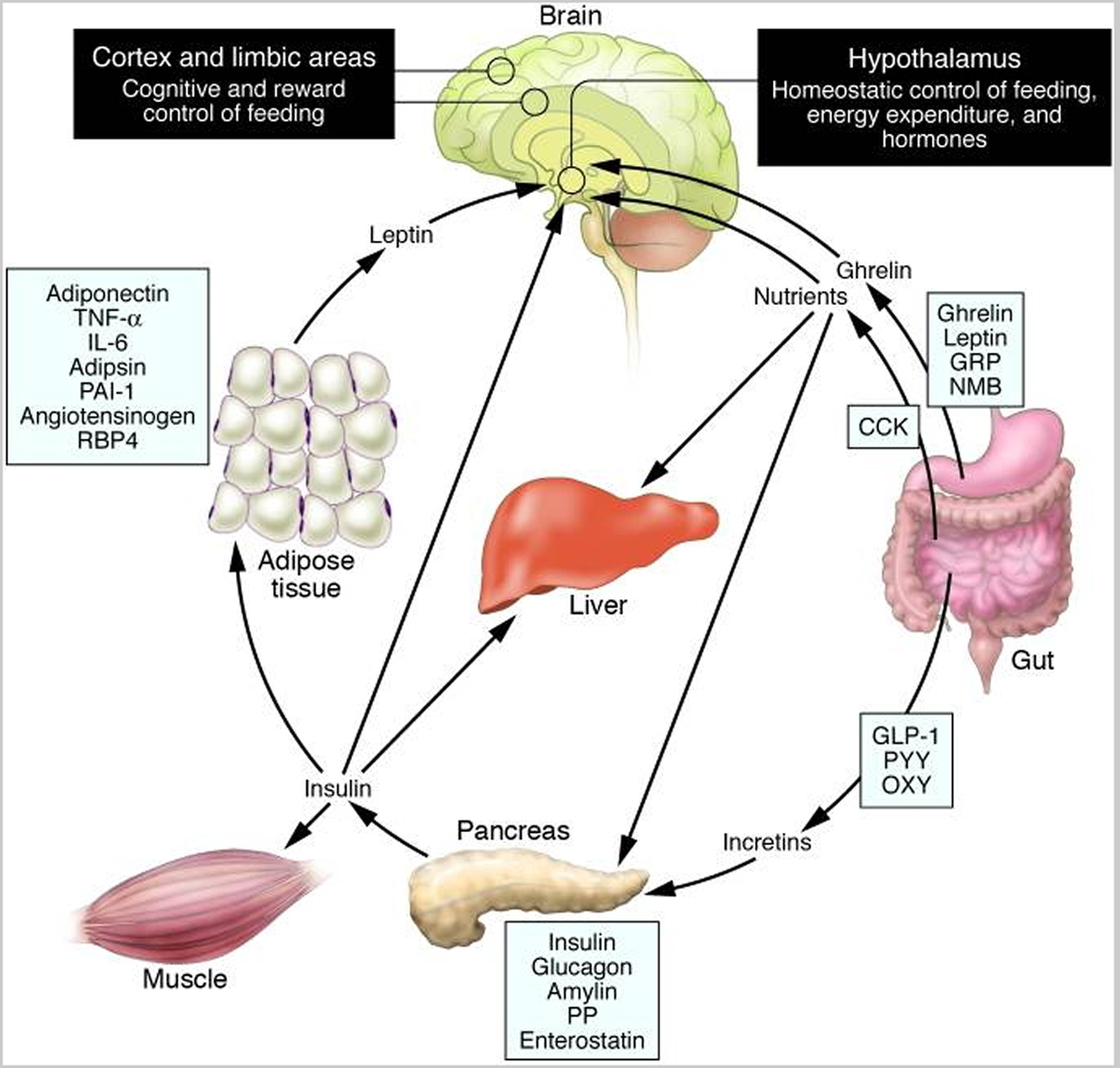
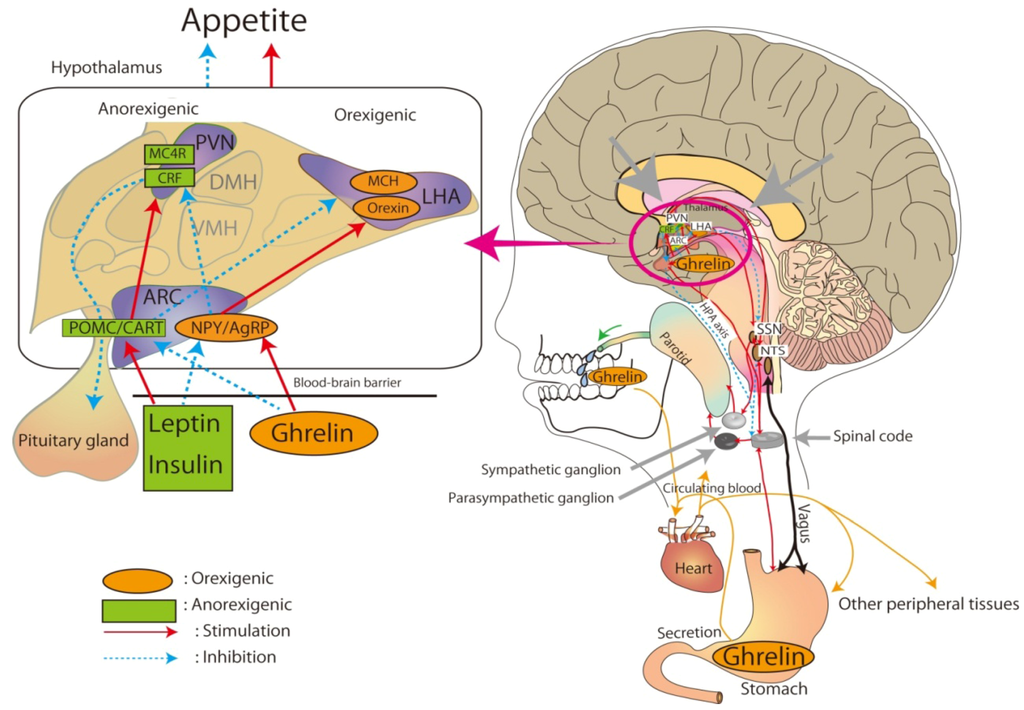
The hypothalamus is a key structure in the brain that integrates signals from various sources, including the pancreas, gut, and adipose tissue, to regulate energy homeostasis. GLP-1, a hormone released from the intestines in response to food intake, plays a significant role in regulating glucose and lipid metabolism. Recent studies have suggested that GLP-1 also acts on the hypothalamus to influence feeding behavior, body weight, and glucose homeostasis.

The GLP-1 Receptor in the Hypothalamus
Research has identified that GLP-1 receptors are expressed in various regions of the hypothalamus, including the arcuate nucleus, the paraventricular hypothalamic area, and the dorsomedial hypothalamus. These receptors are thought to play a crucial role in regulating energy homeostasis by integrating signals from the pancreas, gut, and adipose tissue.





00283-3/asset/80dad3bb-03c7-4668-84be-842b6372cb53/main.assets/gr1_lrg.jpg "Top 7 Tips for Weight Loss and Weight Management - DesBio")