Uncovering the Link between Food Addiction and GLP-1 Receptors: A Revolutionary Breakthrough in Obesity Research
Food addiction, a condition characterized by compulsive food consumption despite negative consequences, has been a persistent public health concern for years. Recent research has shed light on a groundbreaking connection between food addiction and GLP-1 receptors, providing new hope for treatment and management of this debilitating disorder.
What are GLP-1 Receptors?
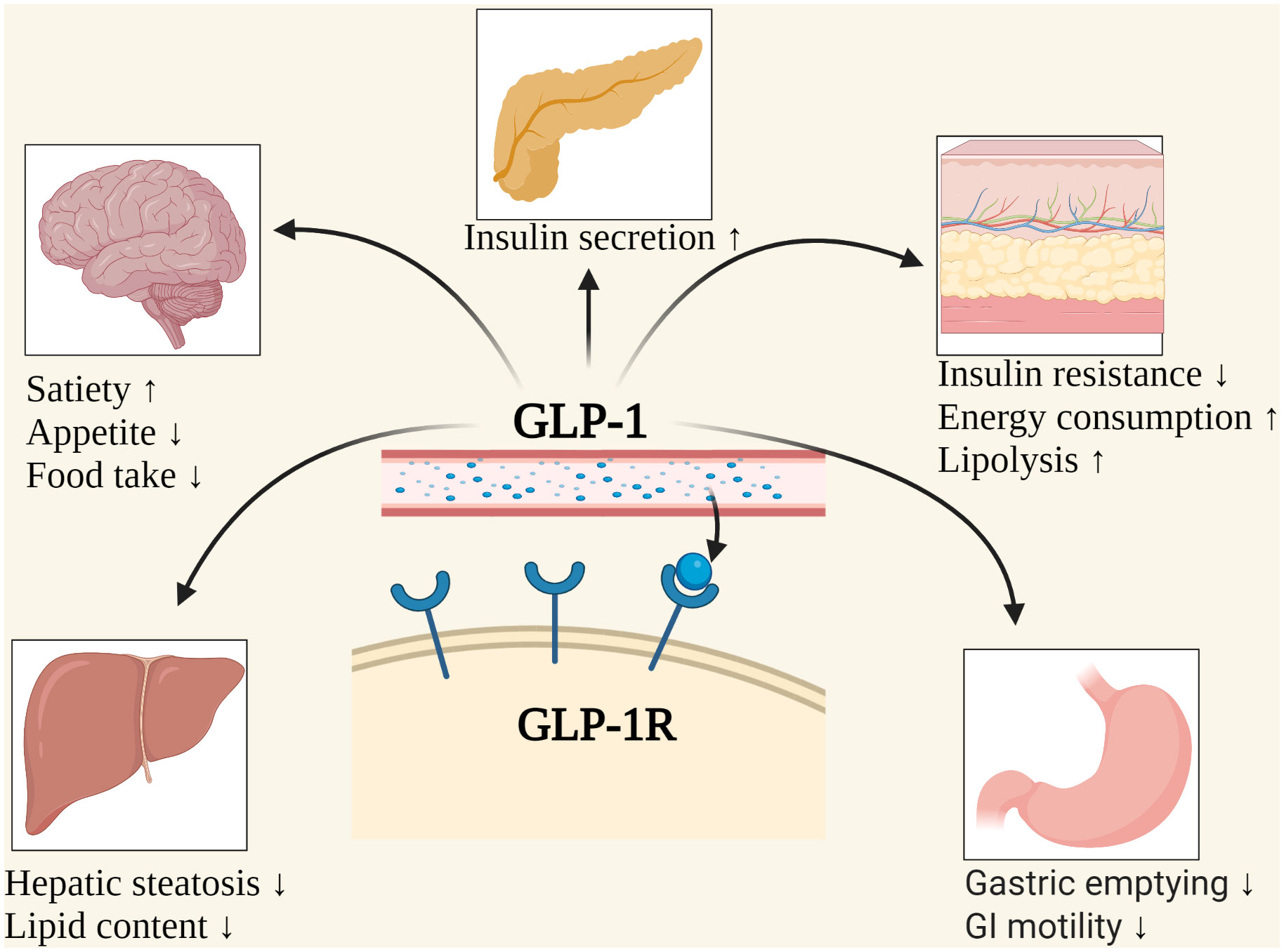
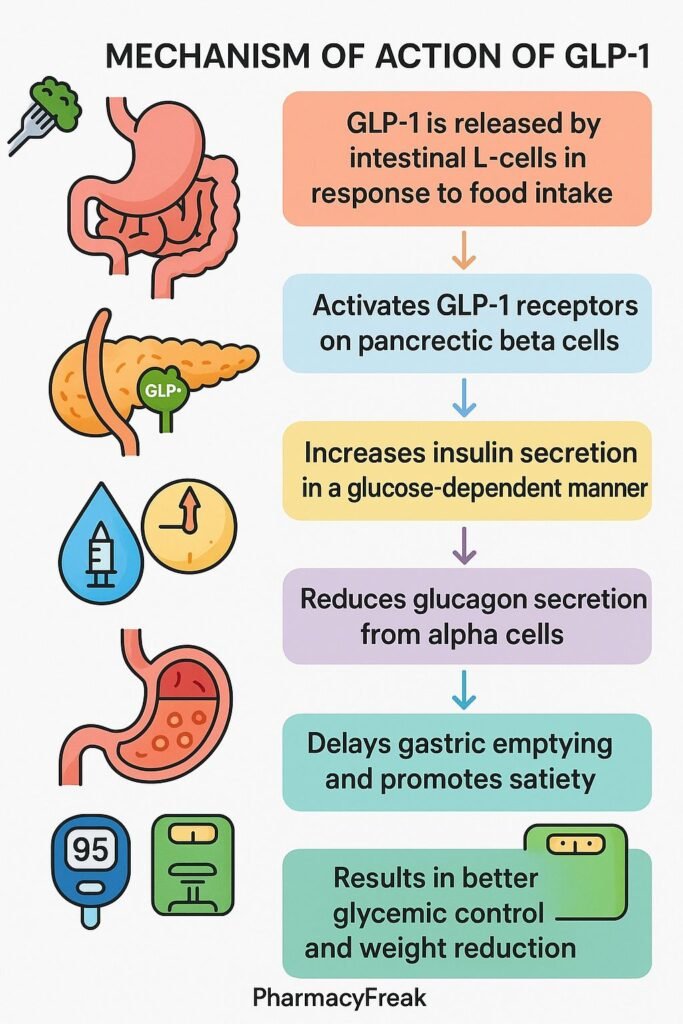
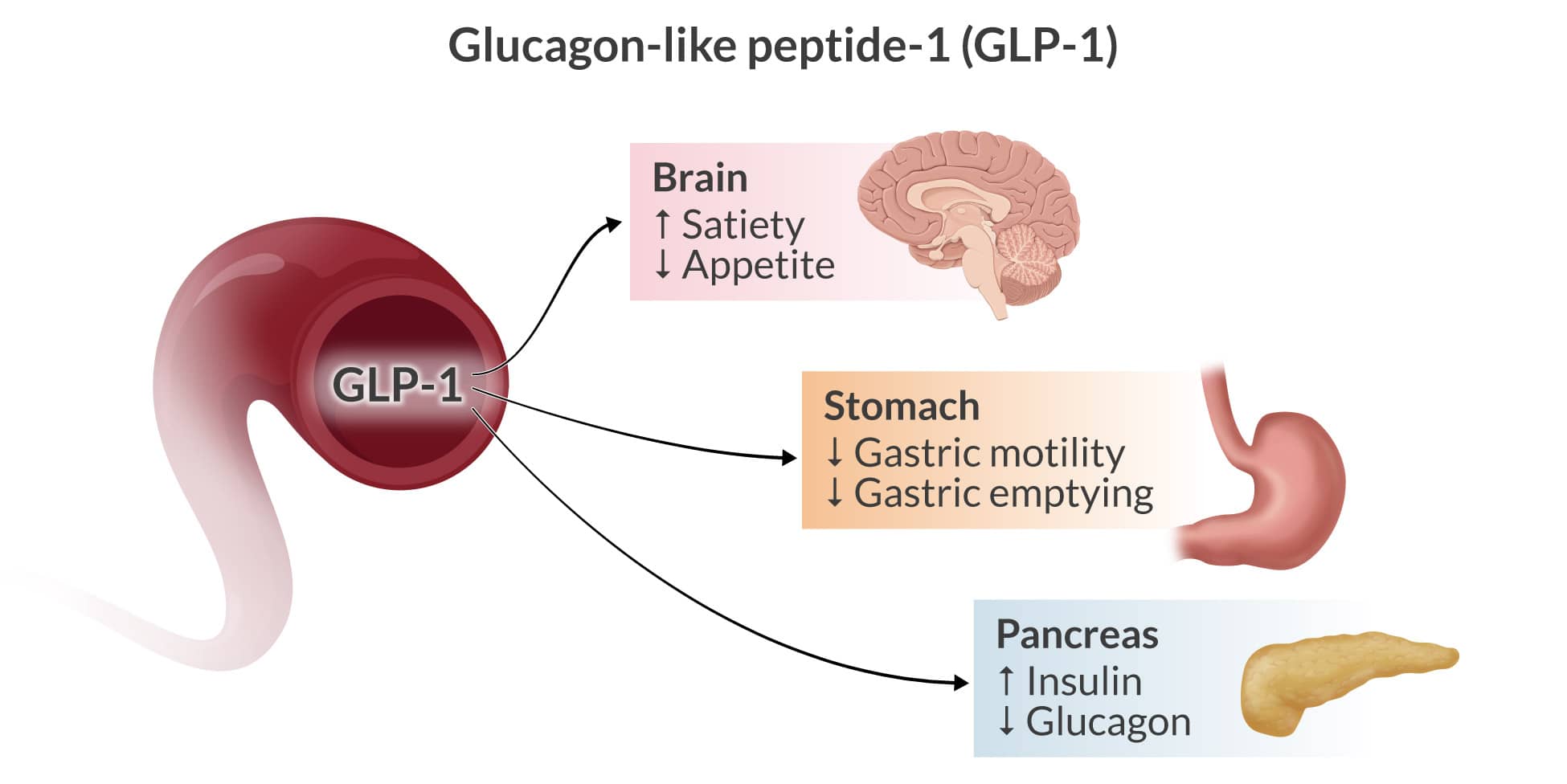
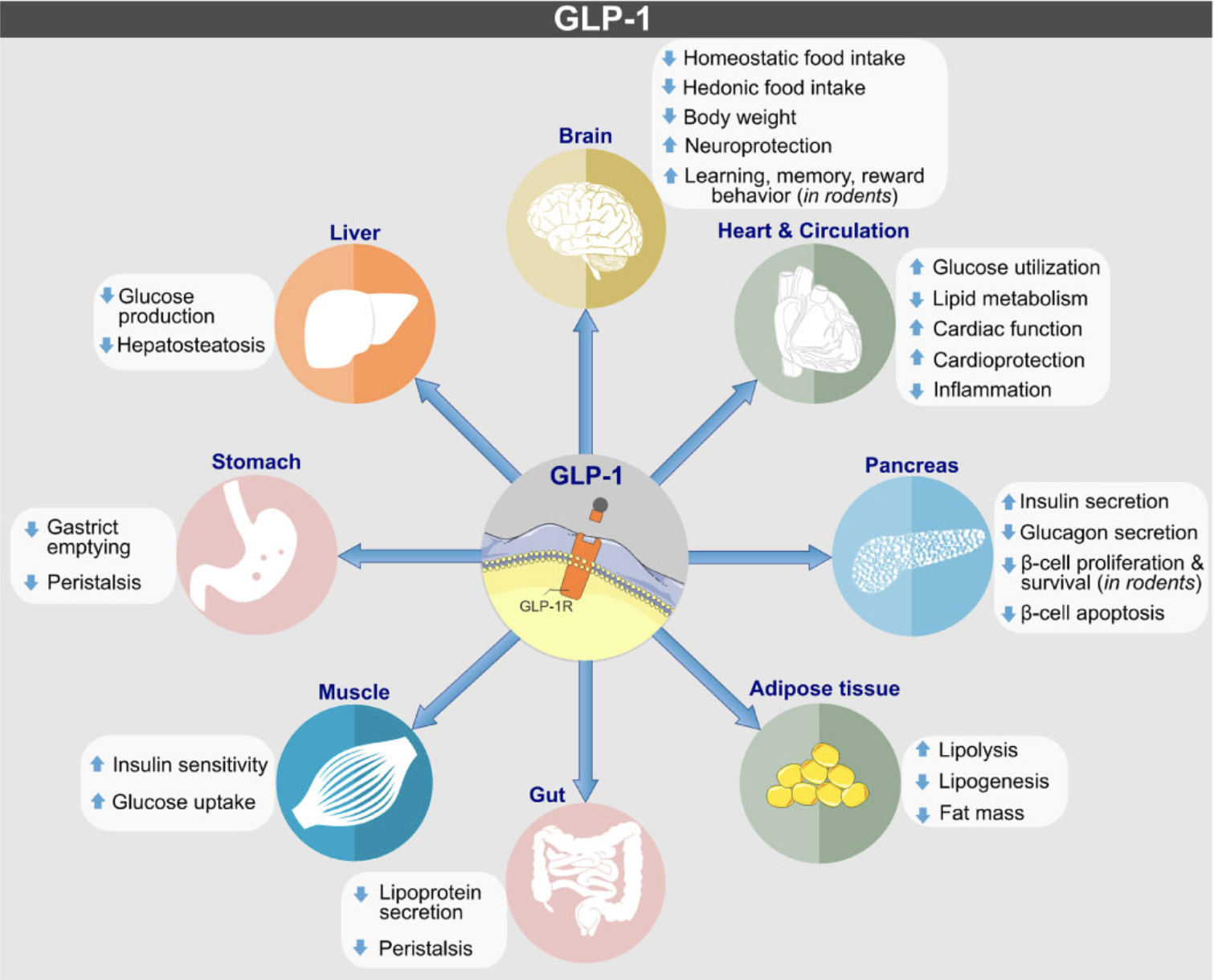
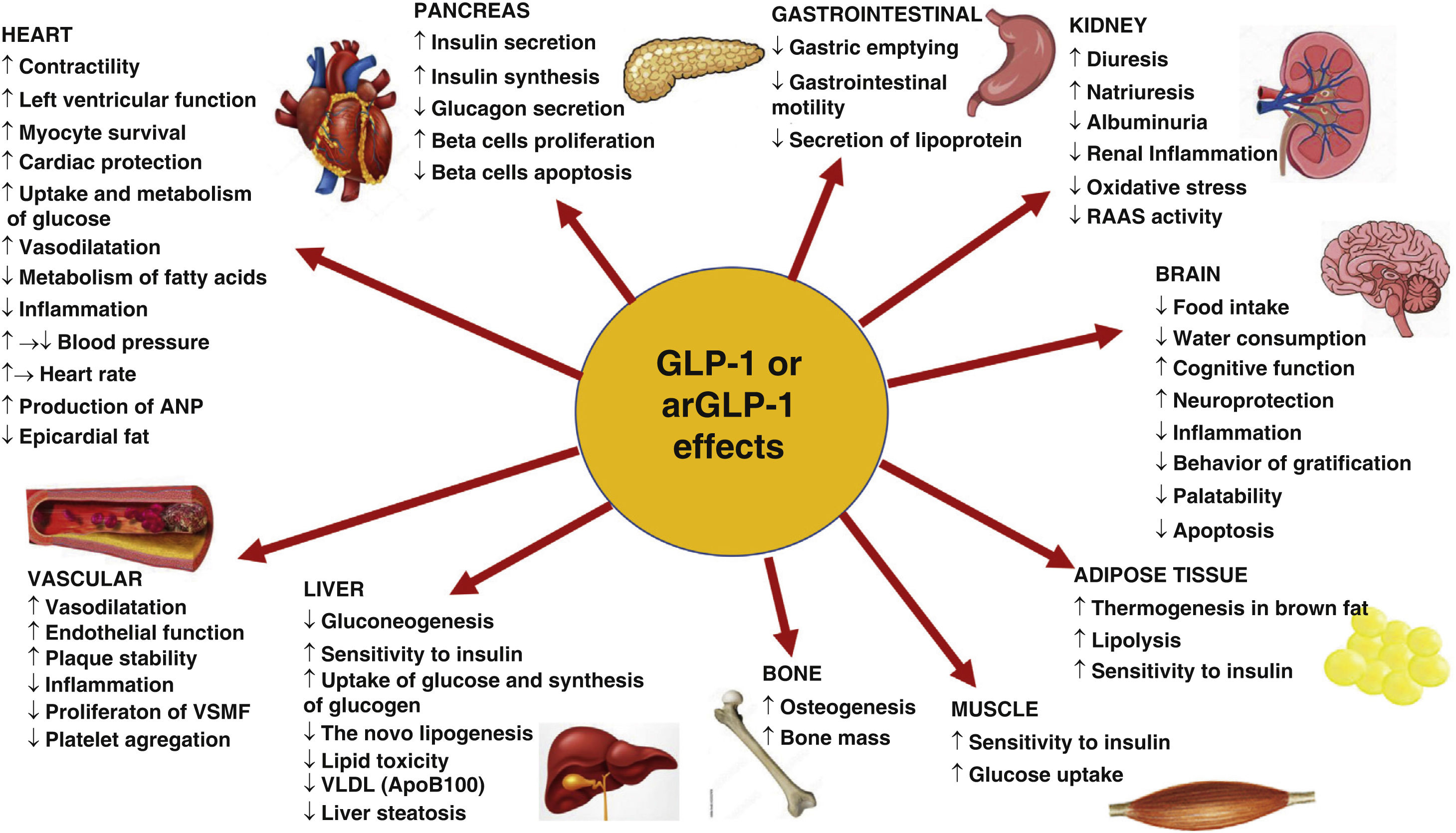
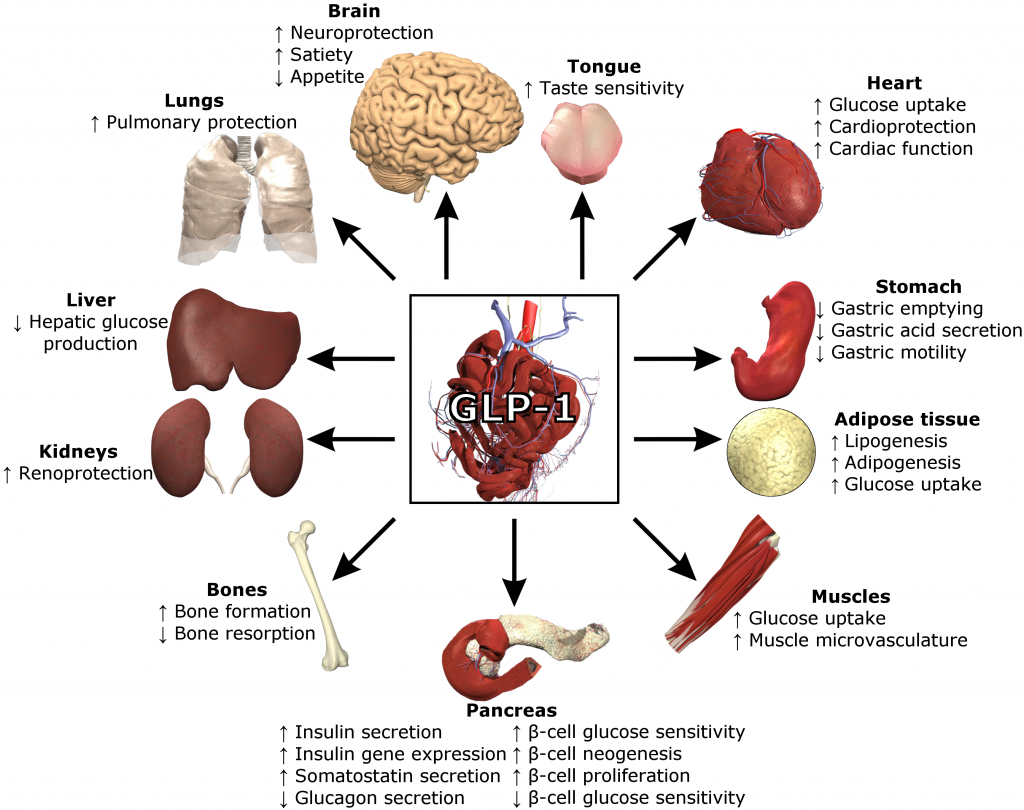
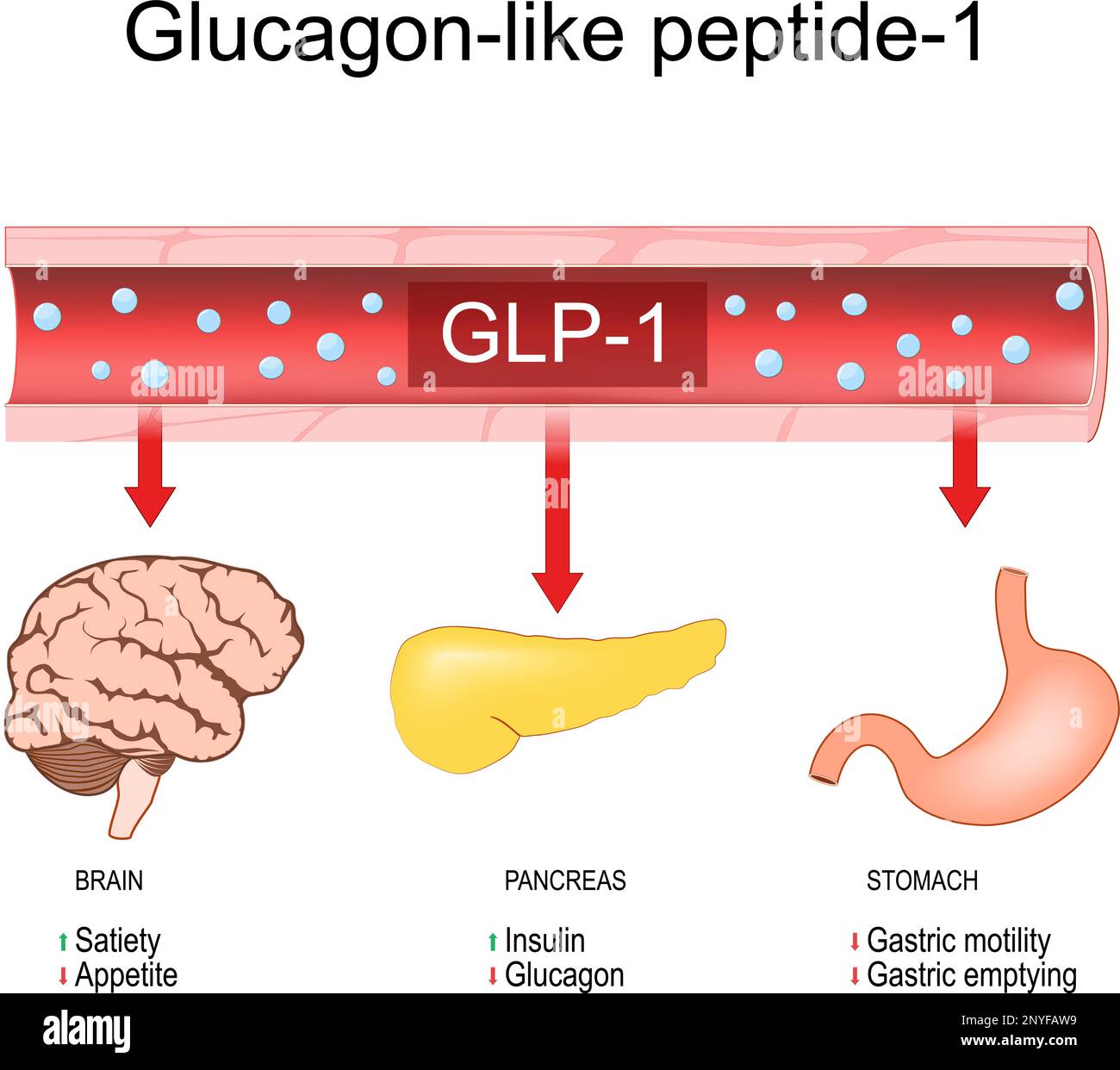
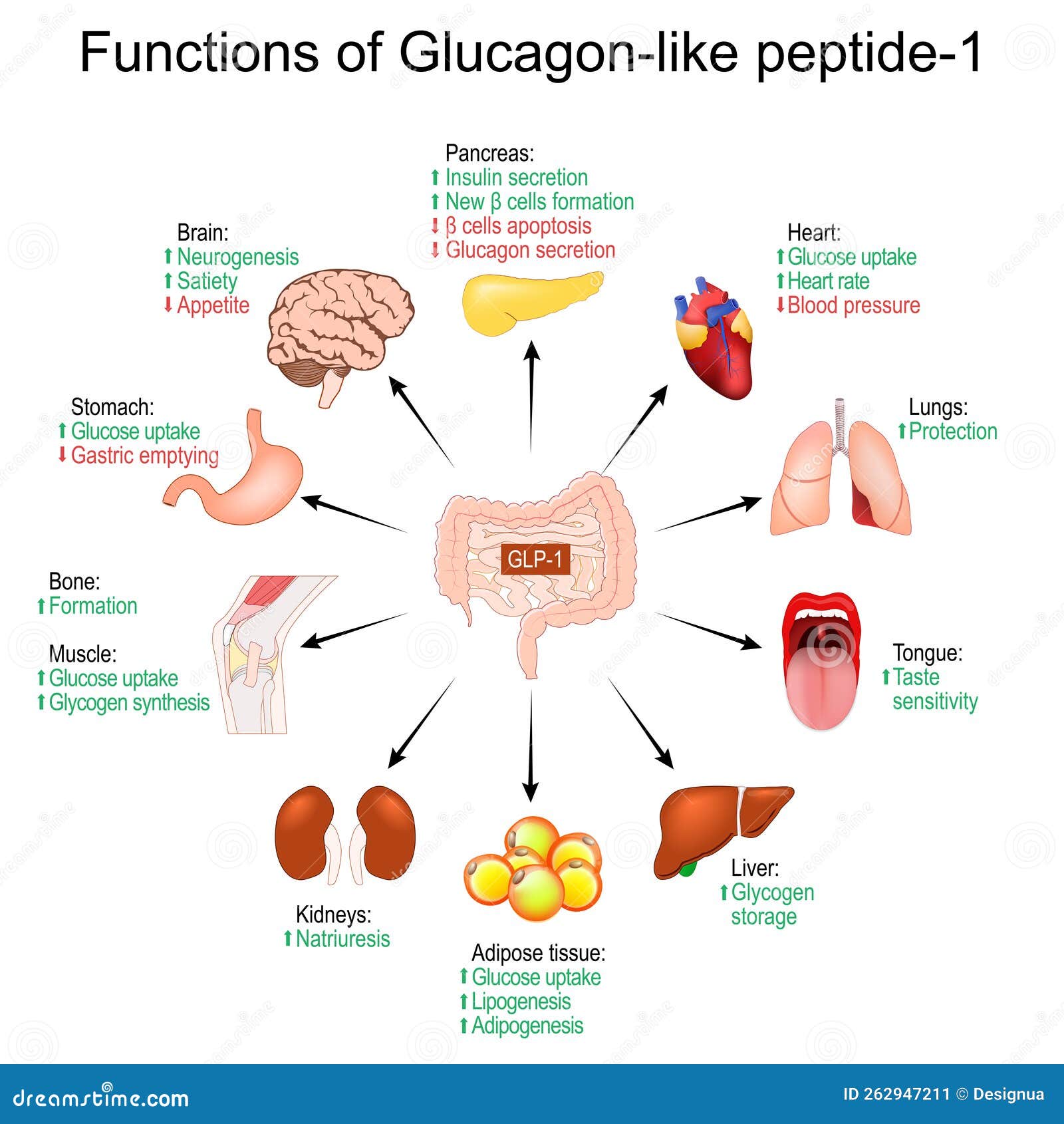
Glucagon-like peptide-1 (GLP-1) receptors are a class of receptors that play a crucial role in regulating appetite, satiety, and blood sugar levels. These receptors are found in various parts of the body, including the brain, small intestine, and pancreas. When food is consumed, GLP-1 is released by the small intestine, signaling the brain that we are full and stimulating insulin release from the pancreas.
The Connection between GLP-1 Receptors and Food Addiction
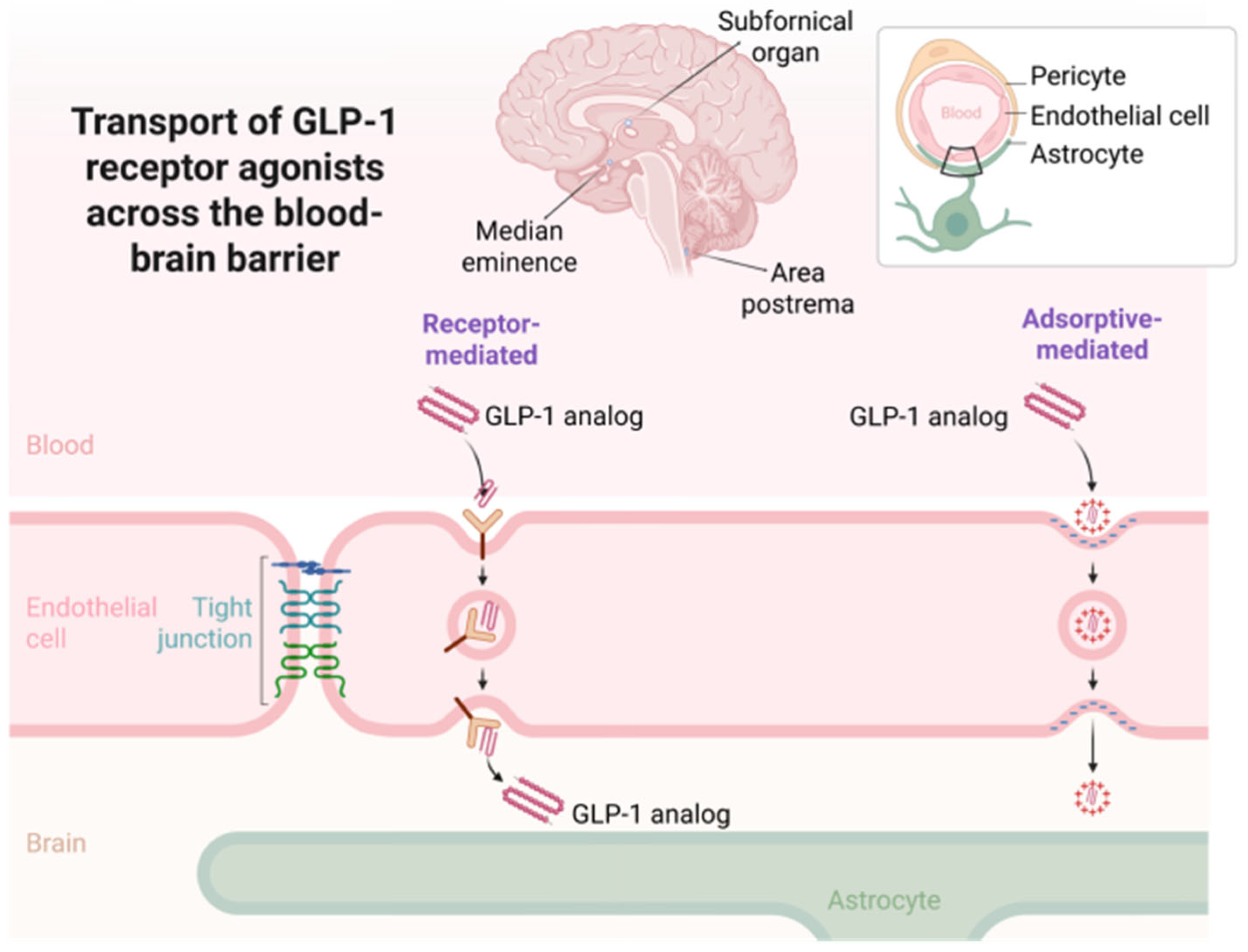
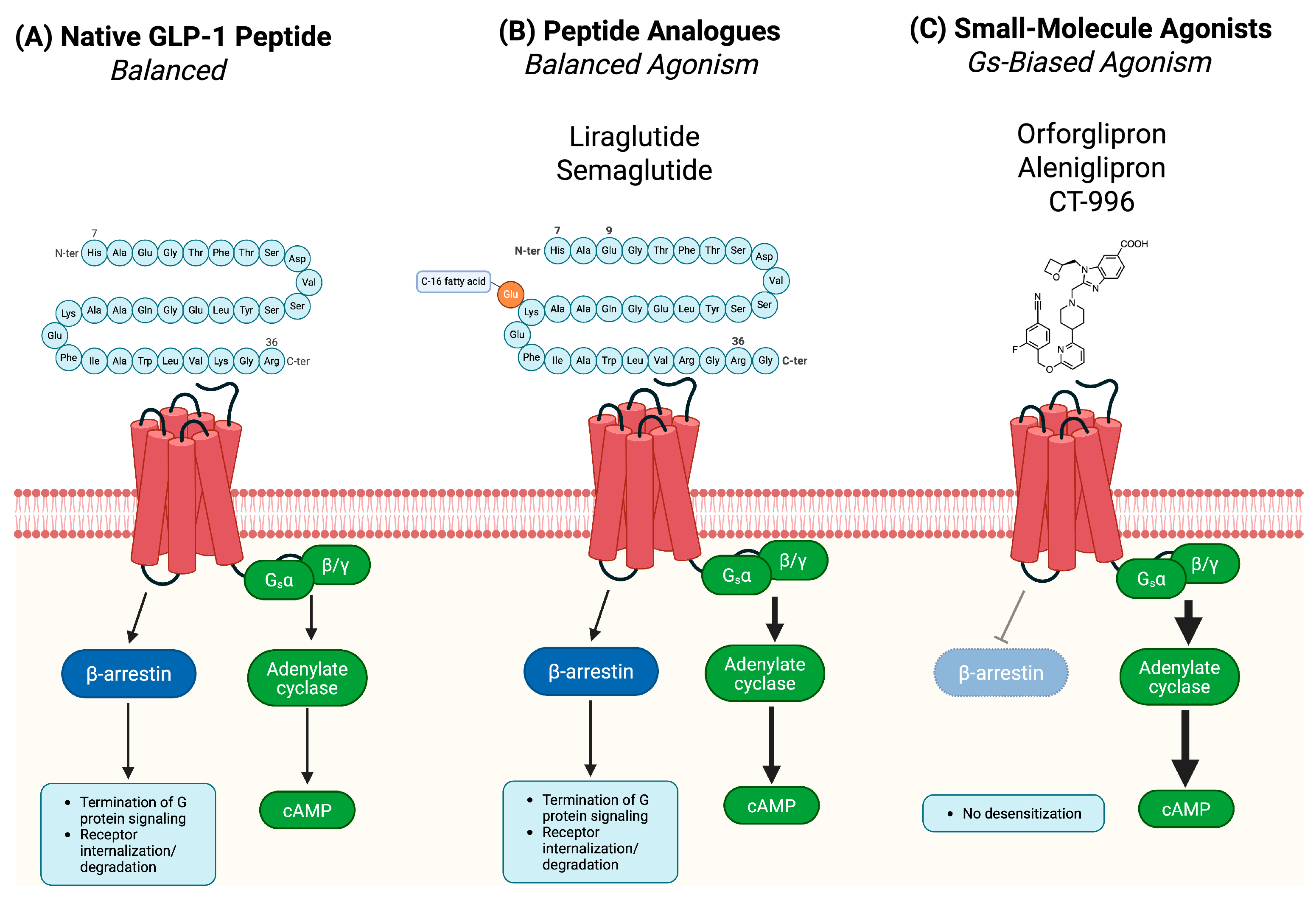
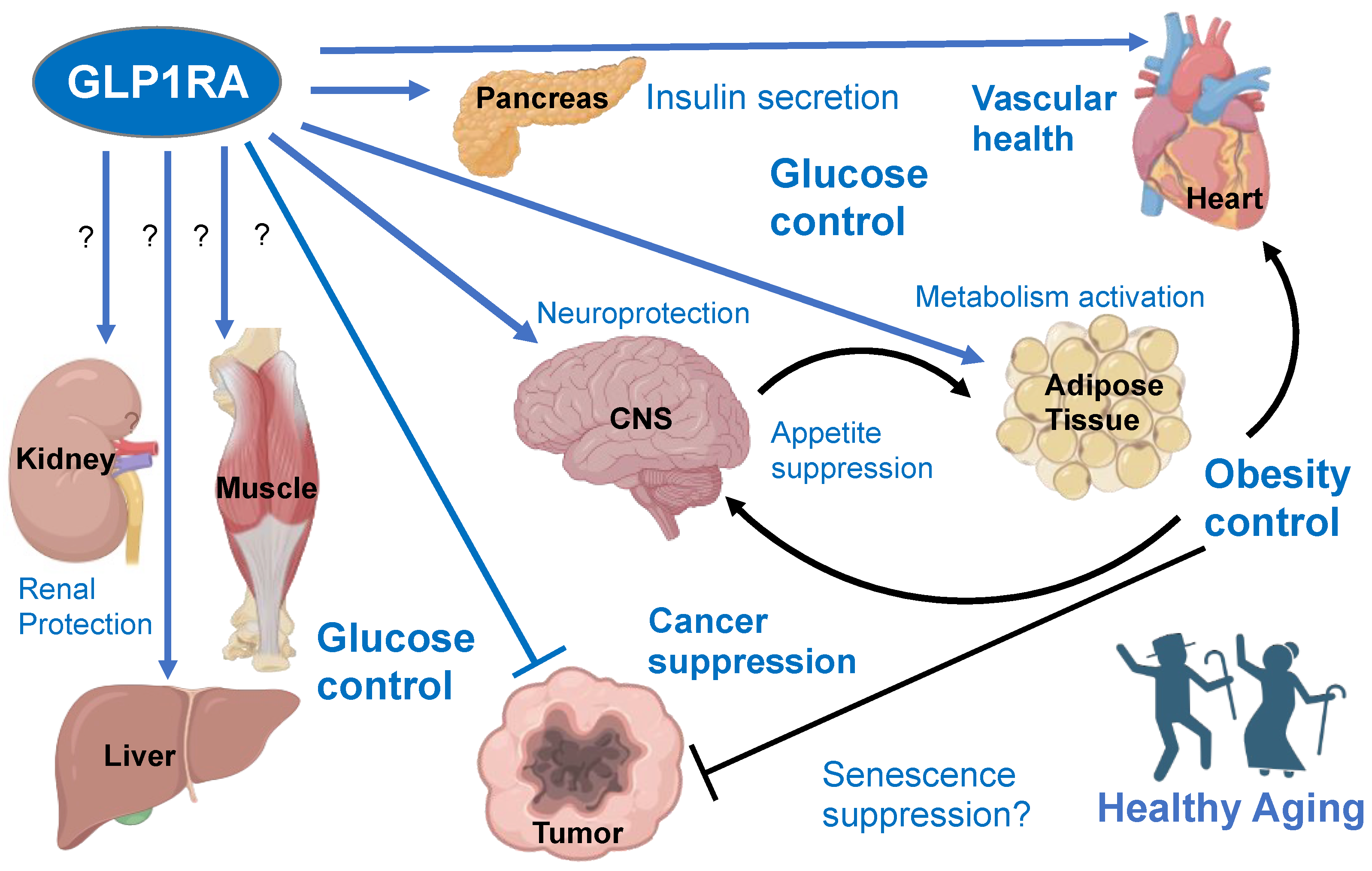
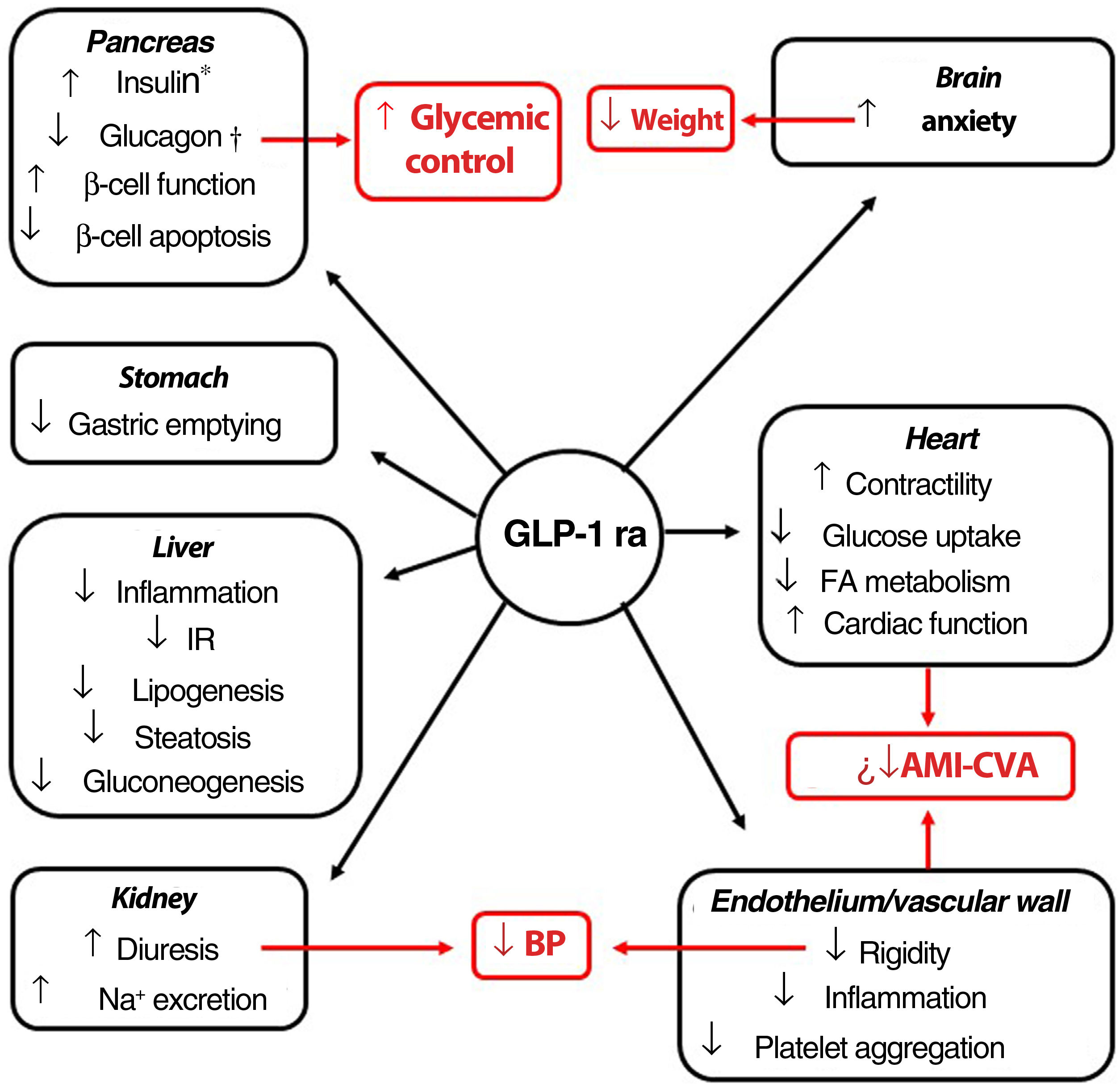
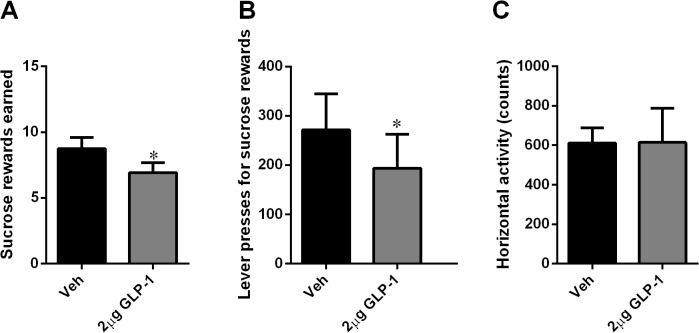
Research has shown that GLP-1 receptor agonists, a class of medications approved for treating type 2 diabetes and obesity, have a significant impact on food addiction. These medications work by mimicking the natural GLP-1 hormone, which slows gastric emptying, increases satiety, and reduces hunger and food cravings. The data suggests that GLP-1 receptor agonists can reduce food addiction by:
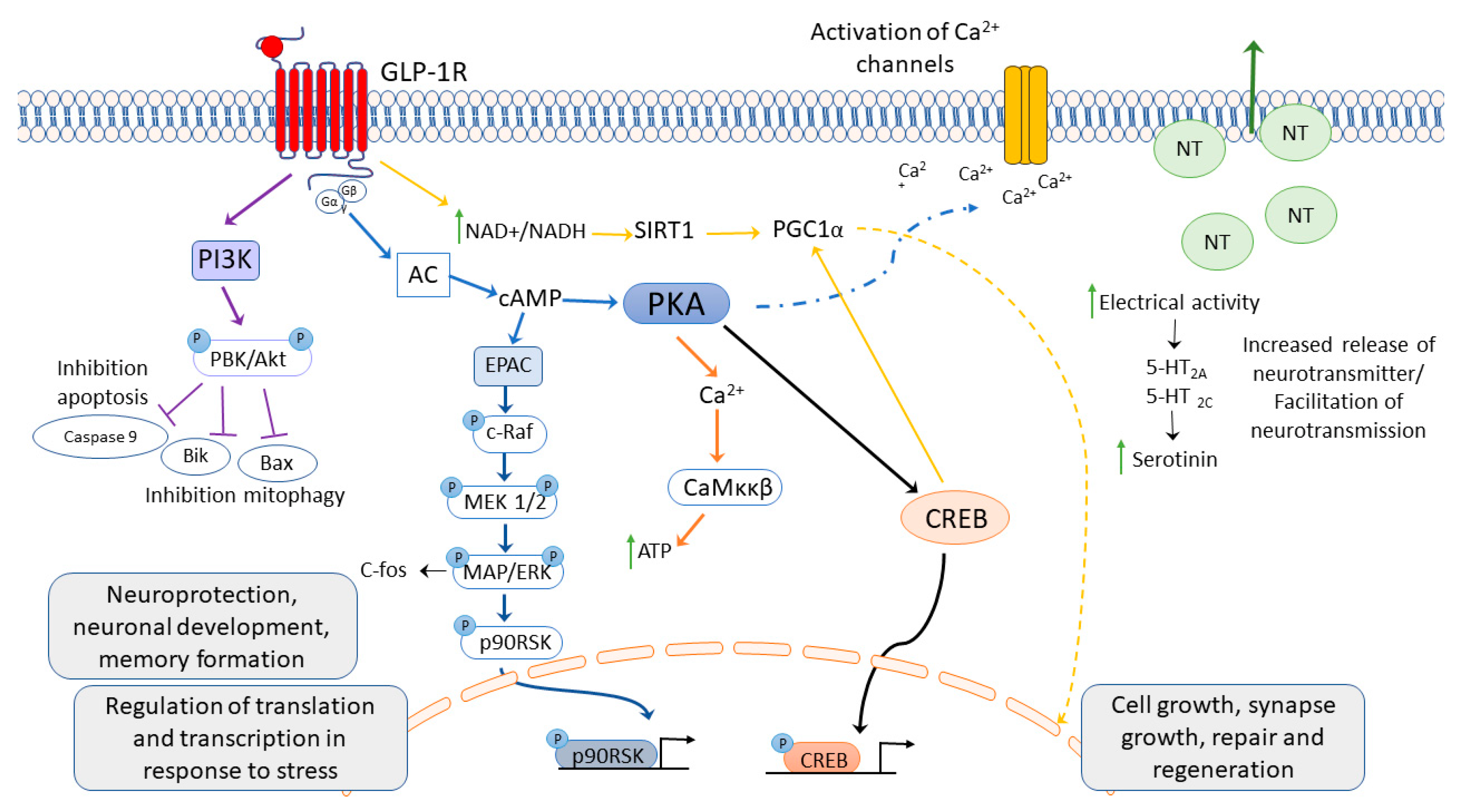
Regulating dopamine release in the brain's reward system, which is a key component of food addiction.
Modulating the mesolimbic reward pathway, a brain circuit that is involved in addiction and compulsive behaviors.
Shortening the duration of food cravings and reducing the likelihood of relapse.