GLP-1 Receptor Agonist Treatment for Insulin Resistance: A Breakthrough in Managing the Condition
Insulin resistance is a common condition that affects millions of people worldwide, leading to type 2 diabetes and other metabolic disorders. The conventional treatment options for insulin resistance have been limited, but recent research has shed light on the potential of GLP-1 receptor agonist treatment for managing this condition.
How Does GLP-1 Receptor Agonist Treatment Work?
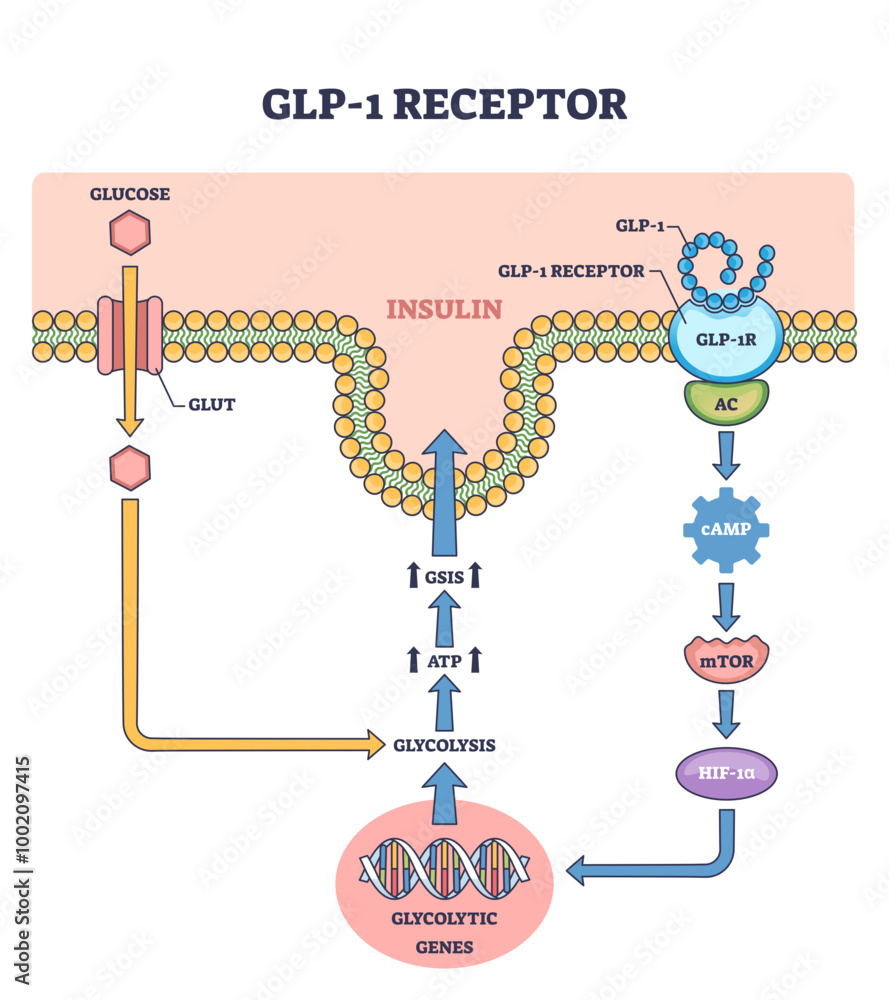
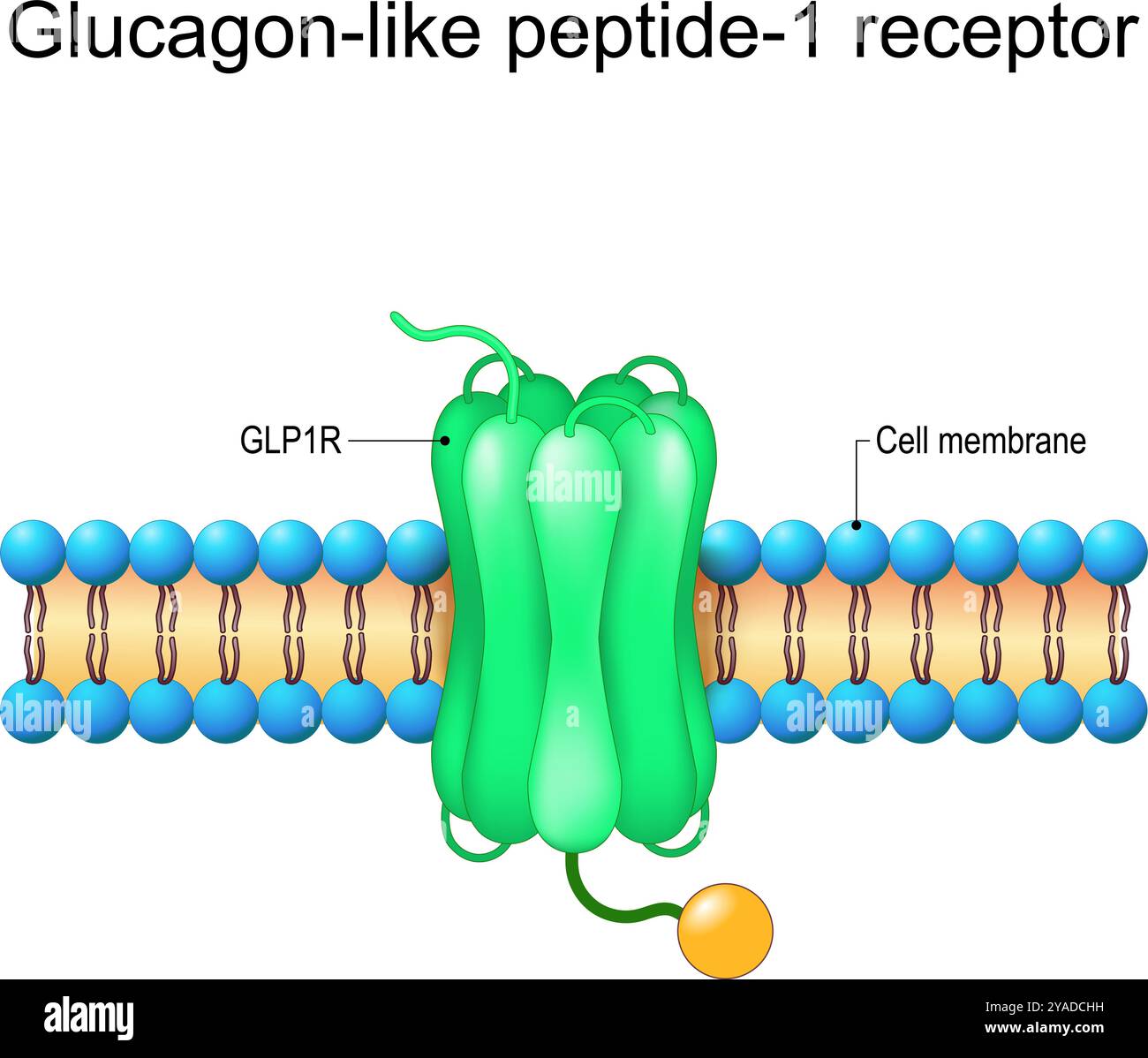
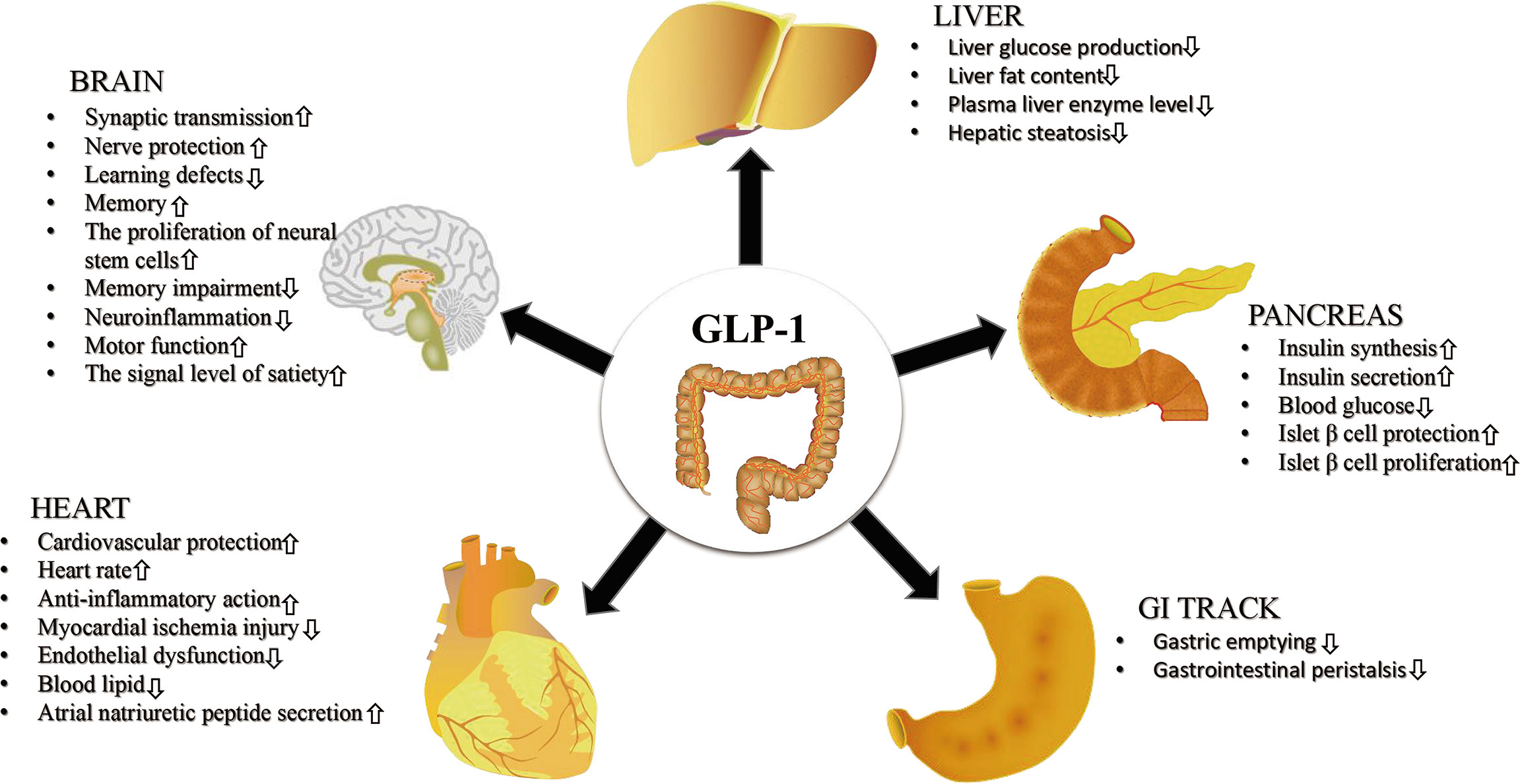
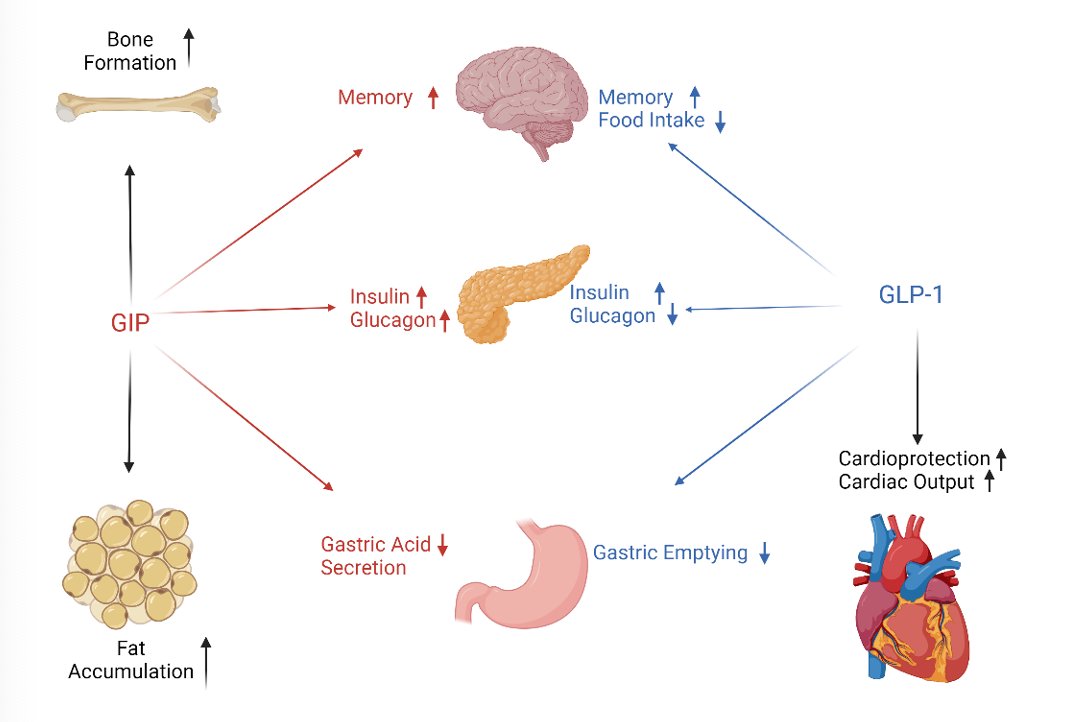
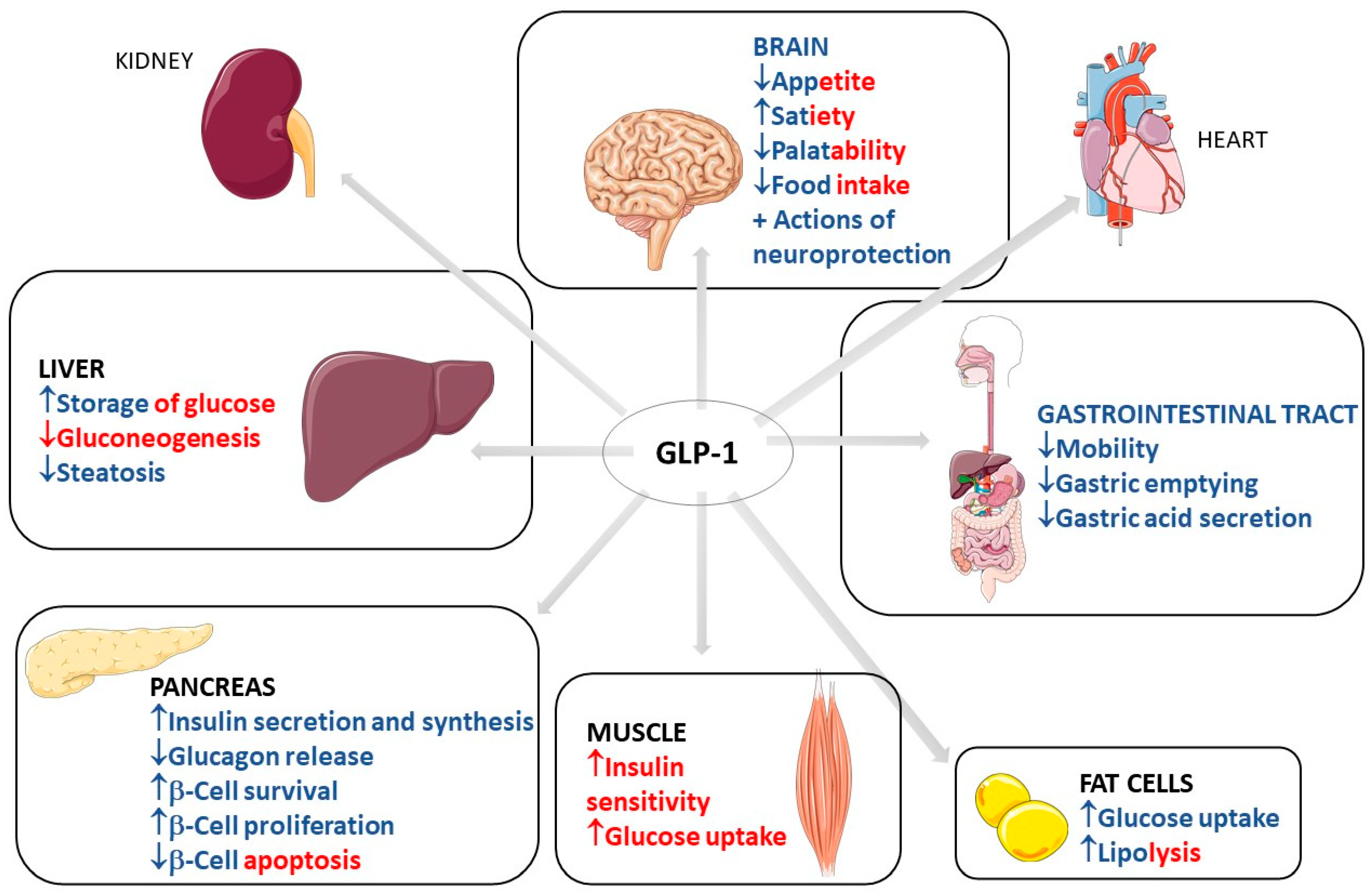
GLP-1 receptor agonists are medications that mimic the action of the naturally occurring hormone GLP-1, which regulates blood sugar levels, appetite, and digestion. These medications have shown significant promise in improving insulin sensitivity, reducing inflammation, and regulating lipid metabolism. By activating the GLP-1 receptors, these medications stimulate the pancreas to release insulin and suppress the release of glucagon, a hormone that raises blood sugar levels.

Benefits of GLP-1 Receptor Agonist Treatment for Insulin Resistance
- Improve insulin sensitivity: GLP-1 receptor agonists have been shown to improve insulin sensitivity, allowing glucose to enter the cells more efficiently.
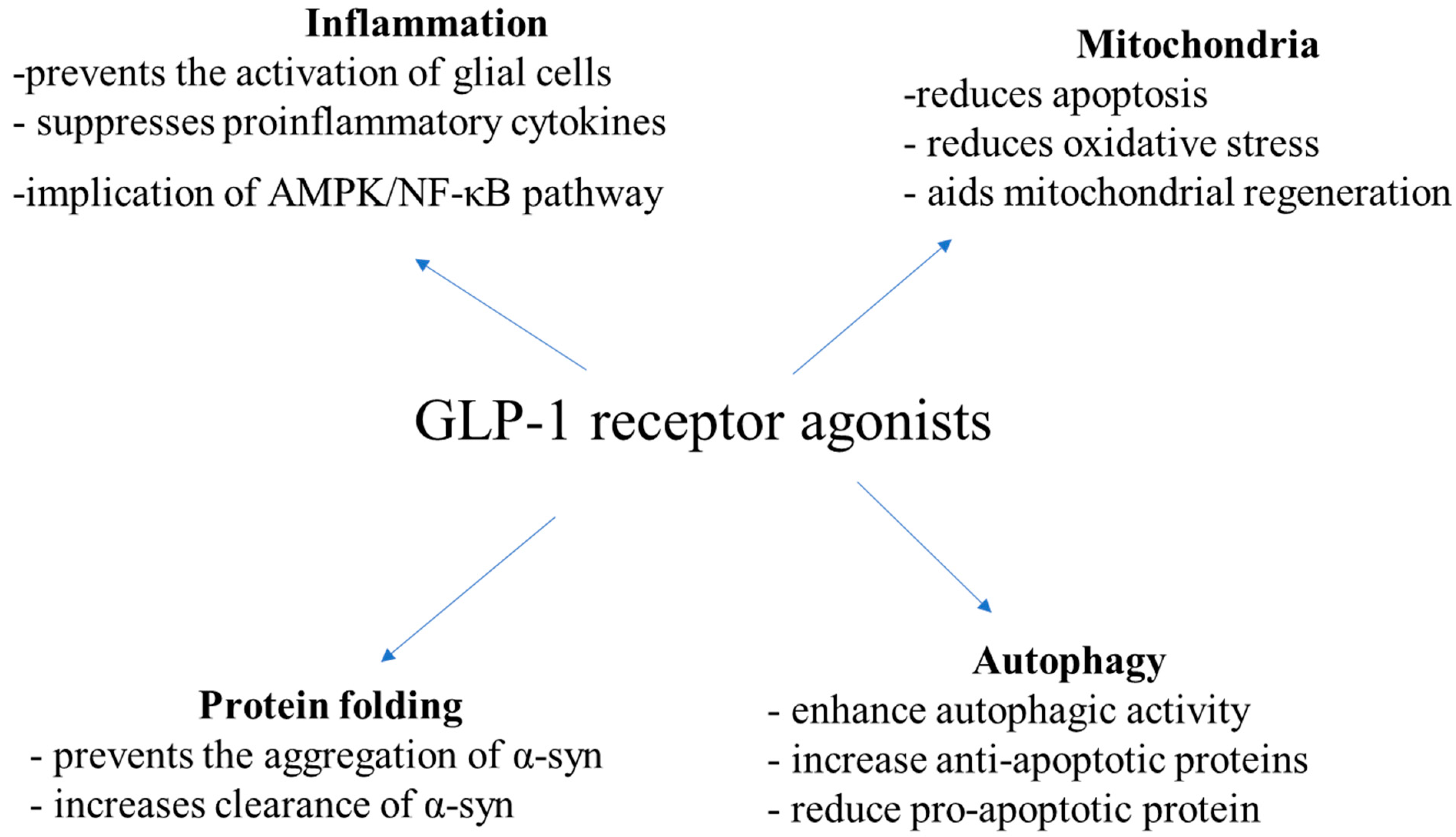
- Reduce inflammation: Chronic inflammation is a key contributor to insulin resistance, and GLP-1 receptor agonists have anti-inflammatory properties that help alleviate this condition.
- Regulate lipid metabolism: GLP-1 receptor agonists can help regulate lipid metabolism, reducing the risk of cardiovascular disease.
- Weight management: Many GLP-1 receptor agonists have been shown to aid in weight loss, which is a significant factor in reducing insulin resistance.