Unraveling the Complex Relationship between GLP-1 Agonists and Emotional States
The impact of glucagon-like peptide-1 receptor agonists (GLP-1RAs) on emotional states has been a subject of intrigue in recent years, with some studies suggesting a potential link between the use of these medications and changes in mood and emotional regulation. In this article, we will delve into the current research on the relationship between GLP-1 agonists and emotional states, exploring the potential benefits and risks associated with this class of medications.
What are GLP-1 Agonists?
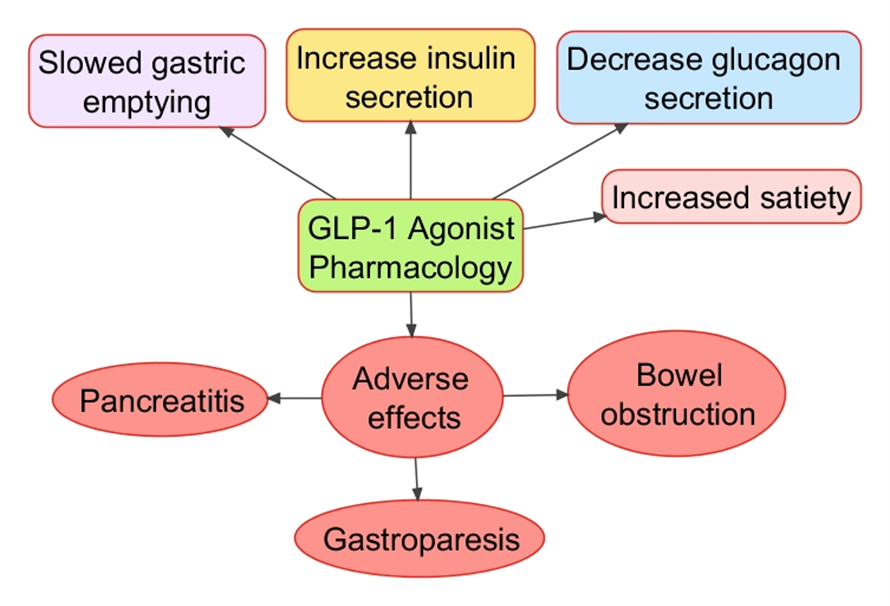
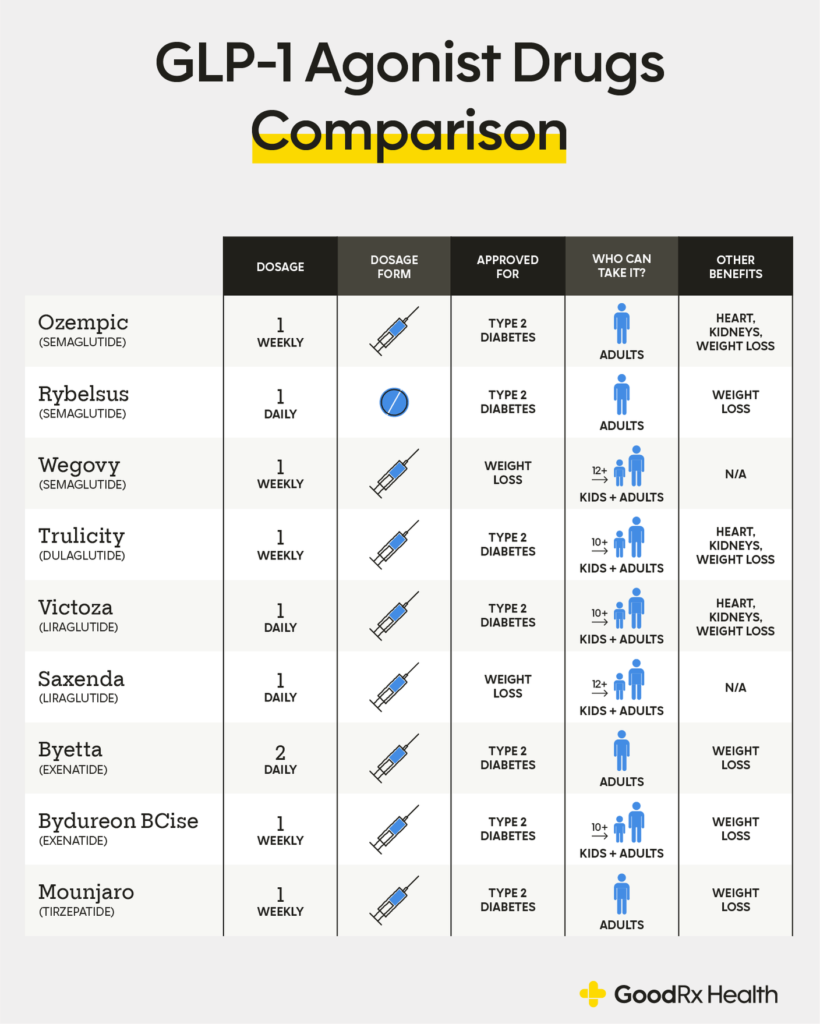
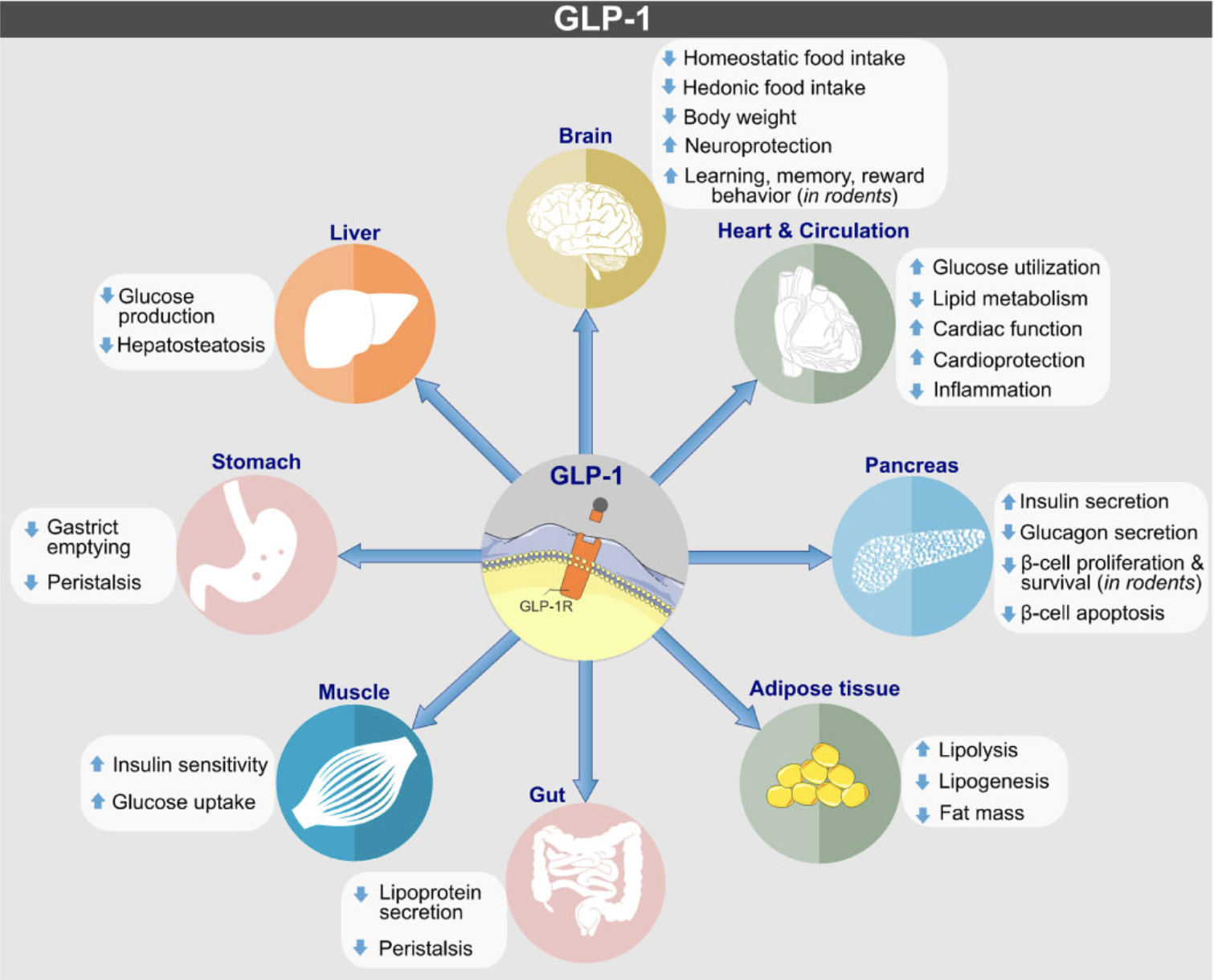
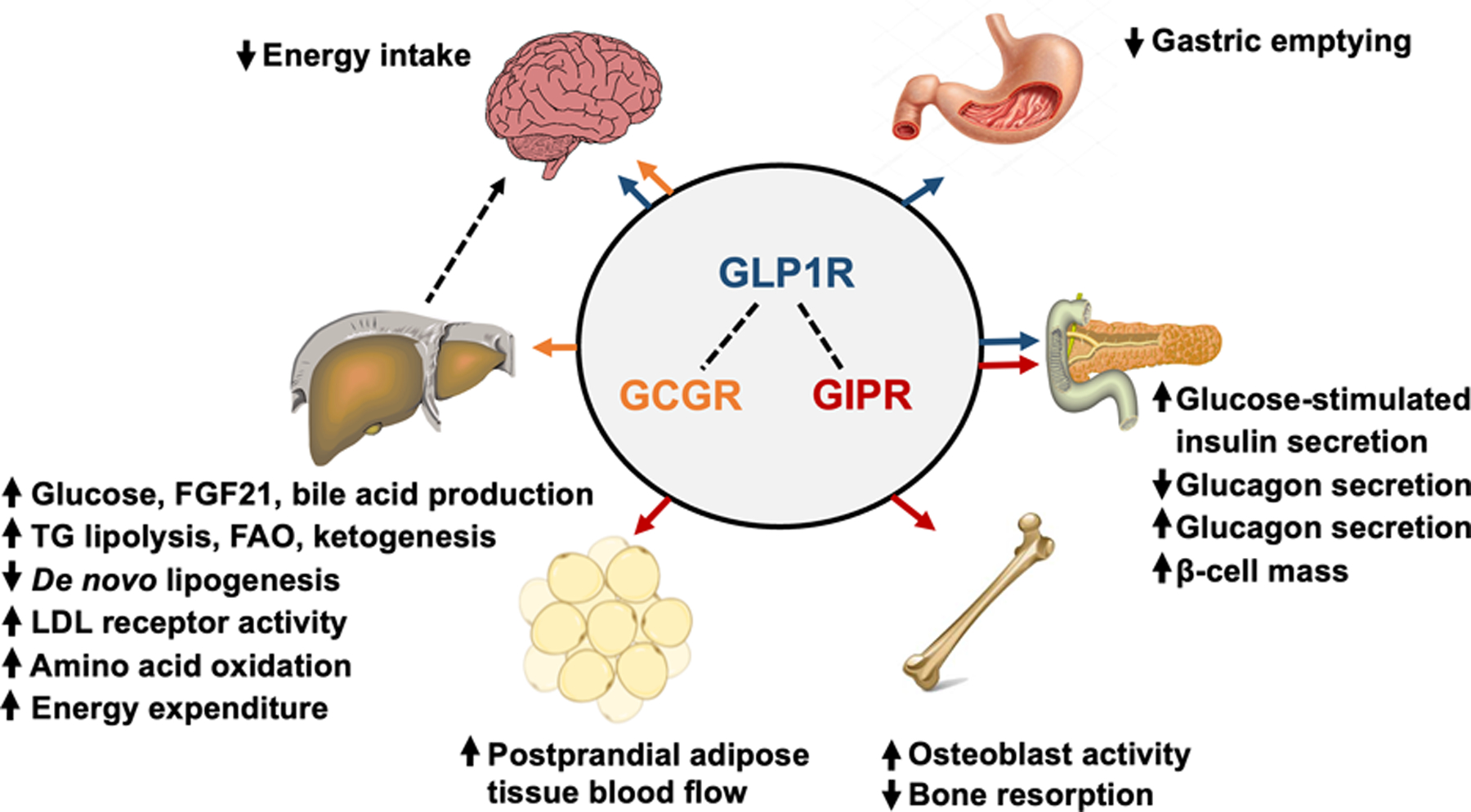
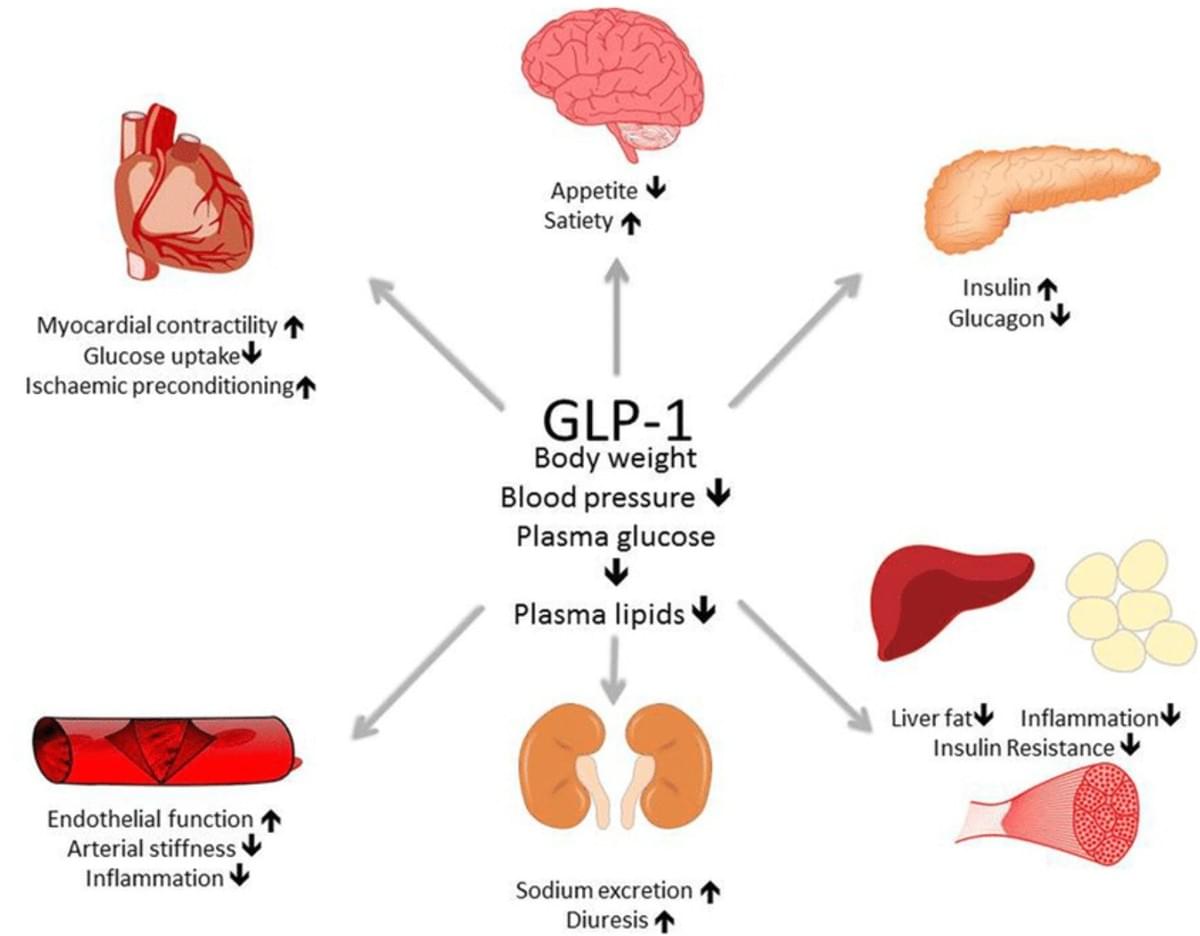
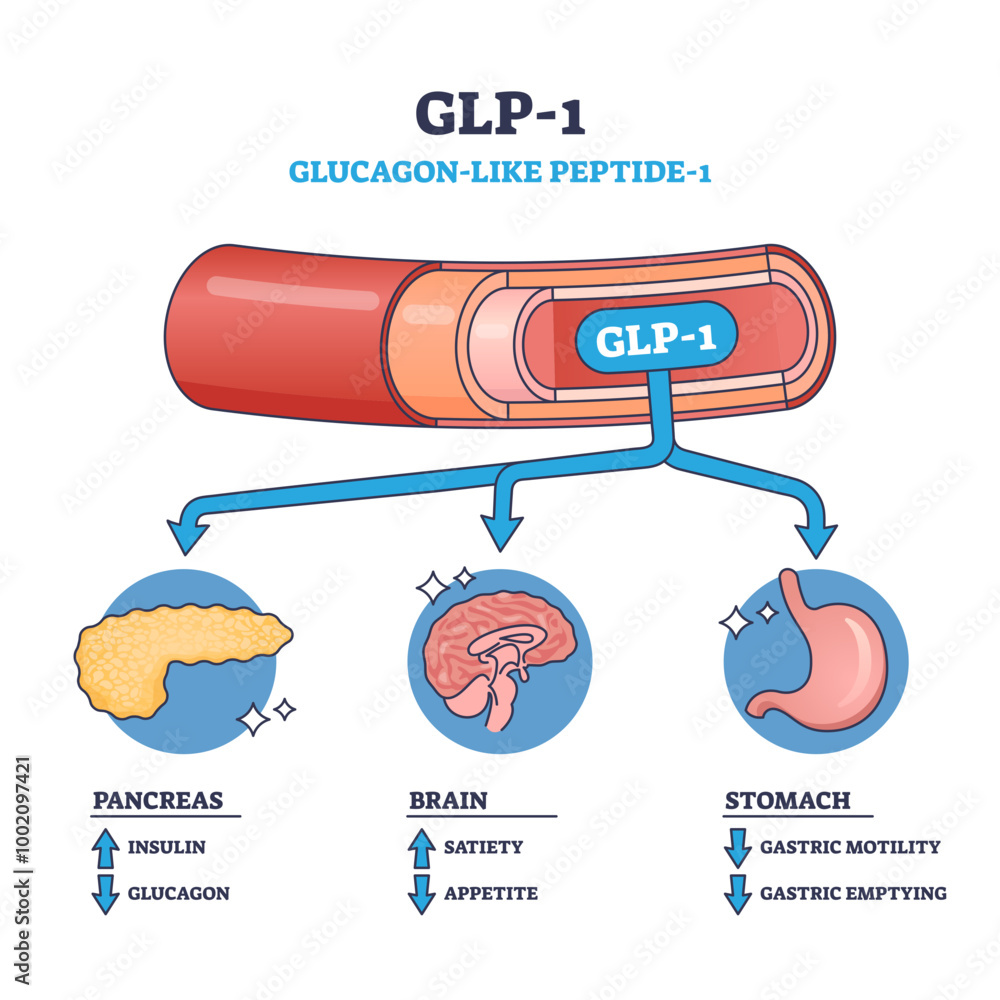
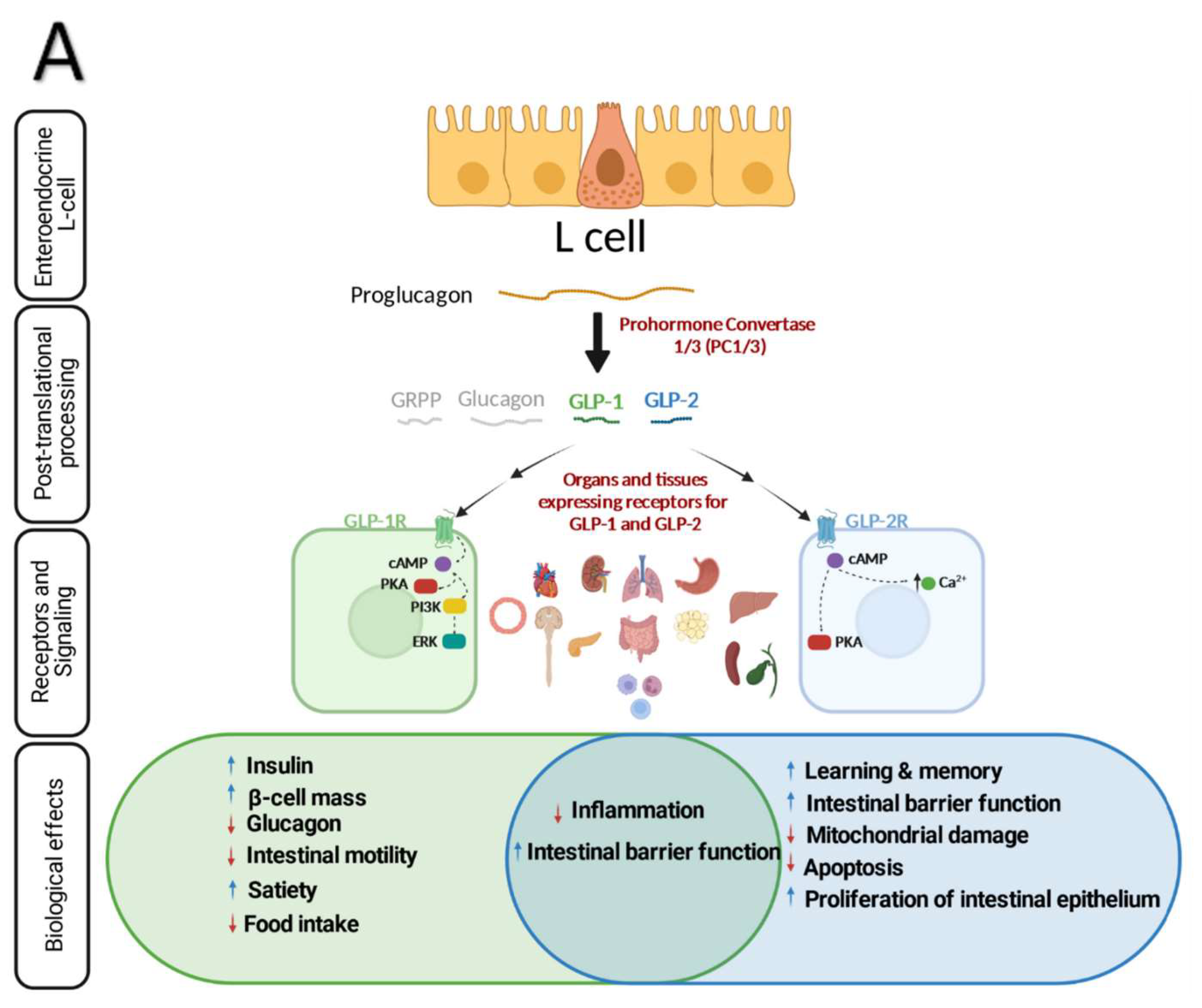
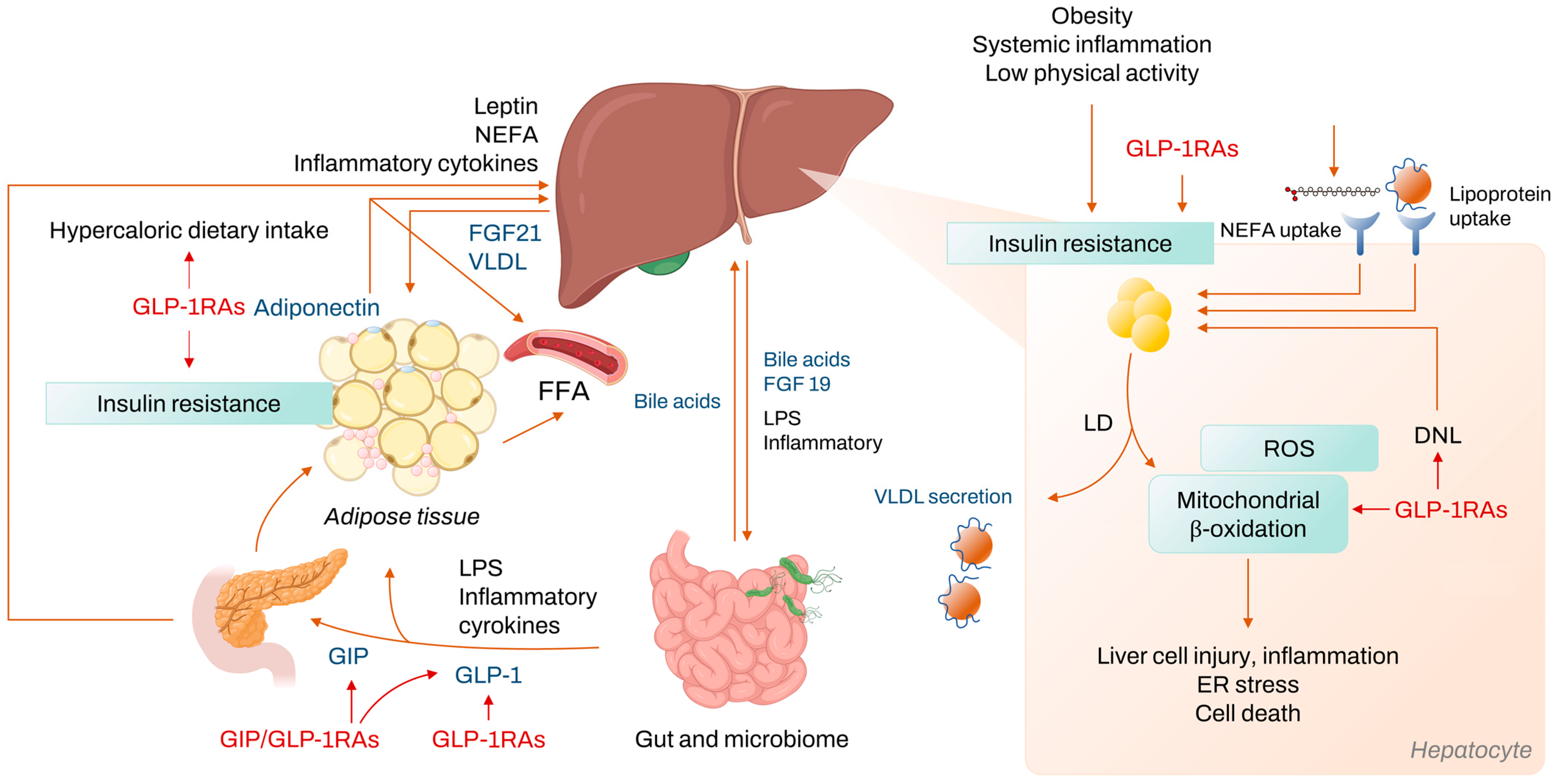
GLP-1RAs are a class of medications used primarily to treat type 2 diabetes and obesity. They work by mimicking the action of the naturally occurring hormone glucagon-like peptide-1 (GLP-1), which is produced in the intestines in response to food intake. GLP-1 plays a crucial role in regulating blood sugar levels, insulin secretion, and appetite. GLP-1RAs have been shown to improve glycemic control, promote weight loss, and reduce the risk of cardiovascular events.

The Potential Link between GLP-1 Agonists and Emotional States
Recent studies have suggested that GLP-1RAs may have a positive impact on emotional states, including reducing symptoms of depression and anxiety. A study published in the Lancet Psychiatry found that patients with depression and anxiety who used GLP-1 medications like Ozempic and Wegovy had a 42% lower risk of worsening mental illness. Another study published in the journal LifeStance Health reported that GLP-1 medications may also enhance mental health by improving mood, reducing cravings, and aiding emotional regulation.