Glucagon-Like Peptide-1 Analogues and Diabetic Retinopathy Prevention: What You Need to Know
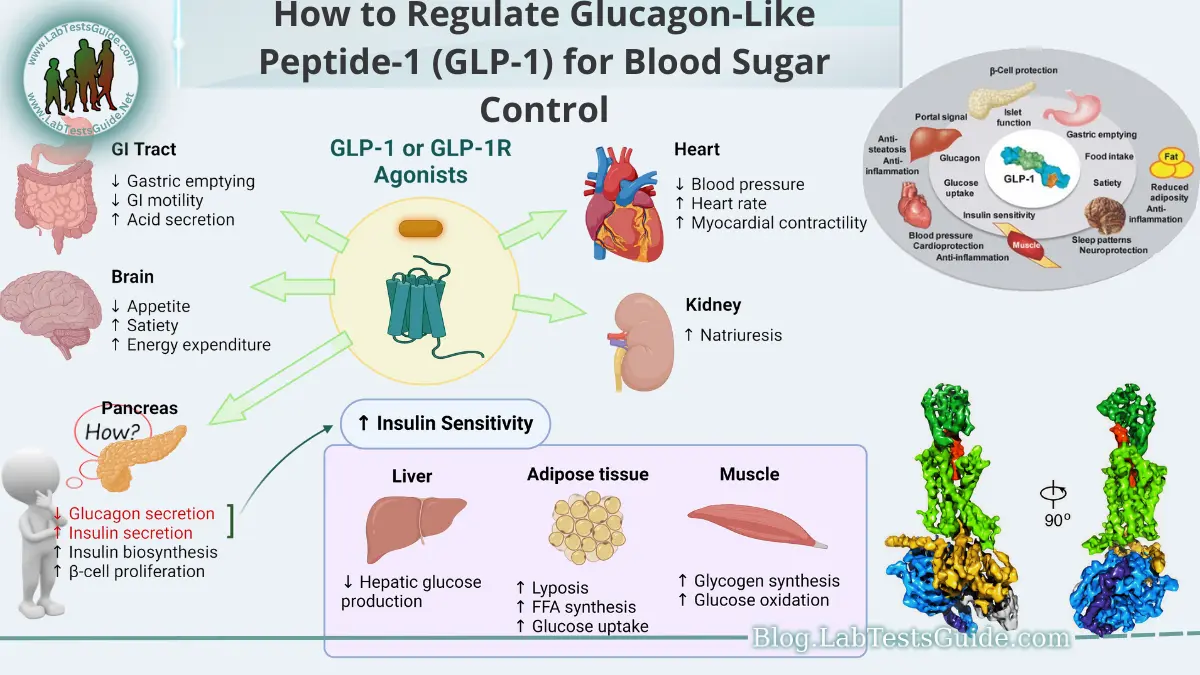
Diabetic retinopathy (DR) is a leading cause of preventable vision loss worldwide, affecting approximately one-third of the diabetic population. Traditional treatments focus on managing the condition's late stages, with early-stage prevention options remaining largely unexplored. In recent years, glucagon-like peptide-1 receptor agonists (GLP-1RAs) has emerged as a revolutionary treatment for type 2 diabetes, promoting significant weight loss and improved glycemic control.
As researchers investigated the relationship between GLP-1RAs and ophthalmic diseases, including DR, an unexpected finding has sparked controversy. Some studies have reported that long-term use of GLP-1RAs may exhibit both protective and harmful effects on DR. Our aim is to provide an in-depth analysis of the current evidence on GLP-1 analogues and DR prevention.
The Impact of GLP-1 Analogues on Diabetic Retinopathy

Several trials have examined the effects of GLP-1 analogues on DR. Notably, a recent study using GLP-1 agonists increased rates of DR were observed in participants randomized to semaglutide compared to placebo. Other studies, however, have shown conflicting results, with neutral or even worsening effects of DR noted in patients taking liraglutide and semaglutide, respectively.
The conflicting findings can be attributed to the varying study designs, patient populations, and durations of treatment. A specific dose-response analysis remains unexplored.
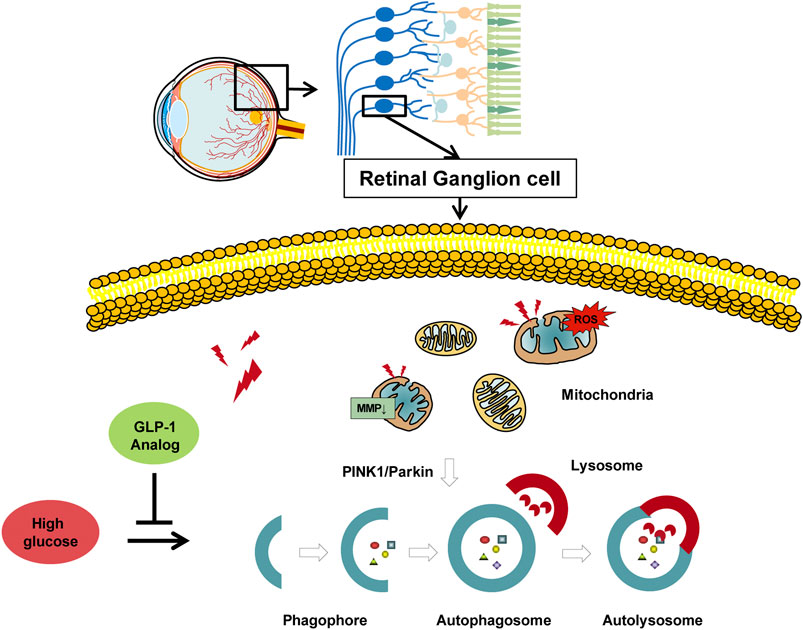

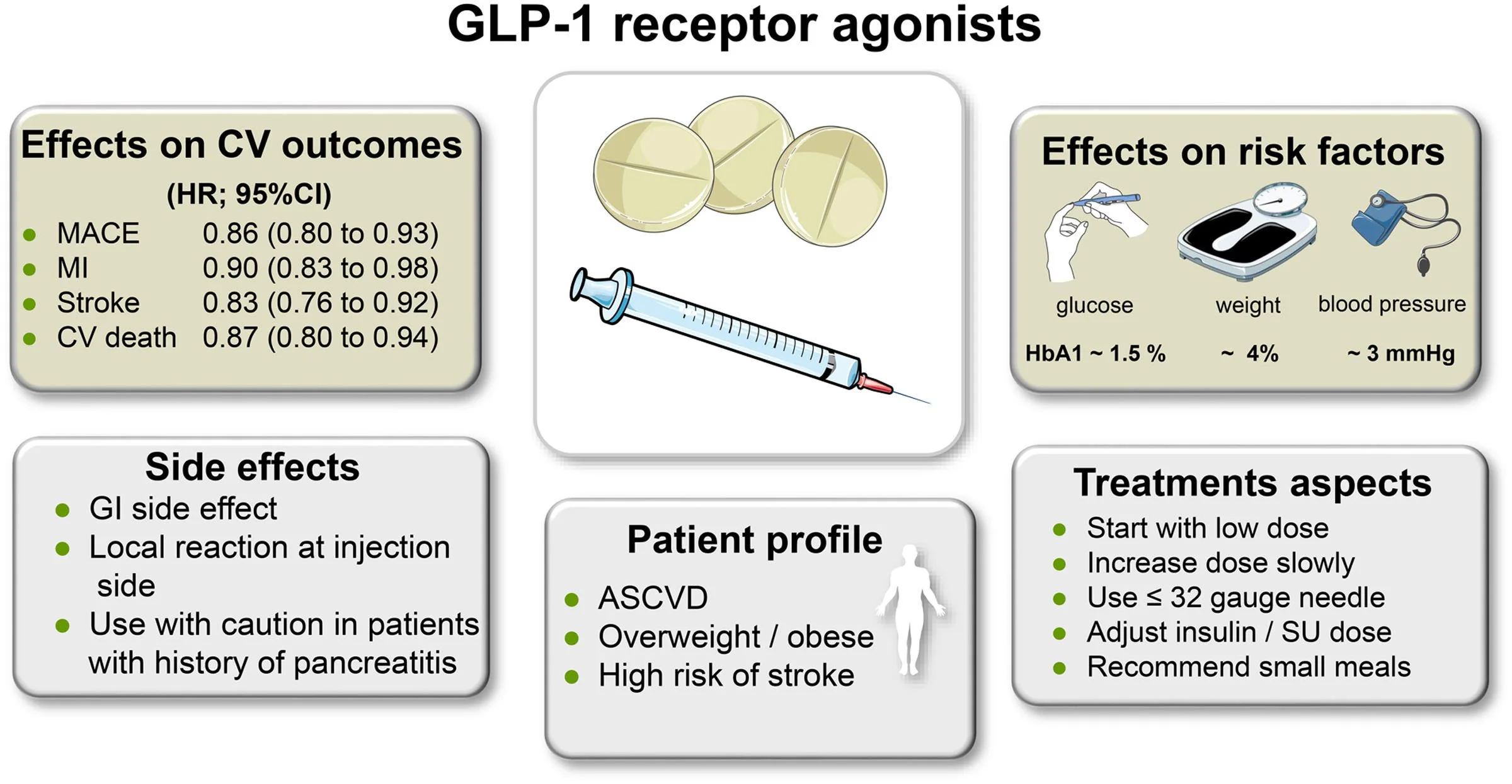
.png "GLP-1 RAs and Ophthalmic Complications in Patients With Type 2 Diabetes")