GLP-1 Analogs and Glycemic Control in Diabetes: A Comprehensive Overview
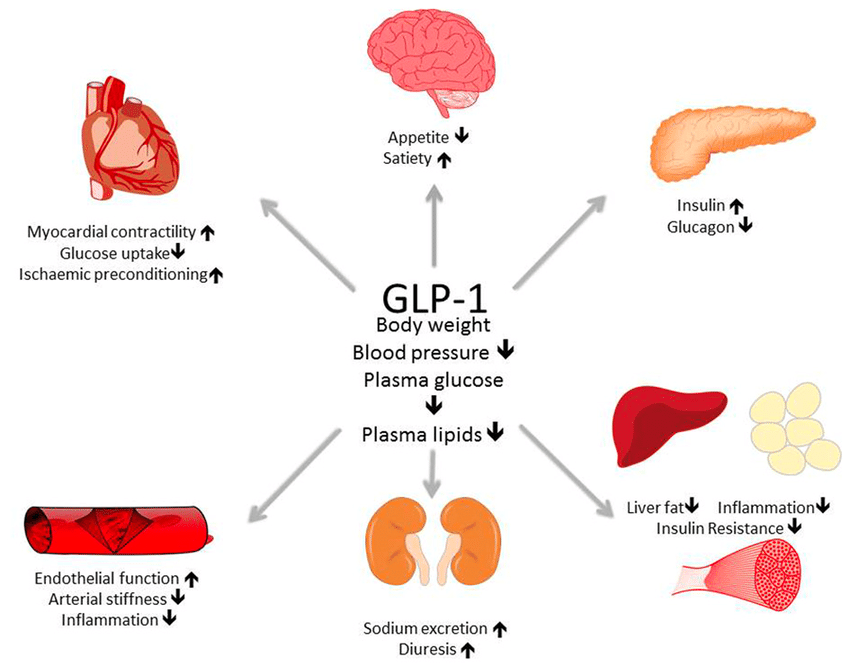
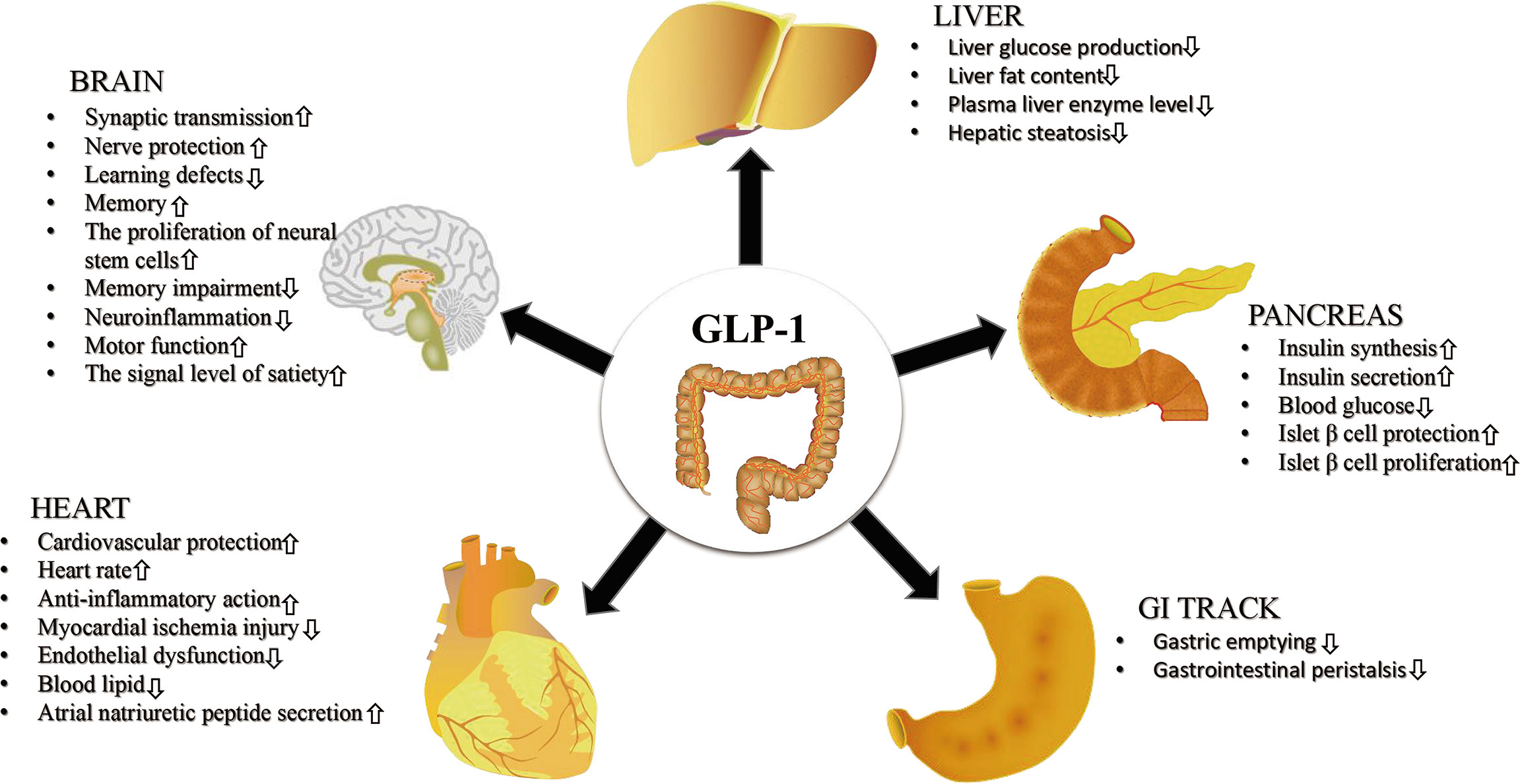
The advent of glucagon-like peptide-1 (GLP-1) agonists has revolutionized the management of type 2 diabetes and related metabolic disorders. These innovative therapies not only improve glycemic control by increasing insulin secretion and decreasing glucagon levels, but also provide additional benefits such as weight loss and cardiovascular protection.
What are GLP-1 Analogs?
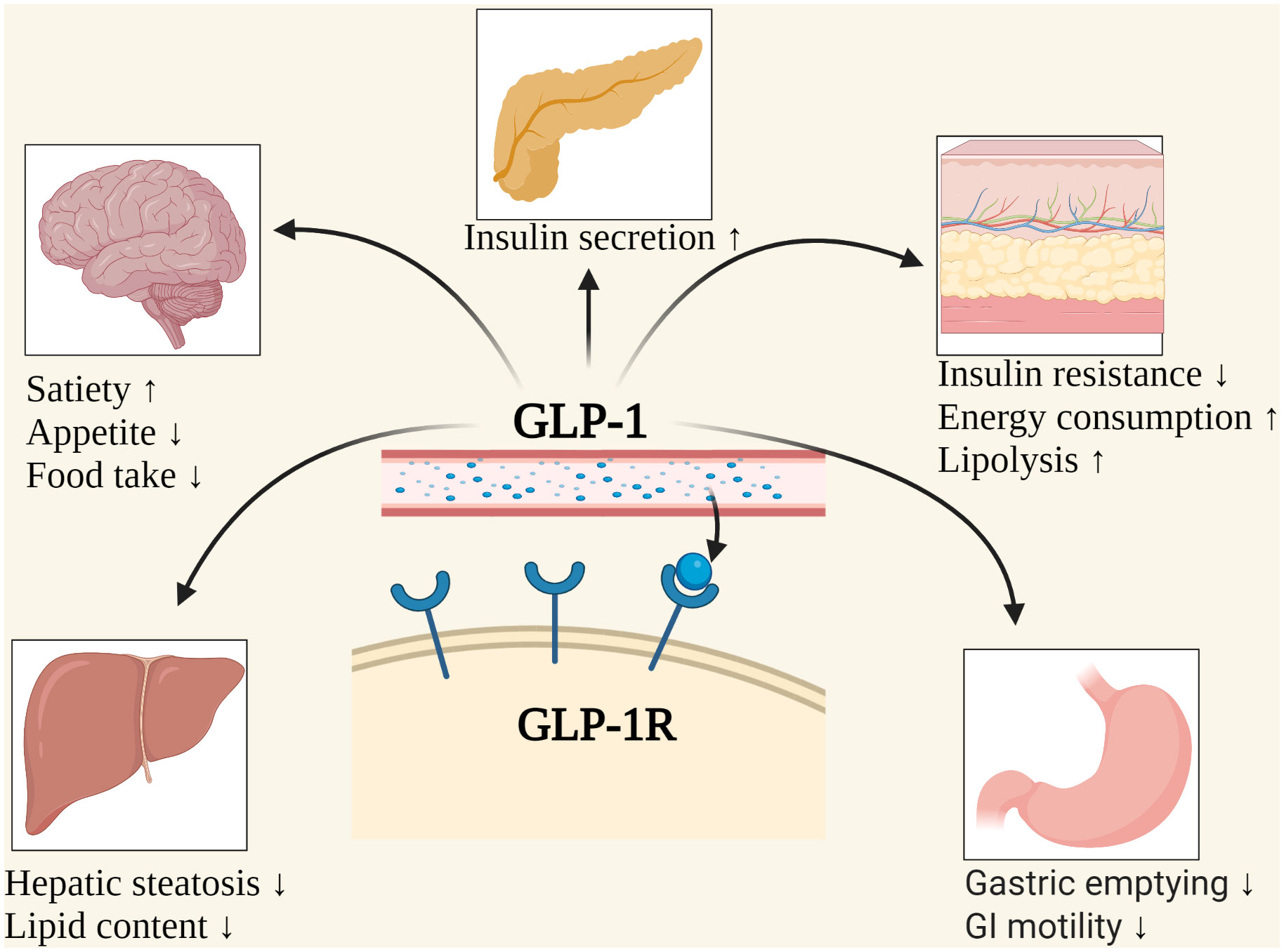
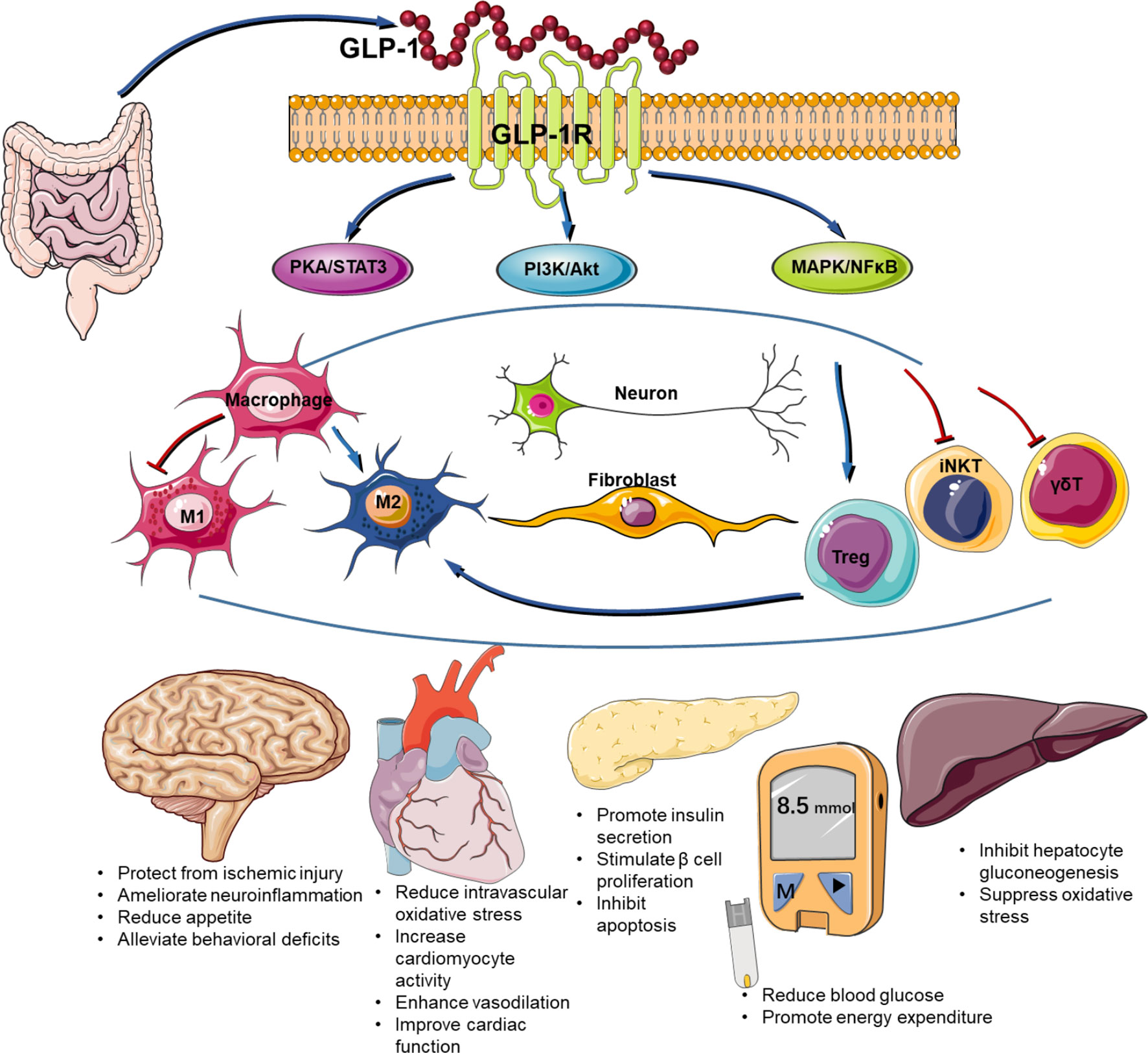
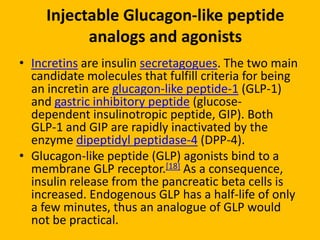
GLP-1 analogs are synthetic molecules that mimic the action of the naturally occurring GLP-1 hormone, which is released by the intestinal L-cells in response to food intake. GLP-1 analogs work by binding to the GLP-1 receptor, stimulating insulin secretion, and suppressing glucagon release, thereby lowering blood glucose levels.
How Do GLP-1 Analogs Improve Glycemic Control?

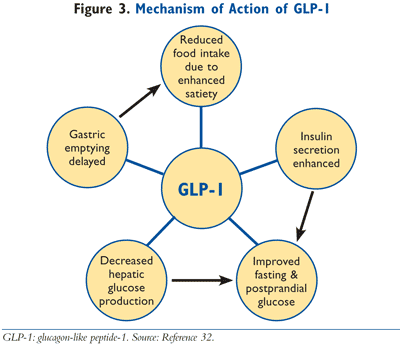
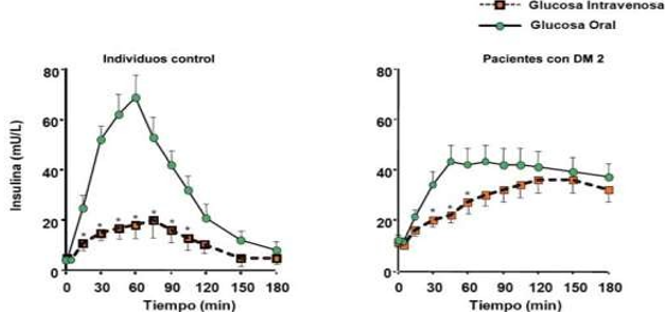
- Increase insulin secretion: GLP-1 analogs stimulate insulin secretion from the pancreas, leading to increased glucose uptake by the cells.
- Suppress glucagon release: GLP-1 analogs lower glucagon levels, which reduces glucose production in the liver.
- Slow gastric emptying: GLP-1 analogs delay gastric emptying, reducing the rate at which glucose enters the bloodstream.
- Enhance satiety: GLP-1 analogs promote feelings of fullness, reducing hunger and appetite.
Benefits of GLP-1 Analogs in Diabetes Management
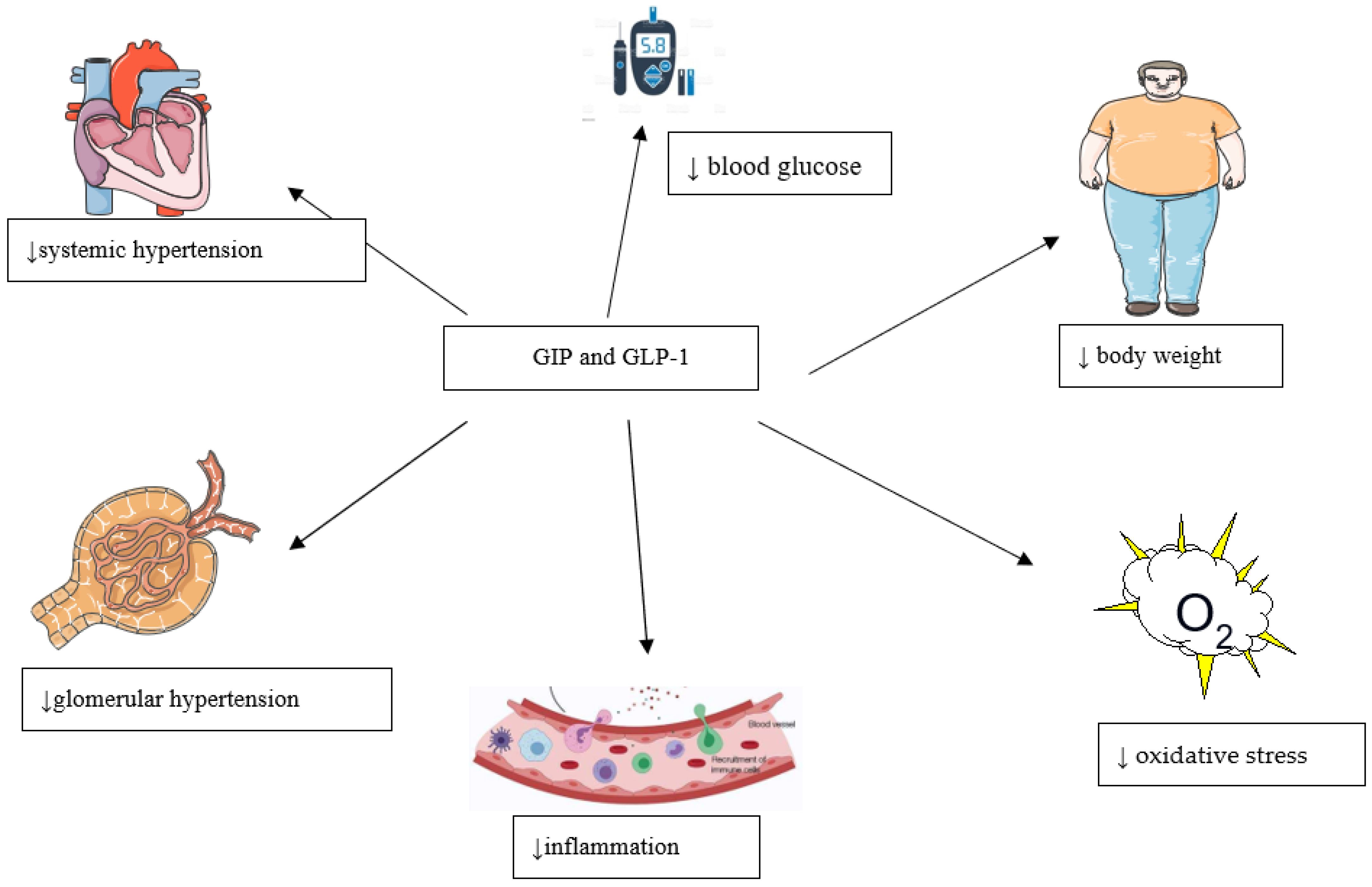
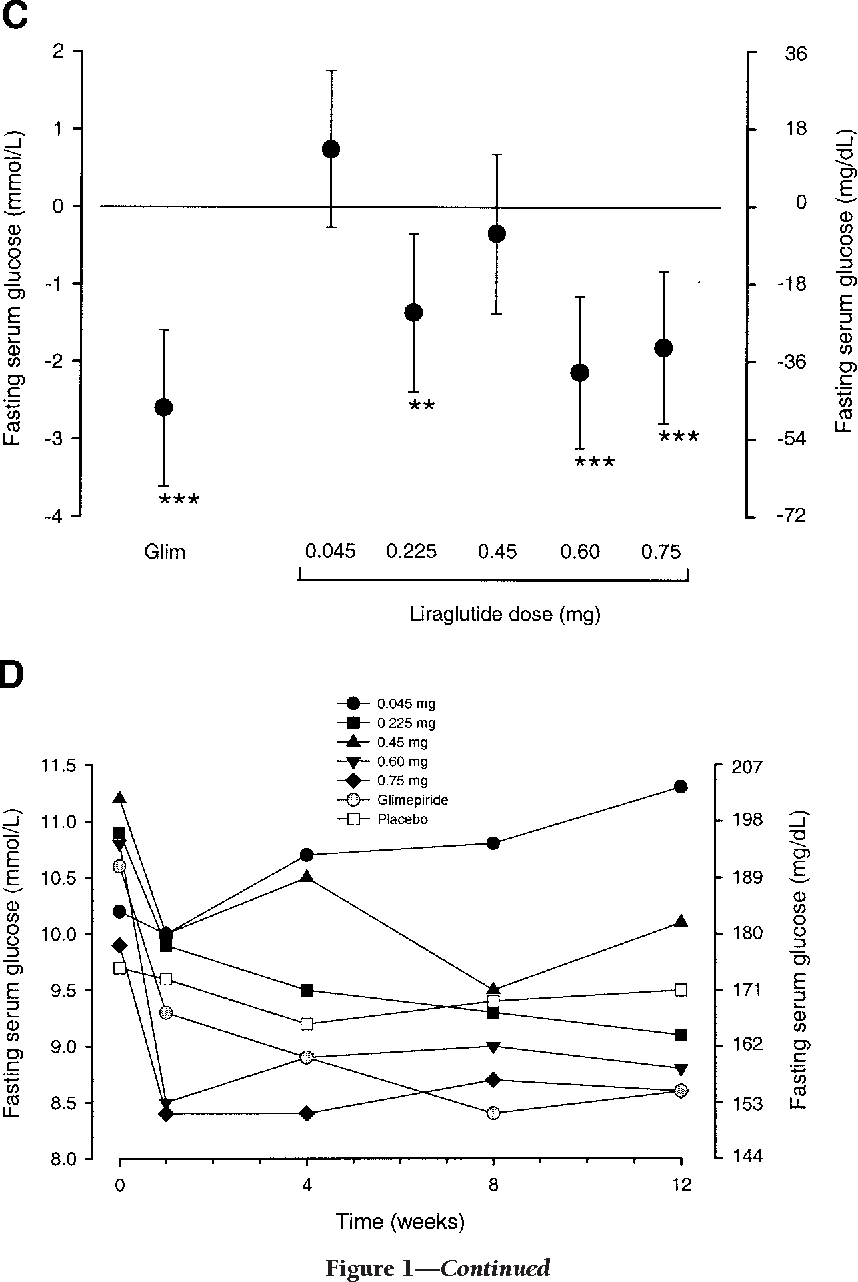
- Improved glycemic control: GLP-1 analogs have been shown to significantly reduce HbA1c levels in patients with type 2 diabetes.
- Weight loss: many GLP-1 analogs are associated with weight loss, particularly in patients with obesity.
- Cardiovascular protection: GLP-1 analogs have been shown to reduce the risk of major adverse cardiovascular events.
- Renal protection: GLP-1 analogs have also been shown to reduce the risk of renal events, such as kidney failure.

.png "Next generation dual GLP-1/GIP, GLP-1/glucagon, and triple GLP-1/GIP ...")