Understanding GLP-1 and Caloric Intake: A Comprehensive Guide
GLP-1 (Glucagon-Like Peptide-1) receptor agonists are a type of medication used to treat obesity and type 2 diabetes. These medications work by suppressing appetite and reducing caloric intake, leading to significant weight loss in many individuals. However, with this reduction in caloric intake comes a risk of malnutrition and micronutrient deficiencies. In this article, we will explore the relationship between GLP-1 and caloric intake, highlighting the importance of nutritional planning and dietary adjustments while on GLP-1 therapy.
Navigating GLP-1 and Caloric Intake: Tips and Strategies
- Listen to your body**: Pay attention to your hunger and fullness cues, and adjust your caloric intake accordingly.
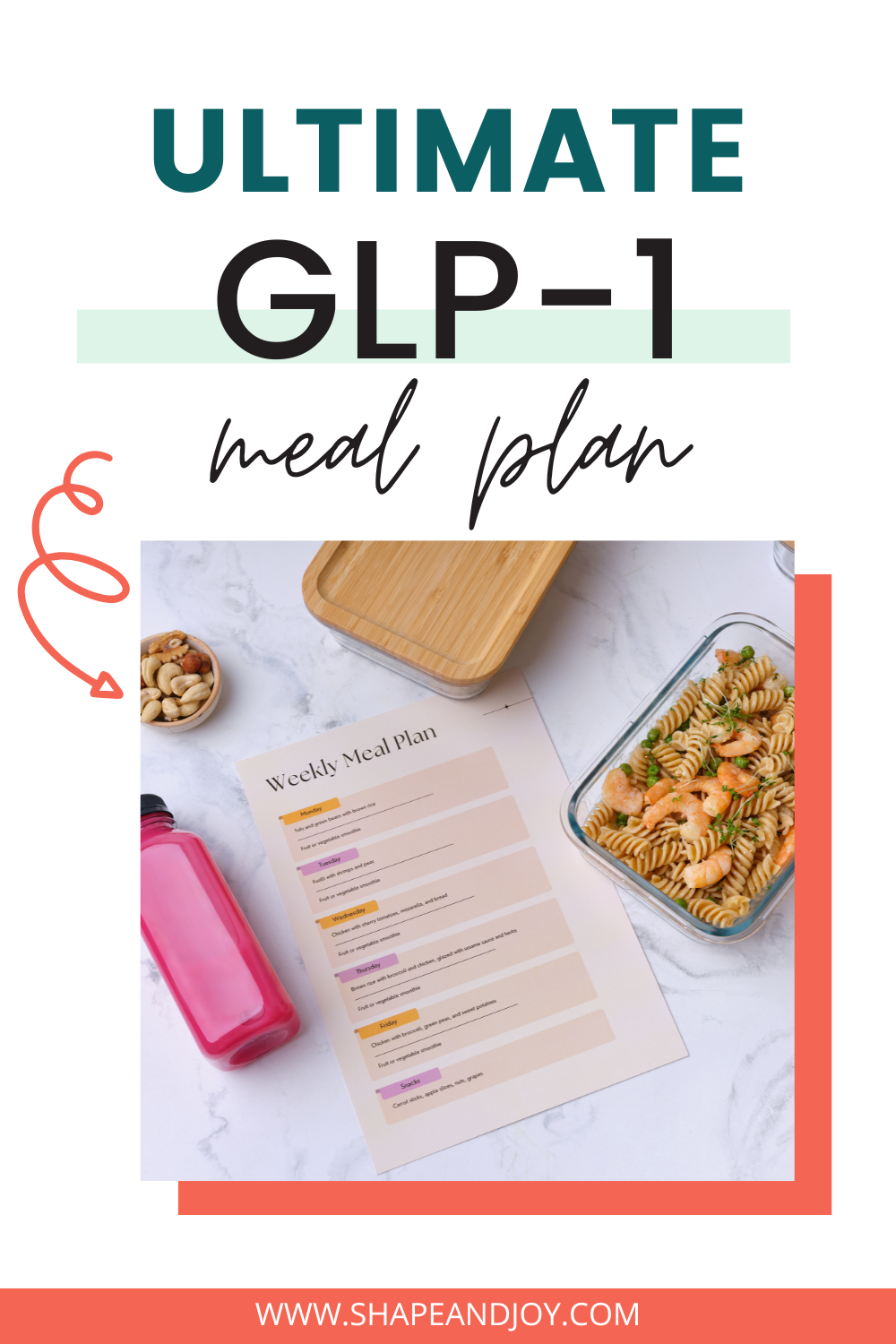
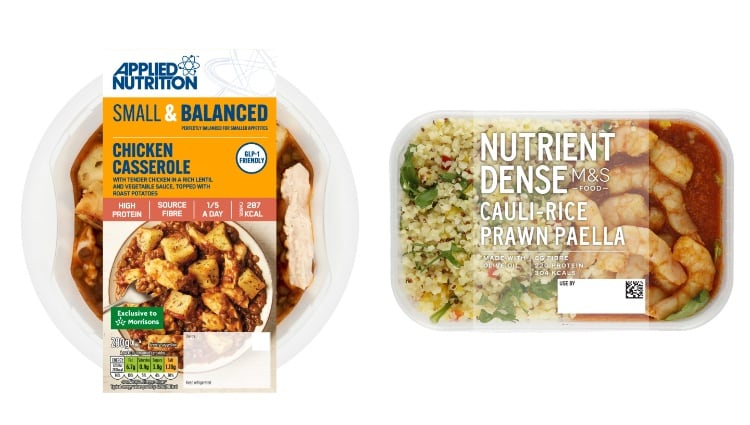
- Eat balanced meals**: Focus on whole, nutrient-dense foods, including protein, healthy fats, and complex carbohydrates.
- Portion control**: Be mindful of serving sizes and adjust your portions based on your individual needs.
- Track your caloric intake**: Monitoring your daily caloric intake can help you stay aware of your minimum calorie needs.

The Science Behind GLP-1 and Caloric Intake
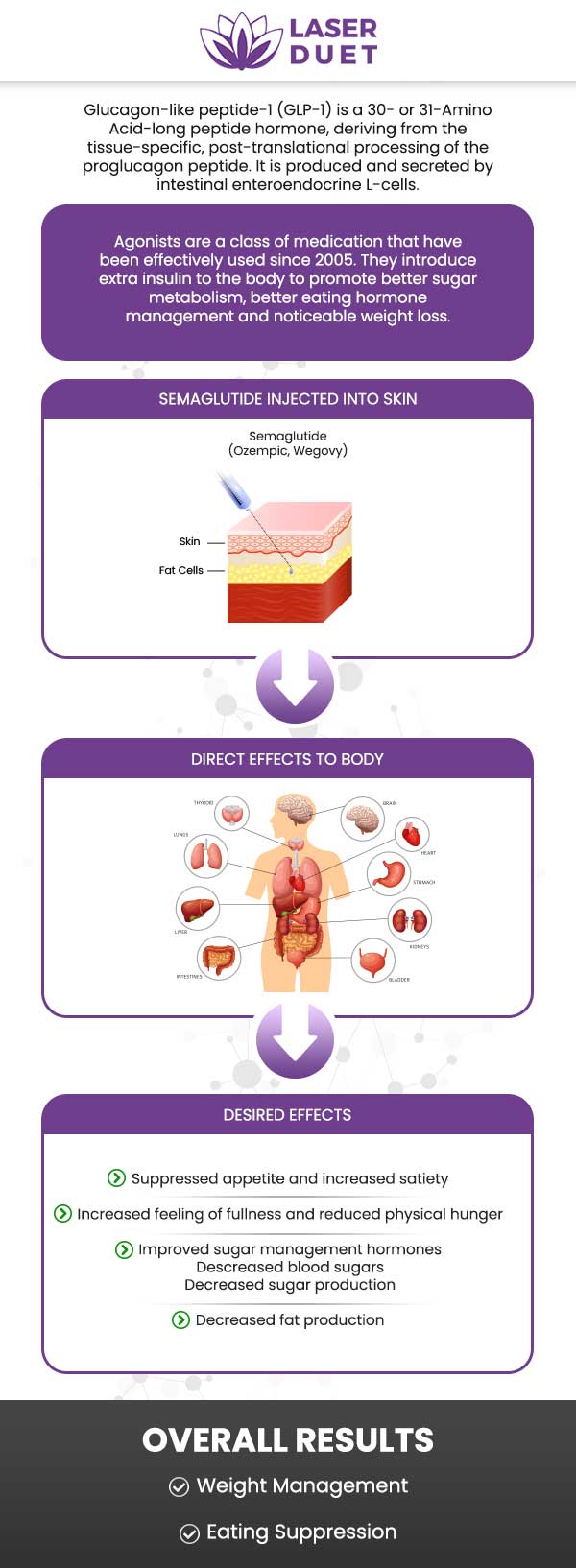
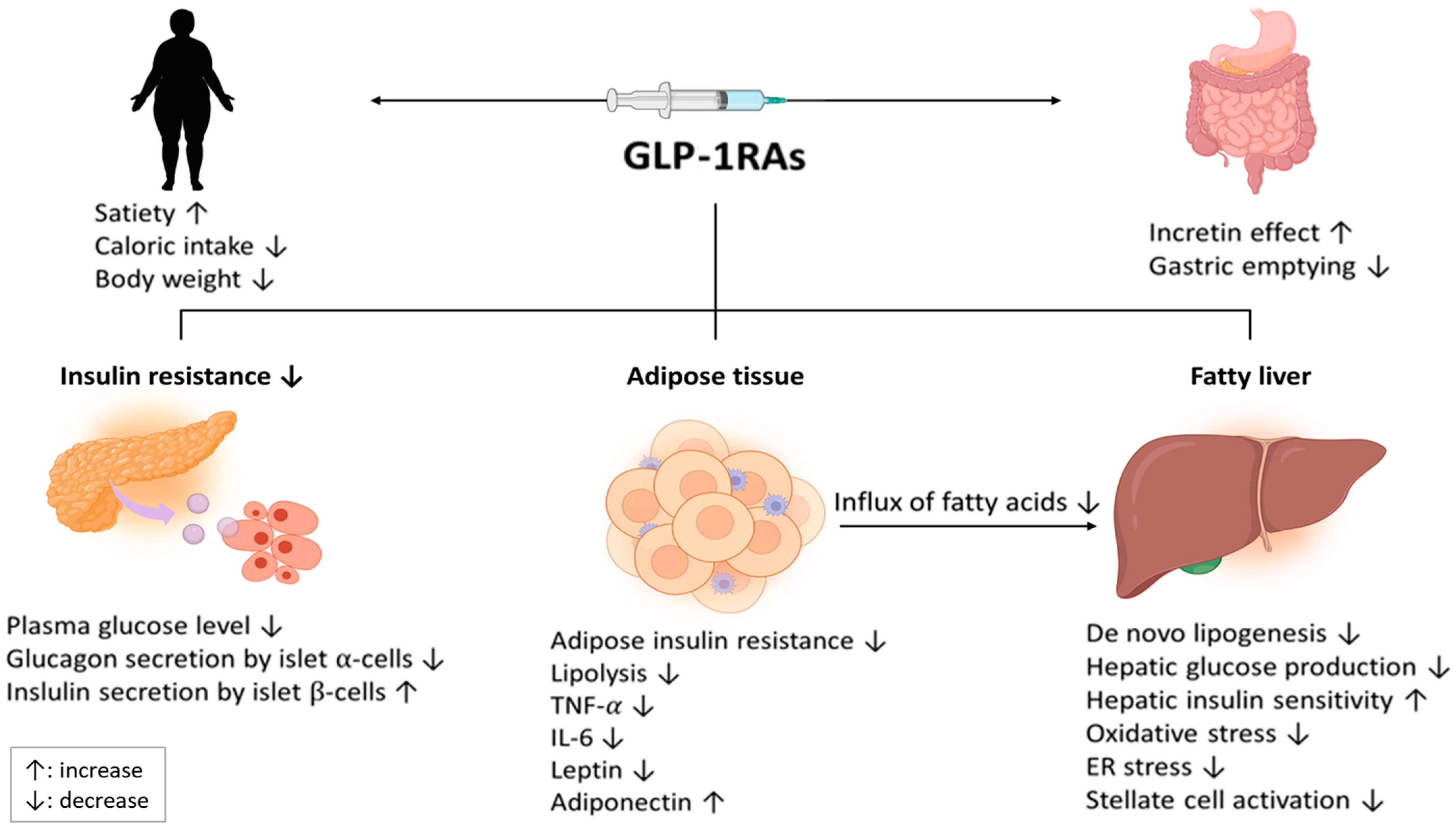
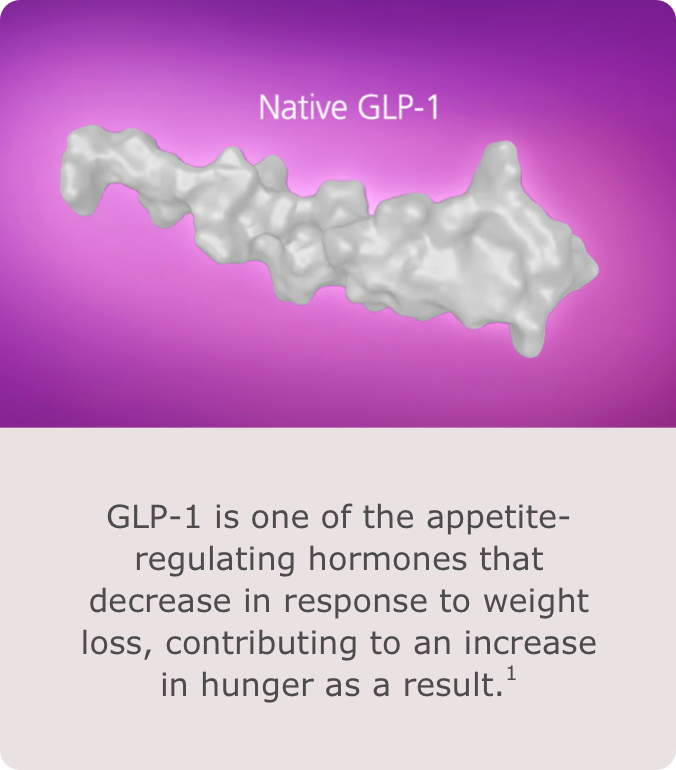
GLP-1 agonists, such as Ozempic (semaglutide) and Wegovy (semaglutide), work by mimicking the action of the GLP-1 hormone, which is naturally produced by the intestines. GLP-1 helps regulate blood sugar levels and suppress appetite, leading to a reduction in caloric intake. Research has shown that GLP-1 therapy can result in a 30-40% reduction in caloric intake, which can lead to significant weight loss.