GLP-1 and Ketosis During Extended Fasting: Understanding the Link
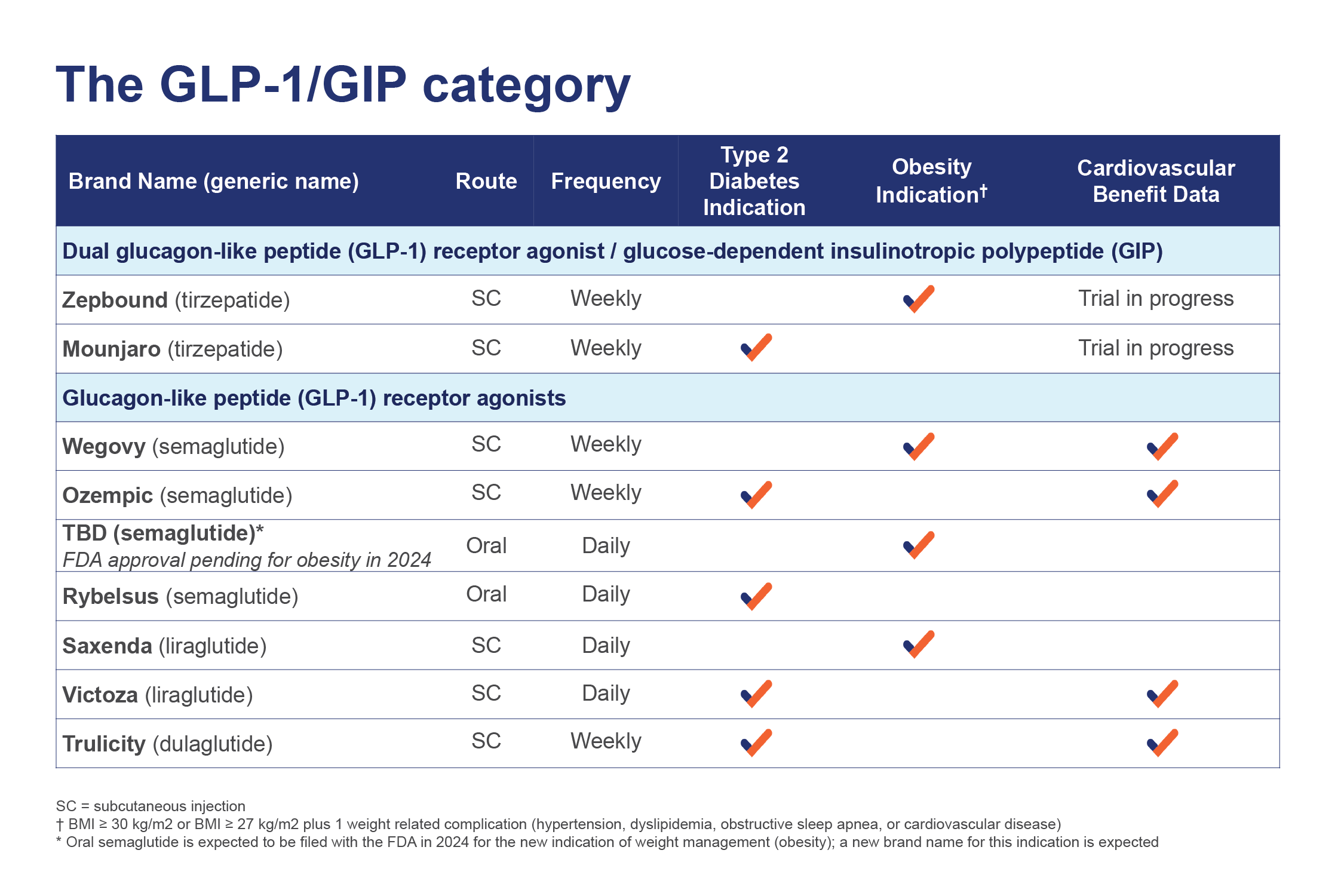
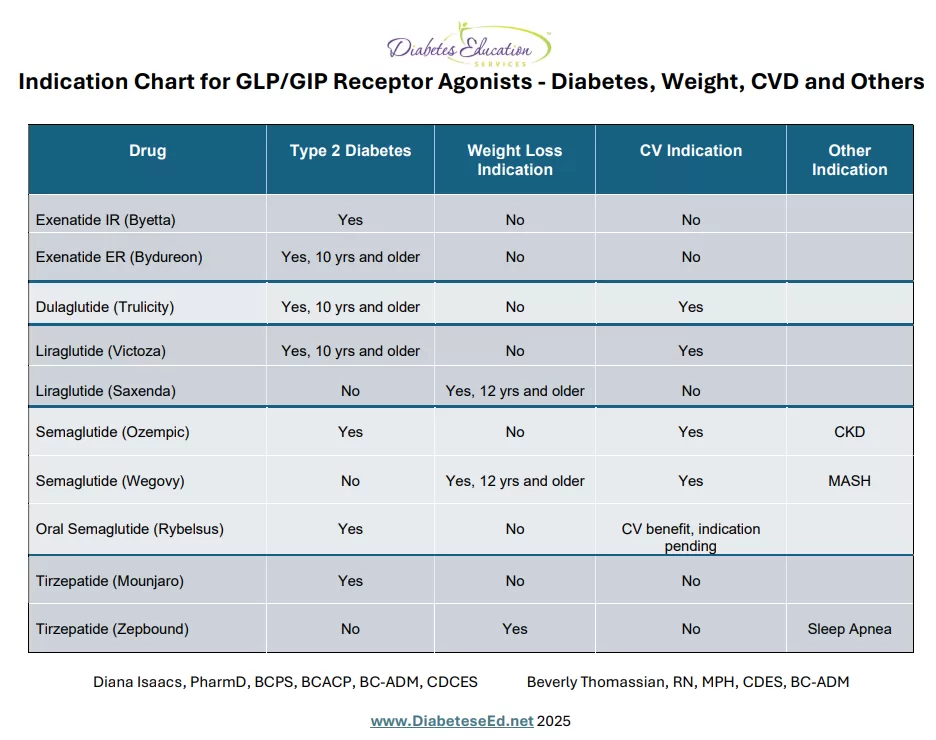
In recent years, the benefits of fasting and GLP-1 (Glucagon-like peptide-1) medications have gained significant attention for their potential to promote weight loss and improve metabolic health. However, little is known about the relationship between GLP-1 and ketosis during extended fasting. In this article, we will delve into the world of fasting, ketosis, and GLP-1 to understand the intricacies of this fascinating topic.
The Role of GLP-1
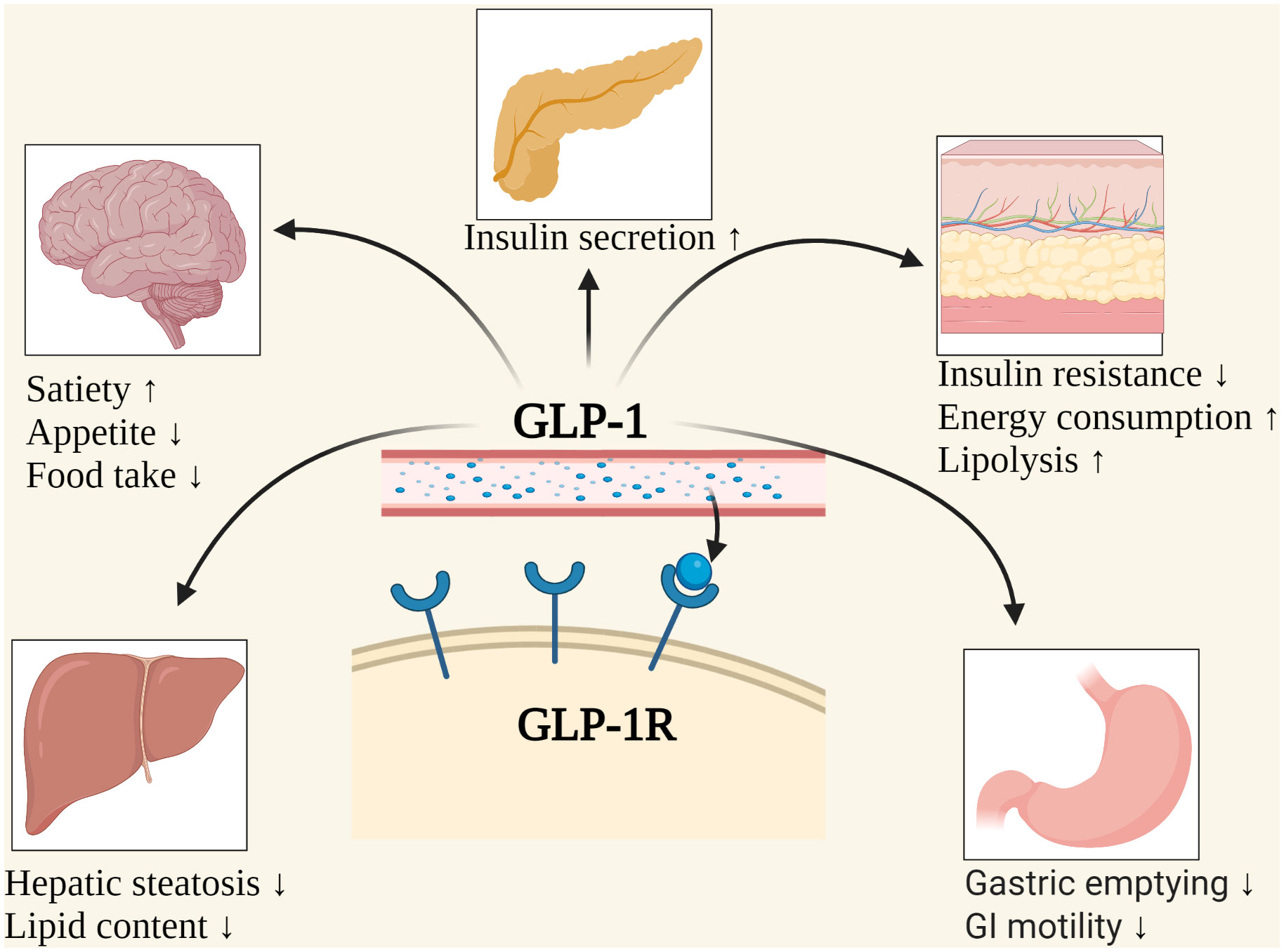
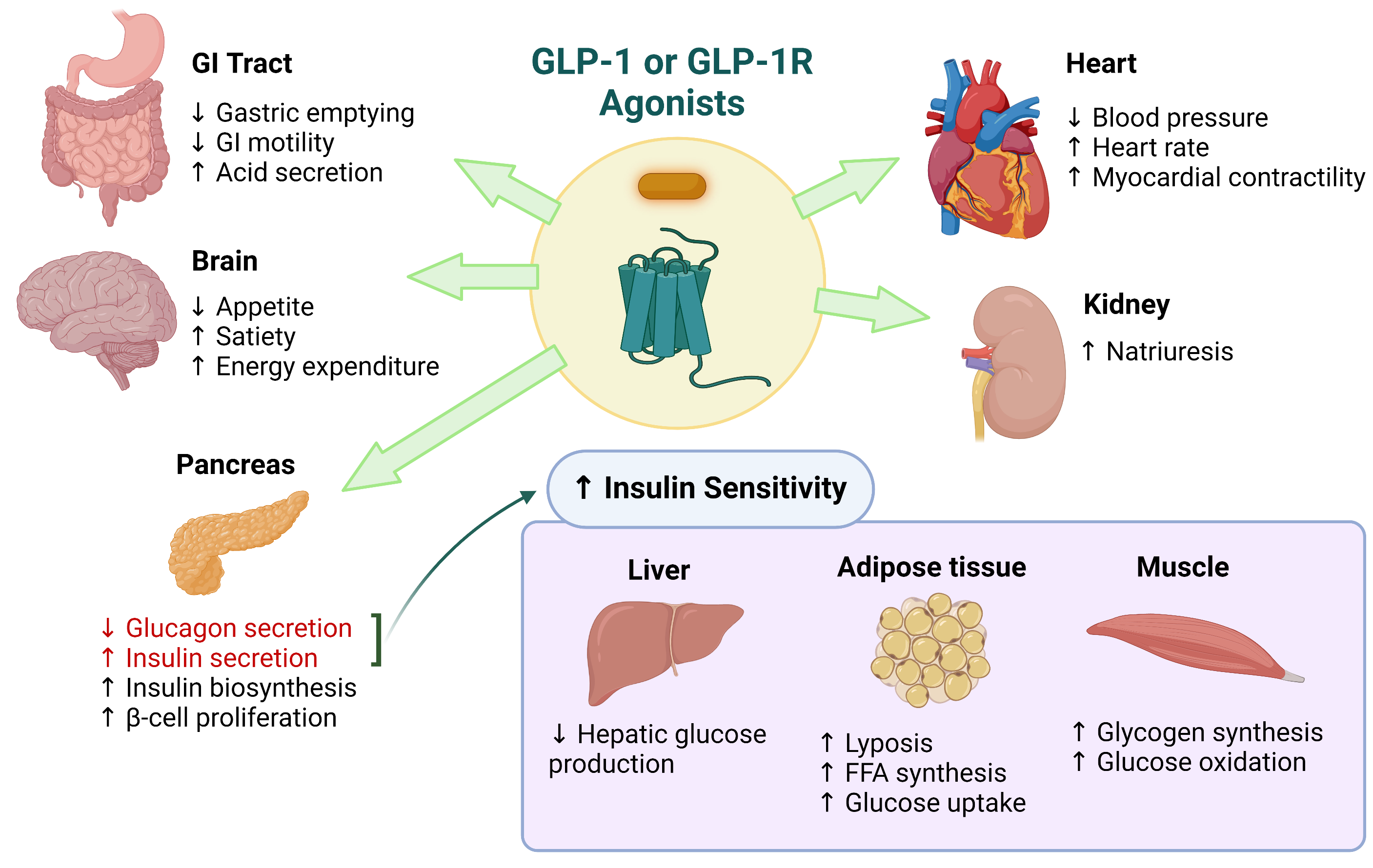
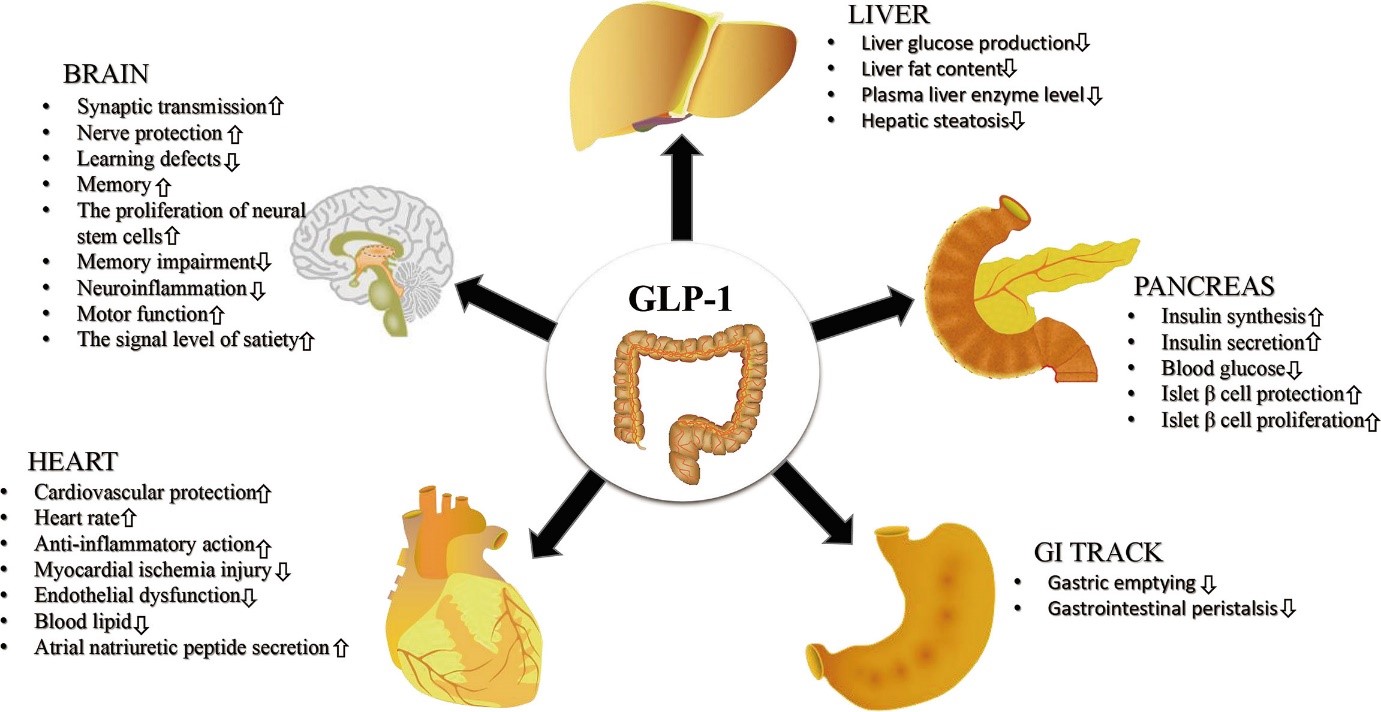
GLP-1 is a hormone that plays a crucial role in glucose metabolism. It is secreted by L-cells in the intestine in response to food intake and triggers the release of insulin, making food intake more beneficial for glucose regulation. GLP-1 also slows gastric emptying, promoting a feeling of fullness and reducing hunger. In individuals with obesity or type 2 diabetes, GLP-1 secretion may be lower, making it challenging to manage blood sugar levels.
The Connection Between GLP-1 and Ketosis
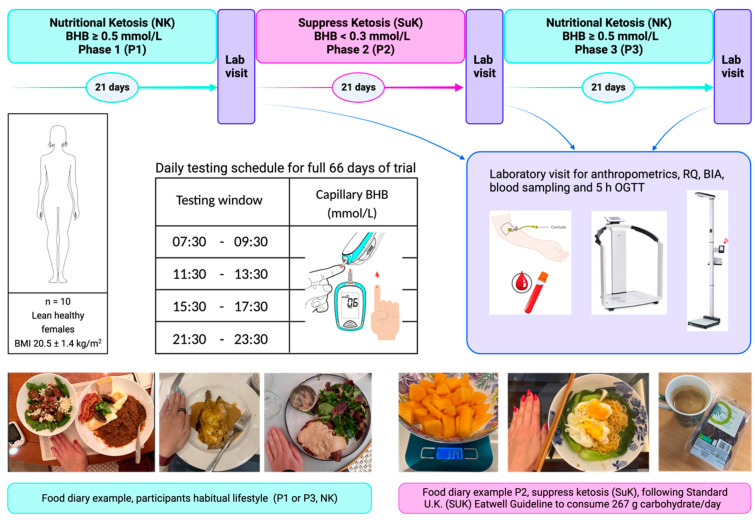
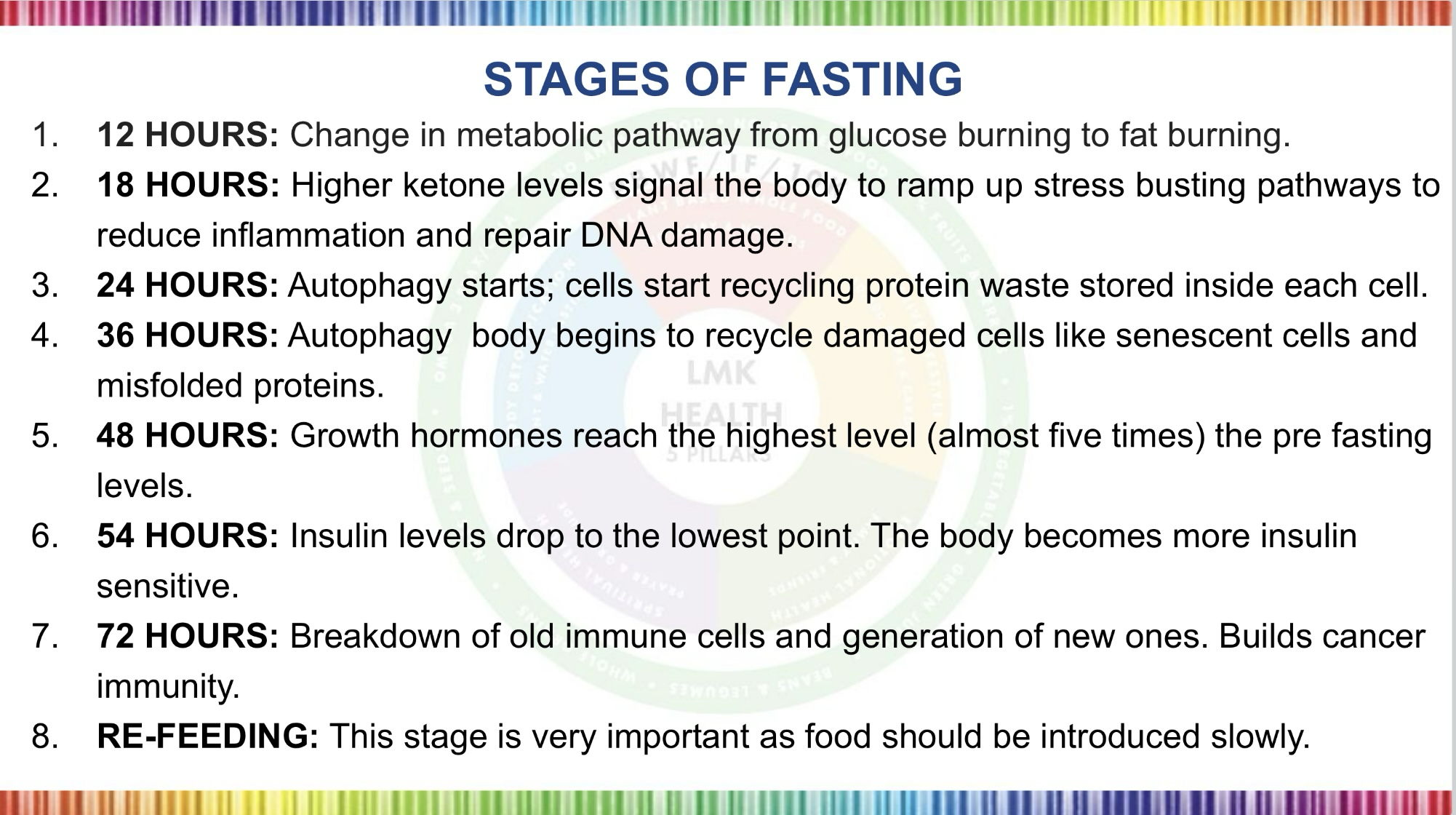
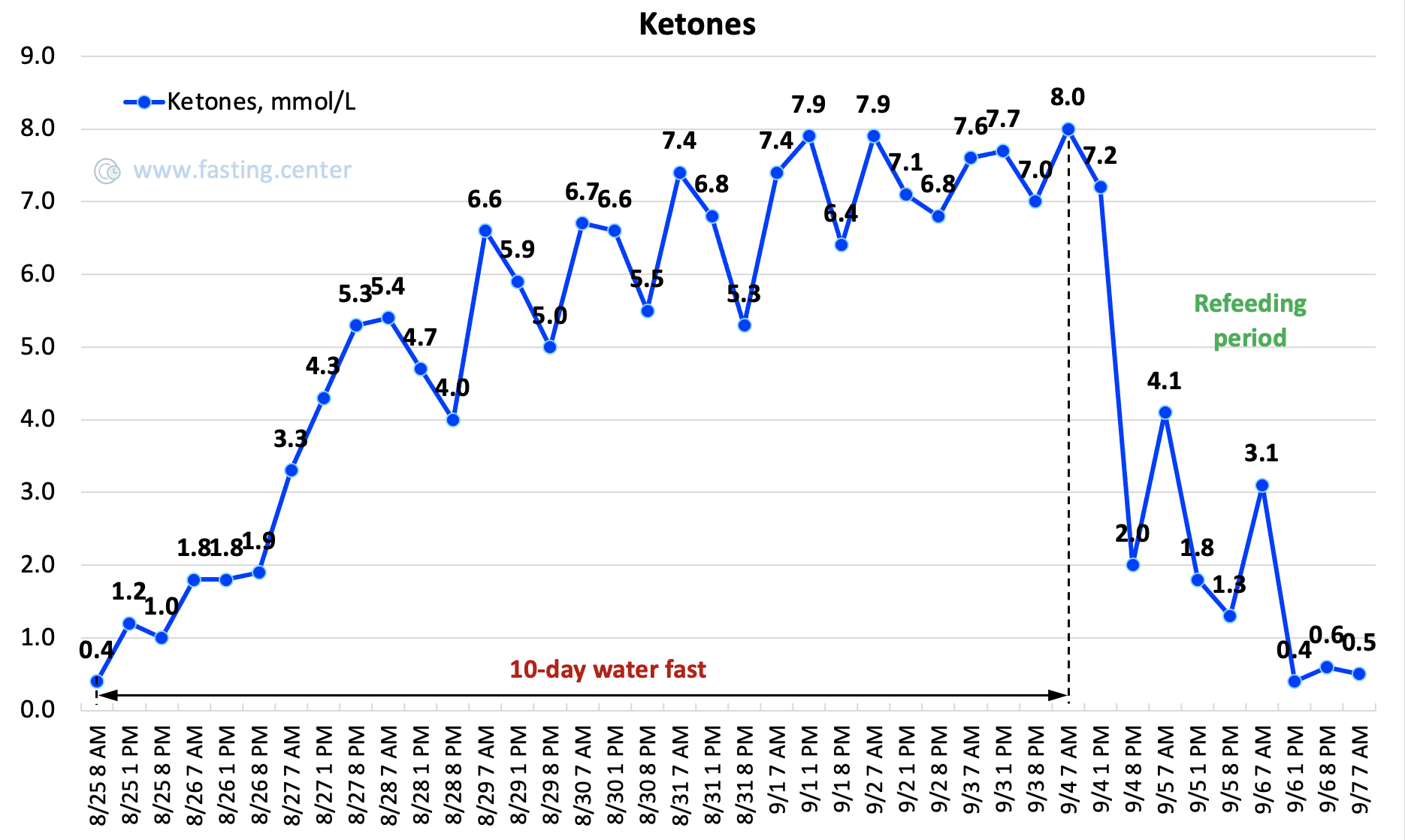
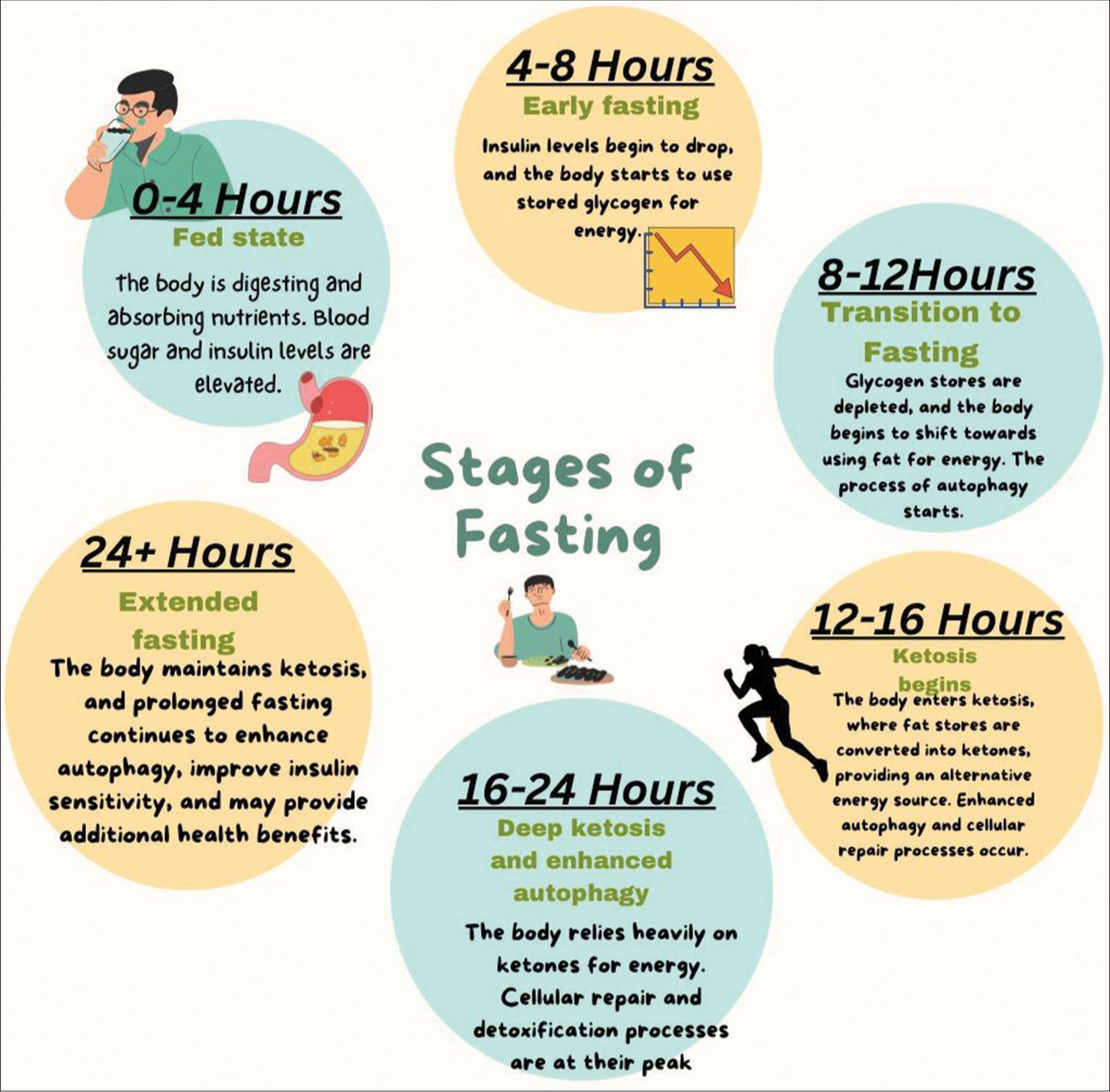
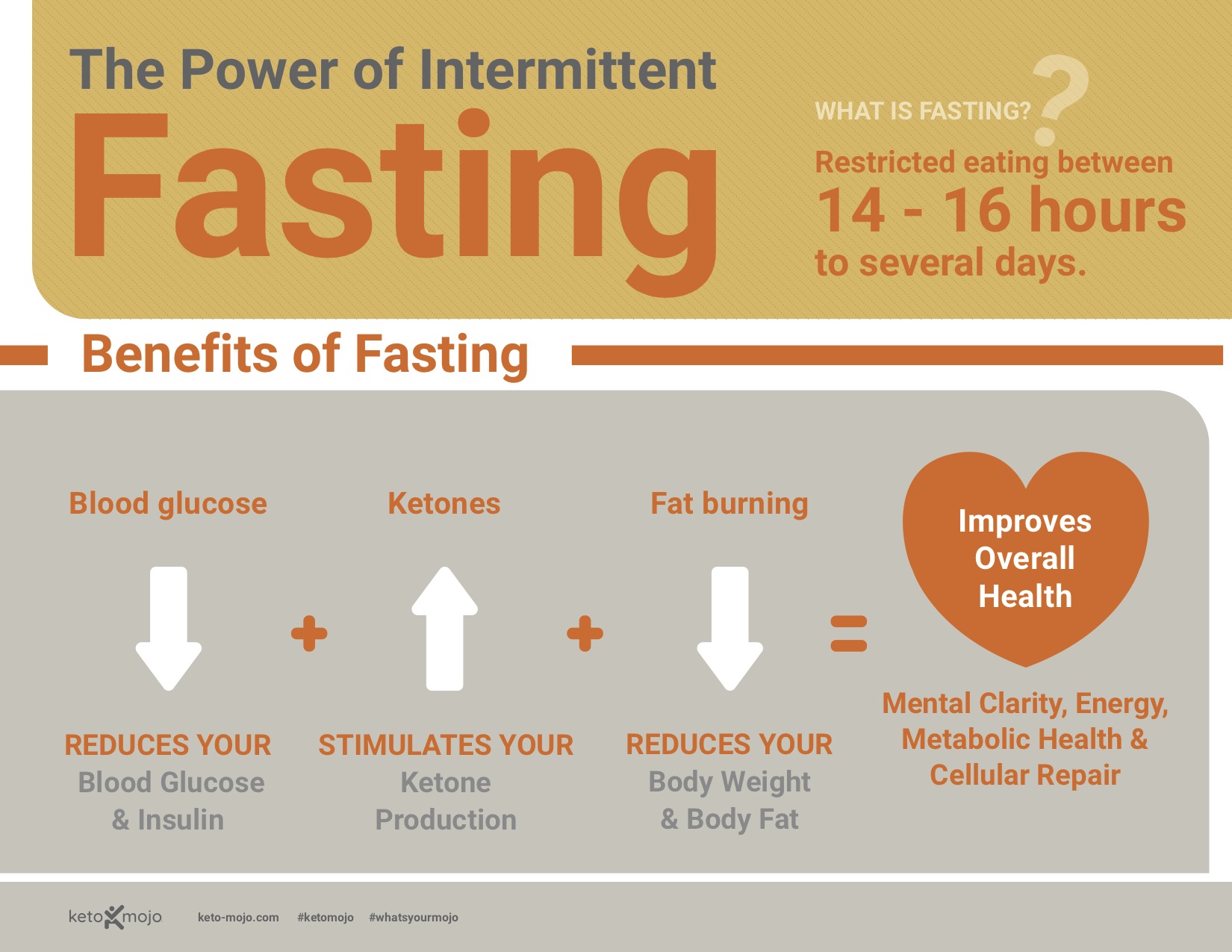
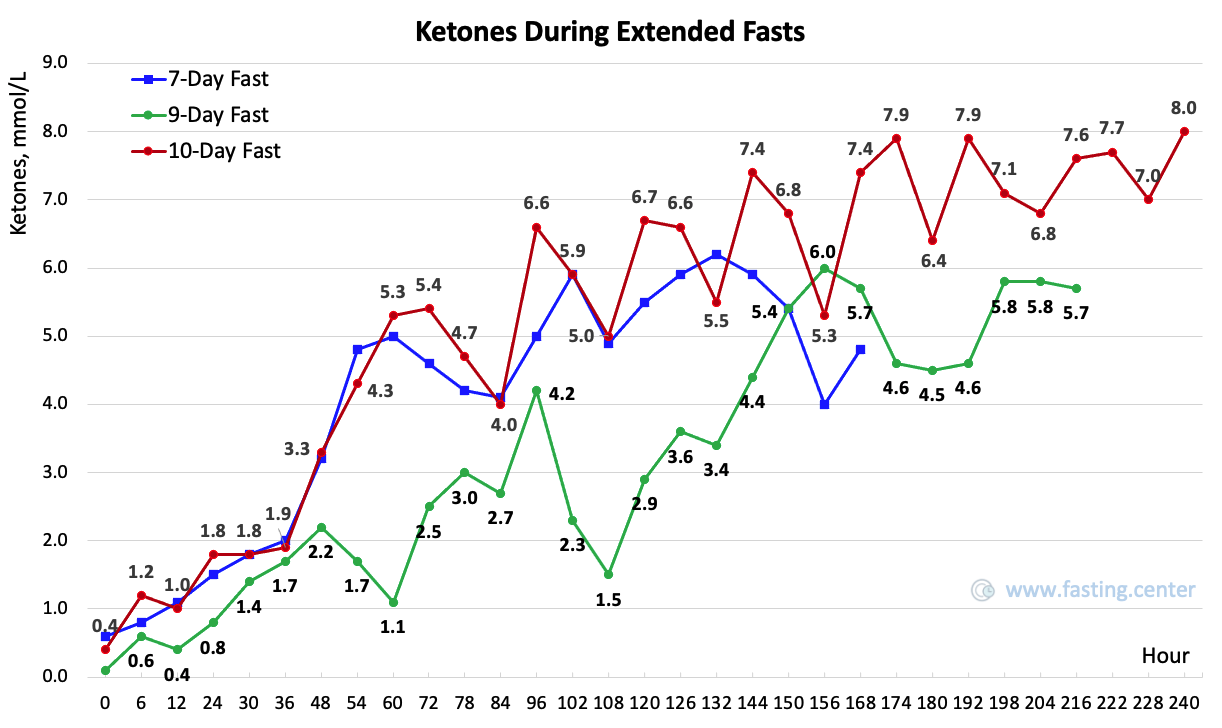
During fasting, the body undergoes a series of physiological changes, including the breakdown of stored fat into fatty acids and the production of ketones. Ketones are an alternative source of energy for the brain and other organs. Research suggests that GLP-1 may play a role in regulating ketone production during fasting. A study published in the International Journal of Obesity found that individuals on GLP-1 medications experienced increased ketone production during fasting.