GLP-1 and Cortisol Hormone Balance: Unraveling the Connection
The emergence of GLP-1 medications, such as Ozempic, Wegovy, Mounjaro, and Zepbound, has revolutionized the management of type 2 diabetes and obesity. While their efficacy in glucose control and weight reduction is well-documented, another crucial aspect warrants attention - the relationship between GLP-1 and cortisol, the stress hormone.
Cortisol, often referred to as the "stress hormone," plays a significant role in regulating metabolism, energy balance, and weight distribution. Elevated cortisol levels can contribute to weight gain, particularly around the abdominal area, and disrupt blood sugar stabilization. In this article, we will delve into the connection between GLP-1 receptor agonists and cortisol, and explore the implications for hormonal balance and weight management.
Glucagon-like Peptide-1 (GLP-1): A Brief Overview
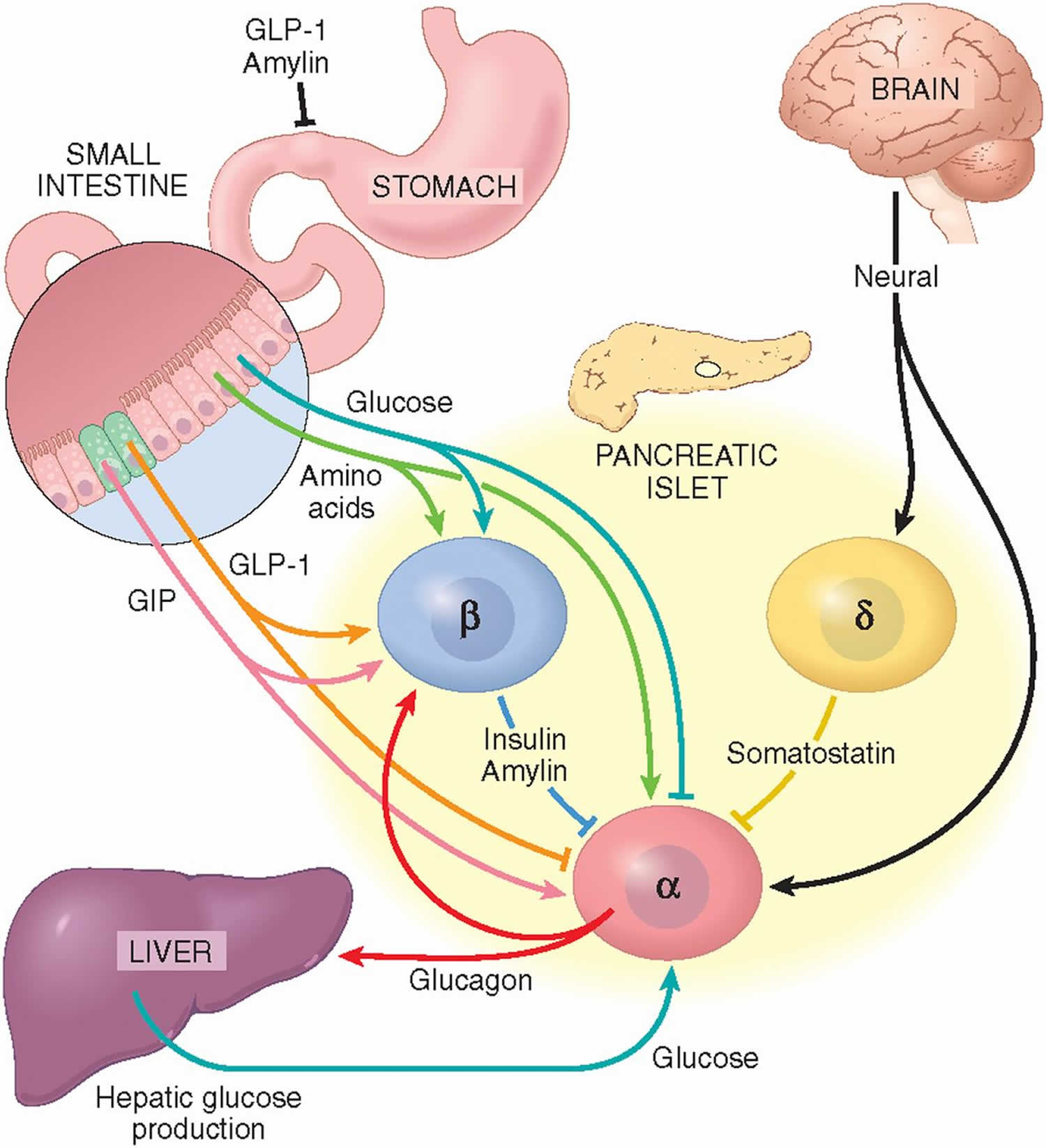
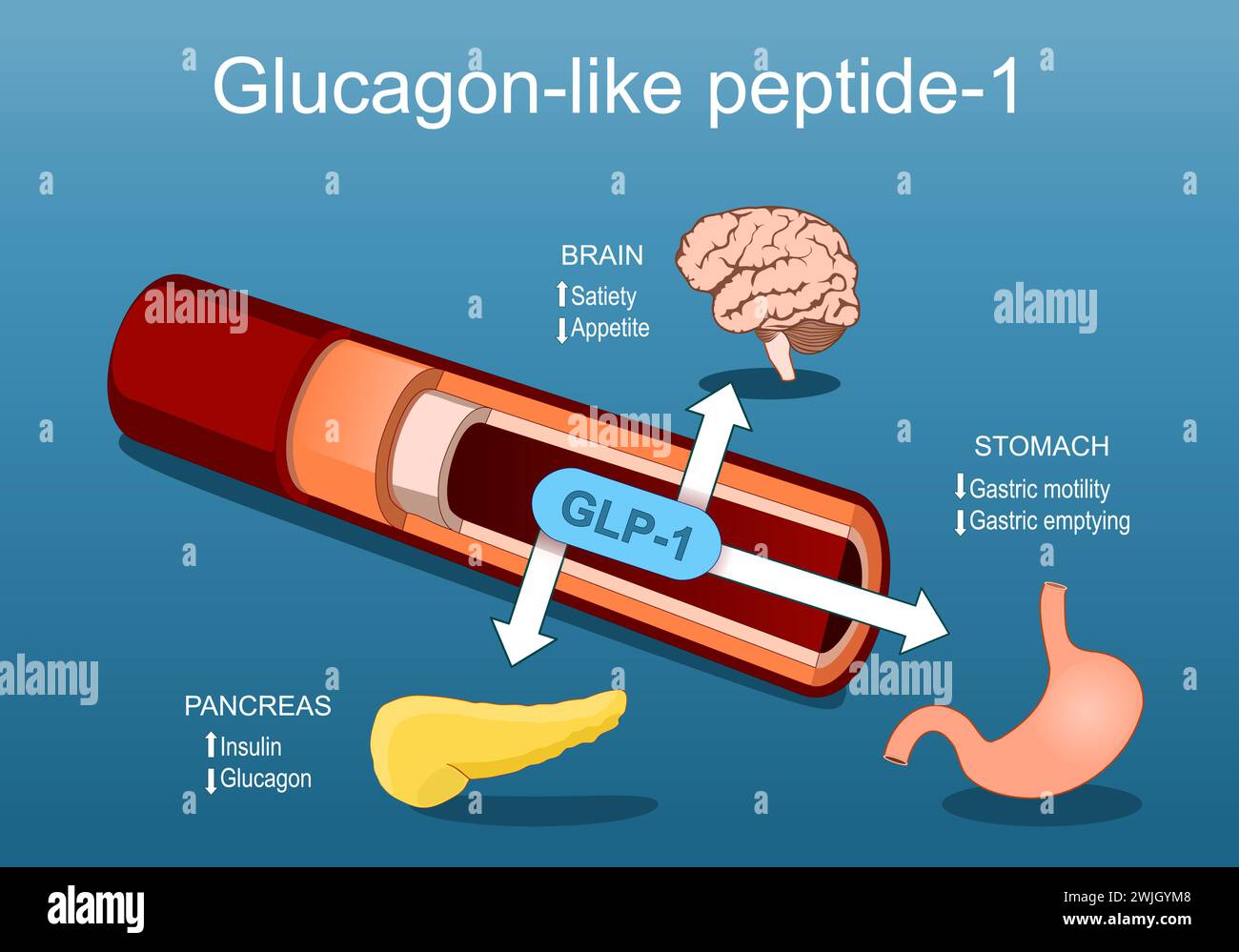
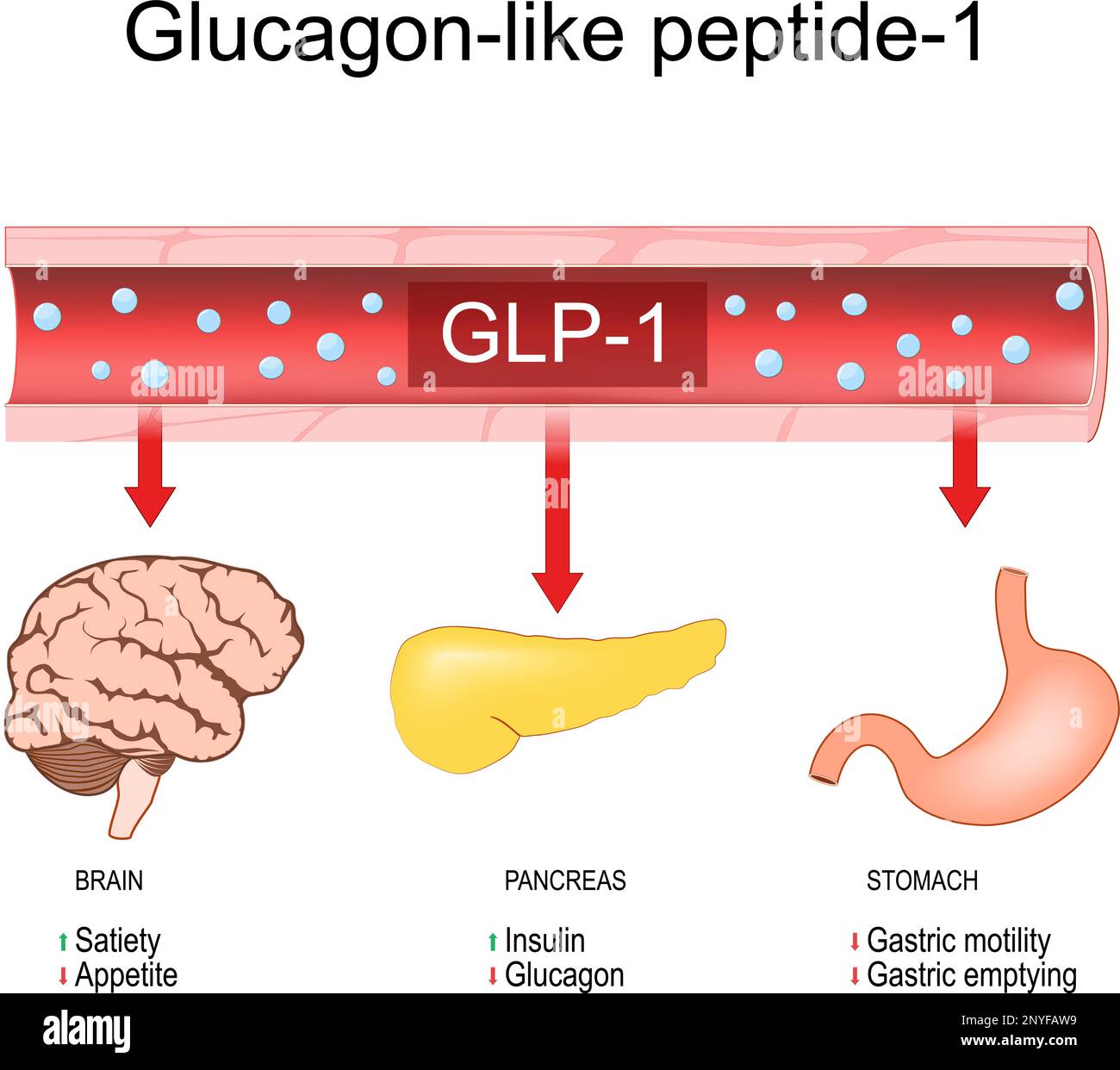
GLP-1 stands for glucagon-like peptide-1, a hormone naturally produced in the body. This hormone plays a pivotal role in regulating blood sugar levels by facilitating the release of insulin, the hormone responsible for lowering blood sugar. GLP-1 secretion is triggered by food intake and helps control appetite, digestion, and insulin regulation.
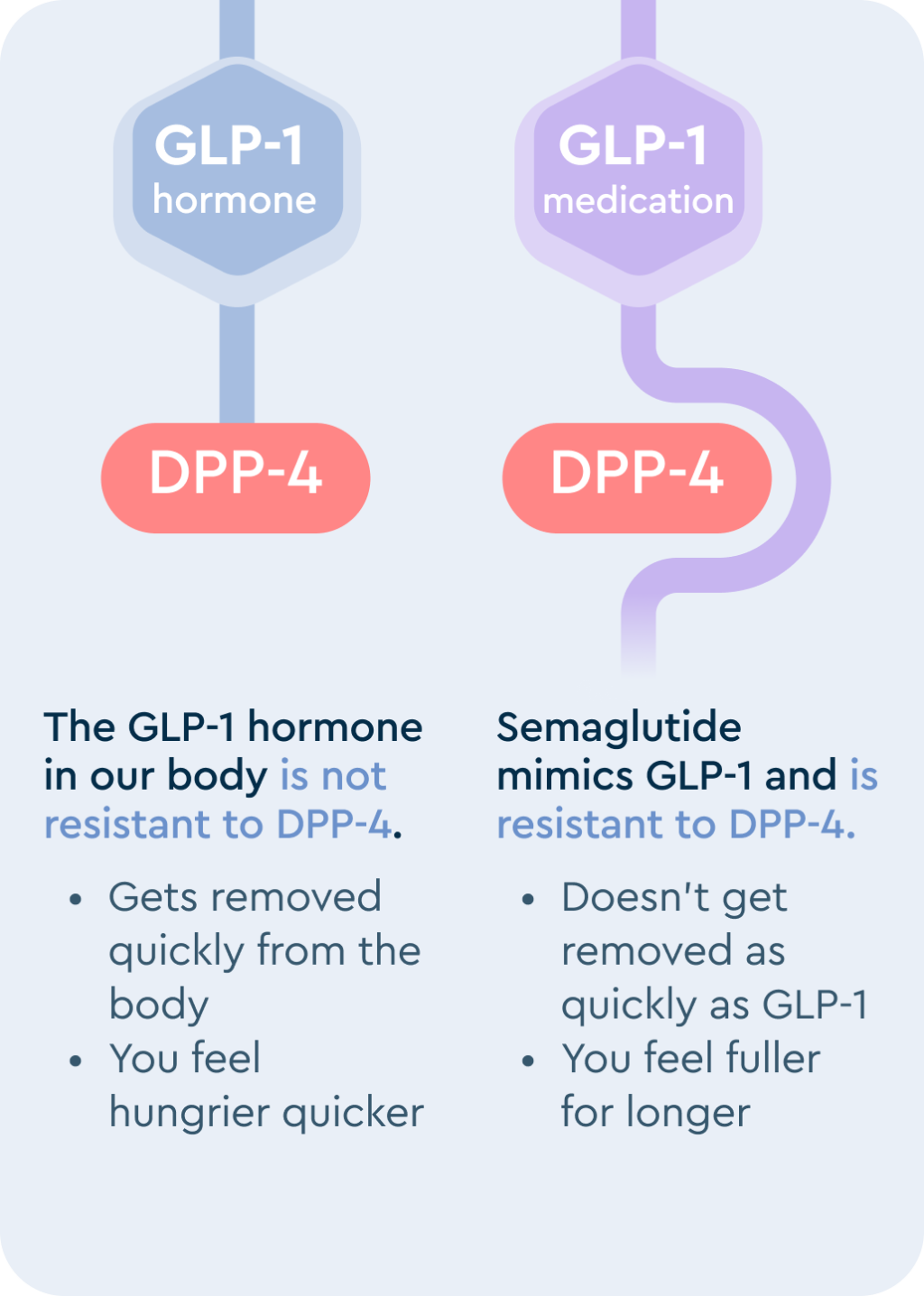
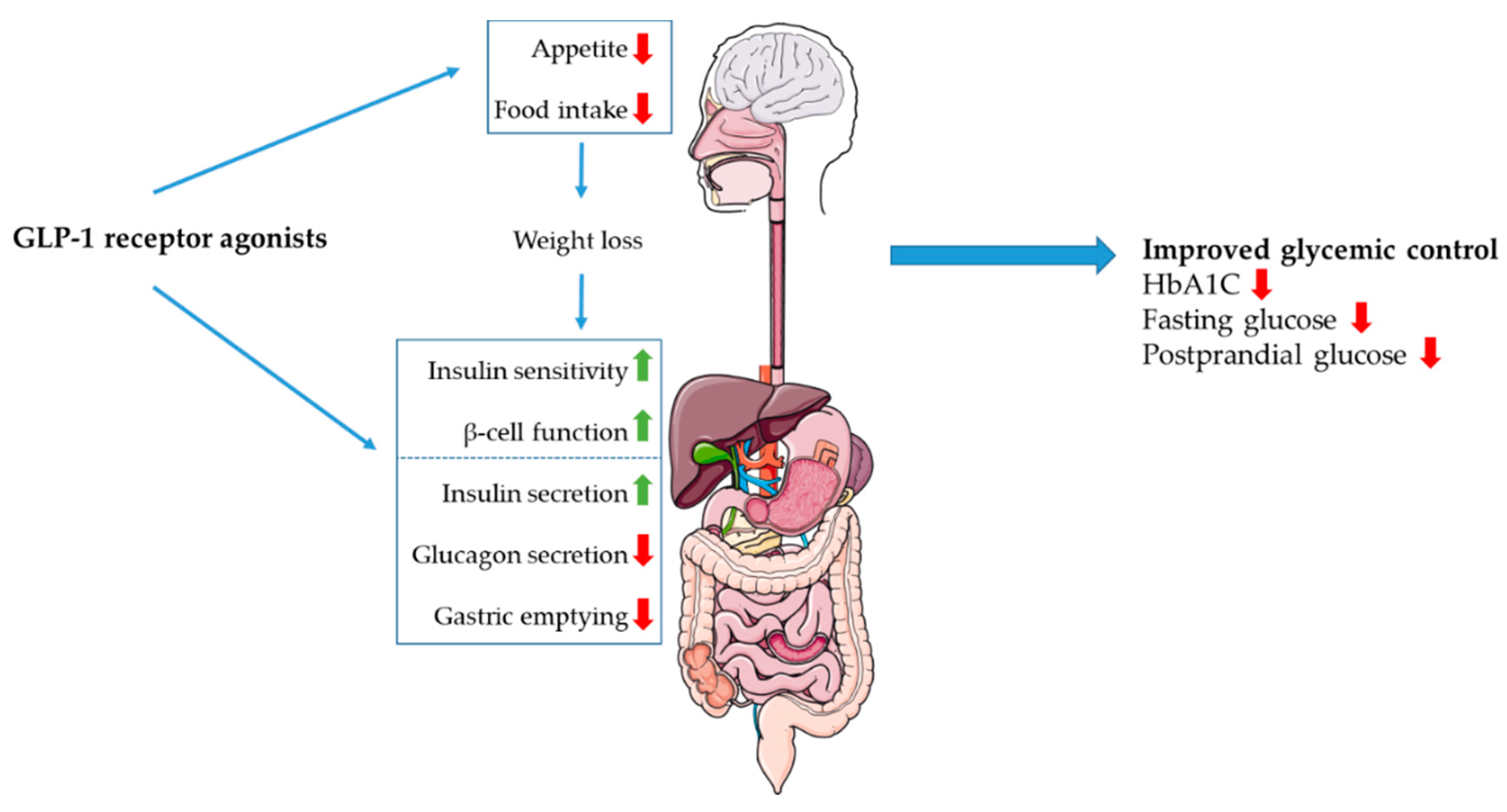
GLP-1 receptor agonists mimic the natural hormone GLP-1, a peptide released after eating. This hormone helps regulate appetite, digestion, insulin release, and blood sugar stability. By promoting GLP-1 activity, these medications have been shown to effectively manage blood sugar levels and alleviate weight-related issues.