Understanding the Connection Between GLP-1 and Gastric Bypass Weight Loss
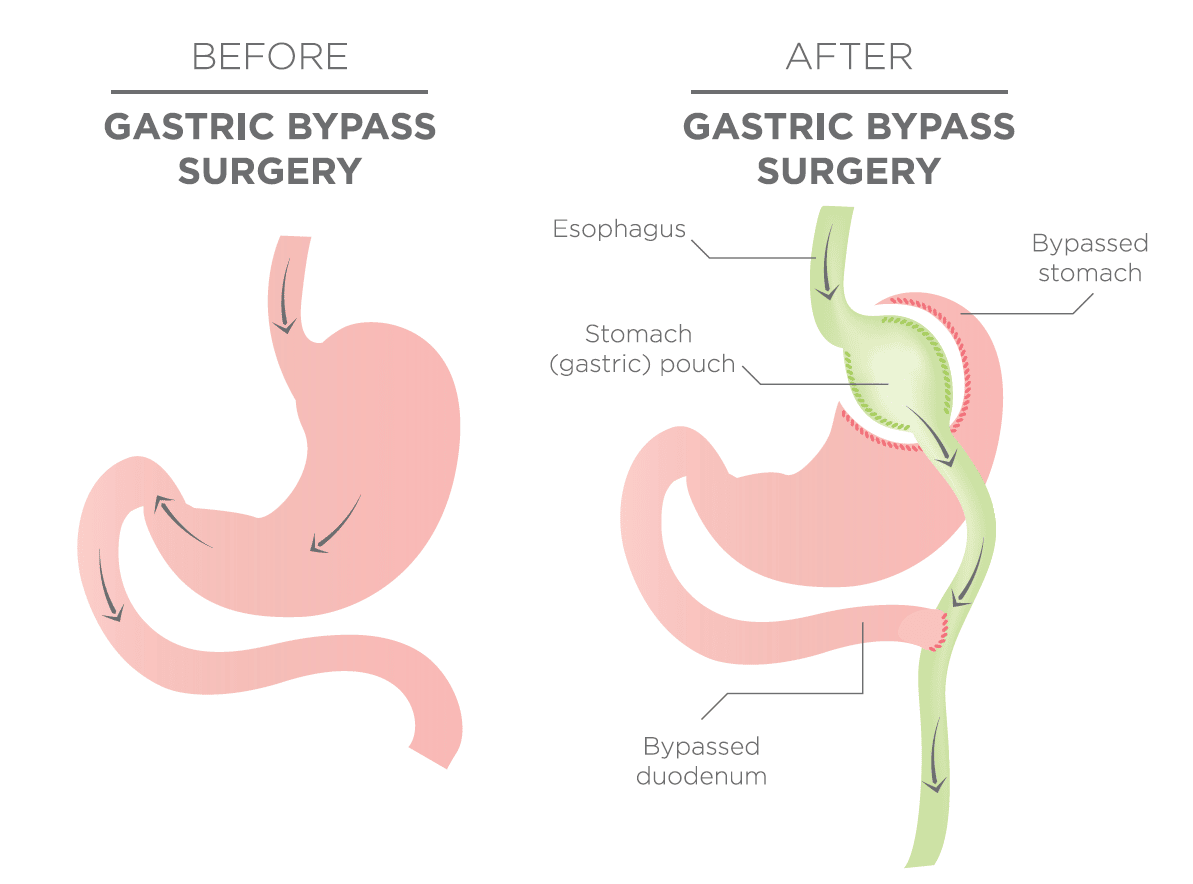
Weight loss is a common goal for many individuals, and with the rise of medicalweightlossoptions, it can be challenging to determine the most effective path forward. For those who have undergone gastric bypass surgery, also known as Roux-en-Y, the connection between GLP-1 and weight loss is a crucial consideration. GLP-1, or glucagon-like peptide-1, is a hormone that plays a significant role in regulating appetite, satiety, and glucose metabolism. In this article, we will explore the relationship between GLP-1 and gastric bypass weight loss, including the effects of GLP-1 medications after surgery.
The Role of GLP-1 in Weight Loss
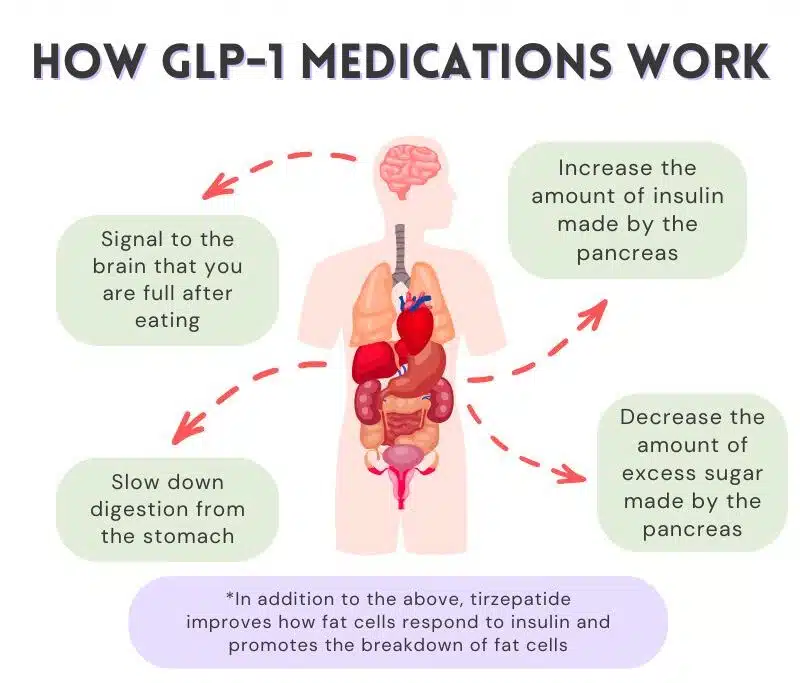
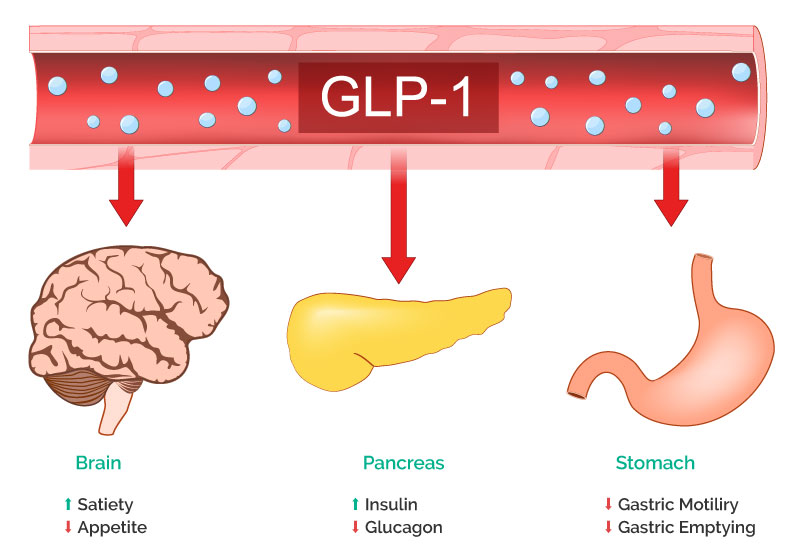
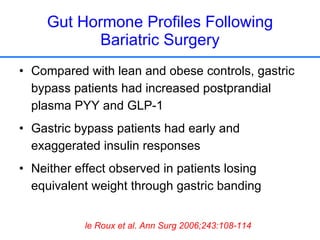
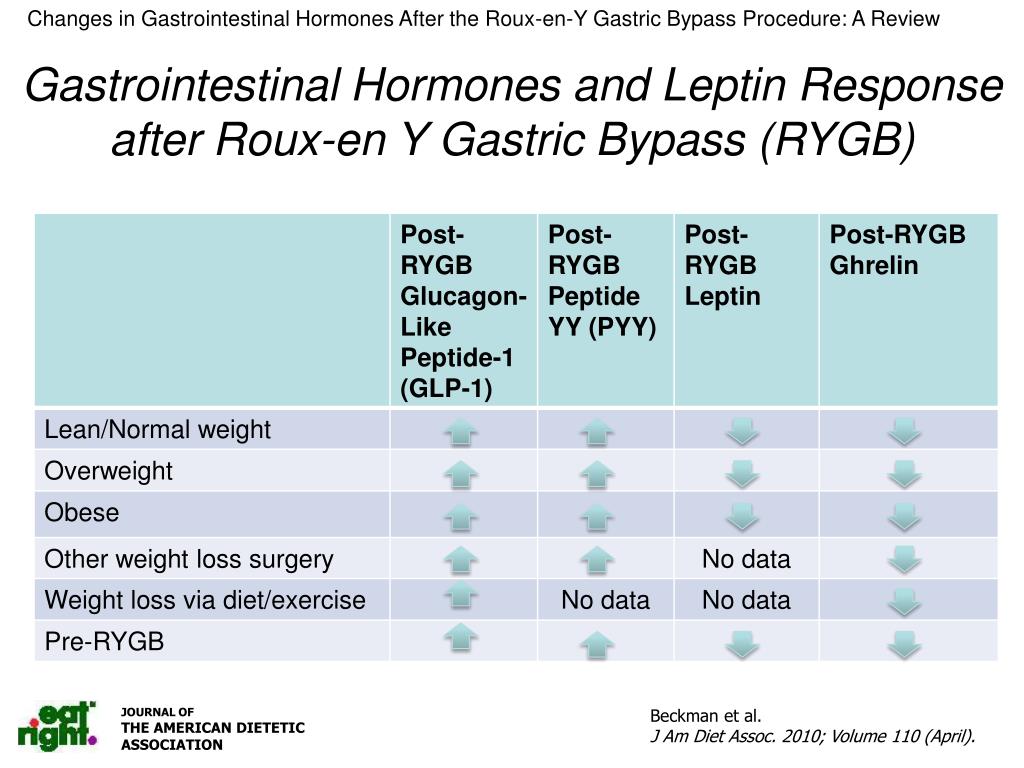
GLP-1 is a hormone produced in the intestines in response to food intake. It helps to slow down gastric emptying, promotes feelings of fullness, and reduces appetite. In individuals with obesity, GLP-1 levels are often impaired, contributing to weight gain. Gastric bypass surgery has been shown to increase GLP-1 levels, promoting weight loss and improving glucose metabolism.

GLP-1 and Gastric Bypass Weight Loss
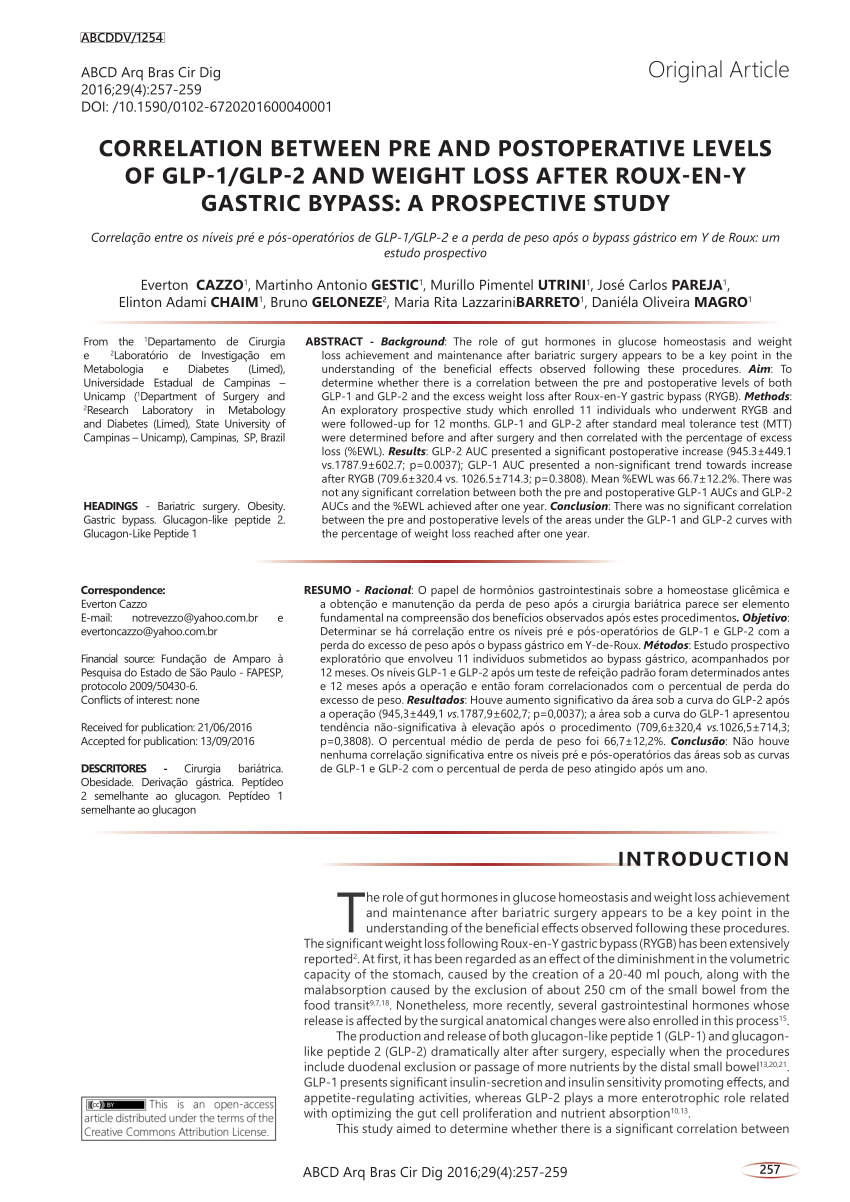
After gastric bypass surgery, patients often experience significant weight loss in the first year, typically ranging from 50-80% of their excess body weight. However, some individuals may experience weight regain or insufficient weight loss, leading to concerns about the long-term efficacy of the procedure. Research has shown that changes in GLP-1 levels post-surgery are a significant determinant of weight loss outcomes. Patients with higher GLP-1 levels tend to experience greater weight loss and improved glucose control.