Unlocking the Secrets of GLP-1 and Glucose Metabolism: A Comprehensive Overview
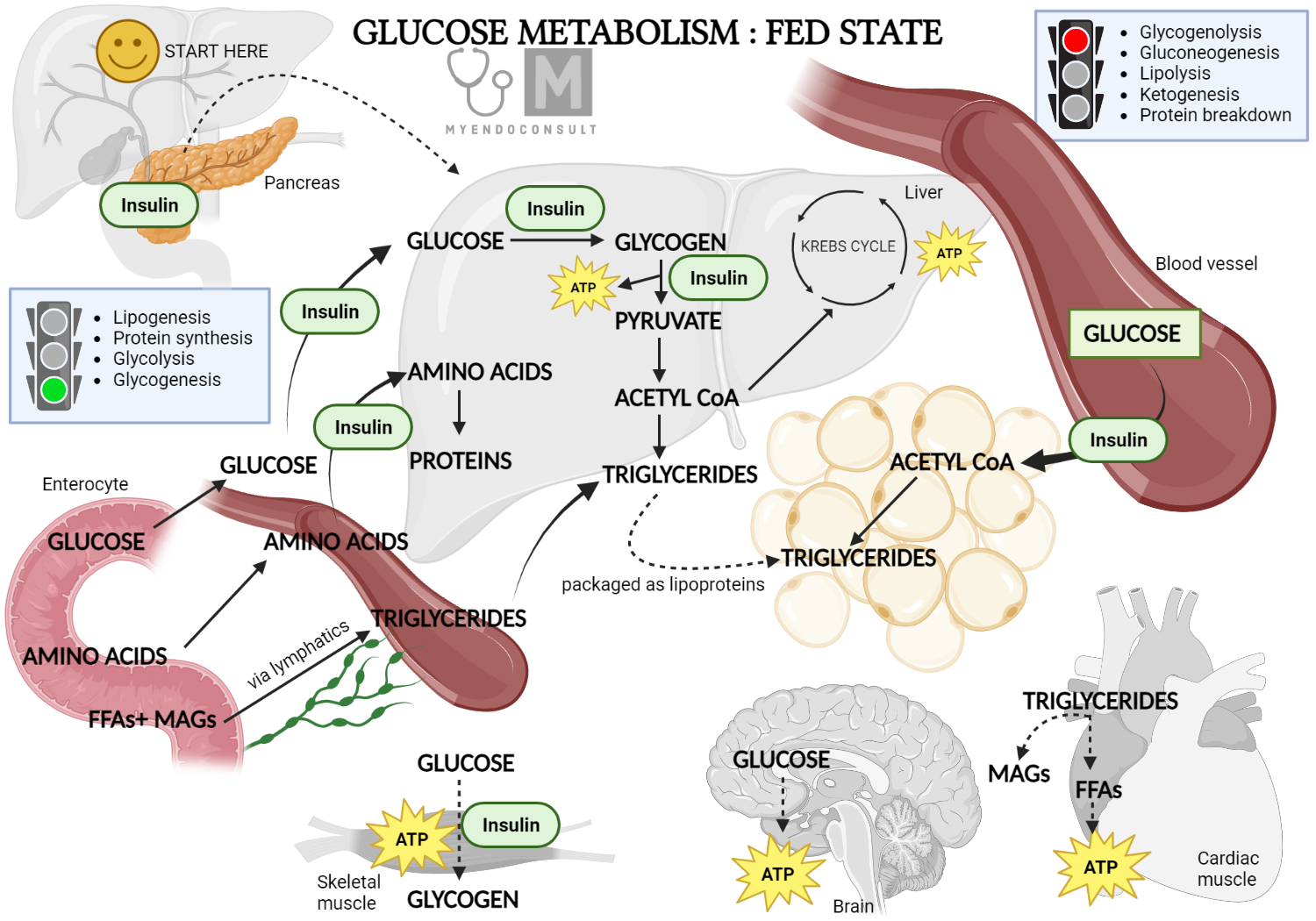
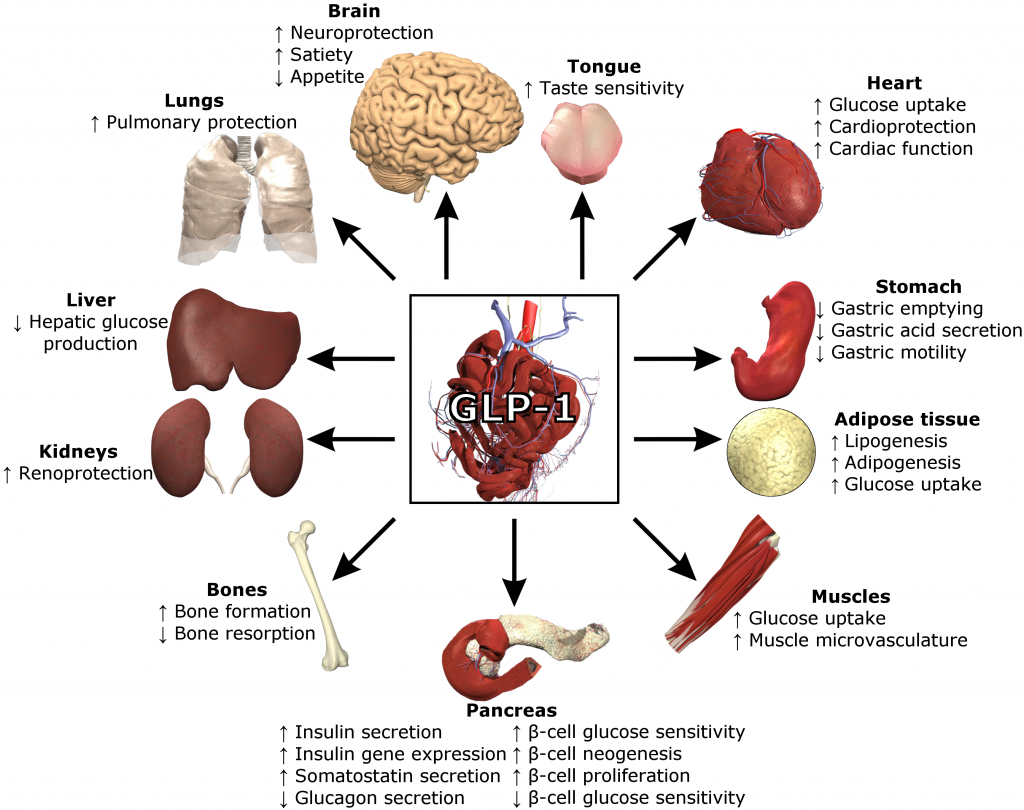
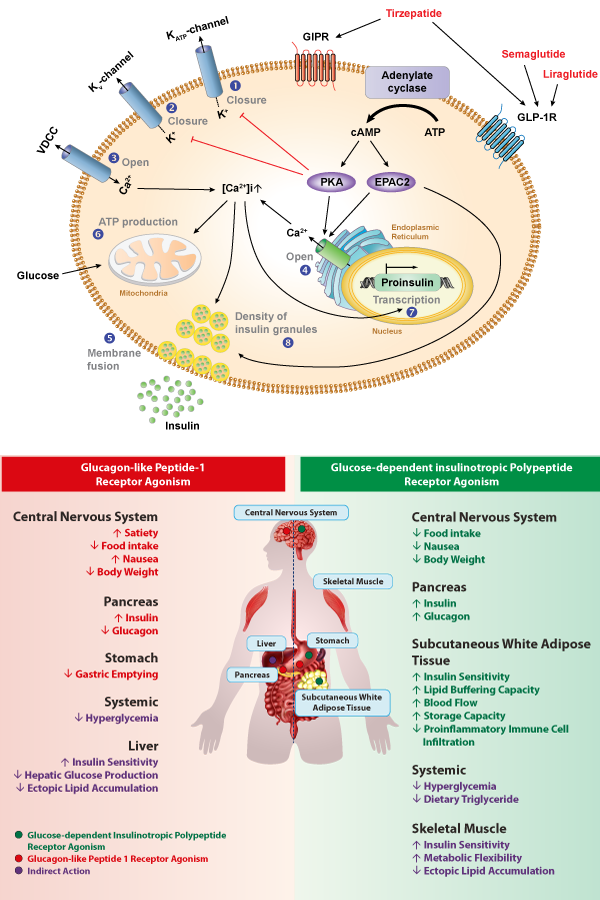
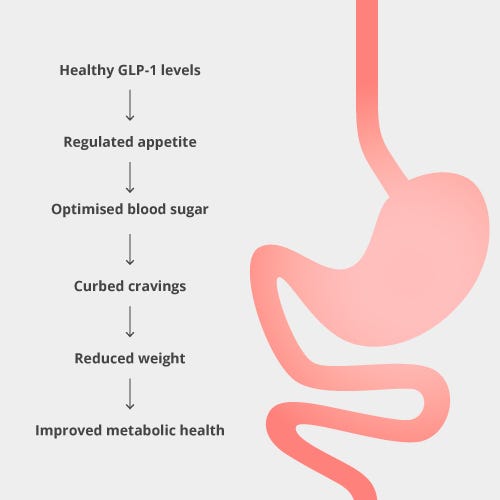
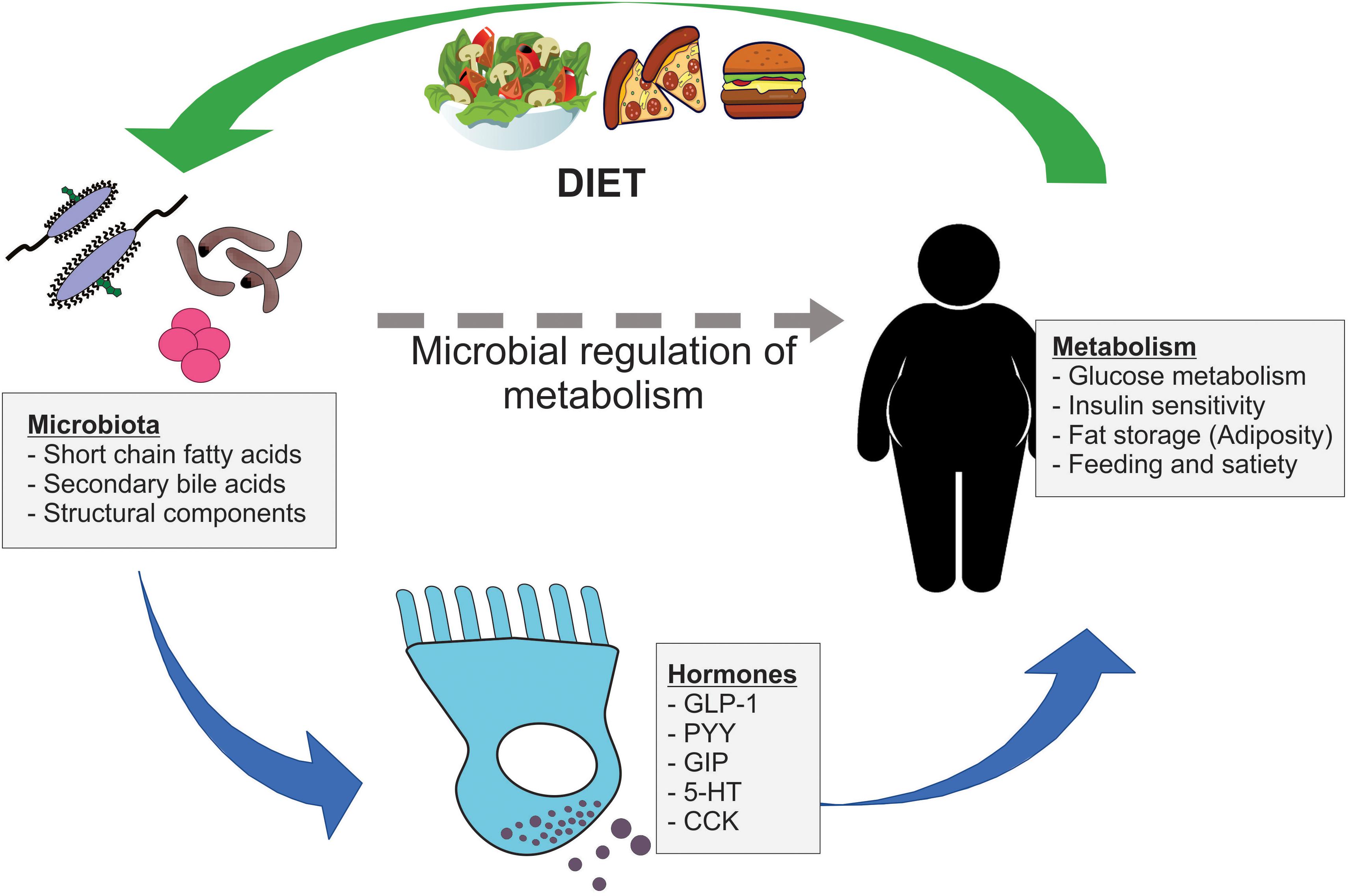
Glucagon-like peptide-1 (GLP-1) has emerged as a crucial regulator of glucose homeostasis, glycogen metabolism, and energy balance. As a vital therapeutic target for addressing obesity, metabolic syndrome, and type 2 diabetes mellitus (T2DM), understanding the mechanisms by which GLP-1 modulates glucose metabolism is essential for developing effective treatments.What is GLP-1 and its role in glucose metabolism?
GLP-1 Receptor Agonists and the Management of Glucose Metabolism
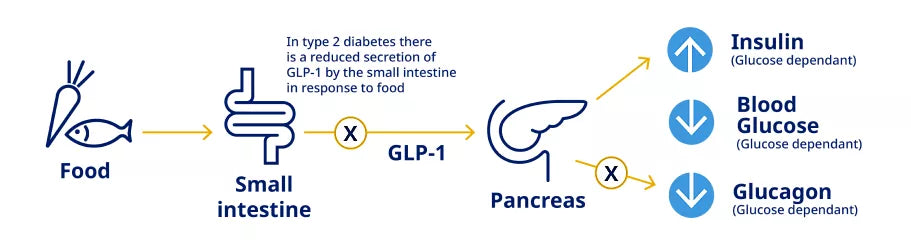
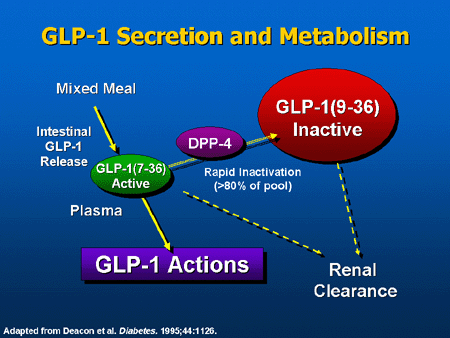
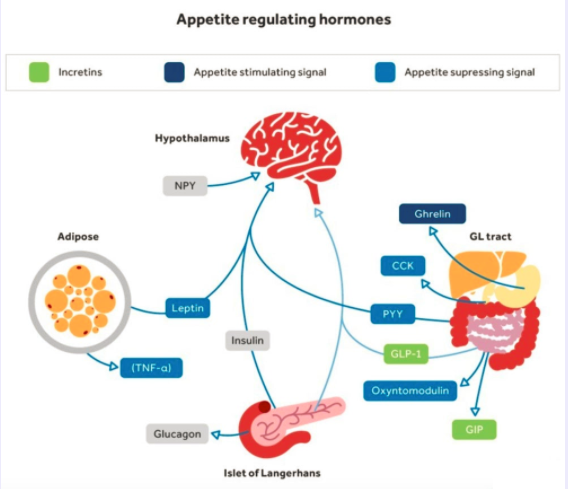
Glucagon-like peptide-1 (GLP-1) is a gastrointestinal peptide that plays a central role in regulating blood glucose levels, lipid metabolism, and several other critical biological functions. GLP-1 receptor agonists have been designed to mimic the natural effects of GLP-1, which include slowing gastric emptying, enhancing pancreatic insulin secretion, and suppressing pancreatic glucagon secretion.GLP-1 and Glucose Metabolism: Dissecting the Mechanisms