The GLP-1 and Gut-Brain Axis: A Groundbreaking Connection for Optimal Health
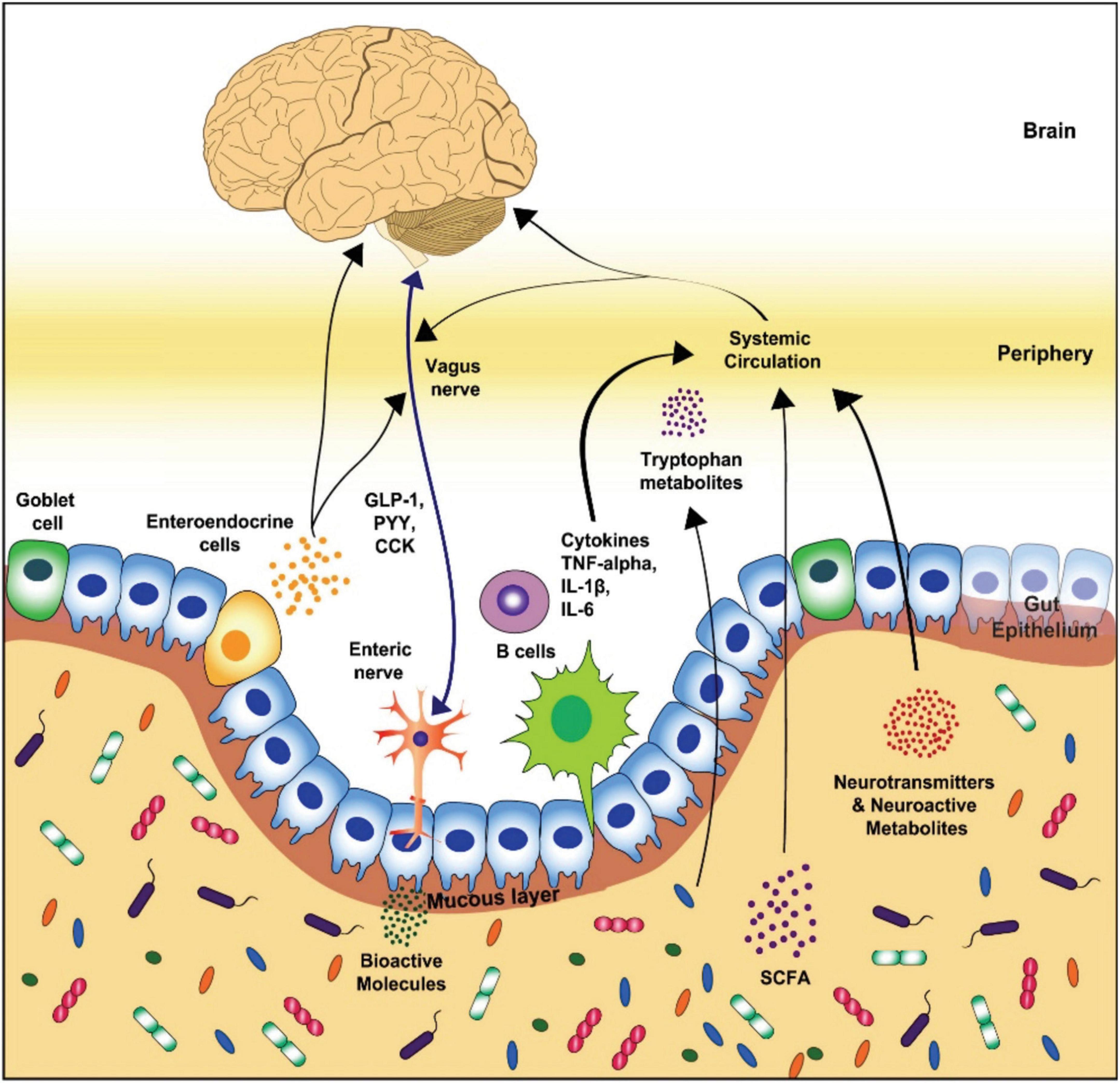
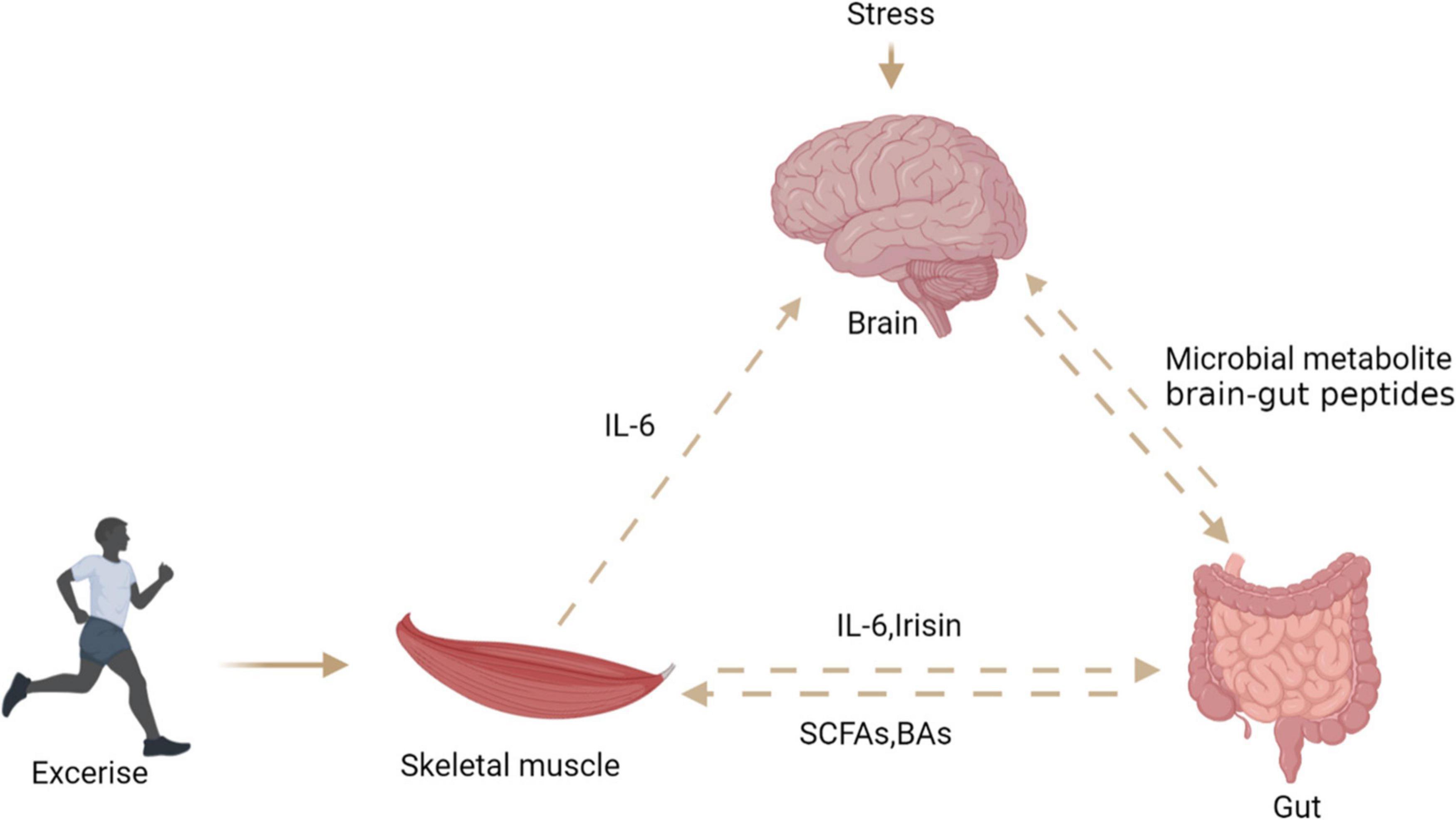
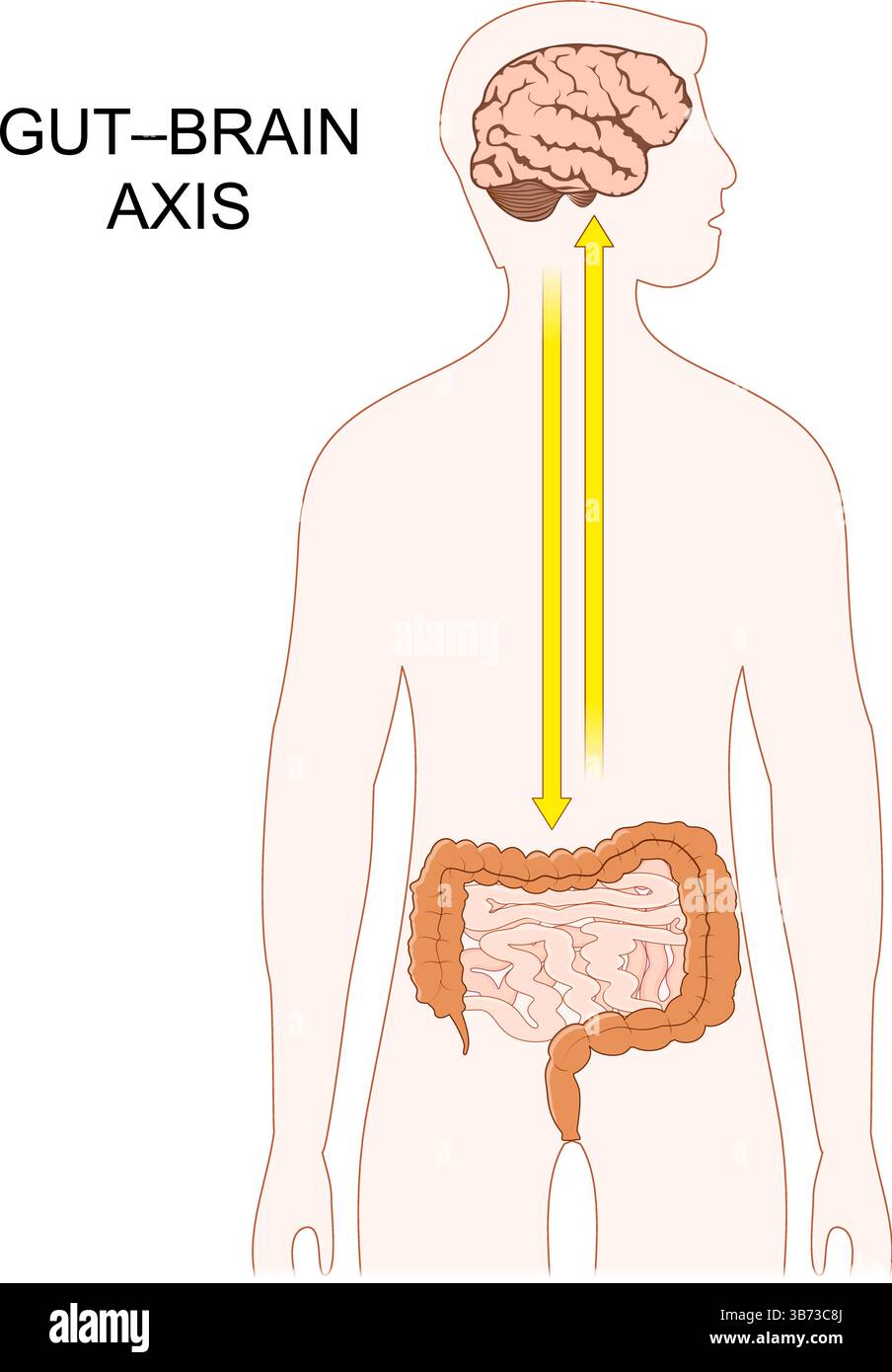
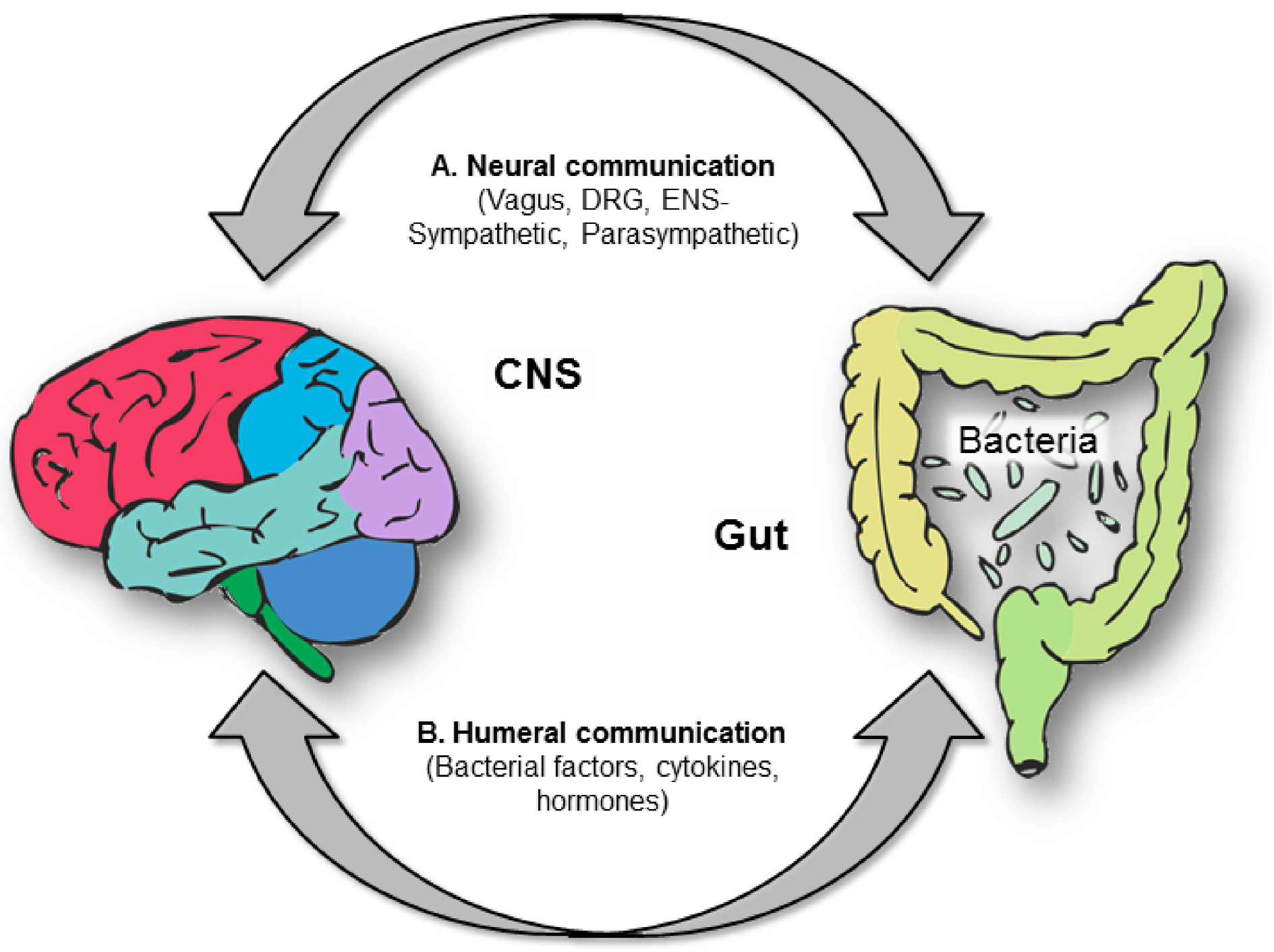
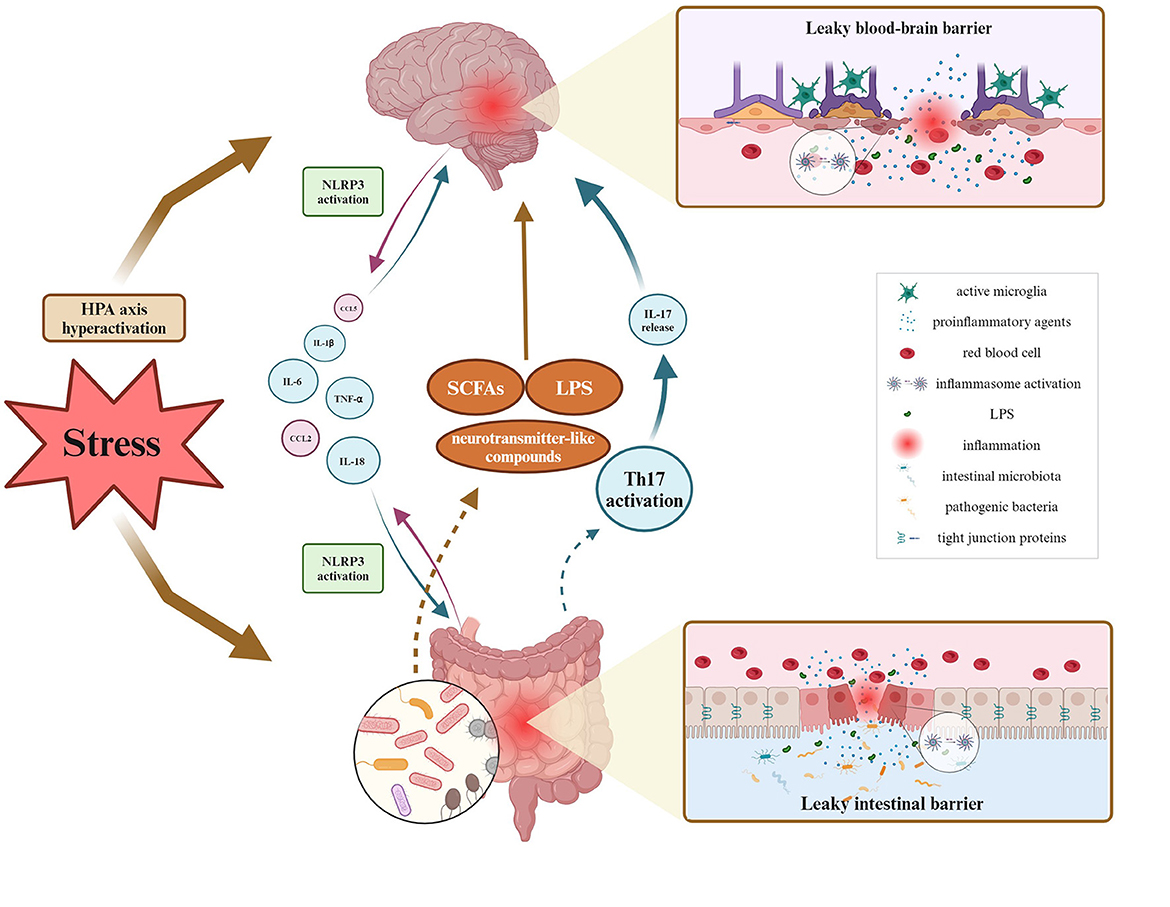
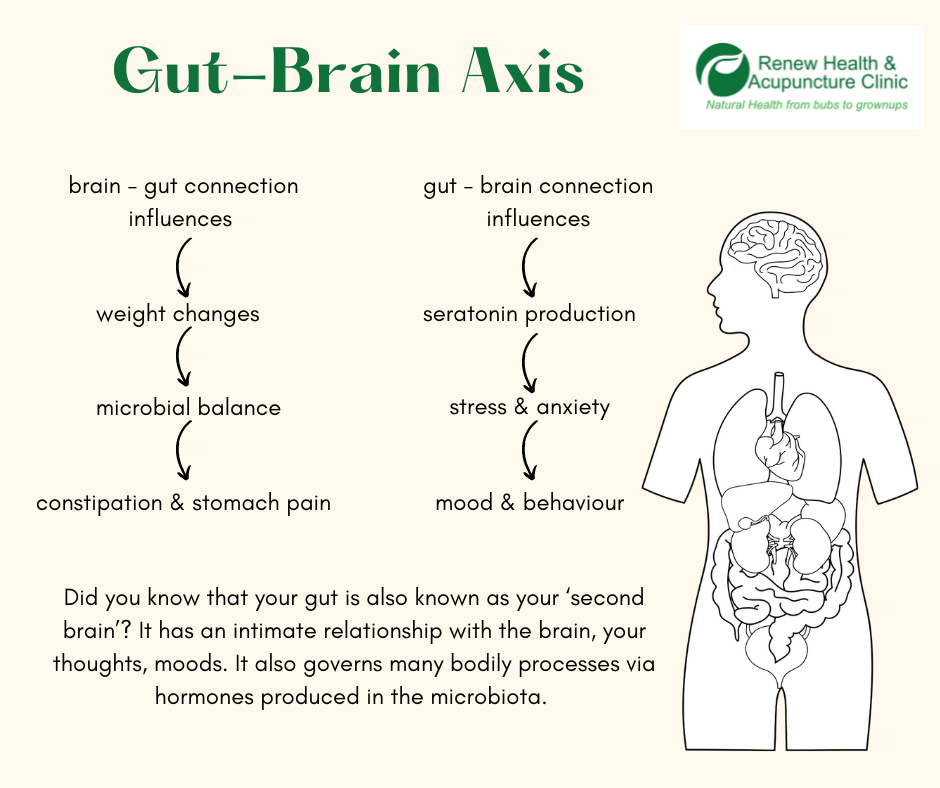
The relationship between the gut and brain is a complex and bidirectional communication network that has been dubbed the "gut-brain axis." This intricate system is comprised of the enteric nervous system, the central nervous system, and the microbiota of the gut. Recent studies have shed light on the crucial role of glucagon-like peptide-1 (GLP-1) in this axis, revealing a profound impact on appetite regulation, insulin sensitivity, and metabolic health.
Understanding the GLP-1 and Gut-Brain Axis
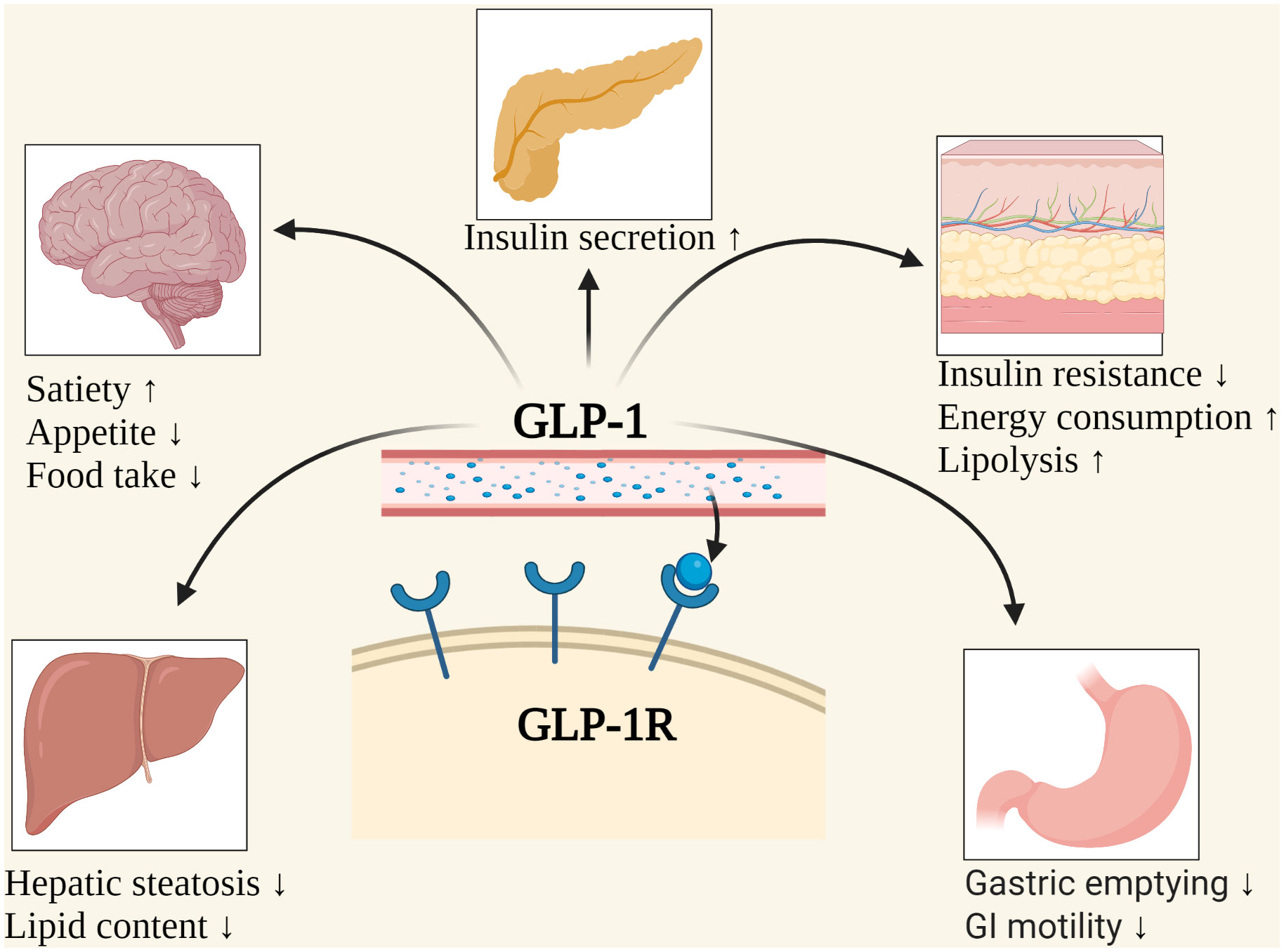
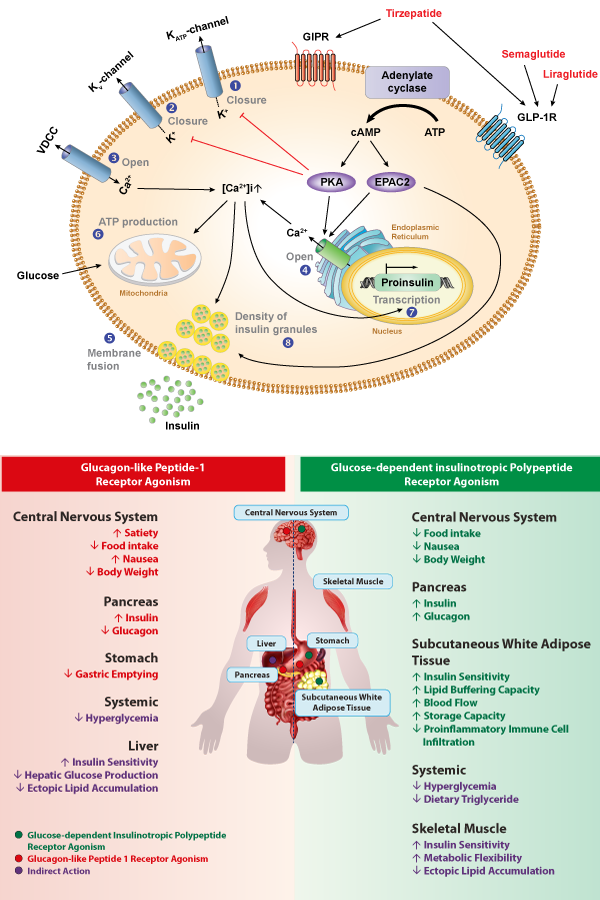
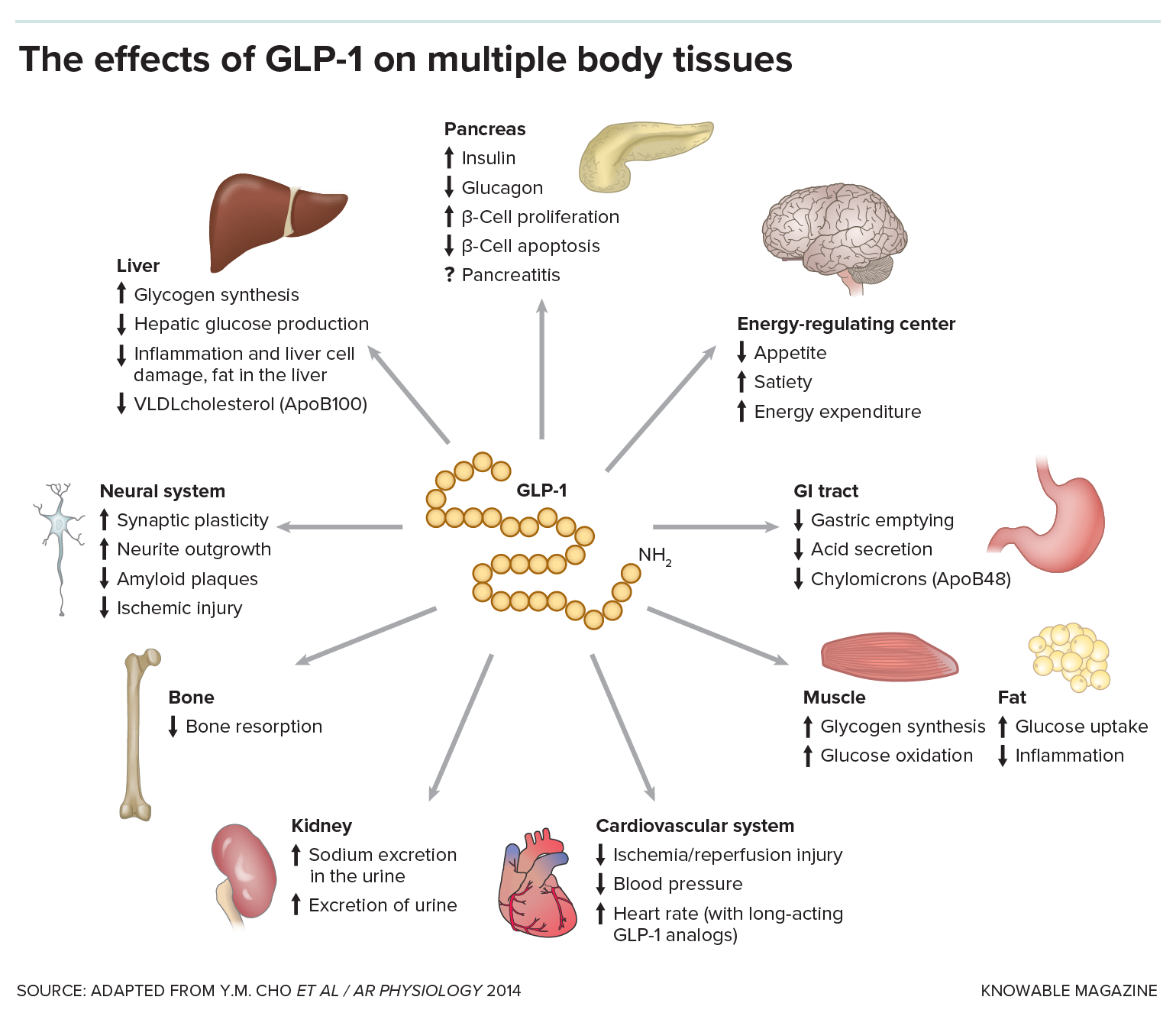
GLP-1 is a hormone produced in the intestines in response to food intake. It plays a vital role in signaling the brain to slow down digestion, reduce appetite, and promote feelings of fullness. The GLP-1 receptor is present in various tissues, including the brain, pancreas, and adipose tissue, indicating its widespread effects on metabolism and energy homeostasis.

The GLP-1 and Gut-Brain Axis: Key Functions
- Appetite regulation: GLP-1 acts on the brain to reduce hunger and increase feelings of fullness
- Insulin sensitivity: GLP-1 enhances insulin secretion and sensitivity, promoting glucose uptake in the muscles
- Metabolic control: GLP-1 influences lipid metabolism, reducing fat accumulation in the liver and adipose tissue
- Energy homeostasis: GLP-1 helps regulate energy balance by modulating food intake and energy expenditure