GLP-1 and Weight Loss Challenges: Understanding the Complexities
Glucagon-like peptide-1 (GLP-1) receptor agonists have revolutionized the treatment landscape for obesity, offering a promising solution for individuals struggling with weight loss. However, real-world challenges and limited clinician and public knowledge on GLP-1s pose significant hurdles in effectively utilizing these medications. In this article, we will delve into the complexities of GLP-1 and weight loss challenges, exploring the benefits, risks, and nuances of these powerful medications.
GLP-1s: A Game-Changer for Weight Loss
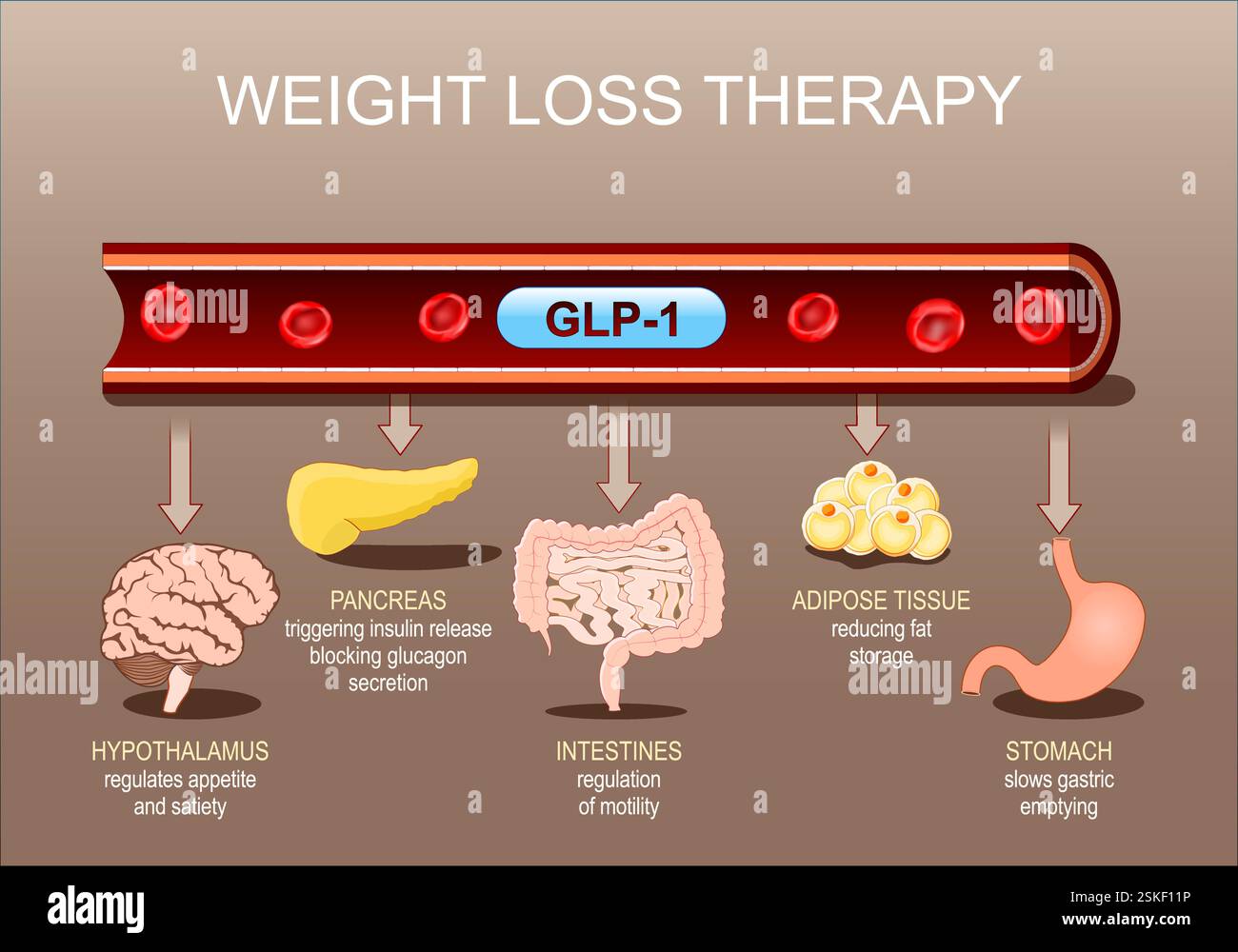
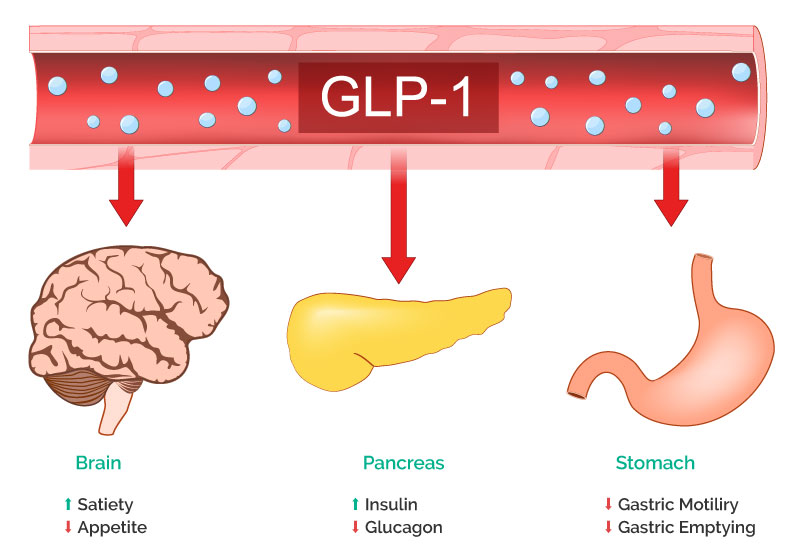
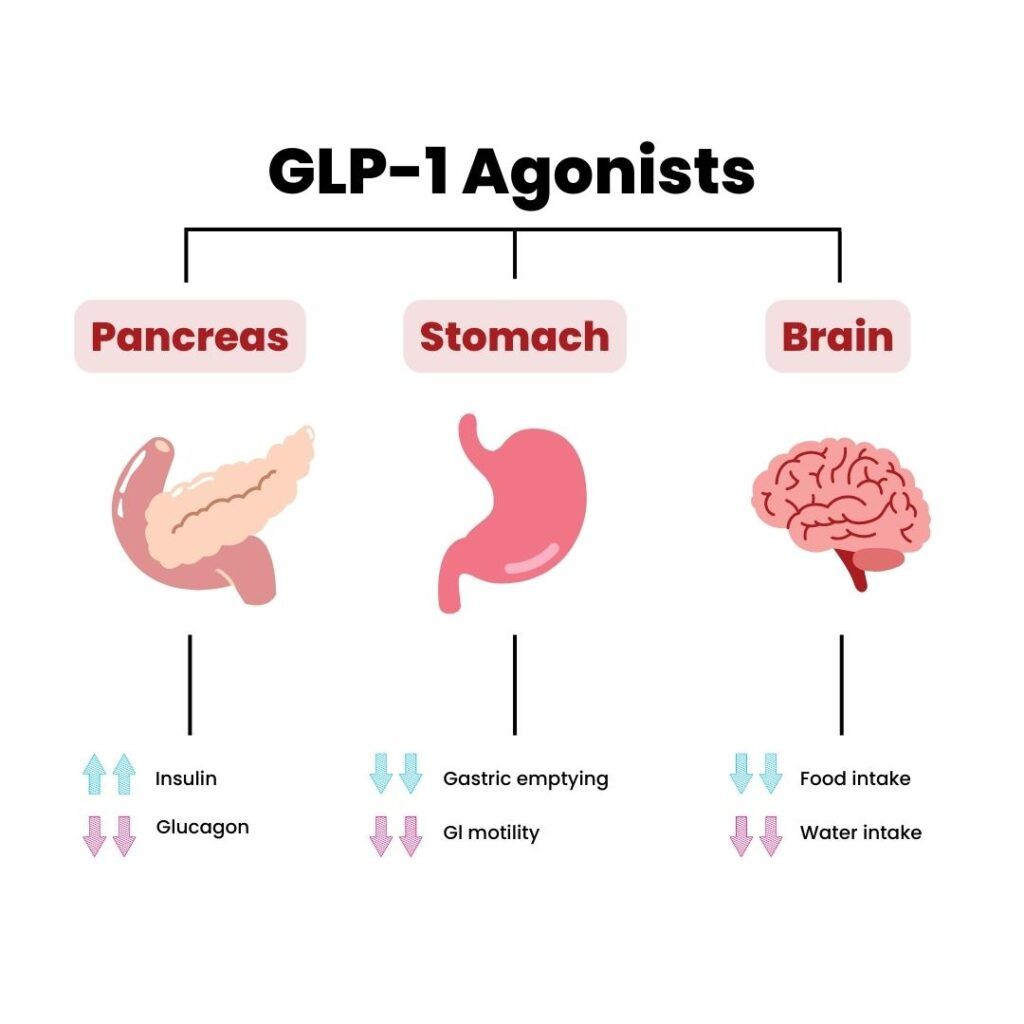
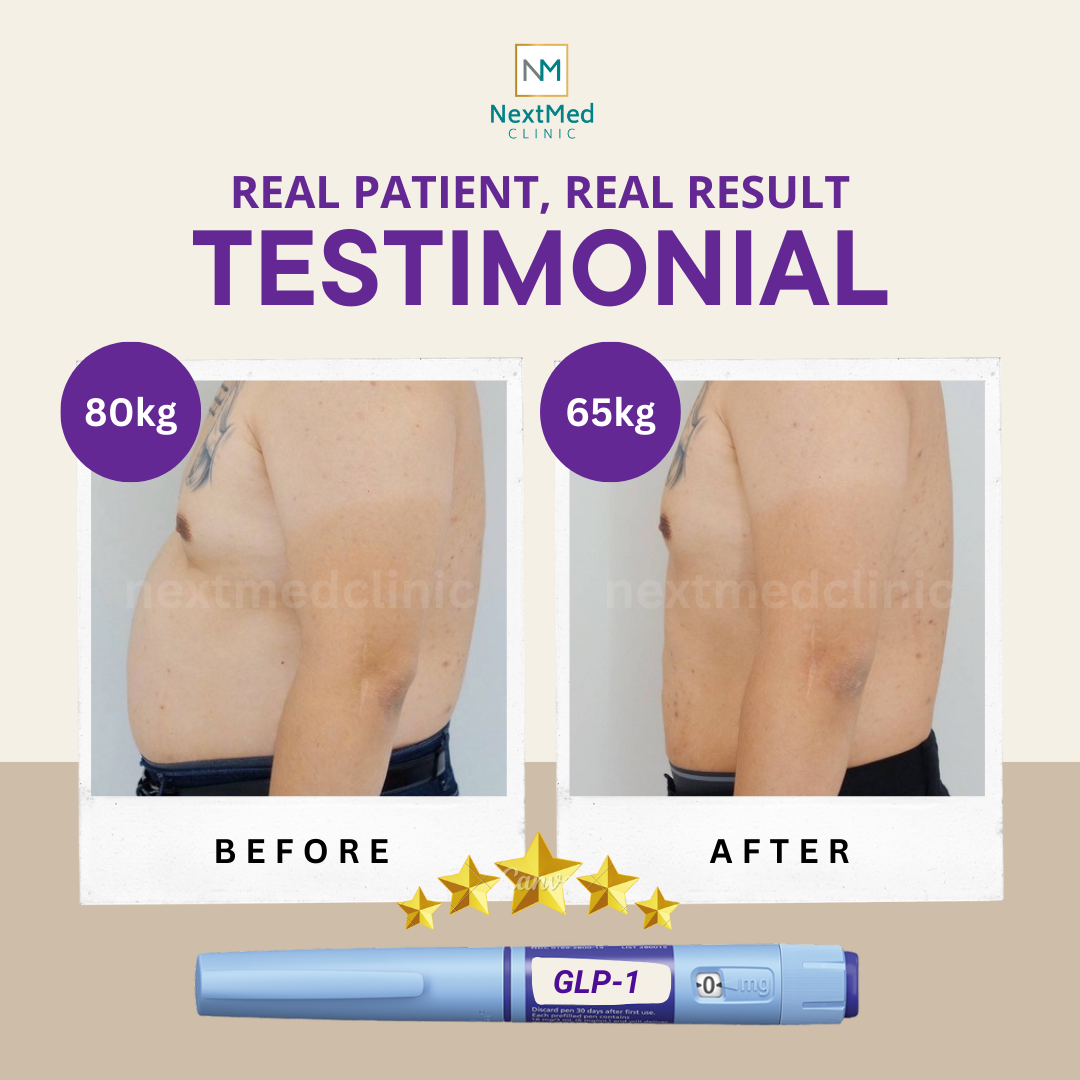
GLP-1s have been shown to spur weight loss and health benefits on their own, with combined lifestyle changes yielding even more significant results. A recent review of nearly three dozen studies found that GLP-1s reduce body weight by 5% to 18% in trials, with modestly lower effects in real-world analyses. Additionally, multiple demonstrated clinical benefits, such as increased metabolism and improved heart health, have made GLP-1s an attractive option for individuals seeking weight loss solutions.

Challenges Associated with GLP-1s
- Gastrointestinal side effects, including nausea and vomiting, are common complaints among GLP-1 users.
- Risk of micronutrient deficiencies due to calorie reduction can occur, particularly if not properly managed.
- Muscle and bone loss are potential challenges, especially if GLP-1s are used long-term without proper nutrition and exercise.
- Low long-term adherence and subsequent weight regain are significant concerns, emphasizing the need for sustained lifestyle changes.
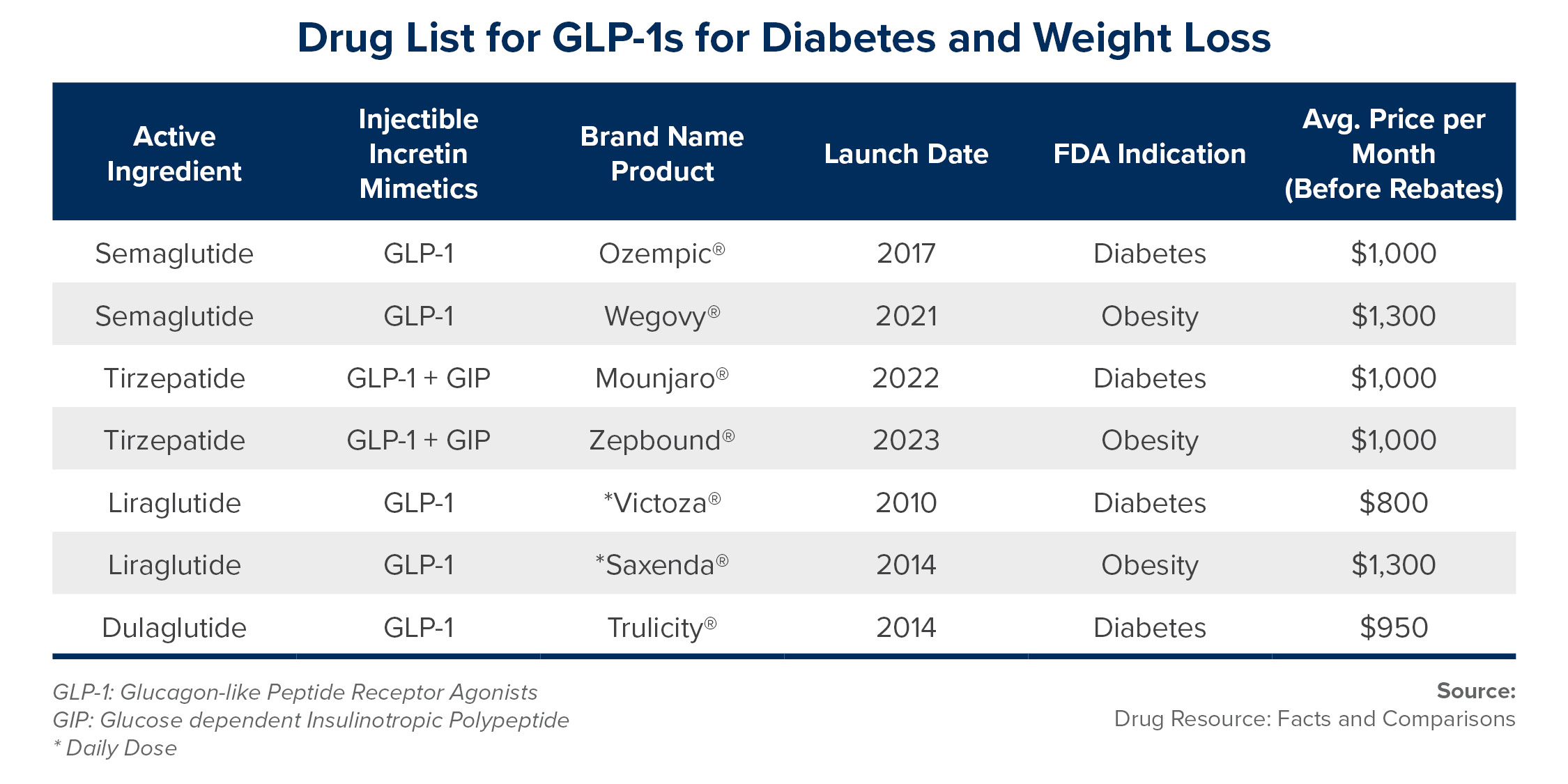
- High costs associated with GLP-1s can limit accessibility and make them less cost-effective in the long run.