Carbon Offset Project Monitoring Systems: Ensuring Transparency and Accuracy in Carbon Markets
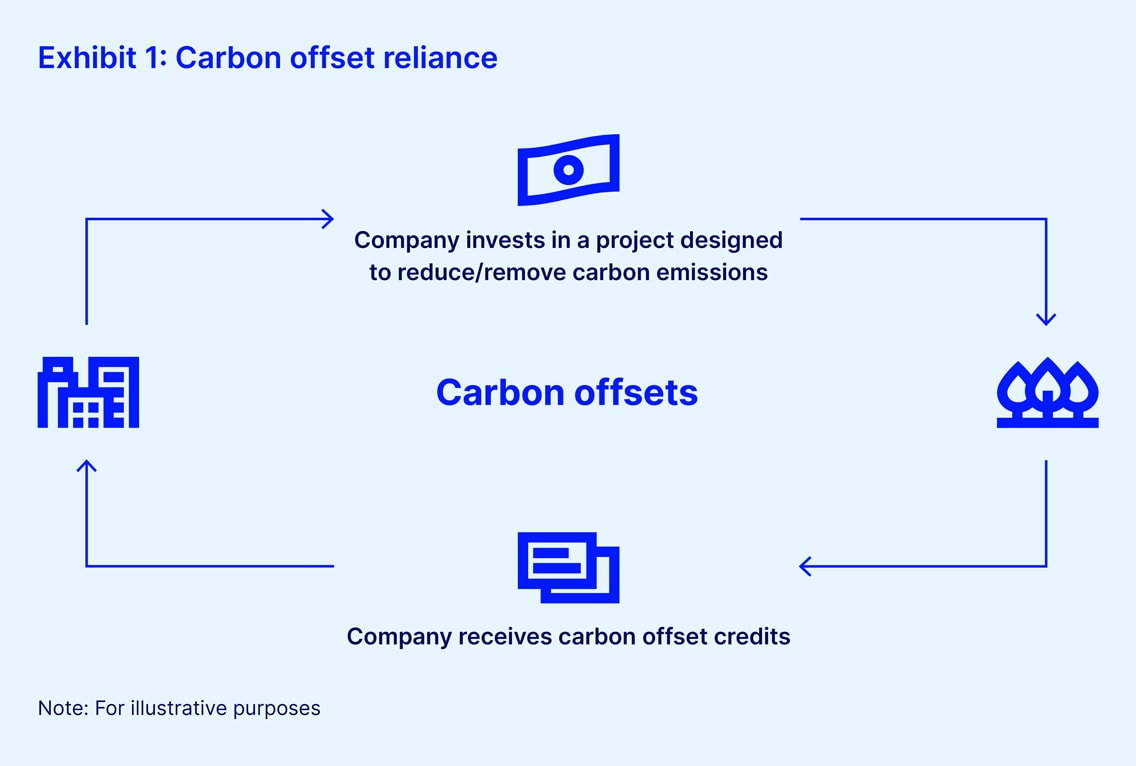
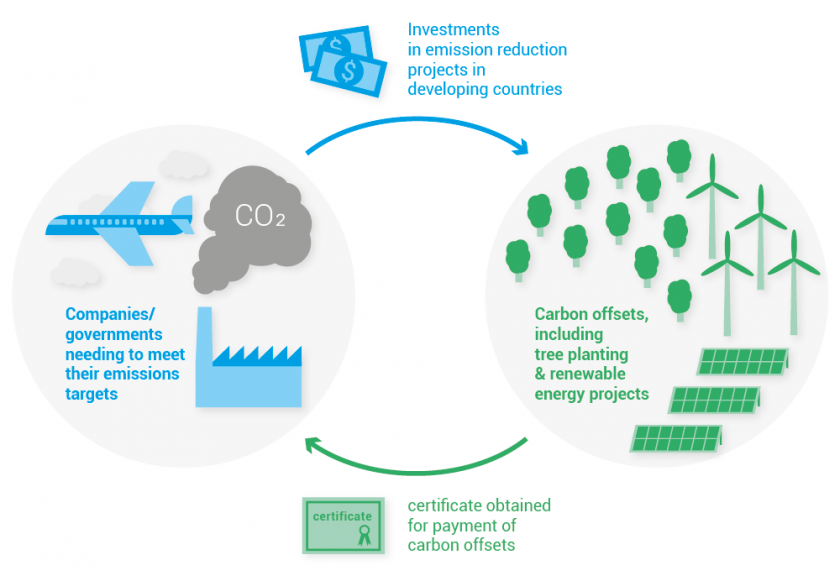
Carbon offset projects are increasingly playing a vital role in mitigating climate change by reducing greenhouse gas emissions. For these projects to be considered legitimate and tradable, they must adhere to strict guidelines set by approved methodologies and monitoring systems. In this article, we will explore the importance of Carbon Offset Project Monitoring Systems and how they contribute to the integrity of the carbon market.Why Carbon Offset Project Monitoring Systems Matter
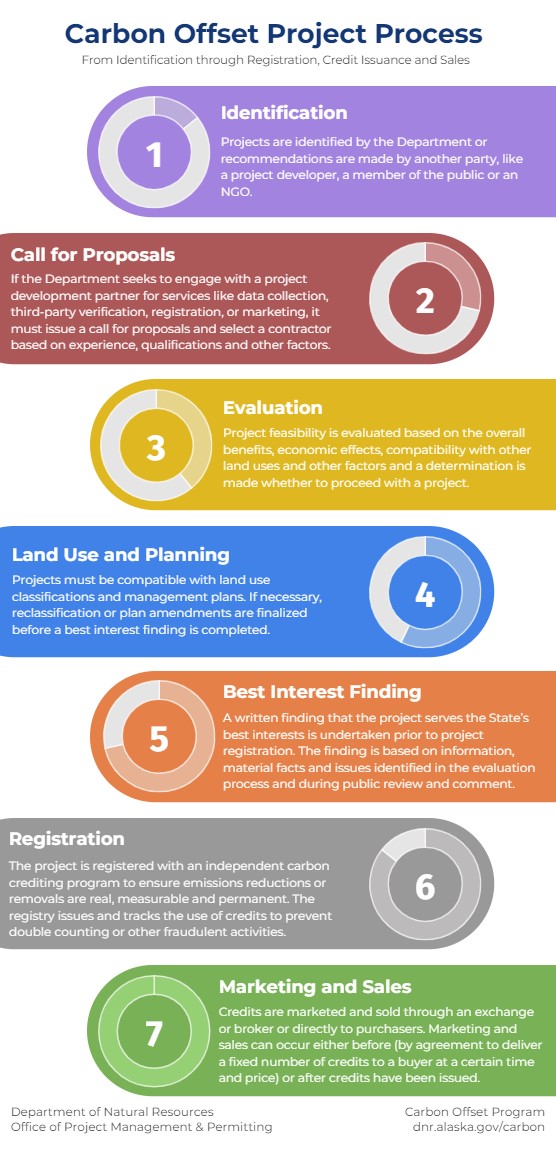
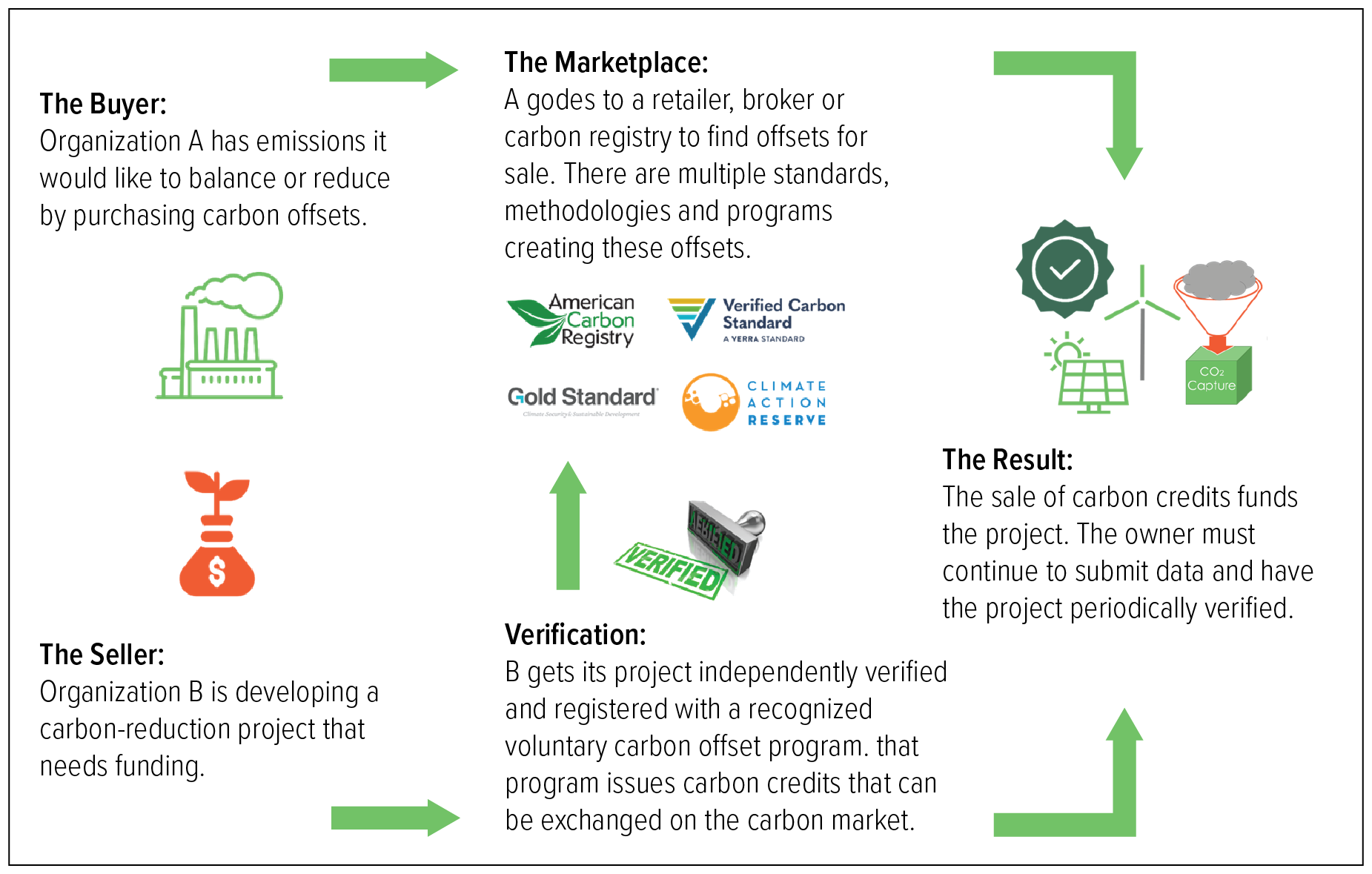
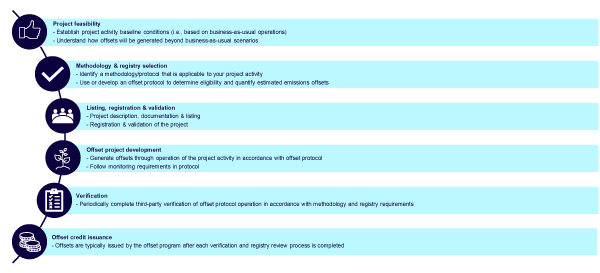
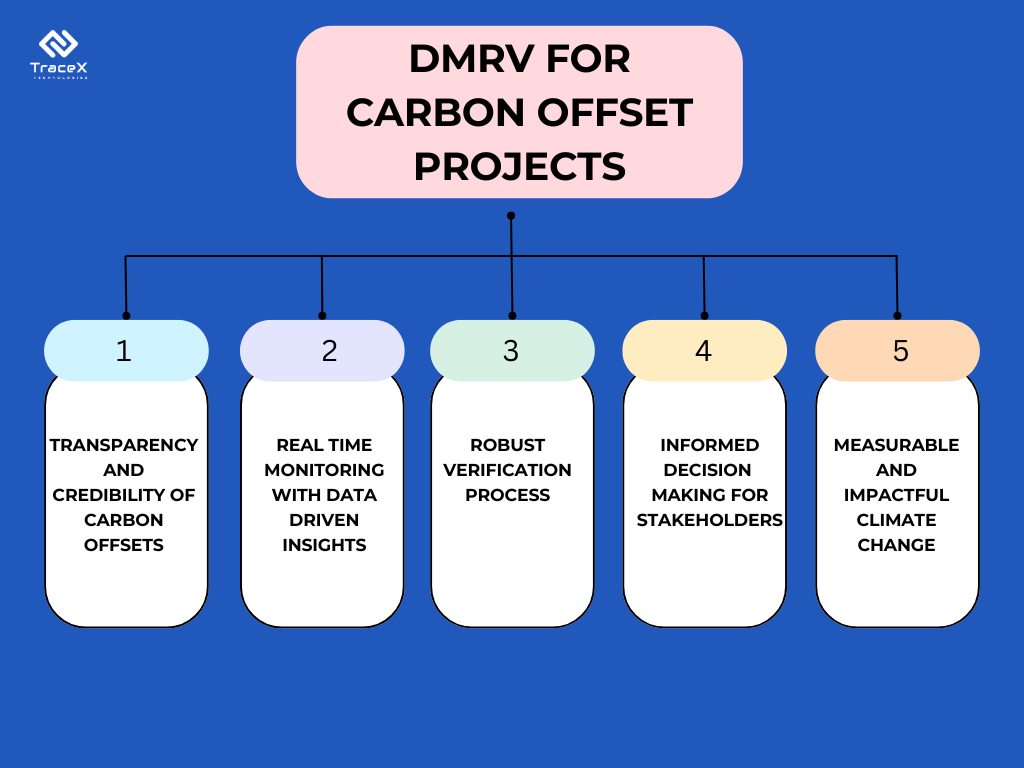
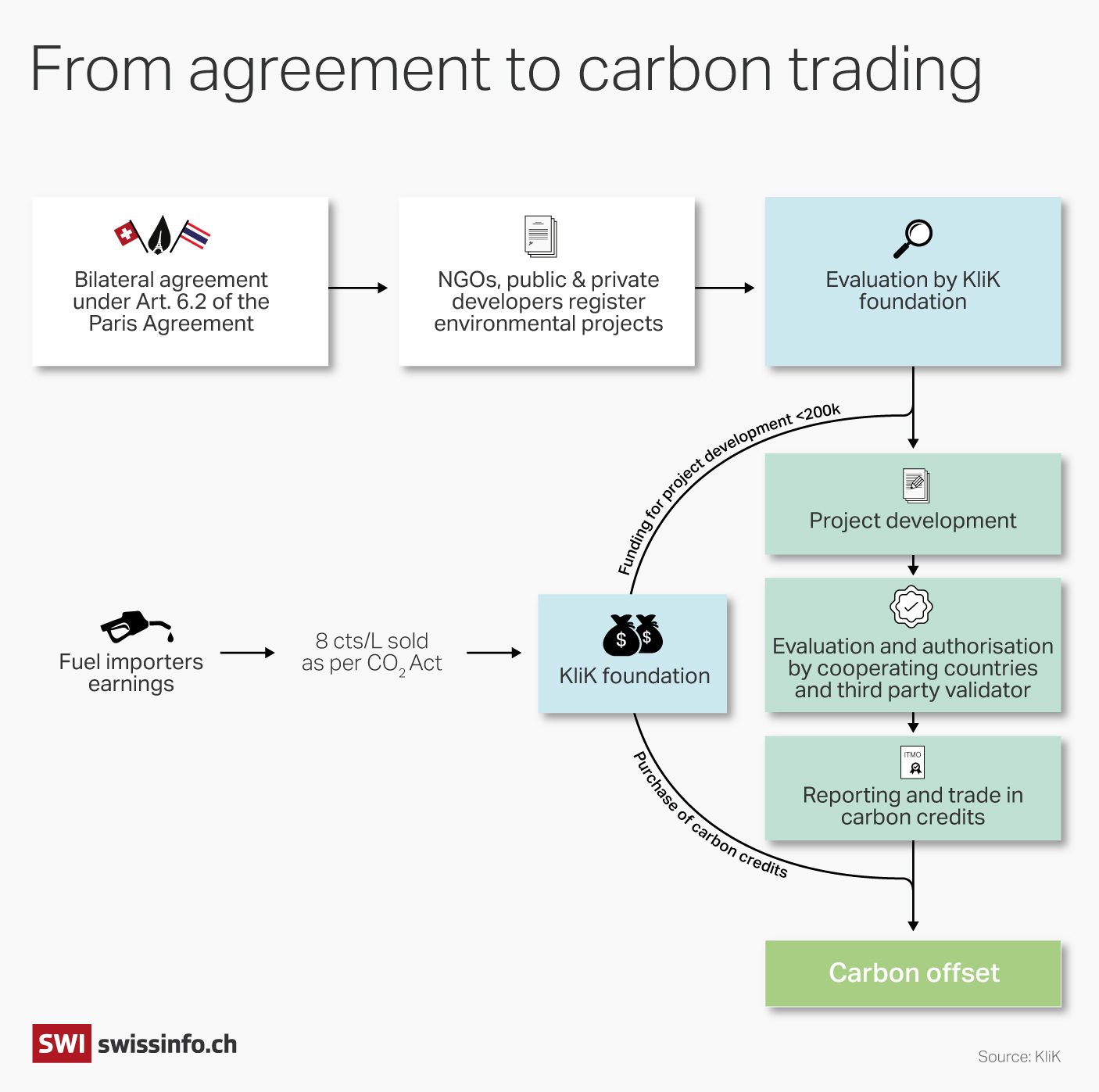
Carbon offset projects need to meet the requirements of approved methodologies, standards, and monitoring systems to enable the trading of carbon credits. These systems ensure that the emission reductions claimed by a project are real, measurable, verifiable, and additional – i.e., they wouldn't have occurred in the absence of the project.Without robust monitoring systems, the integrity of the carbon market would be compromised, and investors may end up supporting projects that don't deliver on their promises. This is why Carbon Offset Project Monitoring Systems are essential for the long-term sustainability of carbon offsetting.
Components of a Effective Carbon Offset Project Monitoring System
A comprehensive Carbon Offset Project Monitoring System should include the following components:- Independent Verification**: This involves third-party auditors checking the project's performance against the claimed emission reductions.
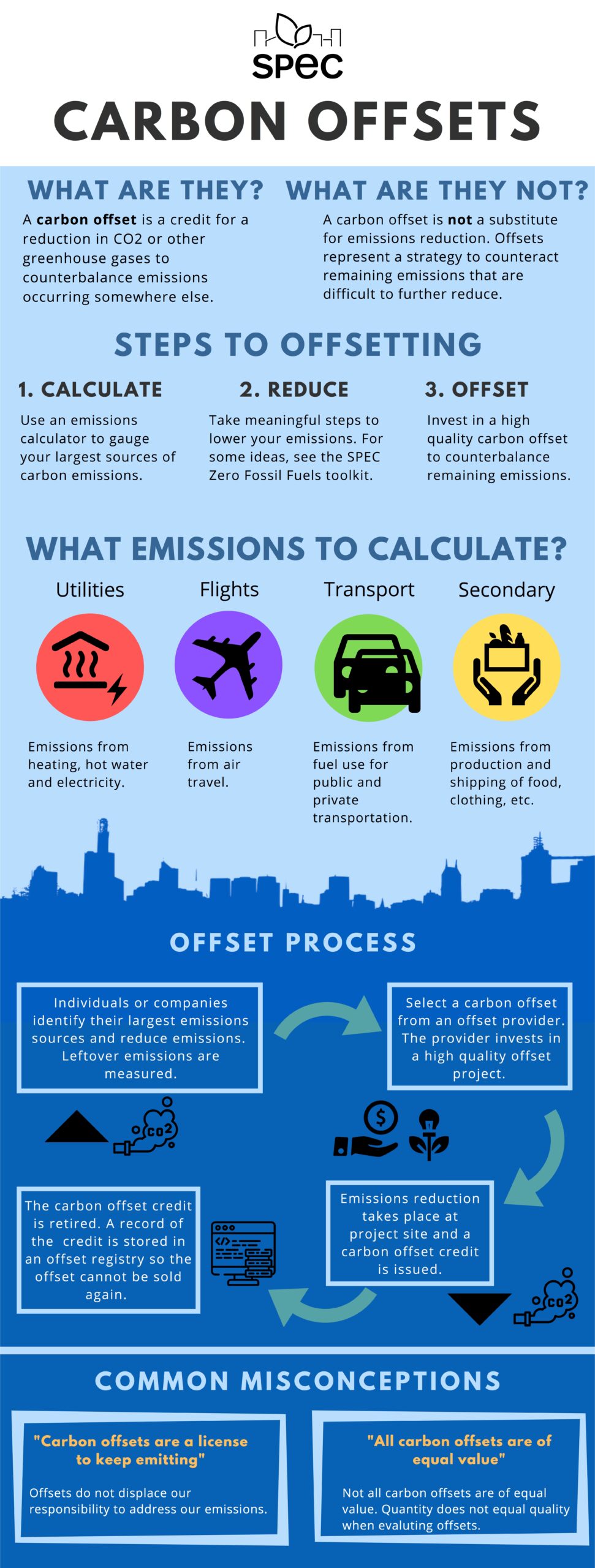
- Transparent Registries**: Registries manage the flow of carbon credits, ensuring that credits are issued correctly and remain inactive until verification.
- Robust Governance**: This includes defined roles, responsibilities, and procedures for managing the project and ensuring compliance with the monitoring system.
- Digital Monitoring Tools**: These include software solutions that facilitate data collection, monitoring, and analysis, enabling project operators to track performance in real-time.