Understanding GLP-1 and Weight Loss Surgery: A Comprehensive Guide
Obesity is a complex condition with various causes, including genetics, environmental factors, medications, and lifestyle choices. Many people struggle to lose weight and keep it off, leading to the recurrence of obesity-related comorbidities. Bariatric surgery is the most effective treatment for obesity, but some patients experience inadequate weight loss or regain weight post-surgery. This is where GLP-1 (Glucagon-like peptide-1) receptor agonists come in, as adjunct therapies to bariatric surgery, either preoperatively or postoperatively.
The Role of GLP-1 in Weight Loss
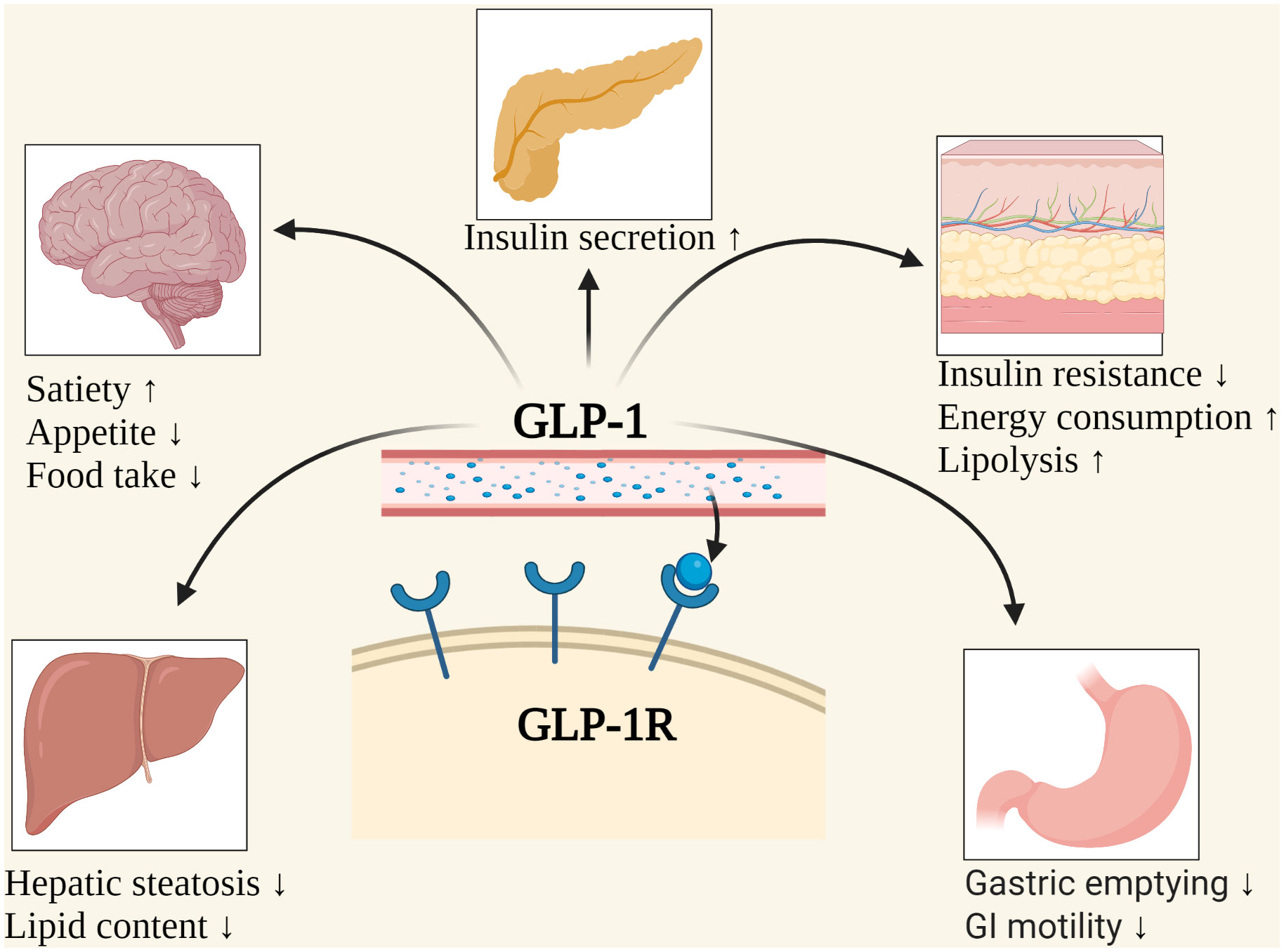
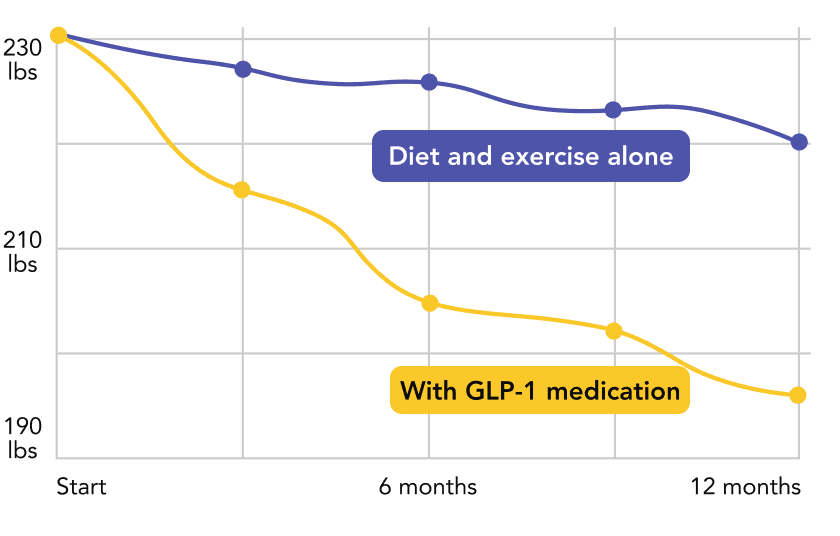
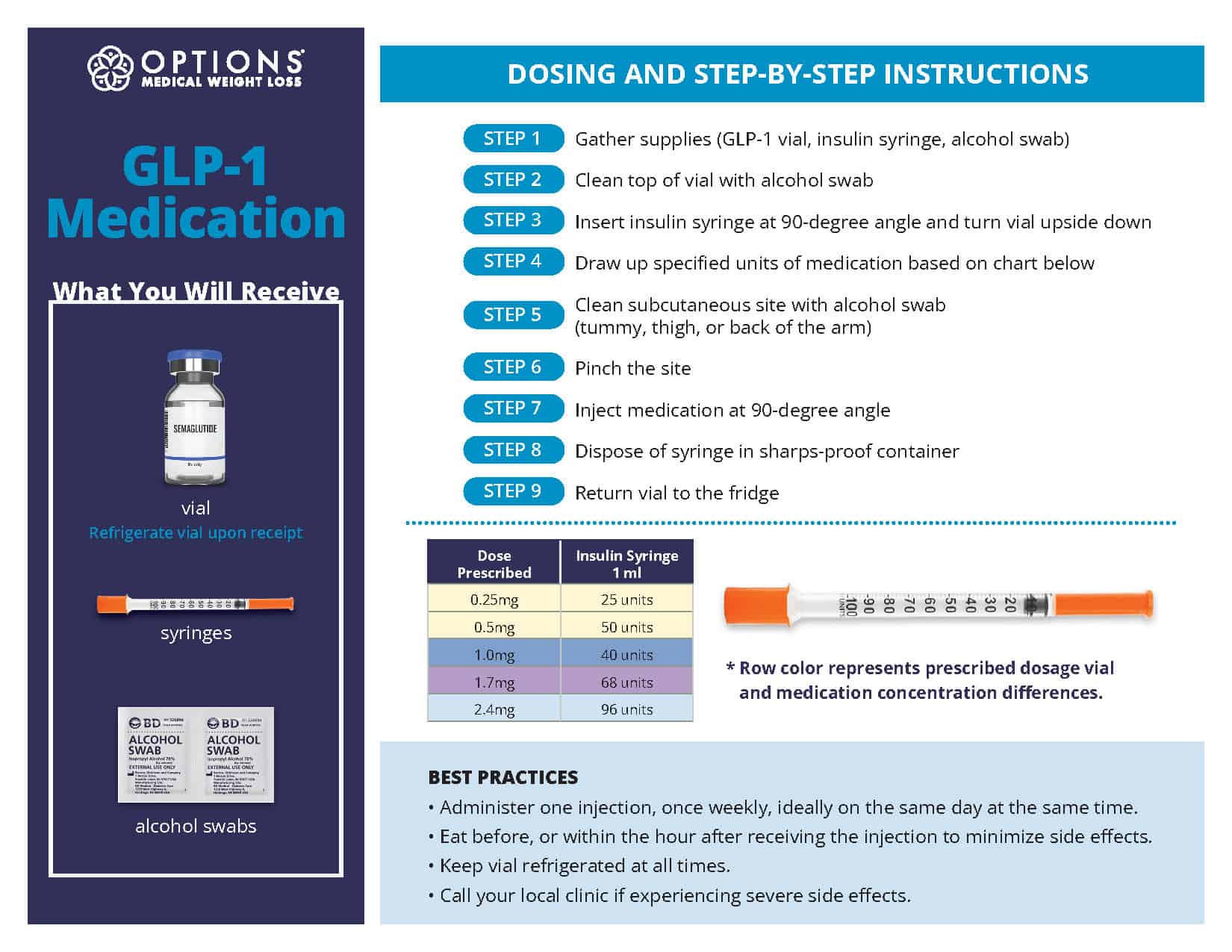
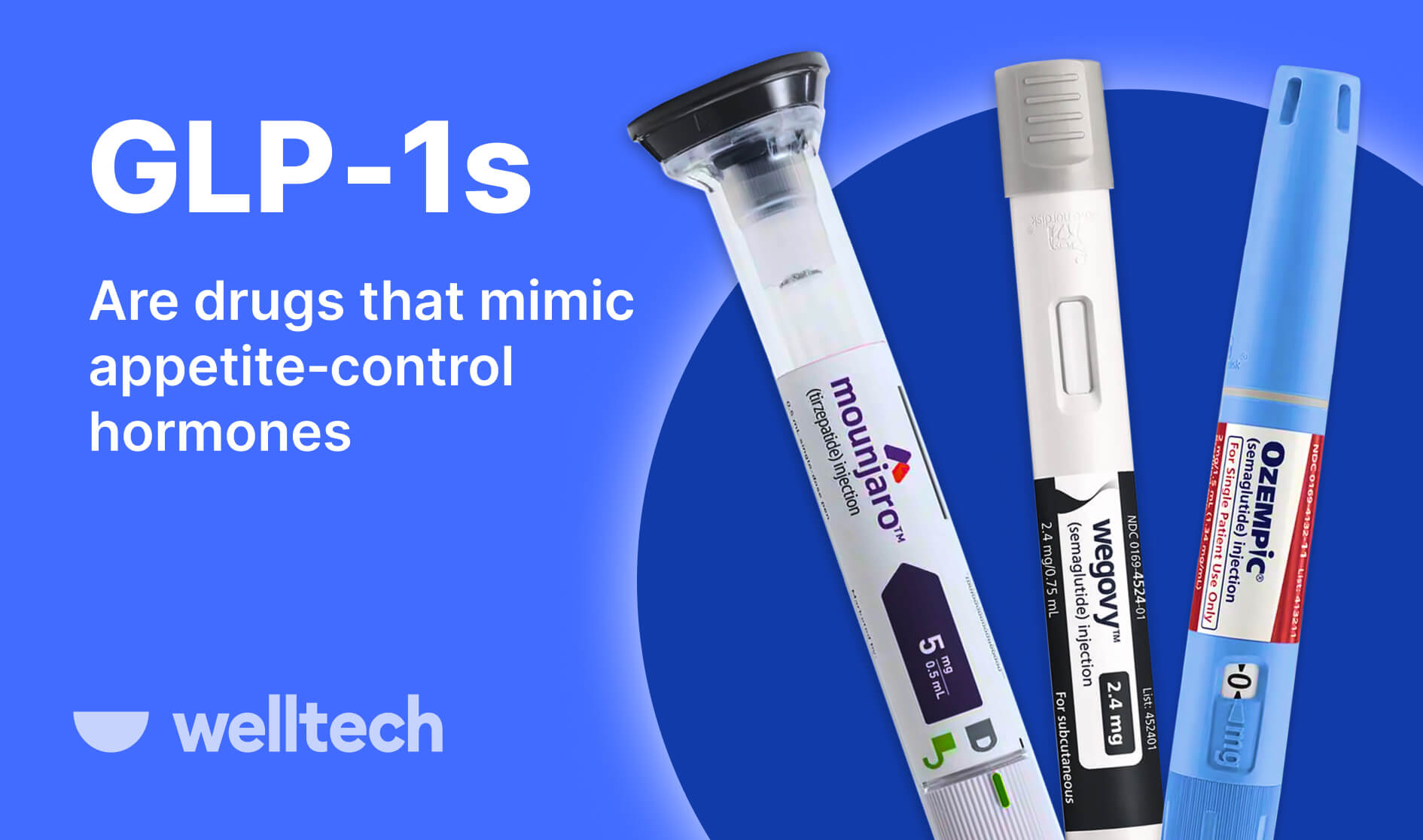
GLP-1 is a hormone that helps regulate blood sugar levels and insulin sensitivity. GLP-1 receptor agonists mimic the action of GLP-1, increasing insulin sensitivity, reducing hunger, and promoting weight loss. These medications are designed to be taken injectably and have been shown to be effective in aiding weight loss in patients with obesity.

Weight Loss Surgery vs. GLP-1 Medications
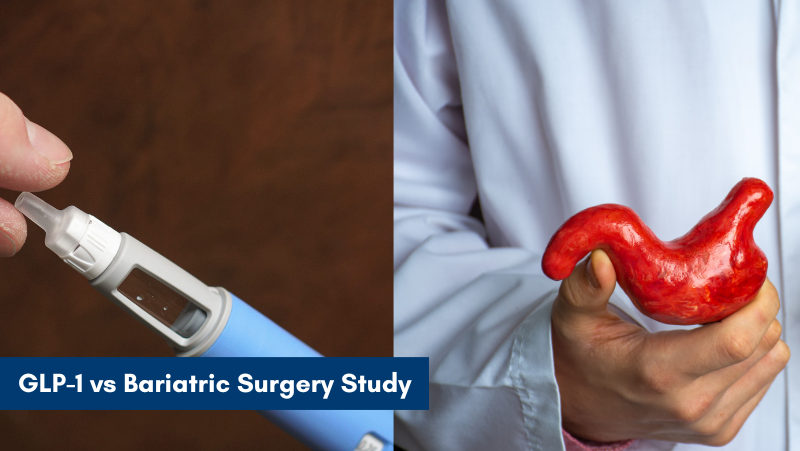
While both weight loss surgery and GLP-1 medications represent proven medical interventions for serious weight loss, they differ dramatically in approach, timeline, and long-term commitment requirements. Weight loss surgery is a more invasive procedure that requires short-term hospitalization, while GLP-1 medications are taken orally and require a longer-term commitment.
- Bariatric surgery: The surgery is considered for patients with a body mass index (BMI) of 40 or higher, or for those with a BMI of 35 or higher with severe obesity-related health conditions.
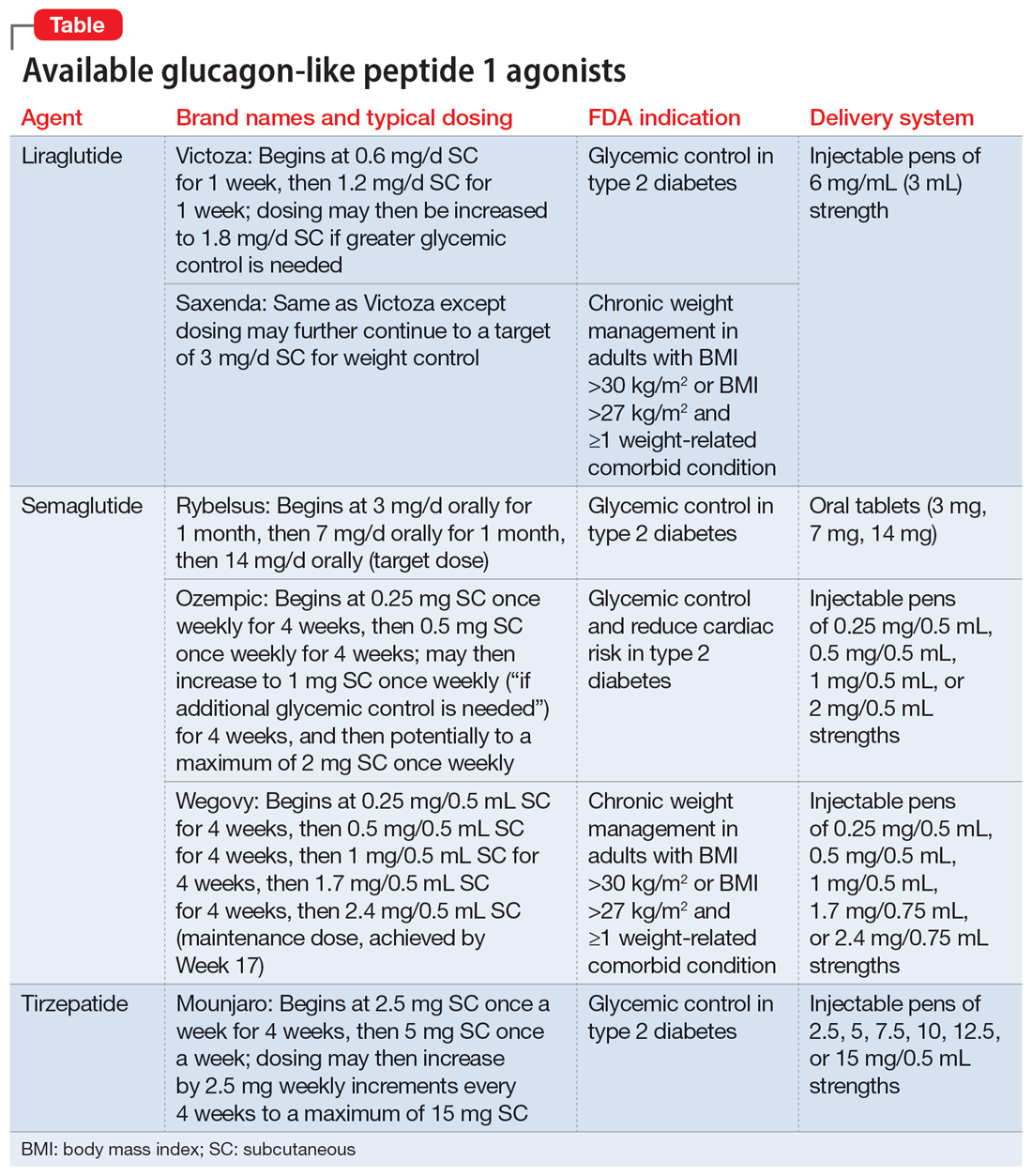
- GLP-1 medications: These medications are typically prescribed for patients with a BMI of 30 or higher, or for those with a BMI of 27 or higher with at least one obesity-related health condition.








:max_bytes(150000):strip_icc()/health-GettyImages-2025836701-ce3f5ccf0f98428e9d14abaeb07ba307.jpg "Why does weight loss stall on GLP-1 medications?")