Understanding GLP-1 Peptide and Blood Sugar Control
The Crucial Role of GLP-1 in Blood Sugar Regulation
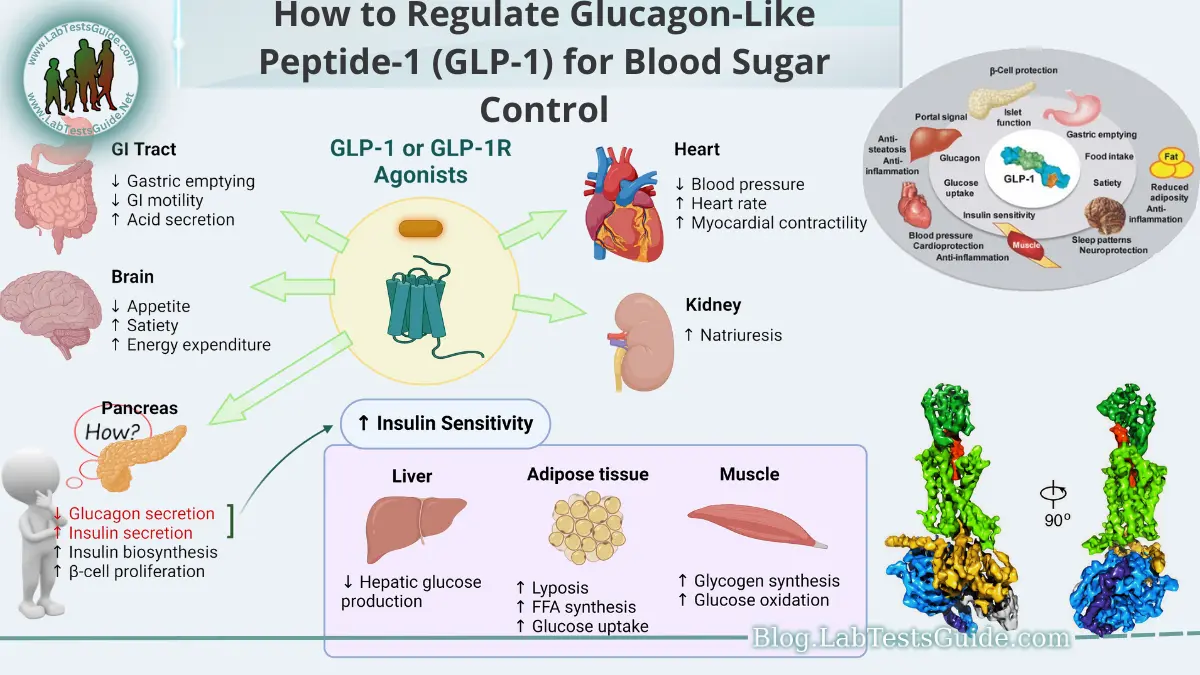
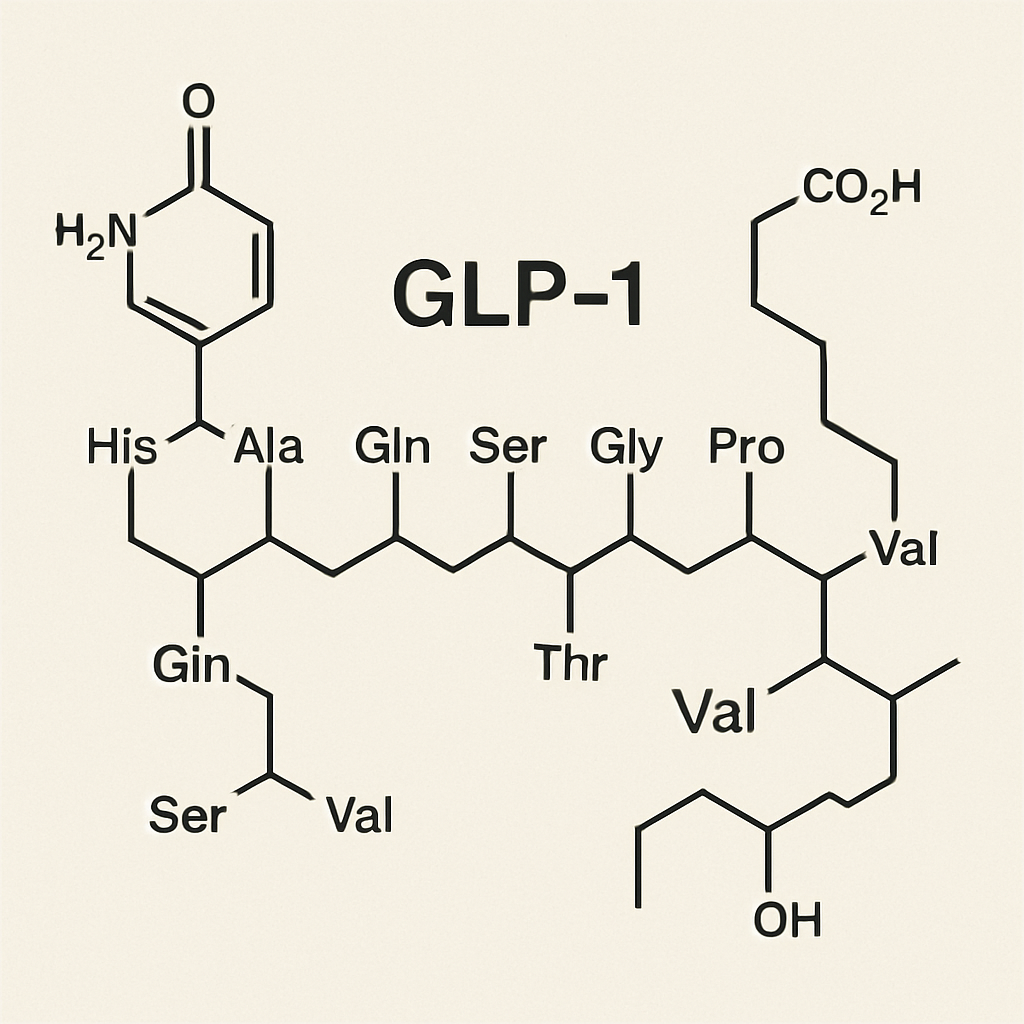
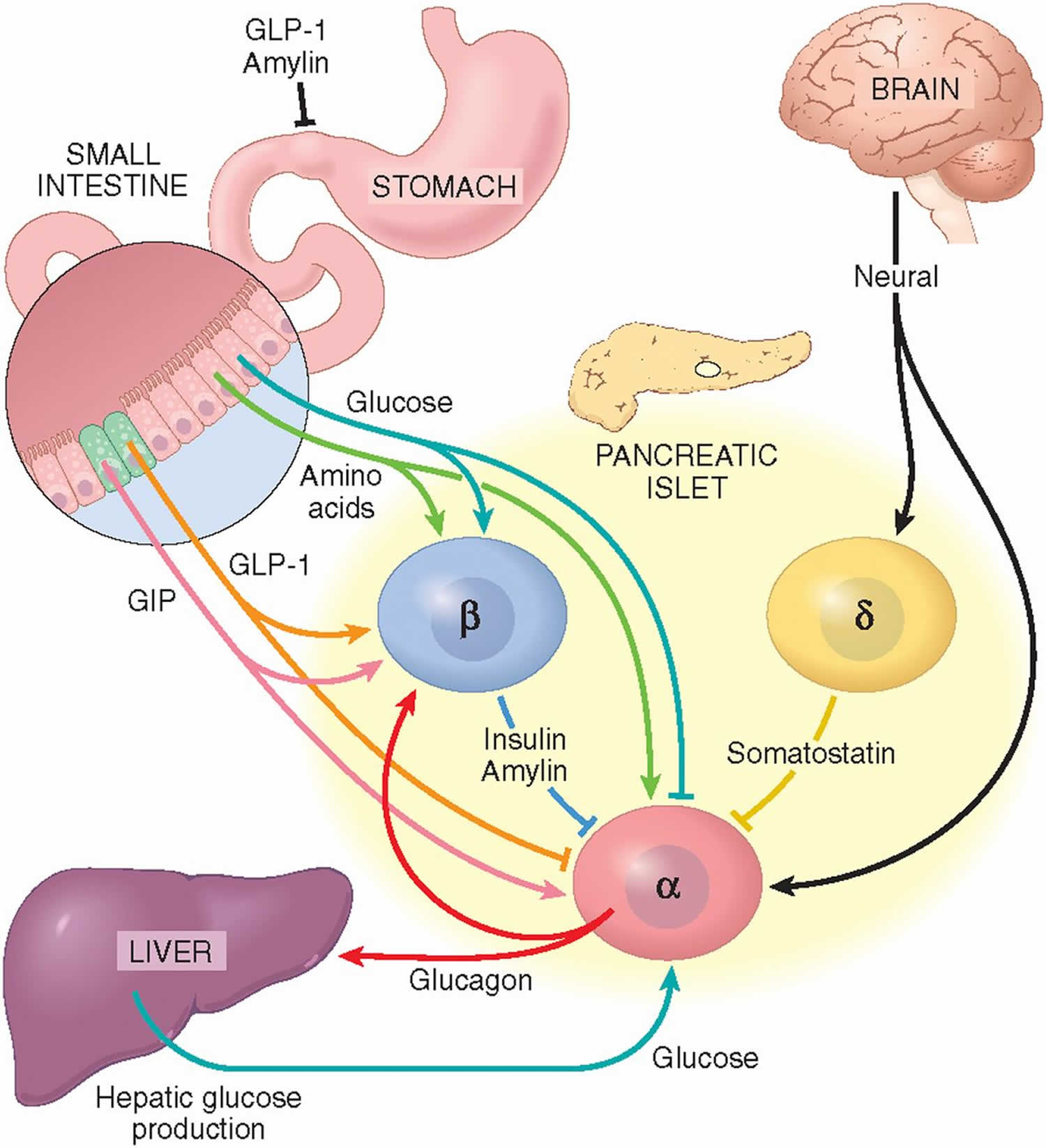
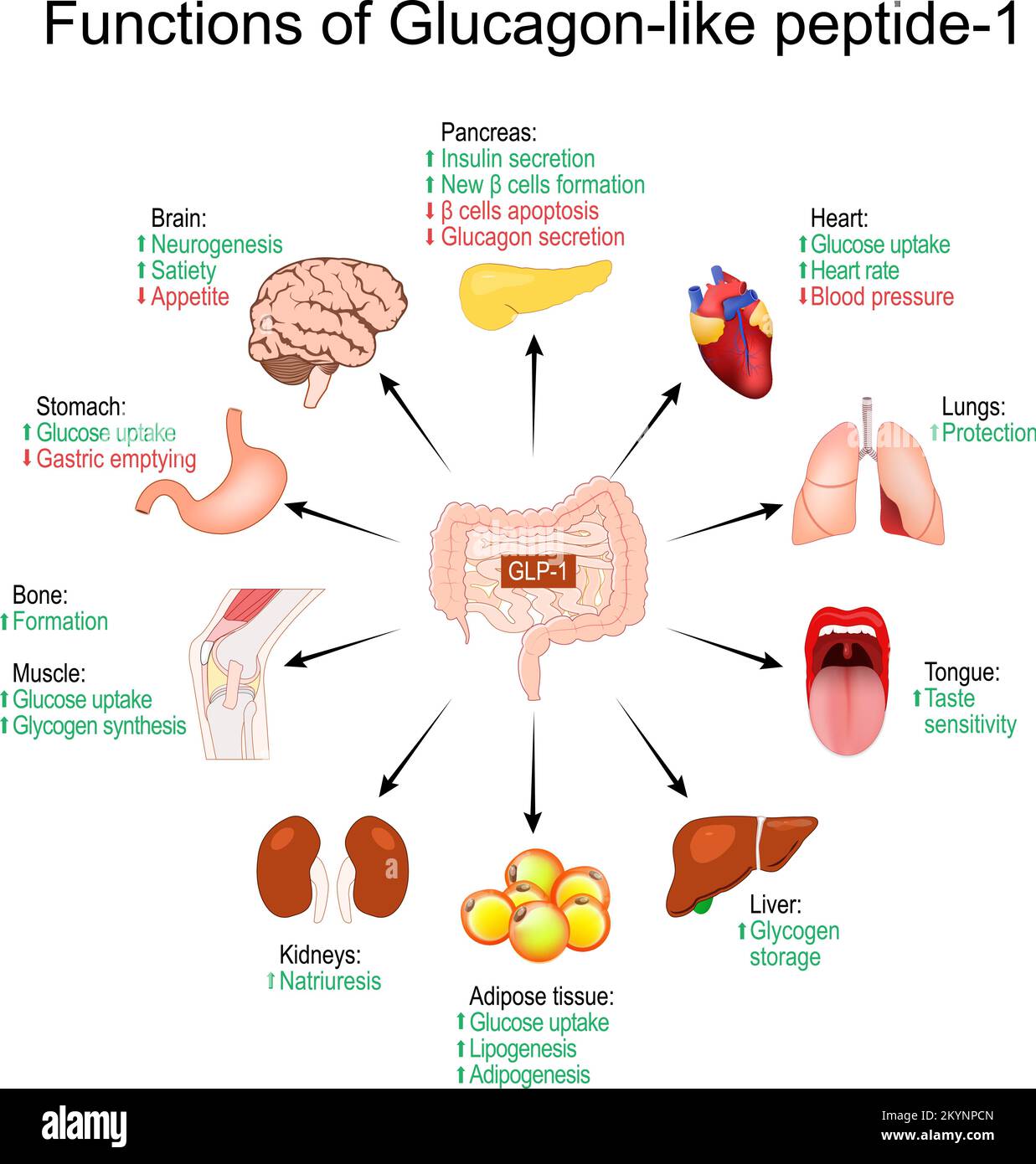
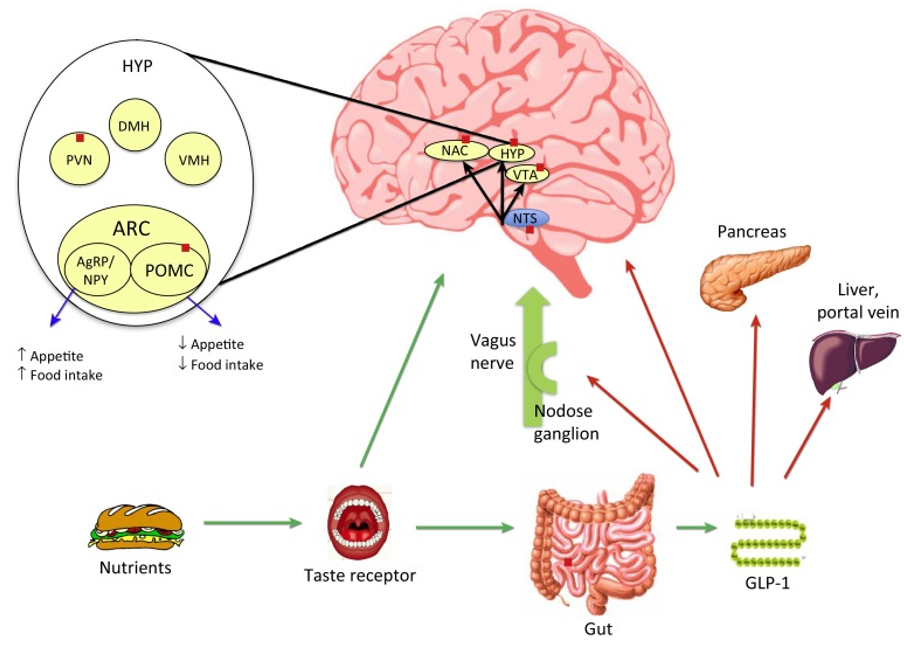
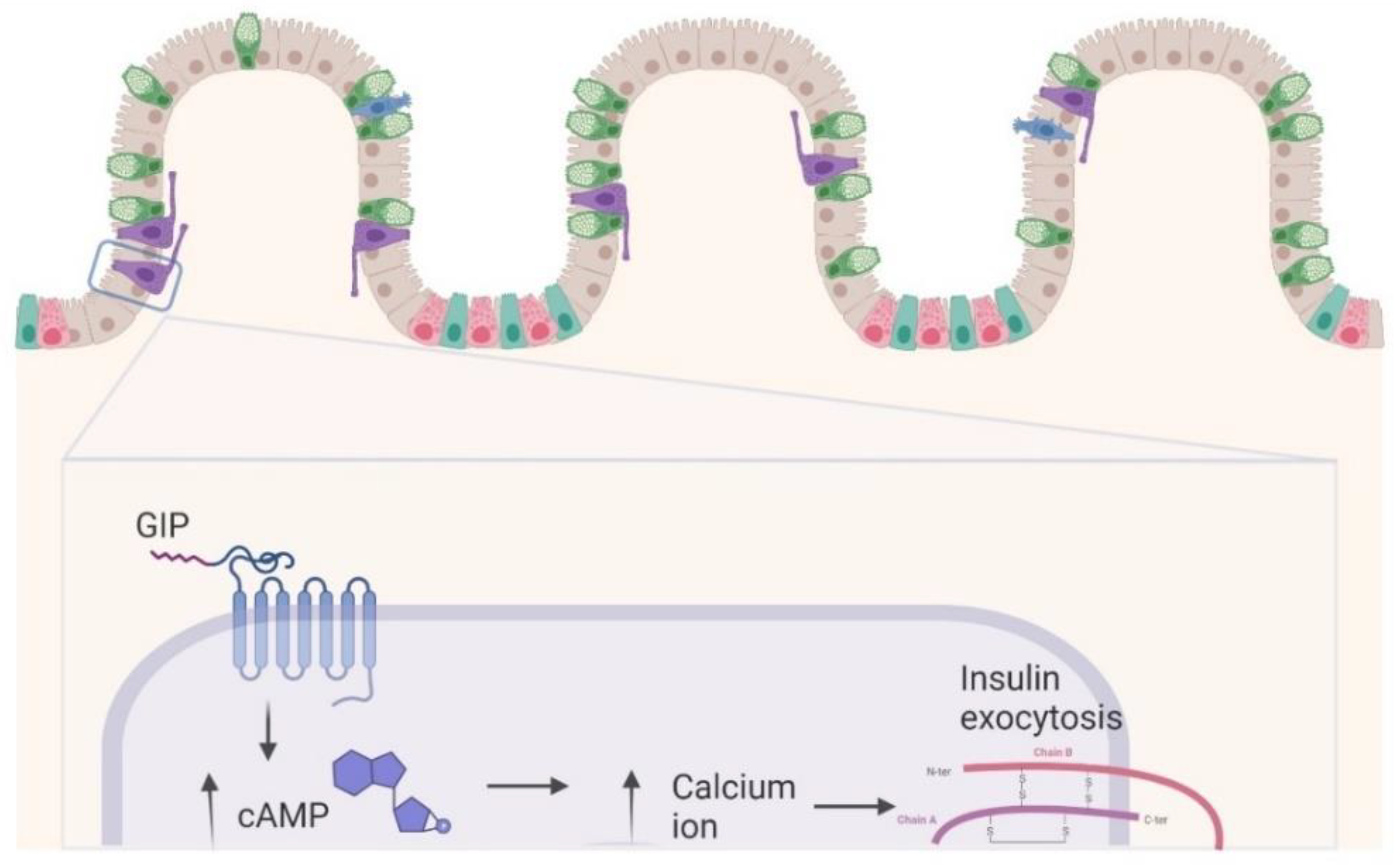
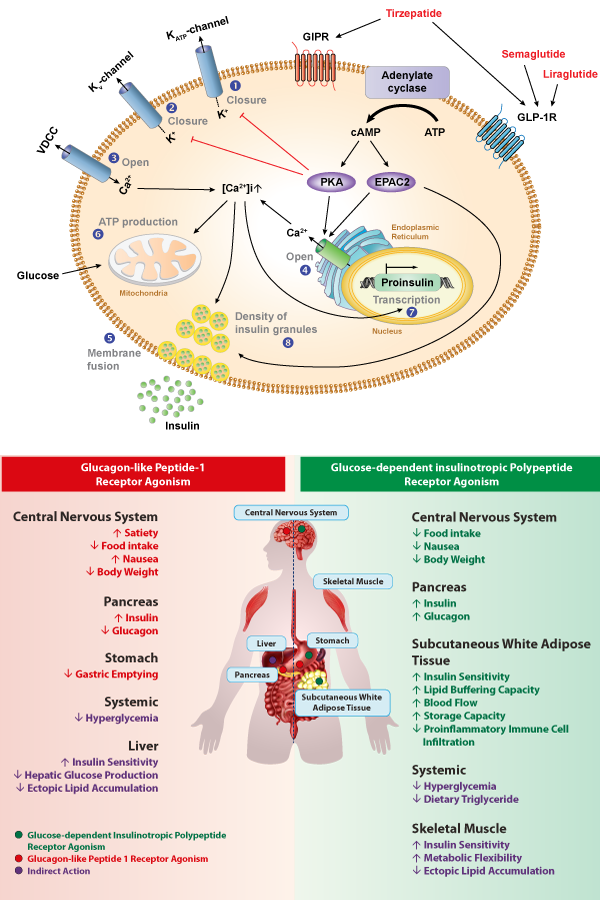
Glucagon-like peptide-1 (GLP-1) is a hormone produced by the small intestine in response to nutrient consumption, playing a vital role in regulating blood sugar levels. This peptide signals the brain to initiate insulin release from the pancreas, helping to maintain stable blood glucose levels.
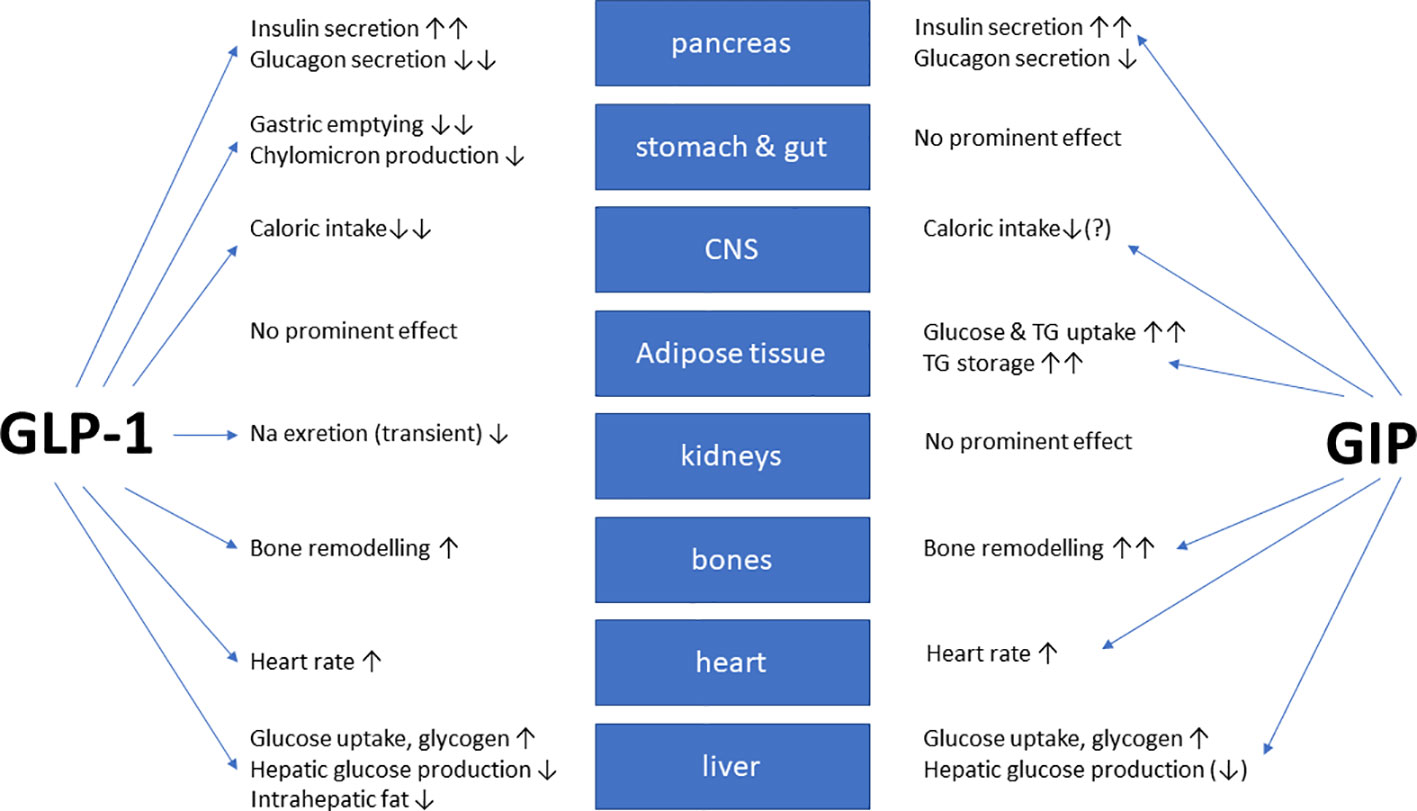
Research has shown that GLP-1 receptor agonists, medications that mimic the action of GLP-1, can improve glycemic control and promote weight loss by enhancing insulin secretion and reducing glucagon output from pancreatic alpha cells. This elegant feedback loop enables the body to maintain a delicate balance of blood sugar levels, reducing the risk of metabolic disorders and related conditions.
How GLP-1 Peptide Regulates Blood Sugar
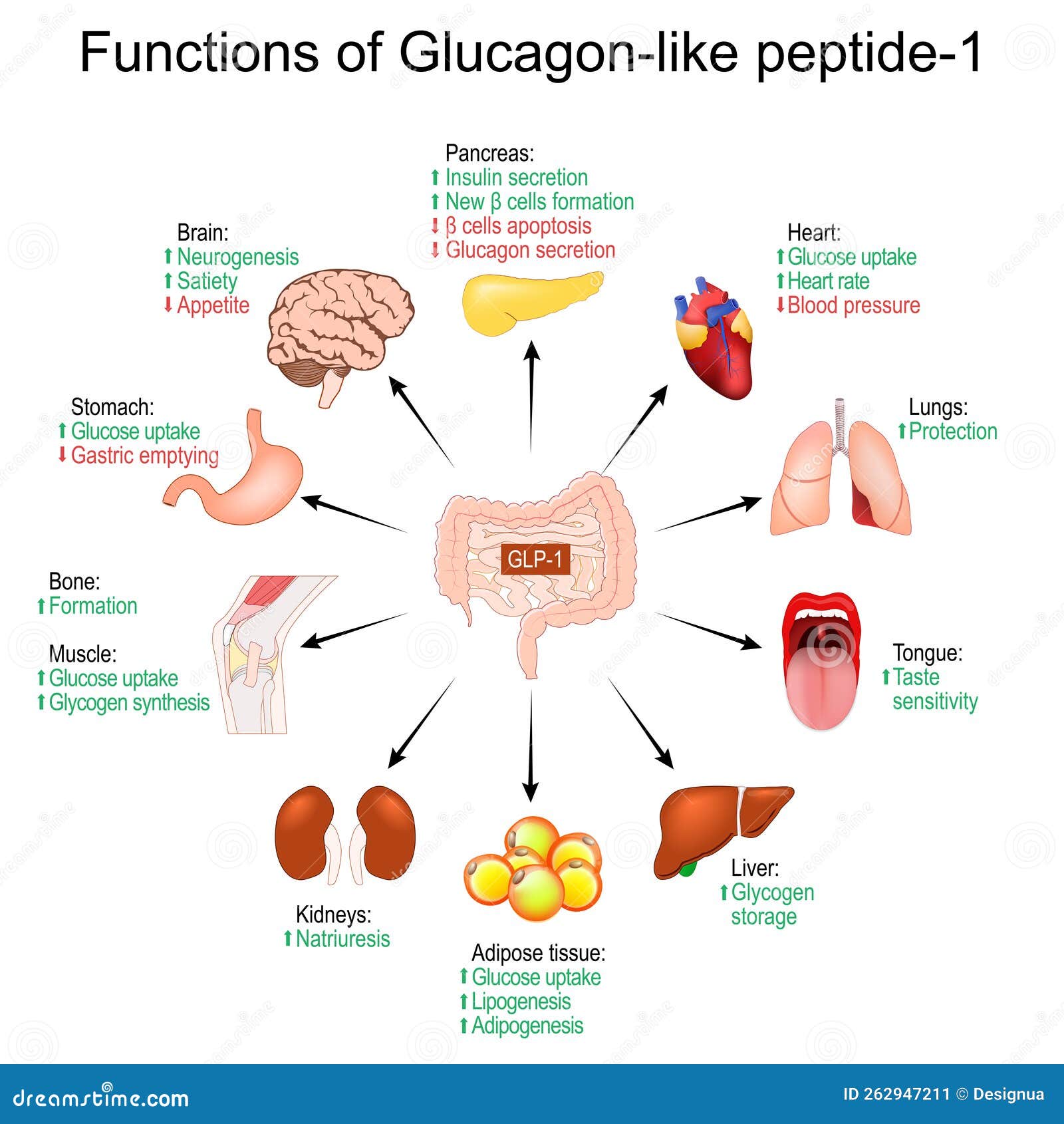
- Stimulates insulin release from the pancreas
- Reduces glucagon output from pancreatic alpha cells
- Promotes glucose-dependent insulin production
GLP-1 is a key player in the regulation of blood sugar levels, and GLP-1 receptor agonists have emerged as groundbreaking medications for managing type 2 diabetes and associated metabolic disorders. These agents not only improve glycemic control but also have potential benefits for weight loss and cardiovascular health.
The Science Behind GLP-1 Medications
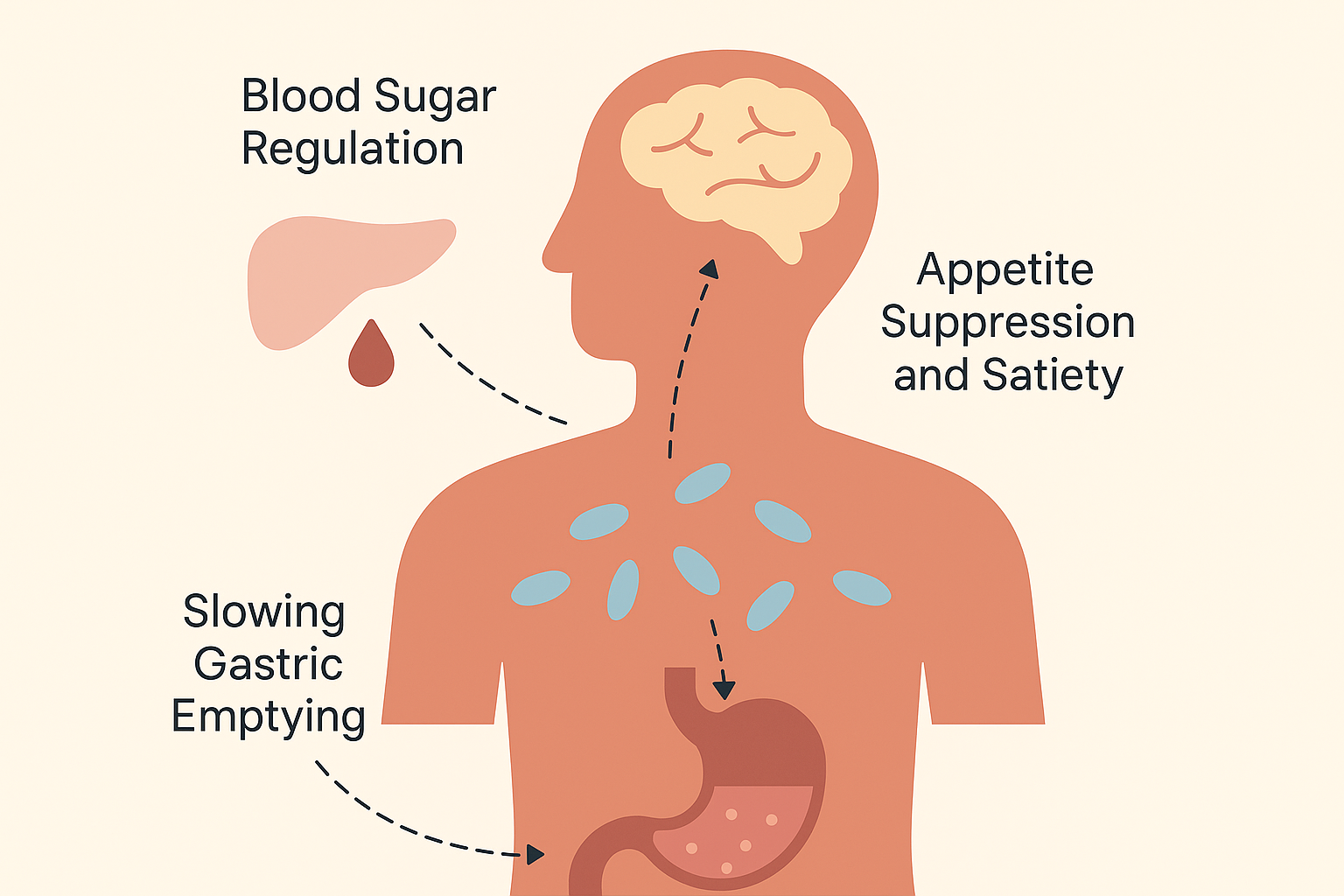
GLP-1 medications, such as Ozempic, Wegovy, and Mounjaro, work by mimicking the action of GLP-1, reducing appetite and slowing digestion. This leads to improved blood sugar control and weight loss. However, these medications may also lead to potential side effects, and users should consult a healthcare professional for personalized guidance.









:max_bytes(150000):strip_icc()/health-GettyImages-2025836701-ce3f5ccf0f98428e9d14abaeb07ba307.jpg "How a Venomous Desert Lizard Helped Lead Scientists to Ozempic")