GLP-1 Therapy and Mindful Eating for Low Socioeconomic Individuals: A Holistic Approach to Effective Weight Management
Navigating the Intersection of GLP-1 Therapy and Mindful Eating
For individuals living in low socioeconomic contexts, managing weight and improving overall health can be a daunting task. The recent proliferation of GLP-1 therapies, however, has provided a glimmer of hope for those struggling with obesity and related health issues. But, as with any innovative medical treatment, there's a need for a corresponding shift in lifestyle and nutritional habits to maximize the effectiveness of GLP-1 therapy and minimize potential side effects. In this article, we'll explore the importance of mindful eating and nutritional management for low socioeconomic individuals undergoing GLP-1 therapy.Navigating Nutritional and Medical Management of GI Side Effects
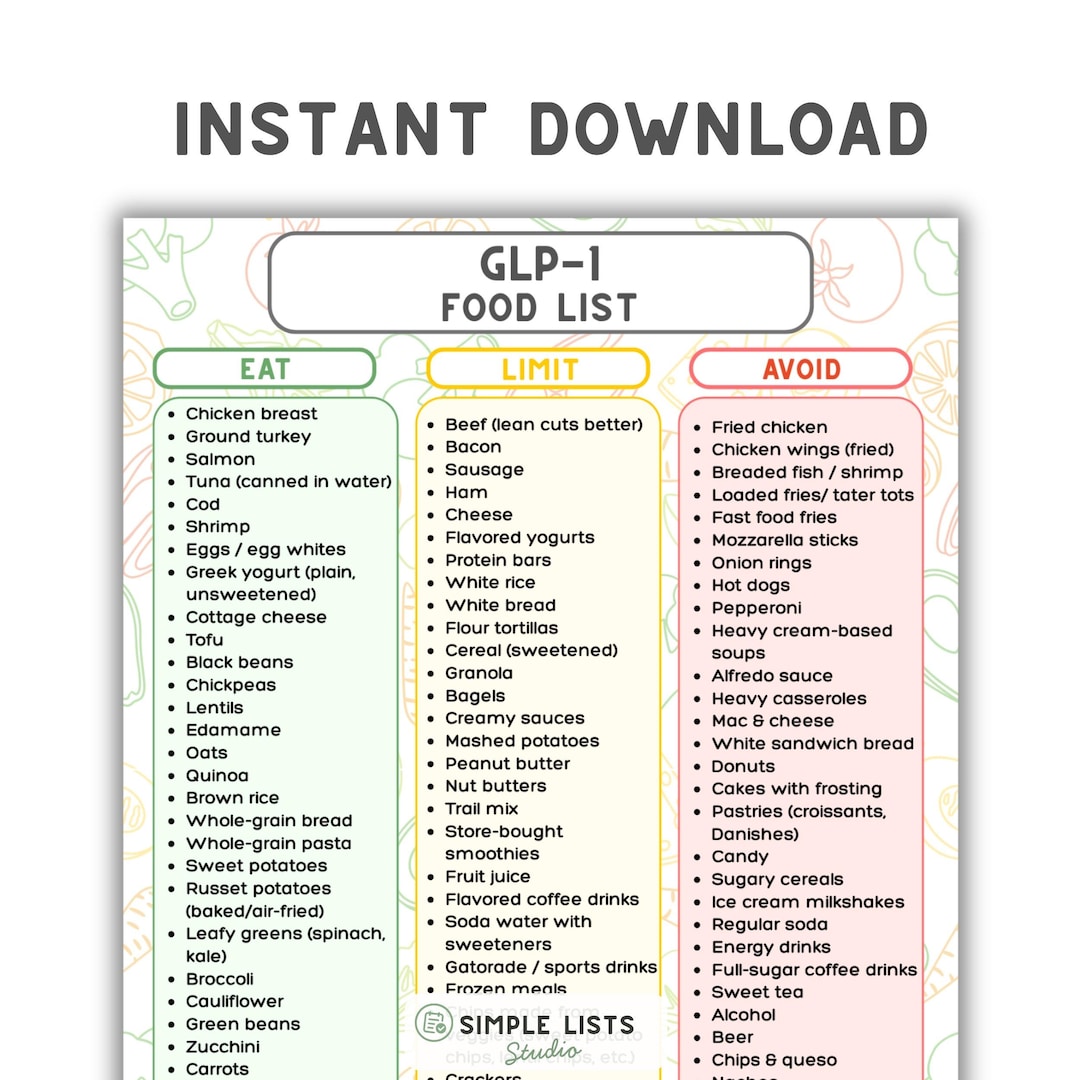
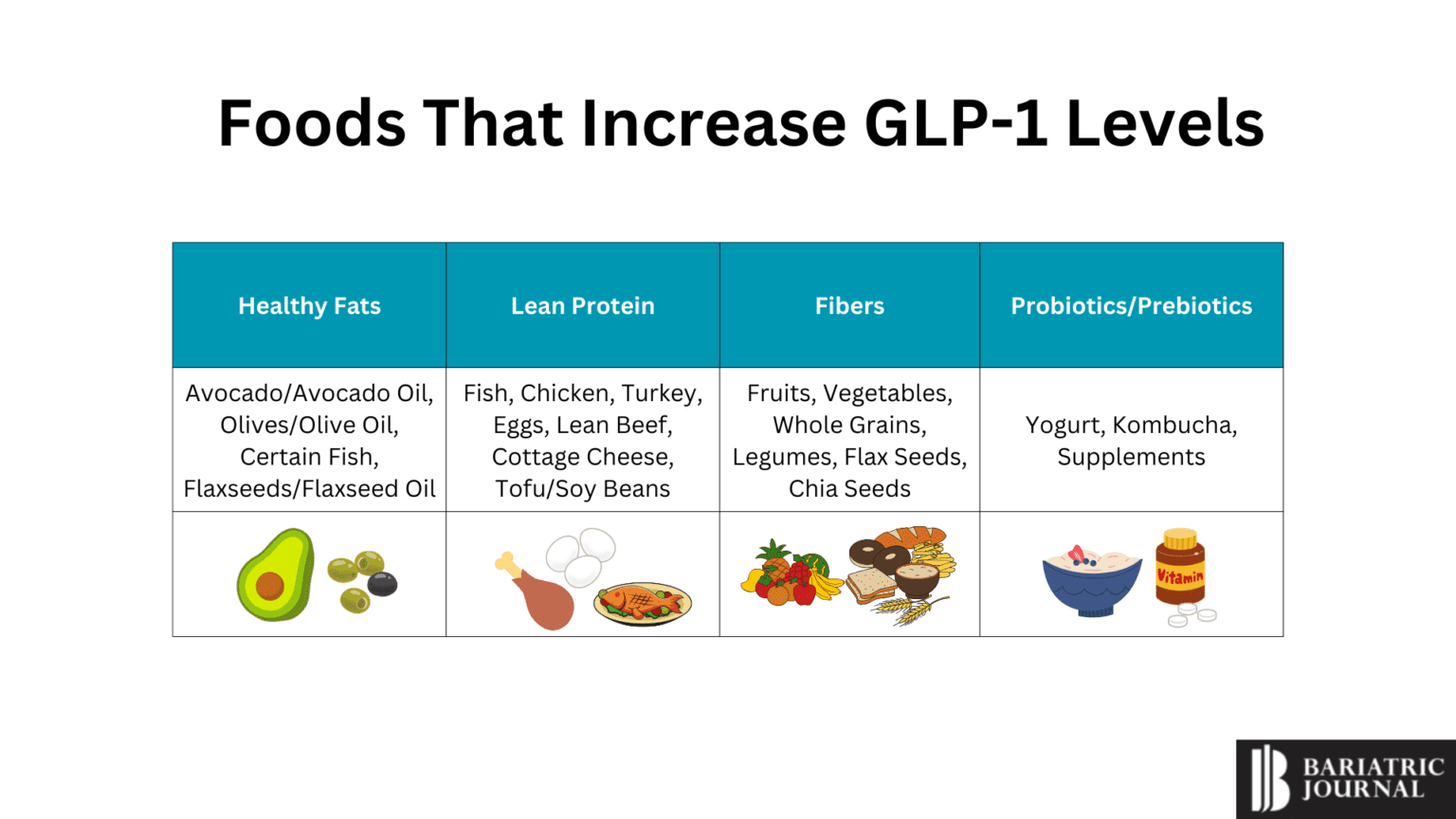
When using GLP-1 therapies, it's crucial to address nutritional and medical management of gastrointestinal side effects, as well as navigate altered dietary preferences and intakes. Moreover, preventing nutrient deficiencies, preserving muscle and bone mass through resistance training and proper diet, and implementing complementary lifestyle interventions are equally vital (Mozaffarian, Agarwal, Aggarwal, et al., 2024).

GLP-1 Therapy: A Powerful Tool for Weight Management, But Not a Magic Solution
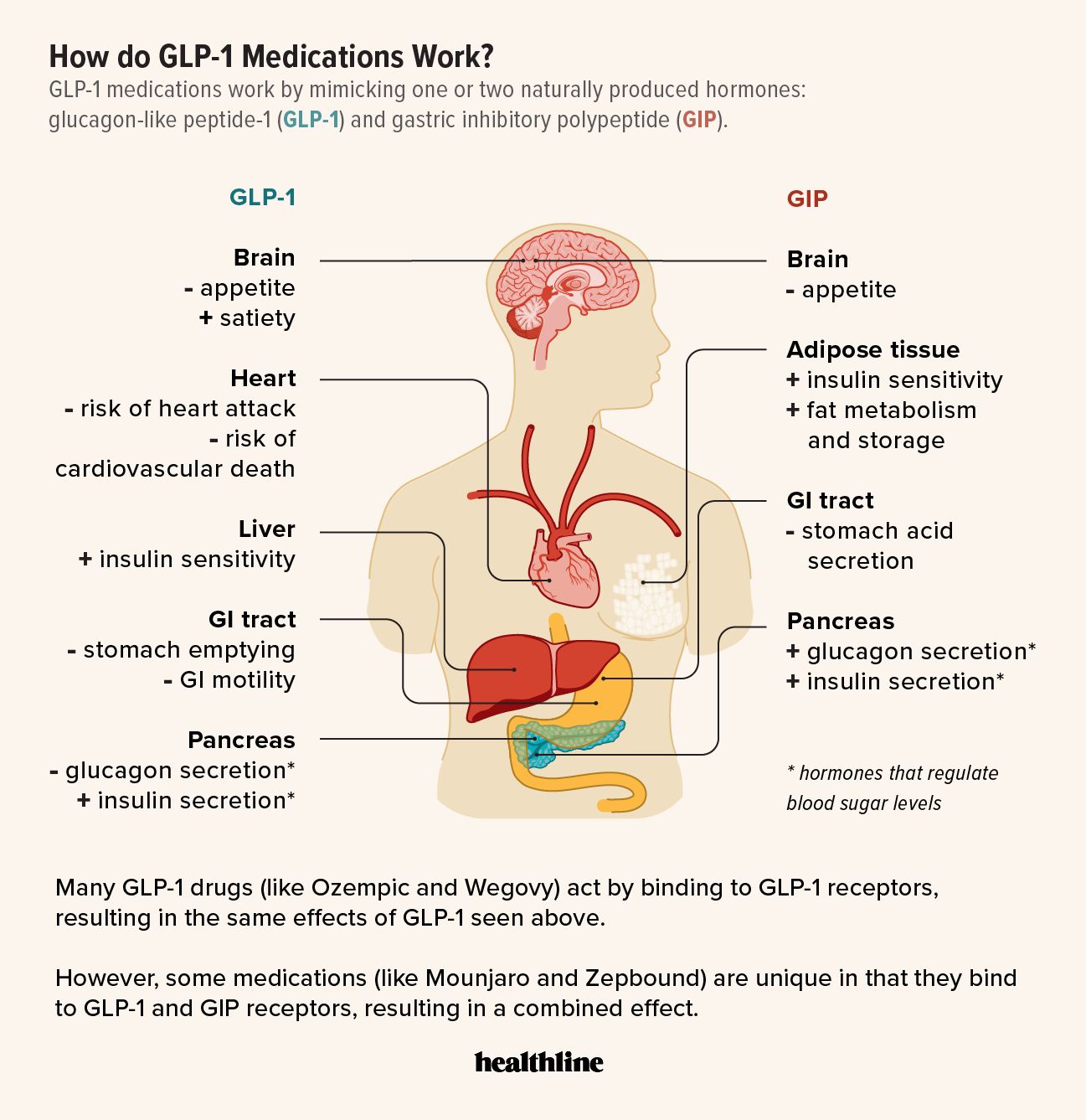
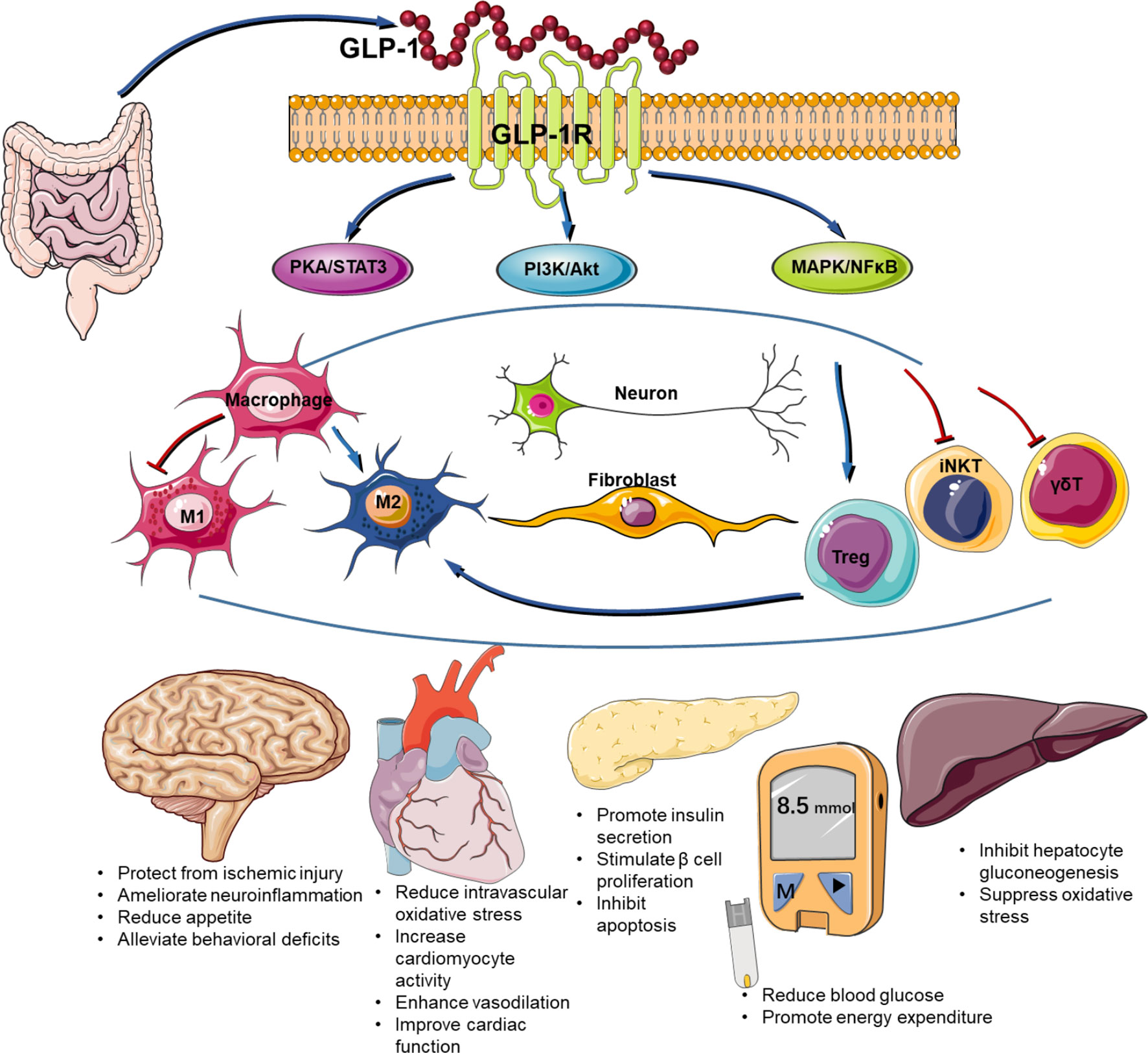
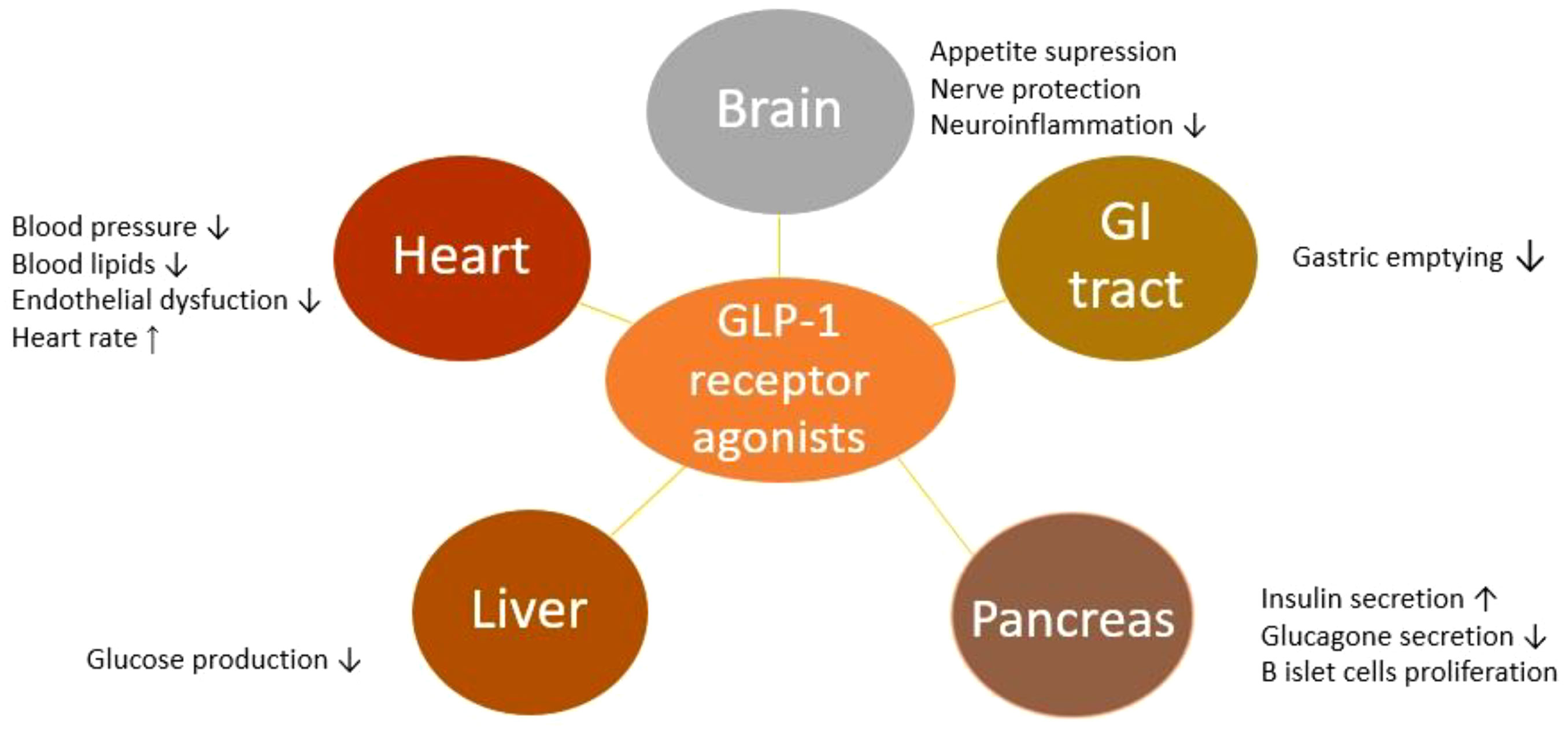
While GLP-1 medications are an effective tool for managing weight and improving metabolic health, they don't work in isolation. A balanced, nourishing diet and a mindful approach to eating are essential to maximizing the benefits of GLP-1 therapy and minimizing potential side effects. This includes avoiding the stark diet restrictions often seen in those with eating disorders, and recognizing the interconnected nature of GLP-1 and the brain (Mozaffarian, Agarwal, Aggarwal, et al., 2024).













+on+Your+Journey.jpg "How to Build a Balanced Diet While on GLP-1 Therapy")