GLP-1 Therapy and Mindful Eating Retreats: A Holistic Approach to Weight Management
As the obesity epidemic continues to rise, the healthcare community is turning to innovative solutions to help individuals achieve and maintain a healthy weight. GLP-1 therapy has emerged as a powerful tool in the fight against obesity, but it's just one piece of the puzzle. When combined with mindful eating practices, the results can be transformative.
The Power of GLP-1 Therapy
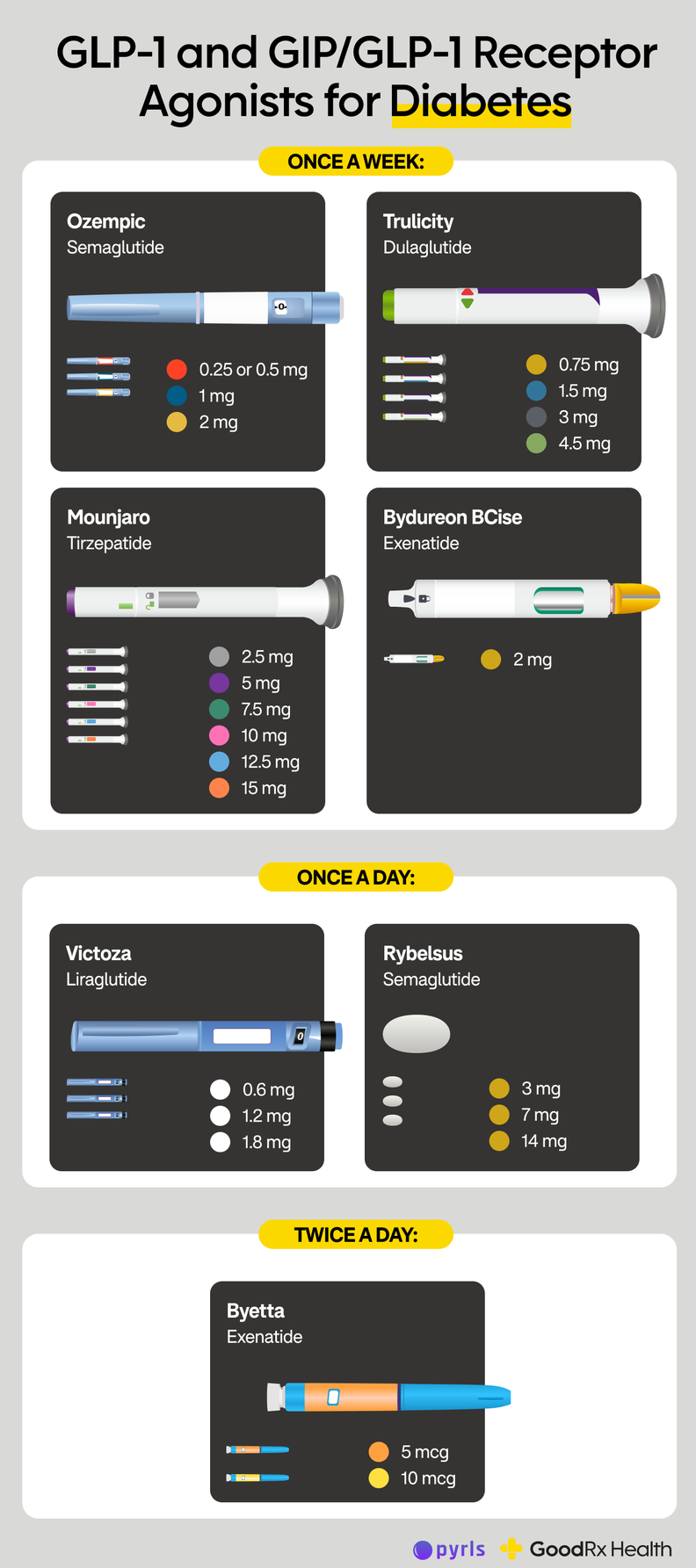
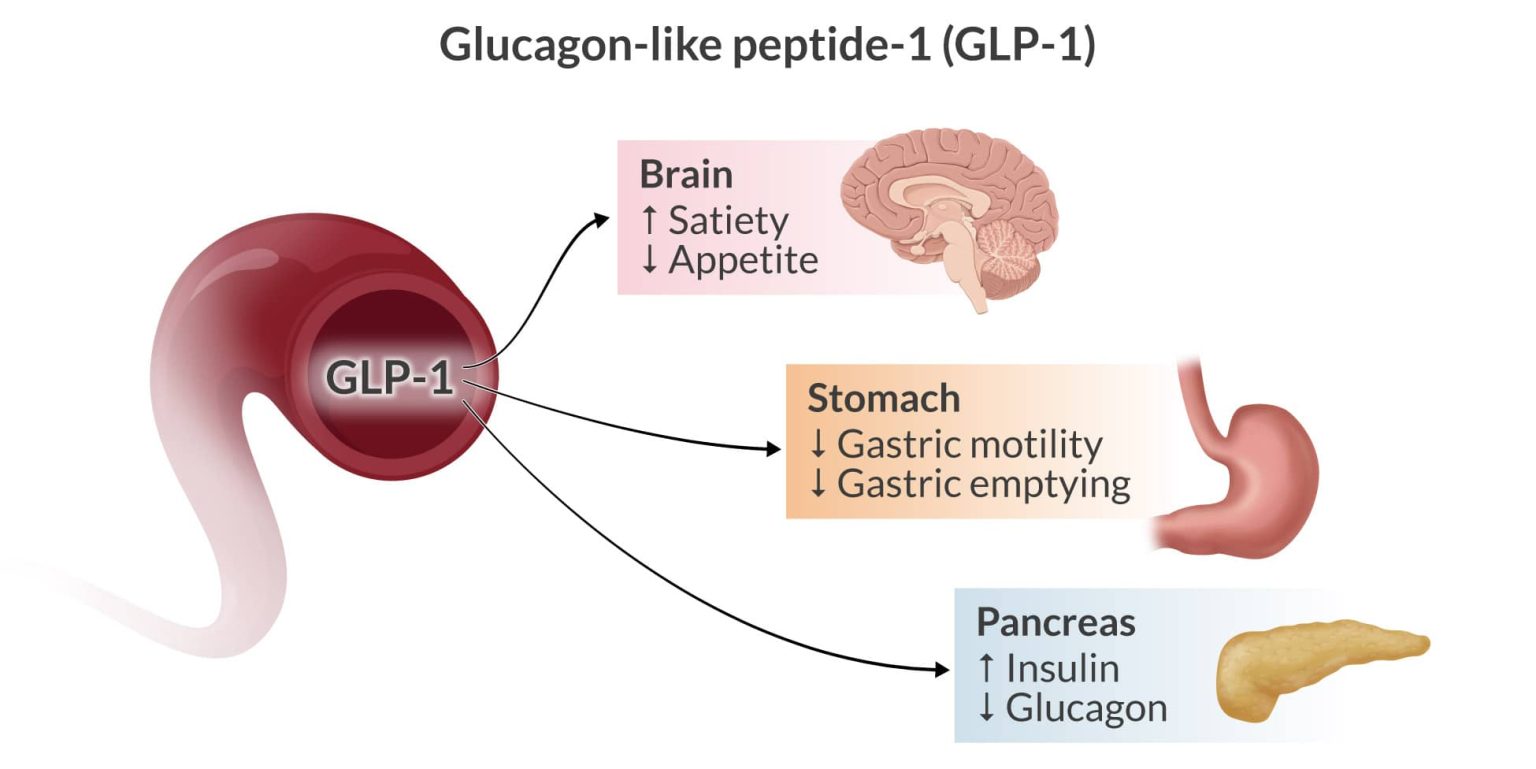
GLP-1 medications, such as semaglutide and tirzepatide, work by slowing stomach emptying and affecting appetite-regulating hormones. This supports fullness and weight loss, but it can also lead to gastrointestinal symptoms if eating patterns aren't adjusted. By teaching individuals to listen to their hunger cues and develop a more mindful relationship with food, we can maximize the benefits of GLP-1 therapy and minimize its side effects.
The Benefits of Mindful Eating

Mindful eating practices, such as consciouseating, breath work, and stress management techniques, can help individuals manage stress and emotional eating while fostering a balanced approach to overall health and wellness. By understanding the psychological triggers for overeating, individuals can develop a more compassionate relationship with food and themselves.
The Intersection of GLP-1 Therapy and Mindful Eating
When GLP-1 therapy and mindful eating practices are combined, the results can be nothing short of remarkable. Individuals can learn to listen to their hunger cues, develop a more mindful relationship with food, and build sustainable habits that lead to long-term success. This integrated approach addresses both the physiological and psychological aspects of eating behavior, leading to a deeper understanding of food and body cues.