GLP-1 Therapy for Metabolic Syndrome: A Comprehensive Guide
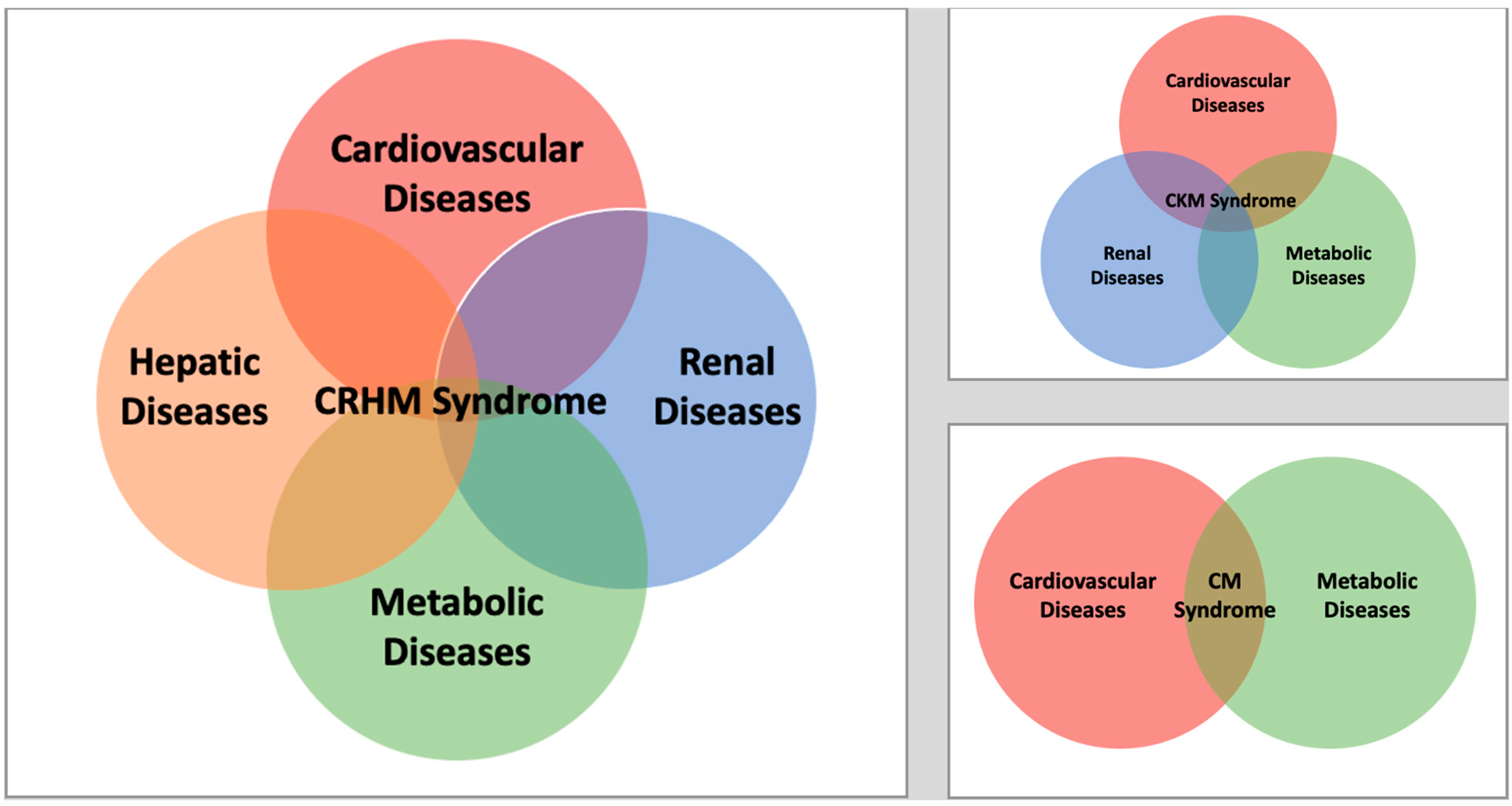
Metabolic syndrome, a clustering of metabolic disorders, affects millions of people worldwide. The condition is characterized by a combination of insulin resistance, high blood pressure, high blood sugar, excess fat around the waist, and abnormal cholesterol levels. While conventional treatments often provide temporary relief, glucagon-like peptide-1 (GLP-1) therapy for metabolic syndrome has emerged as a promising approach to managing this complex condition.
Understanding GLP-1 and Its Role in Metabolic Syndrome
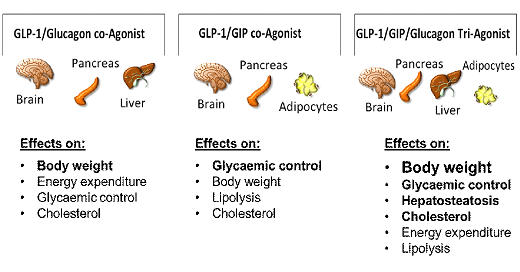
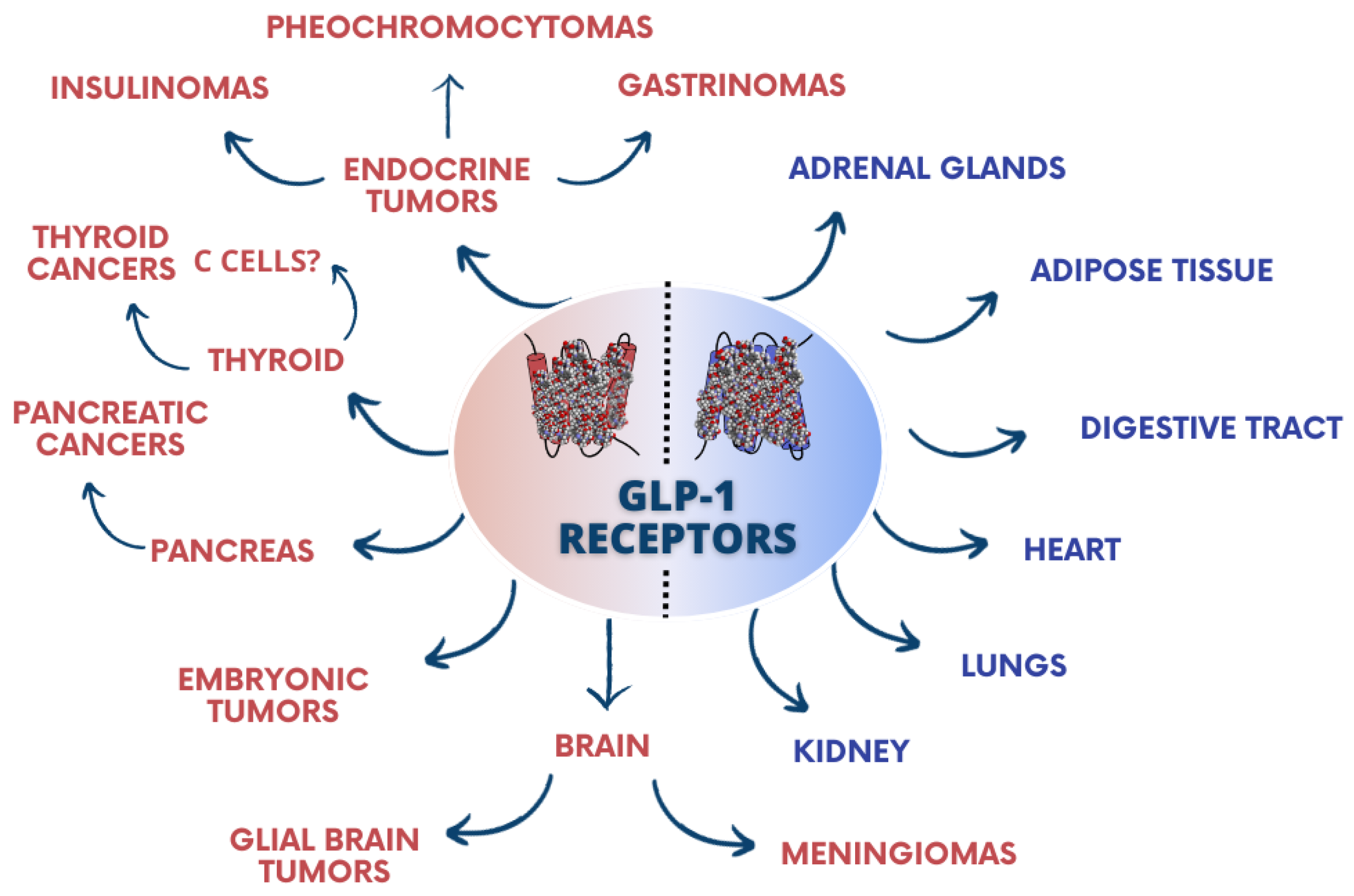
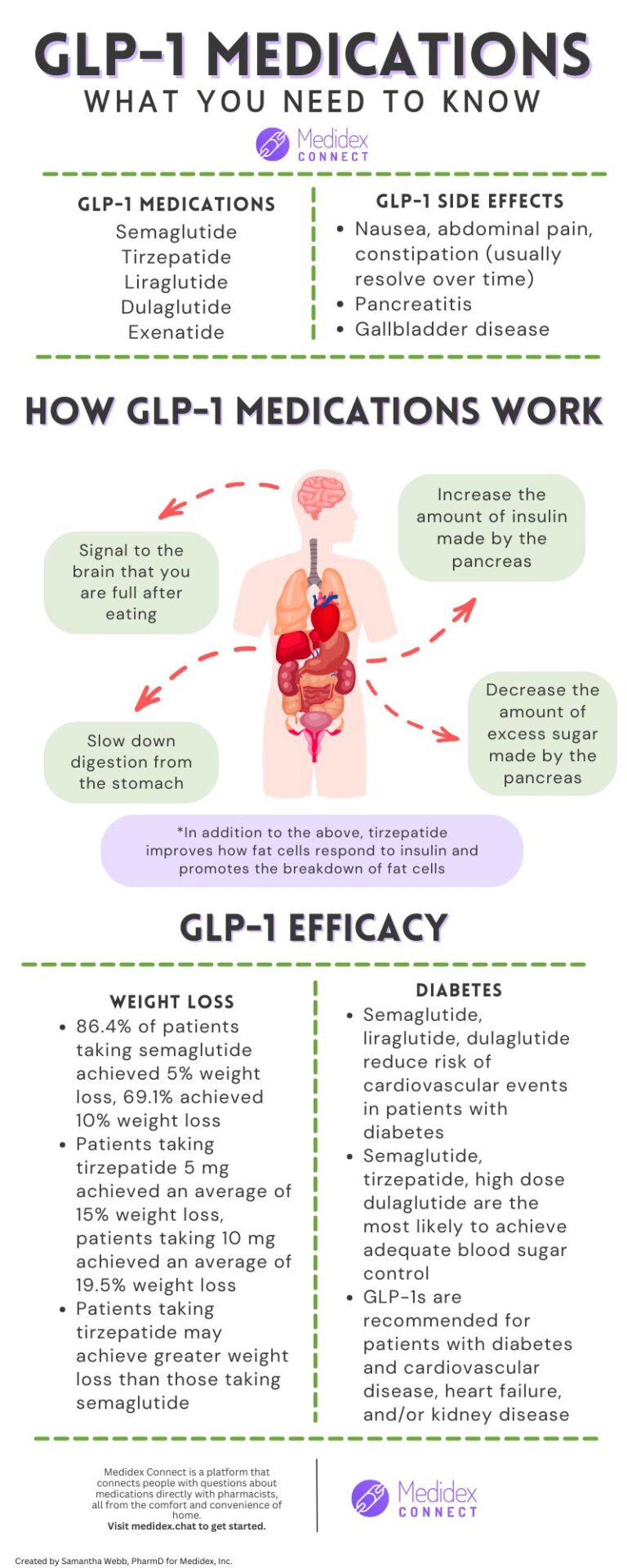
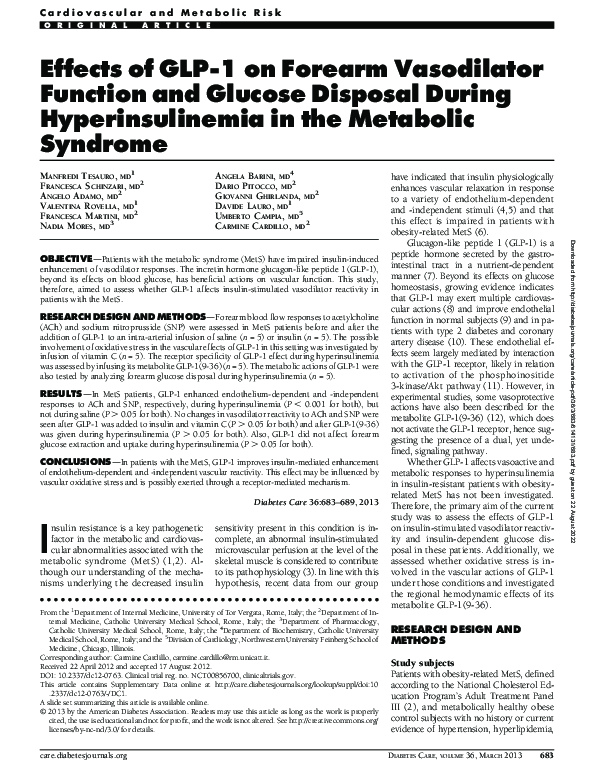
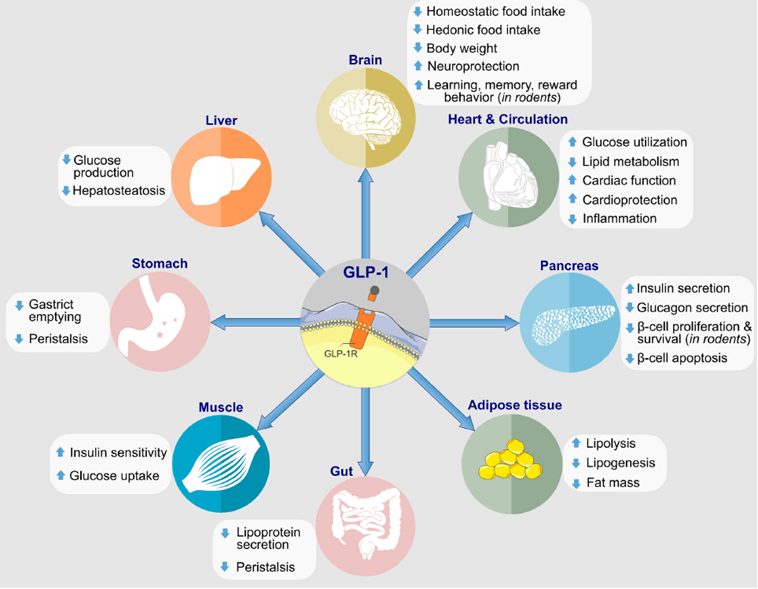
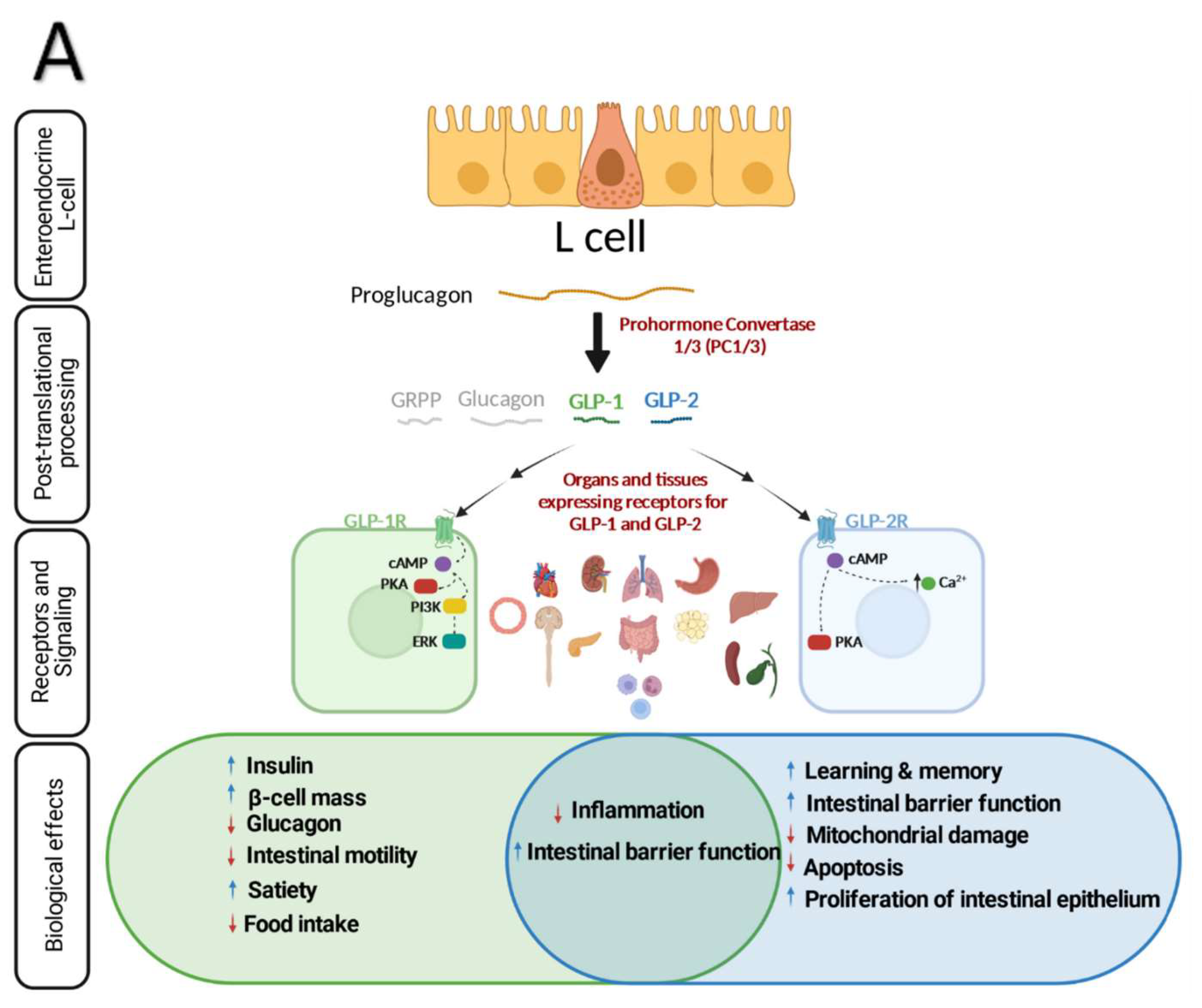
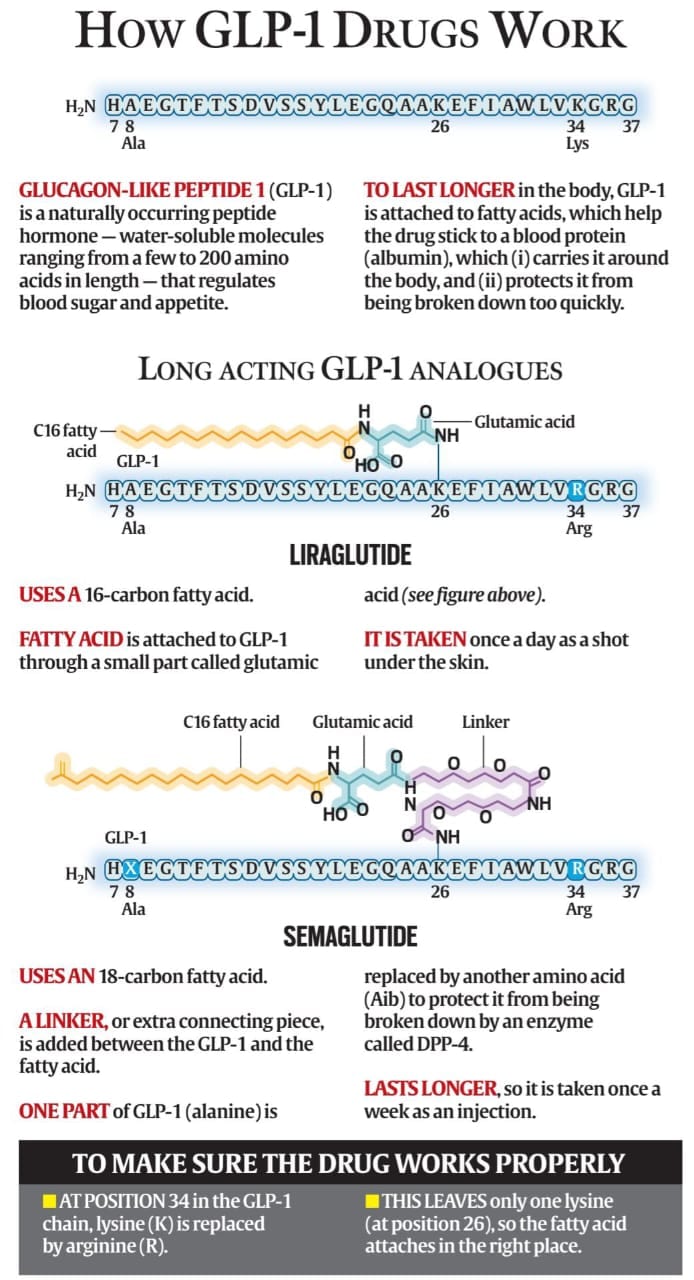
GLP-1 hormone, also known as incretin, plays a crucial role in glucose metabolism. This peptide regulates blood sugar levels by enhancing insulin secretion and suppressing glucagon release. Research has shown that reduced GLP-1 secretion is associated with type 2 diabetes (T2DM) and metabolic syndrome (4). Studies have demonstrated that GLP-1 receptor agonists (GLP-1RAs) can improve glycemic control, weight loss, and cardiovascular risk factors in patients with metabolic syndrome.

The Benefits of GLP-1 Therapy for Metabolic Syndrome
- Weight Loss: GLP-1 therapy has been shown to induce significant weight loss in patients with metabolic syndrome, leading to improved insulin sensitivity and glycemic control.
- Improved Insulin Sensitivity: By enhancing insulin secretion and reducing glucagon levels, GLP-1 therapy promotes improved insulin sensitivity, reducing the risk of developing T2DM.
- Cardiovascular Risk Reduction: GLP-1 therapy has been associated with reduced cardiovascular risk factors, including lowered blood pressure, improved lipid profiles, and decreased inflammation.
- Reduced Risk of T2DM: GLP-1 therapy has been shown to reduce the risk of developing T2DM in patients with impaired glucose tolerance.