Understanding GLP-1 Therapy Side Effects
Introduction to GLP-1 Therapy Side Effects
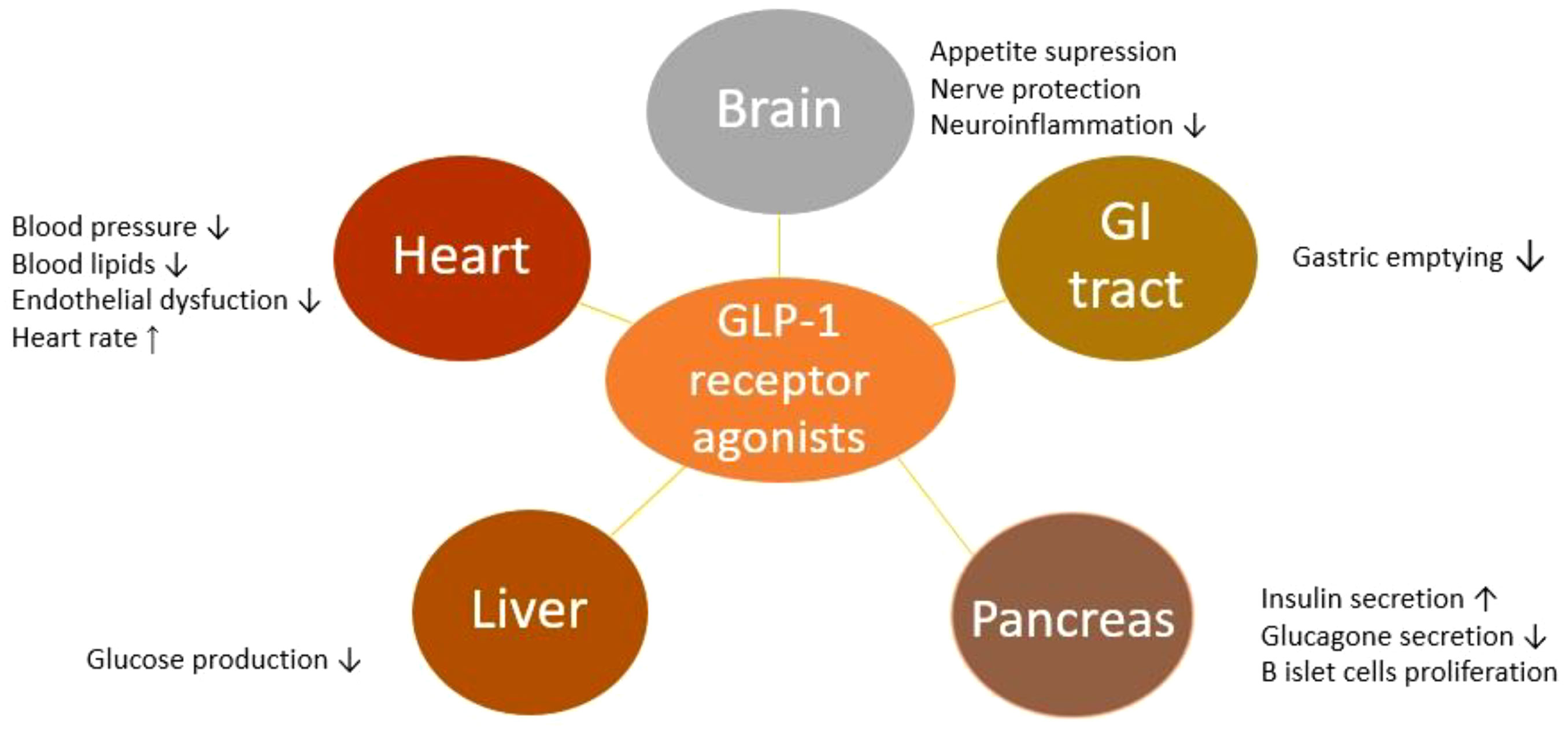
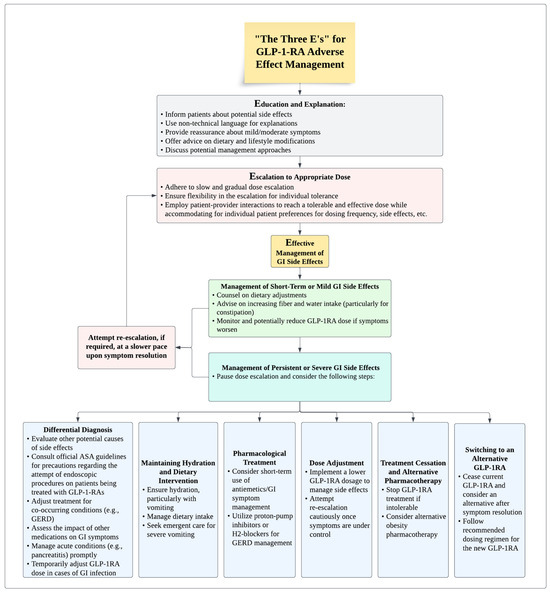
Glucagon-like peptide-1 receptor agonists (GLP-1RAs) have revolutionized the treatment of diabetes and obesity, offering impressive benefits for blood sugar control, weight loss, and cardiovascular protection. However, like all medications, GLP-1 therapy is not without side effects. These side effects can range from mild and transient to more severe and persistent, impacting the quality of life for individuals undergoing treatment.Common GLP-1 Therapy Side Effects
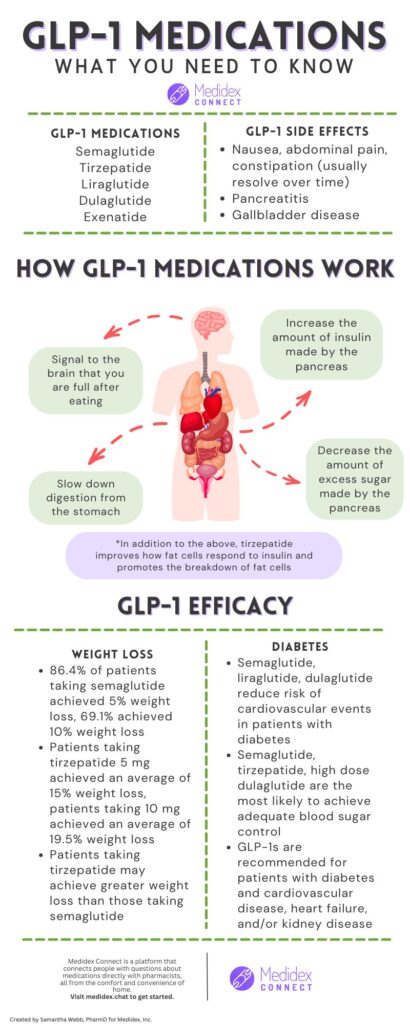
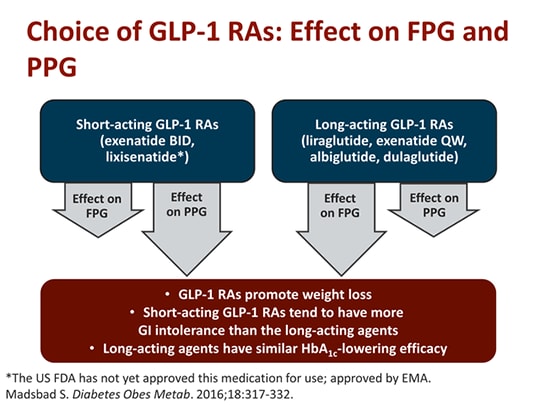
The most commonly reported side effects of GLP-1 therapy include gastrointestinal symptoms such as nausea, vomiting, stomach pain, and diarrhea. These symptoms are often mild to moderate in severity and typically resolve on their own within a few weeks of starting treatment. Other common side effects include:- Constipation
- Appetite changes
- Injection site reactions
Long-Term GLP-1 Therapy Side Effects
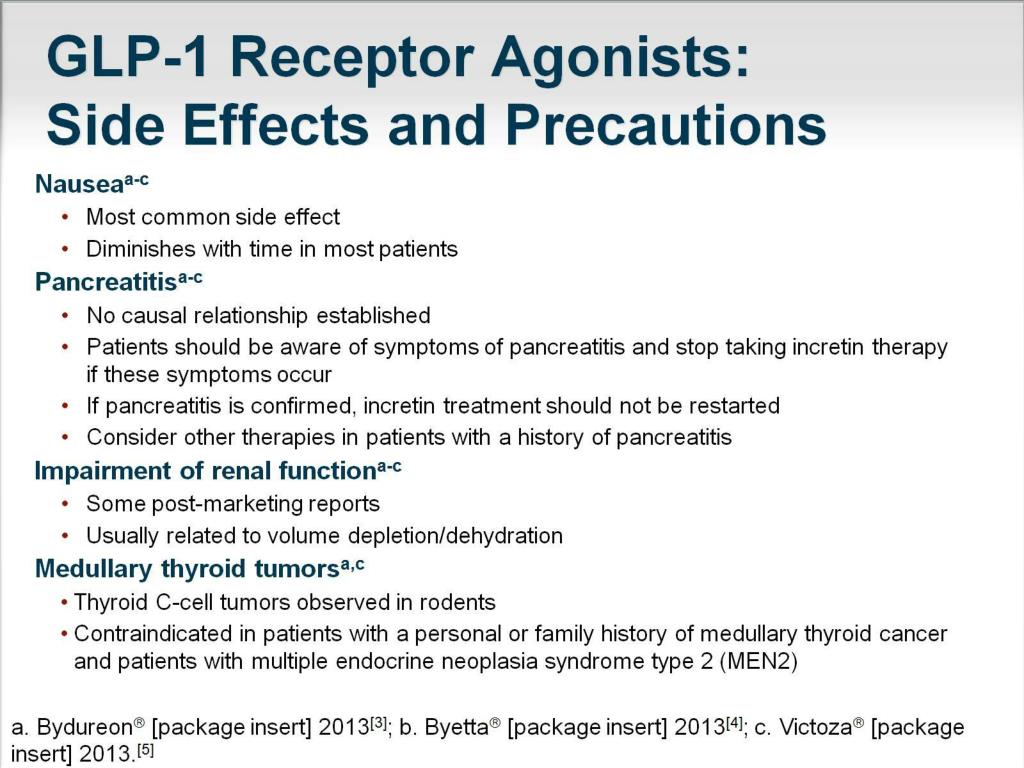
- Most gastrointestinal side effects decrease over time, becoming manageable for most patients.
- There is a modest increase in gallbladder events linked to rapid weight loss.
- A low but documented risk of acute pancreatitis.
Atypical GLP-1 Therapy Side Effects
Some individuals may experience atypical side effects, including:- Mood changes or heightened anxiety that don't fully respond to standard hormone support.
- Psychological side effects, such as changes in mood, motivation, or behavior, which can be a complex medical challenge requiring careful monitoring.