GLP-1 Analogues for Type 2 Diabetes Management
Glucagon-like peptide-1 (GLP-1) agonists have revolutionized the management of type 2 diabetes and associated metabolic disorders. These agents mimic the naturally occurring hormone glucagon-like peptide-1, which helps control blood sugar and appetite. GLP-1 analogues have emerged as a groundbreaking class of medications that improve glycemic control by increasing insulin secretion and suppressing glucagon release, while also promoting weight loss and reducing the risk of cardiovascular events.
Understanding GLP-1 Analogues
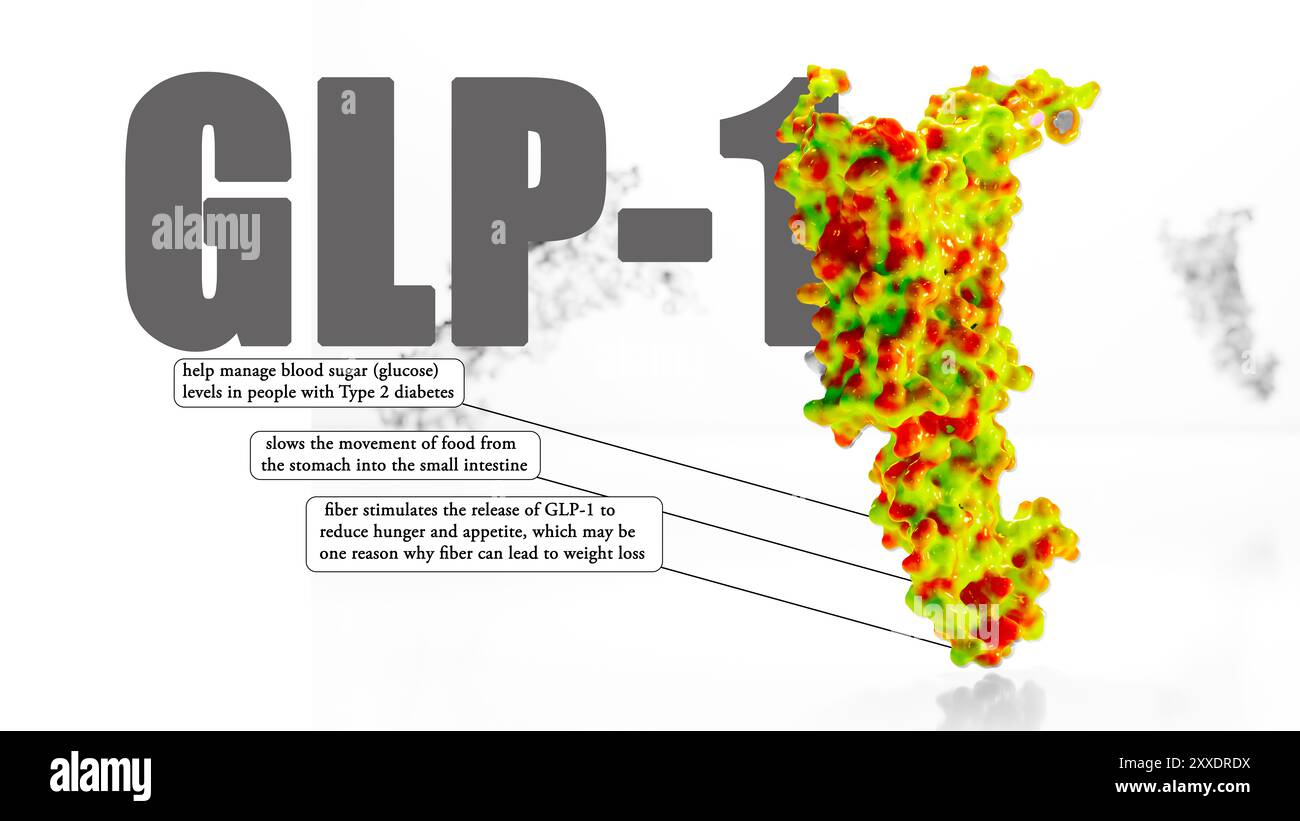
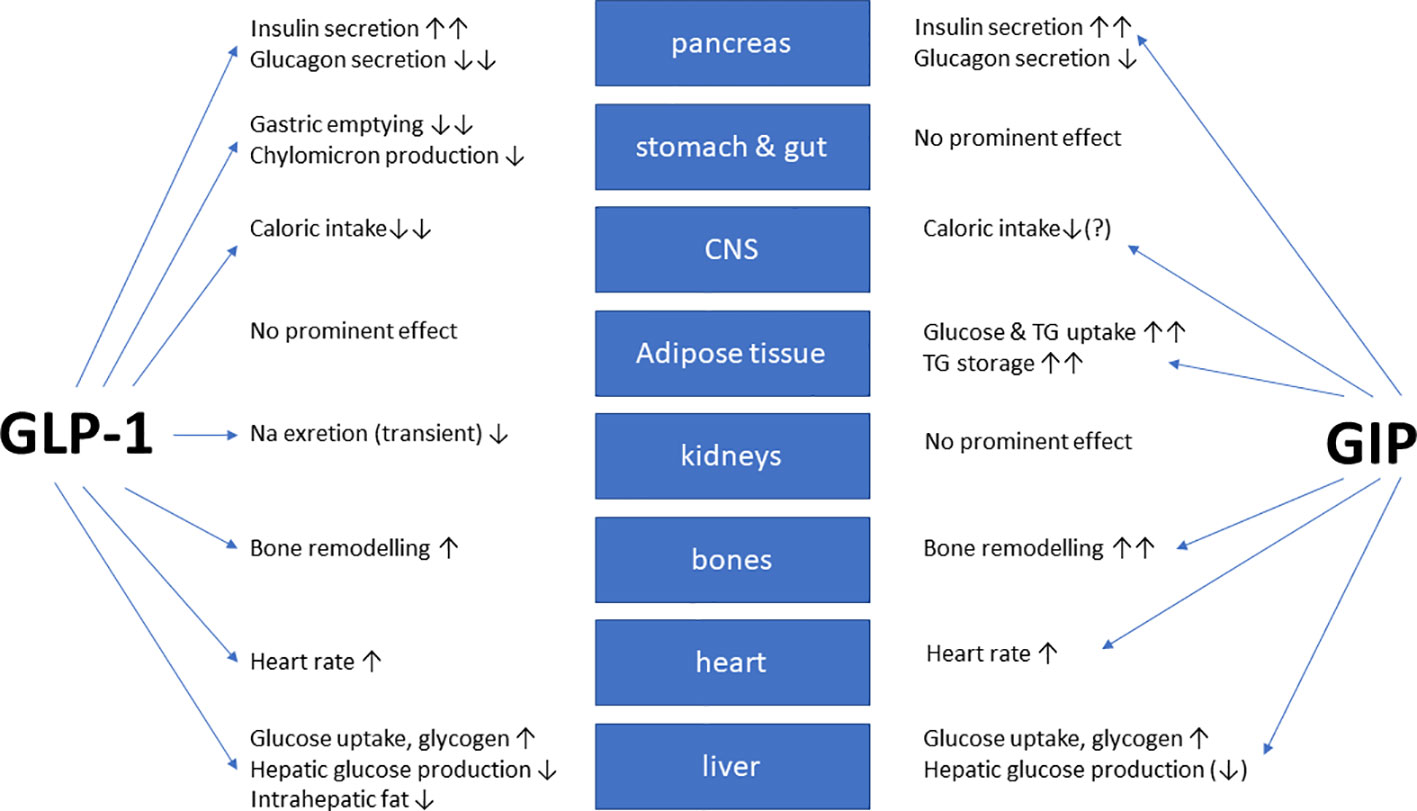
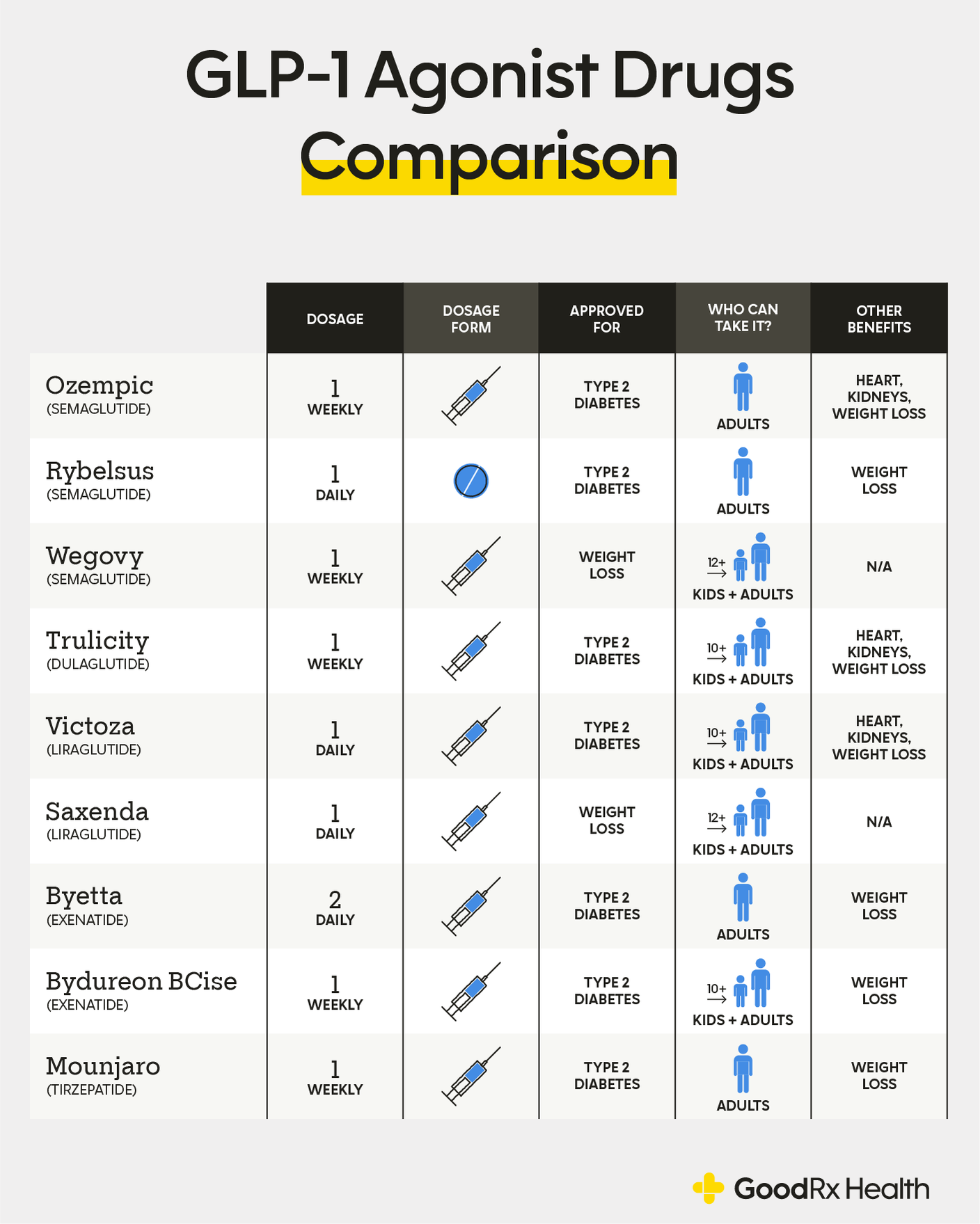
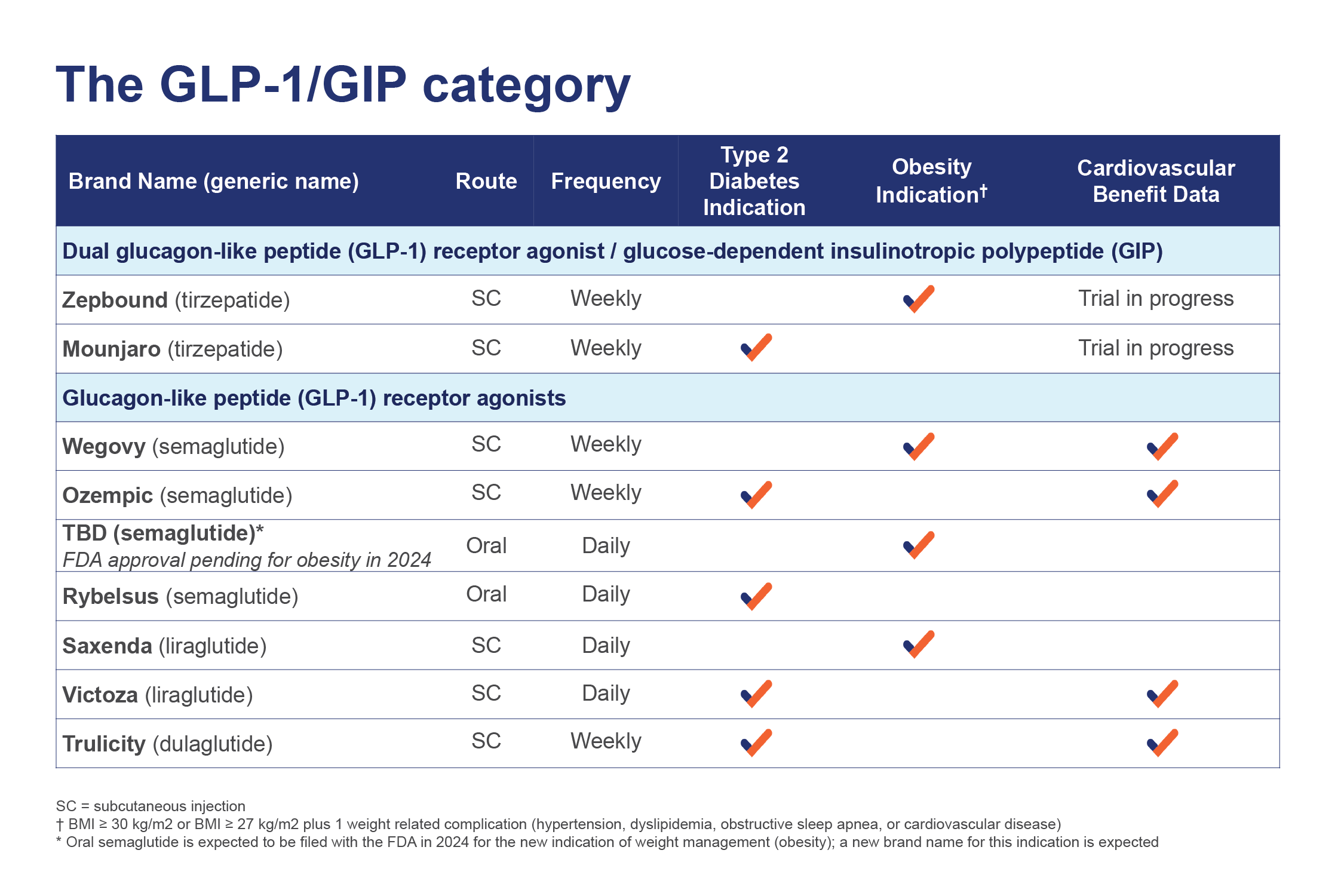
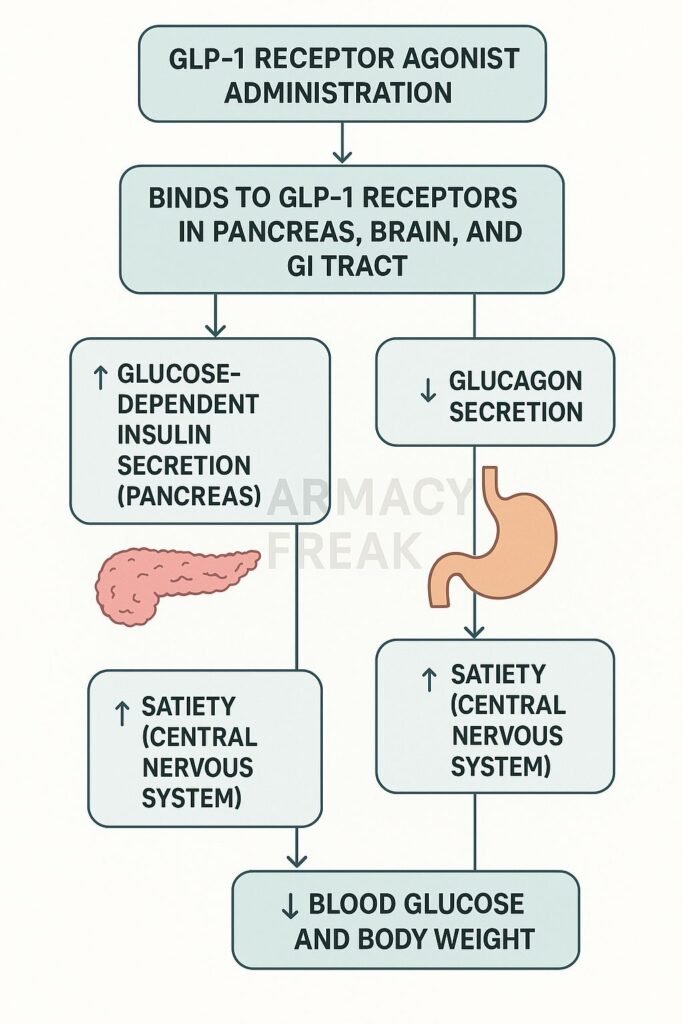
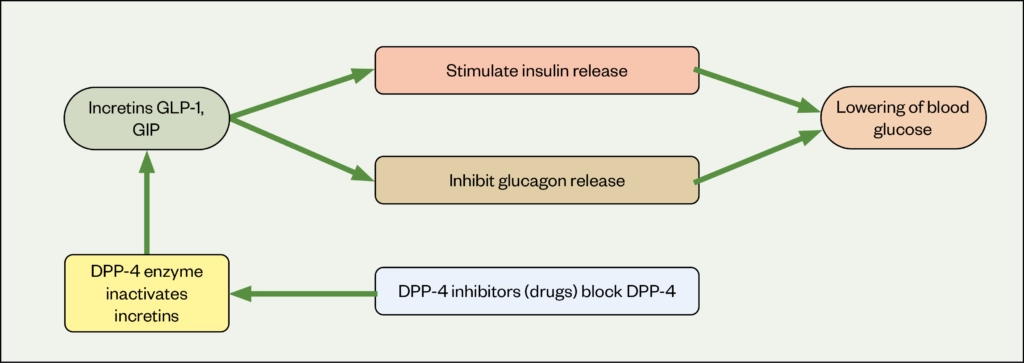
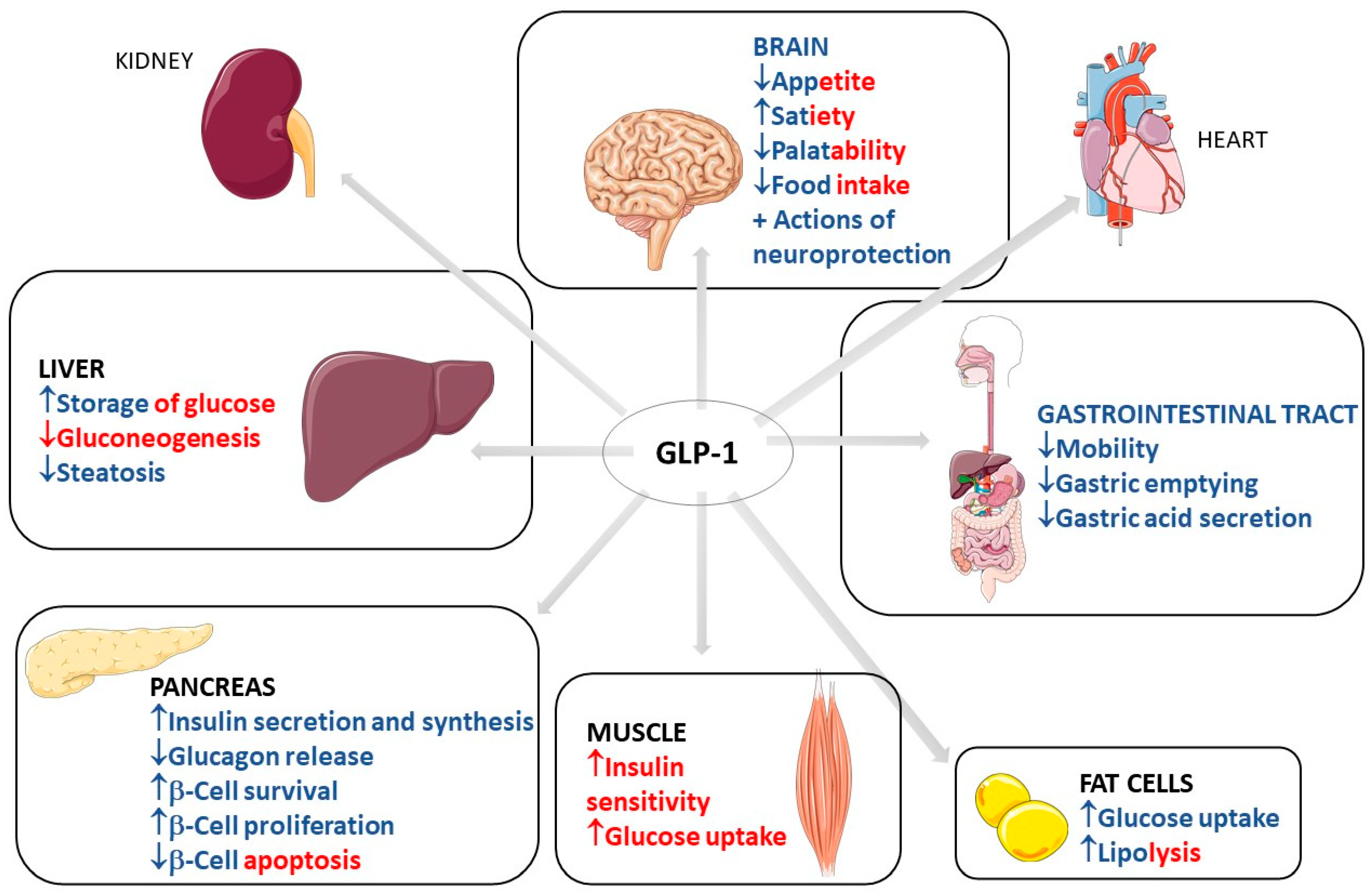
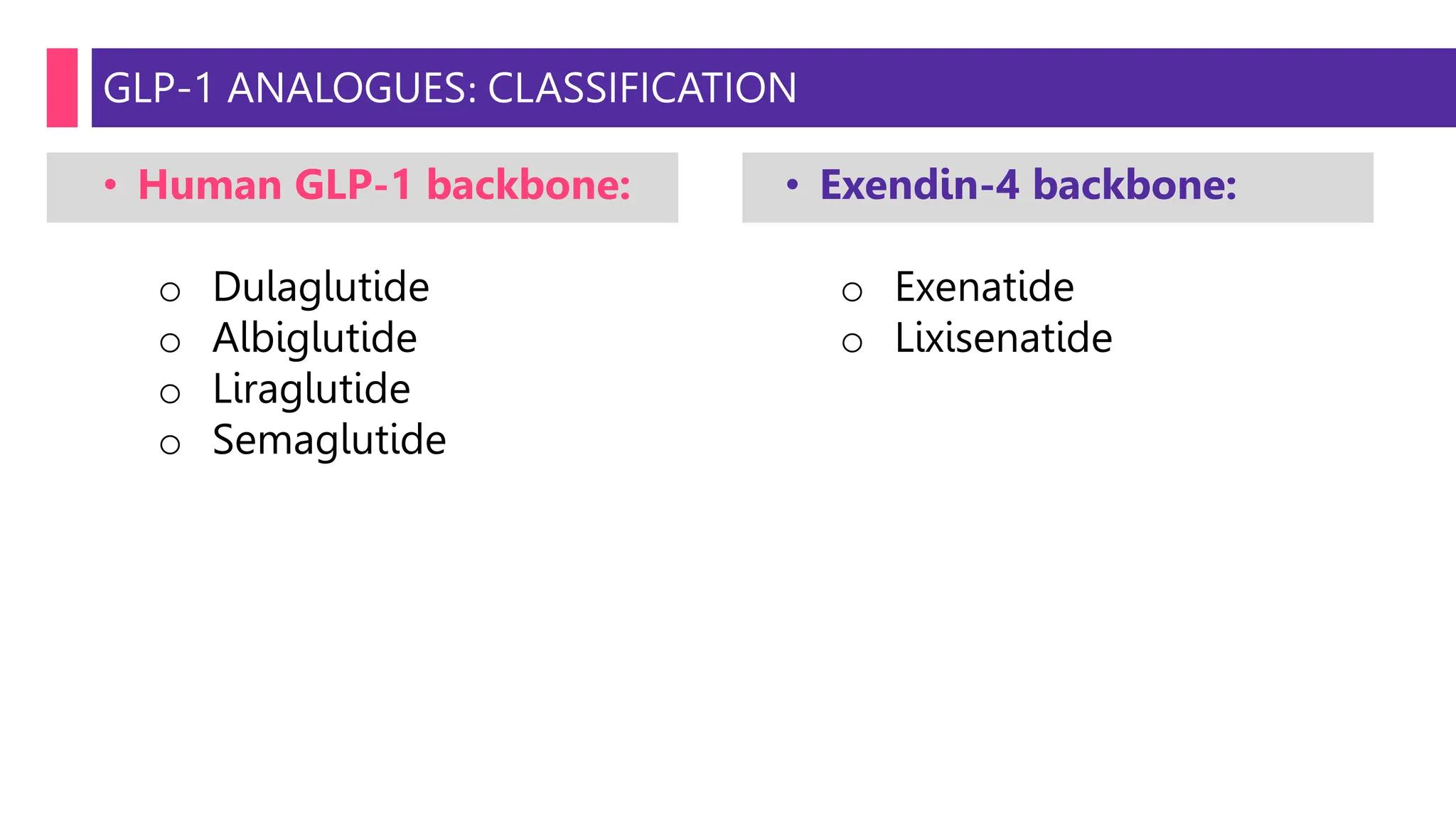
GLP-1 analogues are synthetic medications engineered to mimic the action of the naturally occurring hormone glucagon-like peptide-1. They work by activating the GLP-1 receptor, thereby stimulating glucose-dependent insulin secretion, suppressing glucagon release, and delaying gastric emptying. This leads to improved glycemic control, reduced appetite, and increased weight loss. GLP-1 analogues are available in various forms, including injectable and subcutaneous formulations.
Benefits of GLP-1 Analogues for Type 2 Diabetes Management
The benefits of GLP-1 analogues for type 2 diabetes management are multifaceted:
- Improved glycemic control: GLP-1 analogues reduce HbA1c levels by approximately 1-2 percentage points, thereby improving glycemic control and reducing the risk of diabetes-related complications.
- Weight loss: GLP-1 analogues promote weight loss by reducing appetite and delaying gastric emptying, thereby reducing calorie intake and promoting weight reduction.
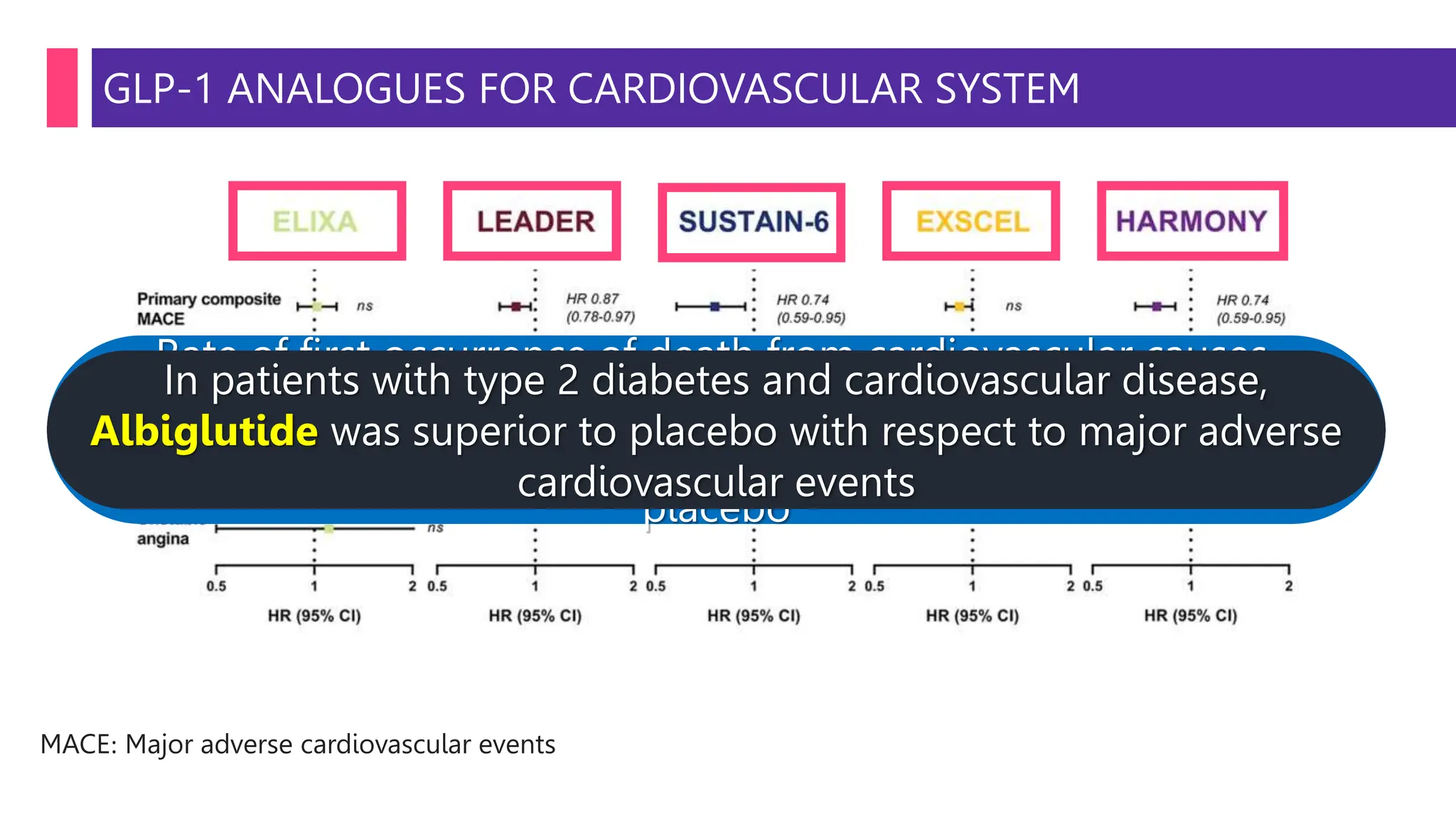
- Reduced risk of cardiovascular events: GLP-1 analogues have been shown to reduce the risk of major adverse cardiovascular events, including heart attacks, strokes, and deaths.
- Improved kidney function: GLP-1 analogues have been found to slow the decline of kidney function and reduce the risk of kidney disease progression in patients with type 2 diabetes.