GLP-1 and Weight Loss in Overweight Individuals: Unlocking the Secrets of a Breakthrough Treatment
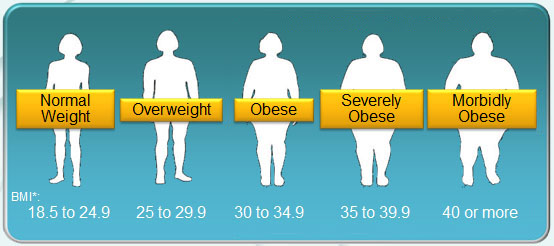
Obesity and overweight have become major public health concerns in the United States, affecting nearly 70% of American adults. The quest for effective weight loss treatments has led to numerous breakthroughs, and one of the most promising options is the use of Glucagon-like peptide-1 (GLP-1) receptor agonists. In this article, we will delve into the world of GLP-1 and explore its role in weight loss, highlighting the latest research, benefits, and potential side effects.
What are GLP-1 Receptor Agonists?
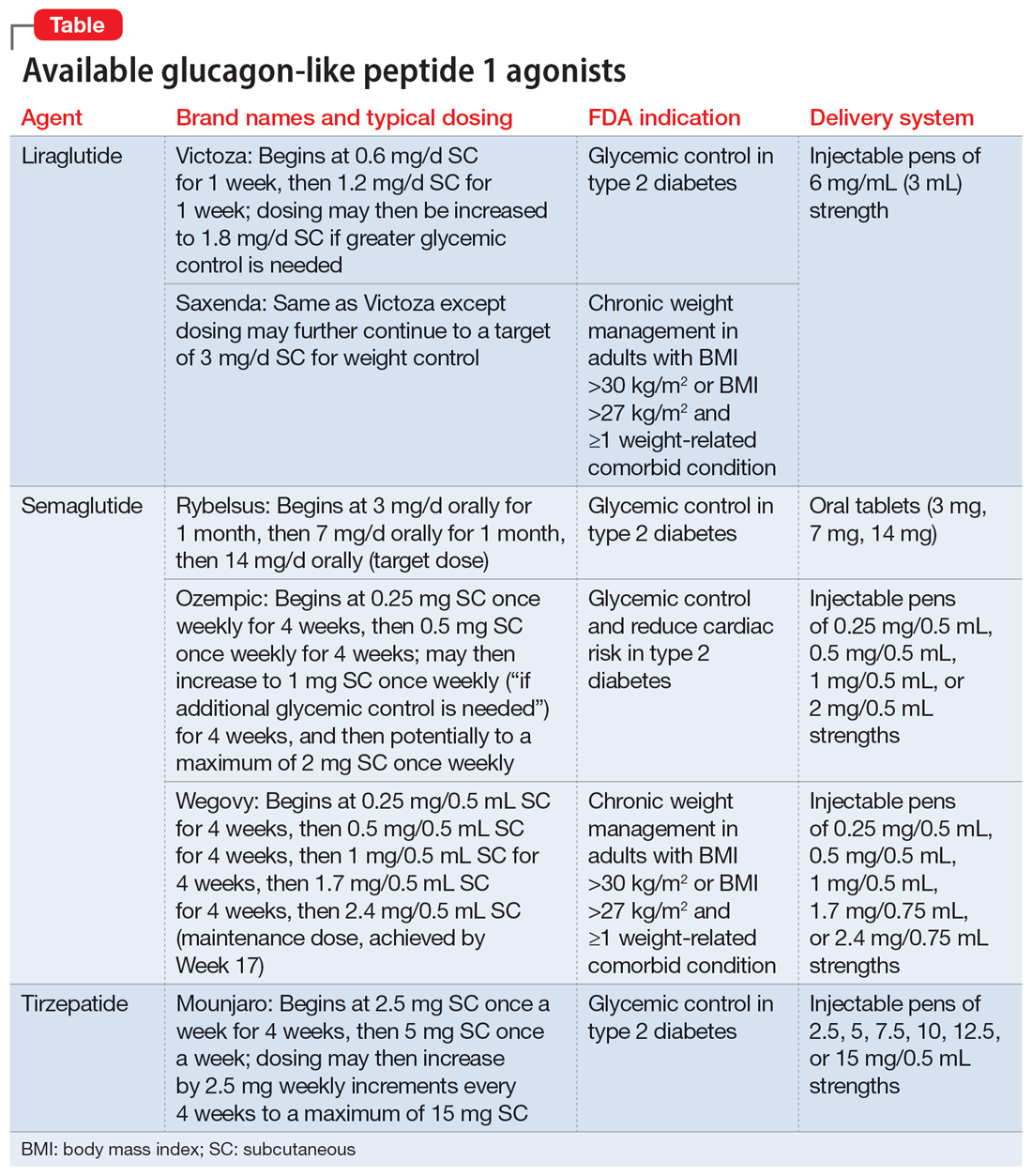
GLP-1 receptor agonists are a class of medications that have revolutionized the treatment of type 2 diabetes. They work by mimicking the action of the GLP-1 hormone, which naturally helps regulate blood sugar levels. In addition to managing diabetes, GLP-1 receptor agonists have been found to promote weight loss in individuals with obesity or overweight.

History and Clinical Importance
Since their approval in 2014 as an obesity treatment, GLP-1 receptor agonists have gained significant attention due to their impressive weight loss capabilities and positive effects on cardiovascular disease risk factors. According to a recent study, over 2.5 million people accessed GLP-1 treatments privately in 2025, showcasing their popularity and potential as a game-changer in weight loss therapy.