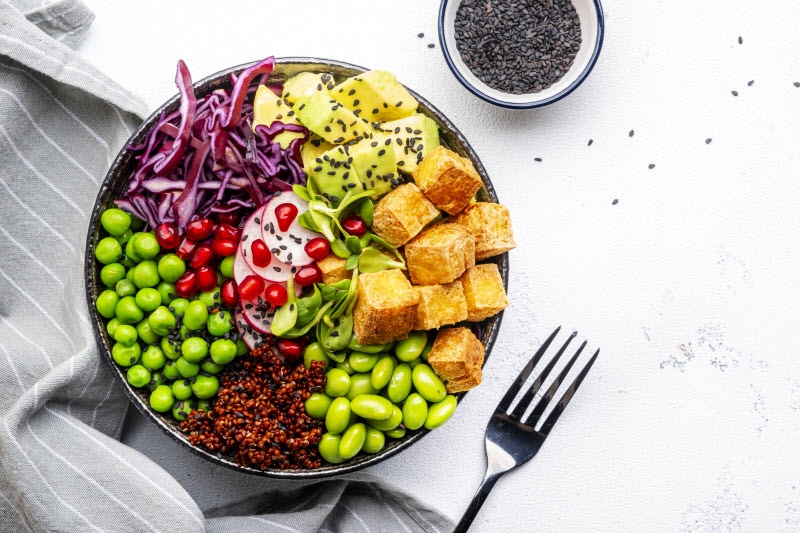
How to improve insulin sensitivity on a GLP-1 diet
Glucagon-like peptide-1 (GLP-1) is a gut hormone released after eating that helps regulate appetite, insulin secretion, and blood sugar levels. Improving insulin sensitivity is essential for people with diabetes, as it means lower insulin needs, improved regulation of appetite, and more stable glucose levels, all of which encourage healthy weight management. In this article, we will explore the best strategies to enhance insulin sensitivity on a GLP-1 diet.
Understanding GLP-1 and Insulin Sensitivity
GLP-1 plays a significant role in glucose homeostasis, appetite sensations, and food intake. It signals the brain to feel full, slows digestion, and supports better metabolic balance. Insulin sensitivity, on the other hand, is the body's ability to effectively use insulin, allowing cells to take up glucose from the bloodstream. Both GLP-1 and insulin sensitivity are interconnected, and improving one can positively impact the other.

Best Foods for Insulin Sensitivity on a GLP-1 Diet
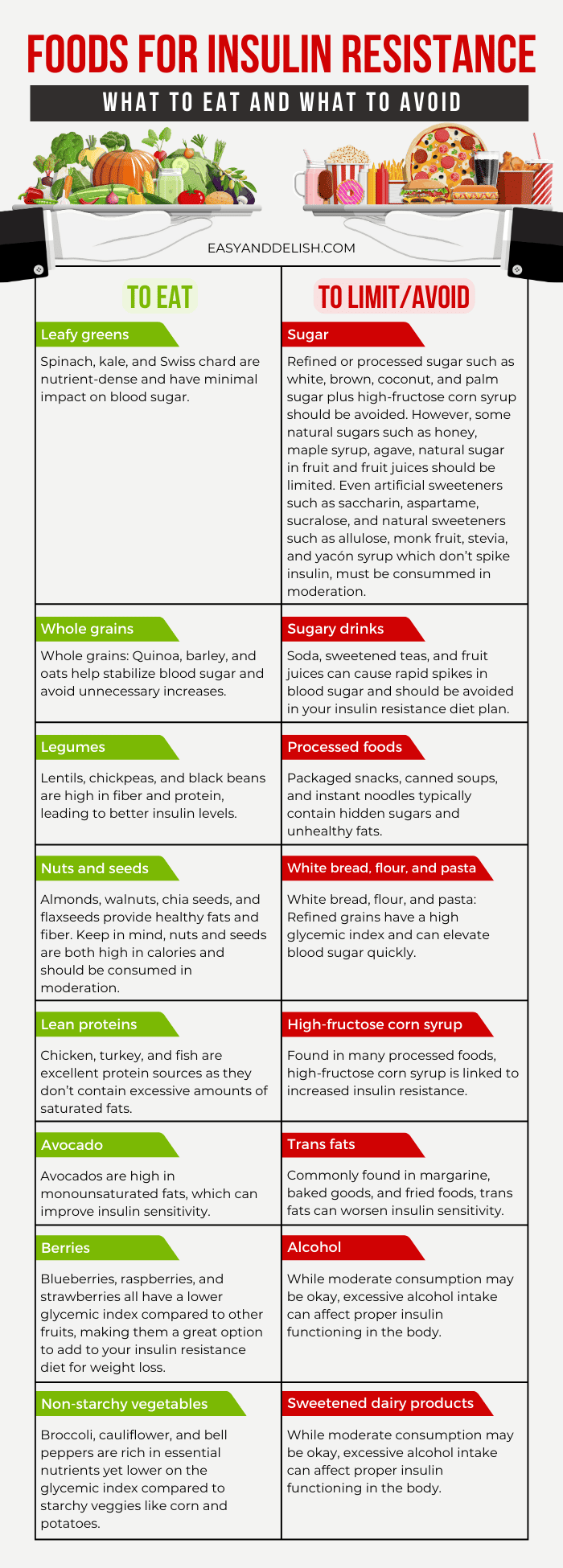
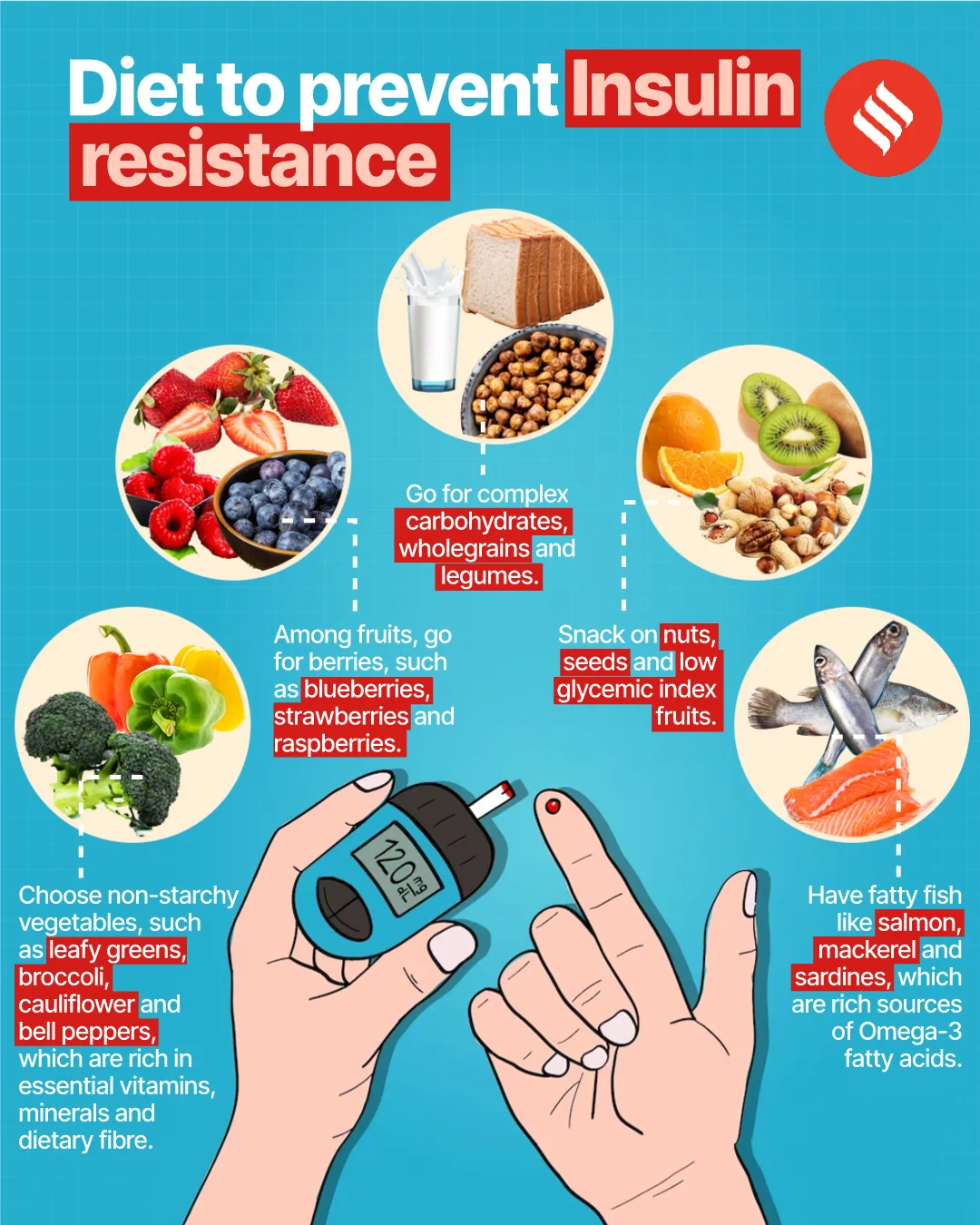
- Leafy Greens: Spinach, kale, and collard greens are rich in antioxidants and fiber, which support gut health and insulin sensitivity.
- Cruciferous Vegetables: Broccoli, cauliflower, and Brussels sprouts contain sulforaphane, which has been shown to improve insulin sensitivity.
- Legumes: Beans, lentils, and peas are high in fiber, protein, and complex carbohydrates, making them an excellent choice for insulin sensitivity.
- Whole Grains: Whole wheat bread, brown rice, and quinoa are rich in fiber, which supports gut health and insulin sensitivity.
- Avocados: Avocados are a rich source of healthy fats, fiber, and antioxidants, making them an excellent addition to a GLP-1 diet.
- Berries: Berries such as blueberries, raspberries, and strawberries are rich in antioxidants and fiber, which support gut health and insulin sensitivity.