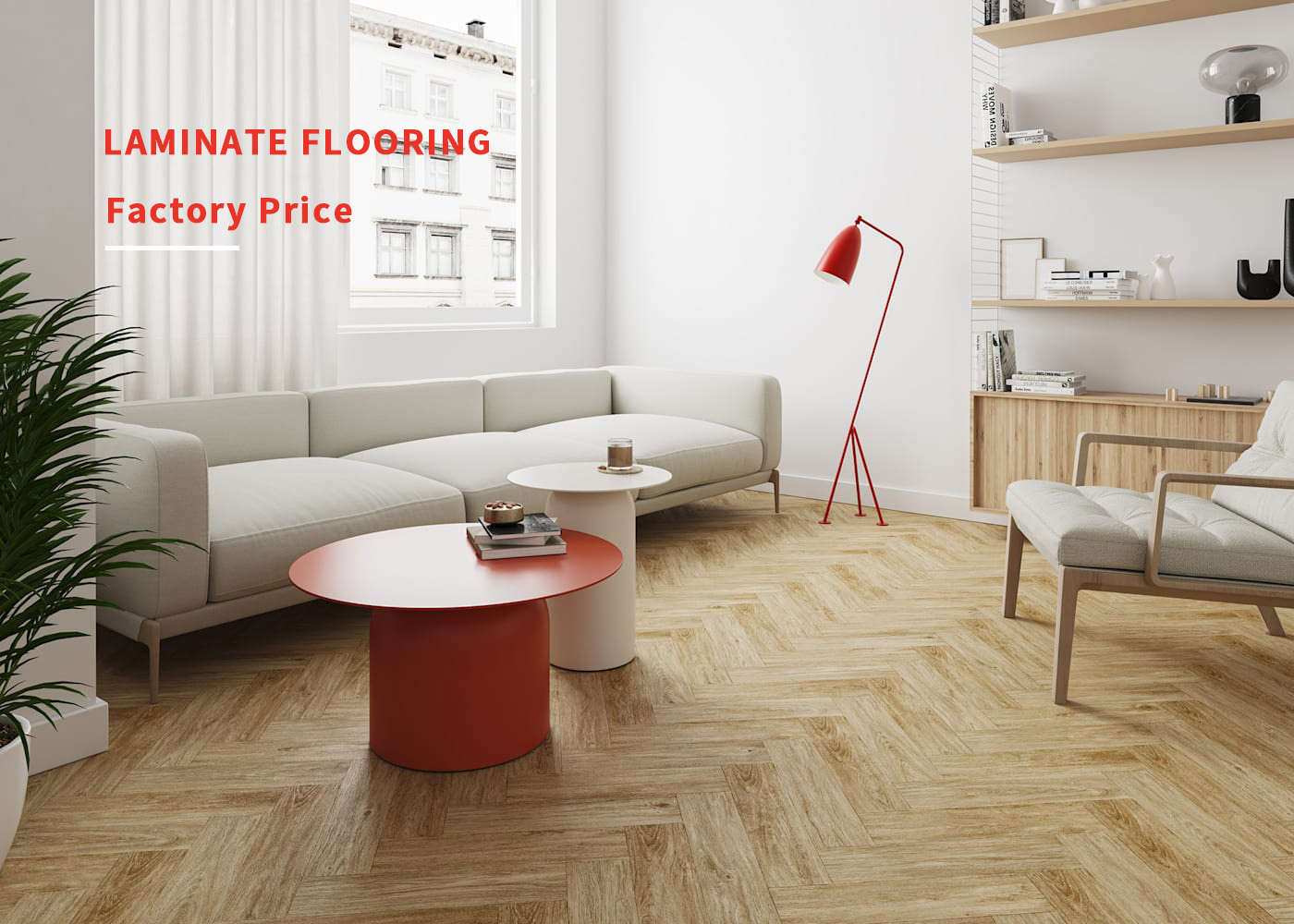
Laminate Flooring Water Resistance: A Comprehensive Guide
Laminate flooring has become a popular choice for homeowners due to its affordability, durability, and ease of installation. However, its performance in damp or wet conditions often raises questions. In this article, we will explore the concept of water resistance in laminate flooring, its limitations, and what homeowners can do to protect their floors.
What Does Water-Resistant Mean in the Context of Laminate Flooring?
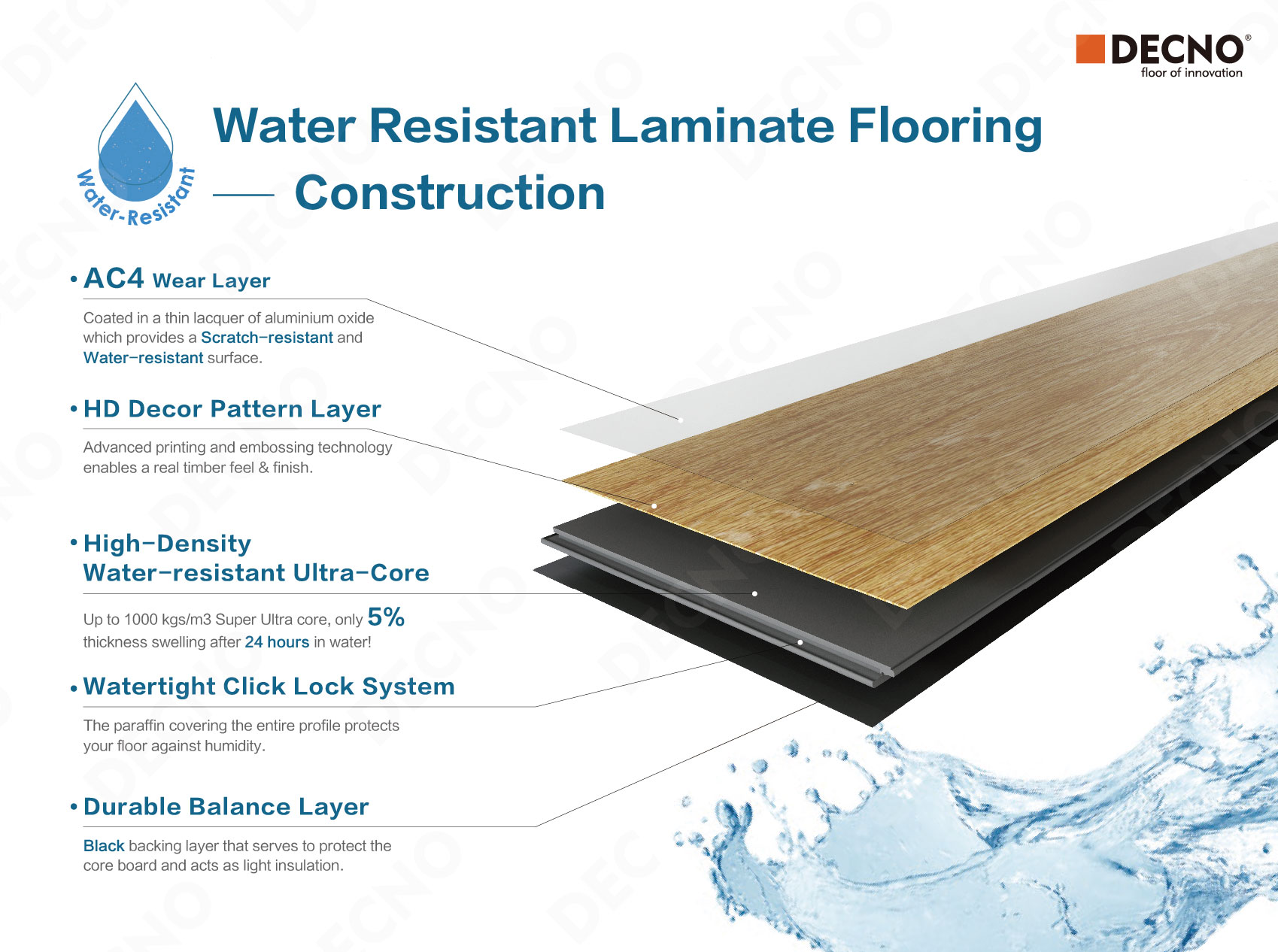
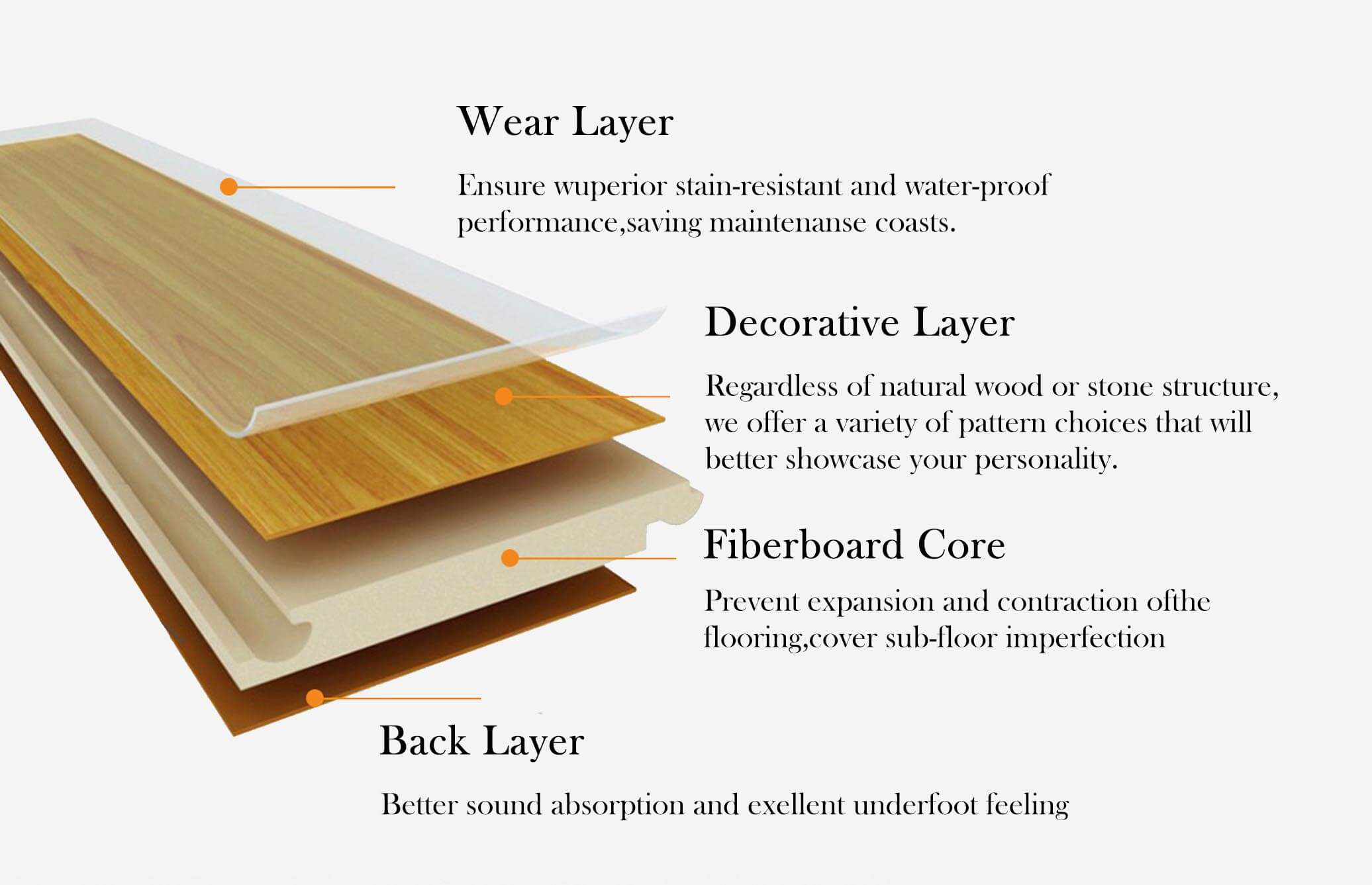
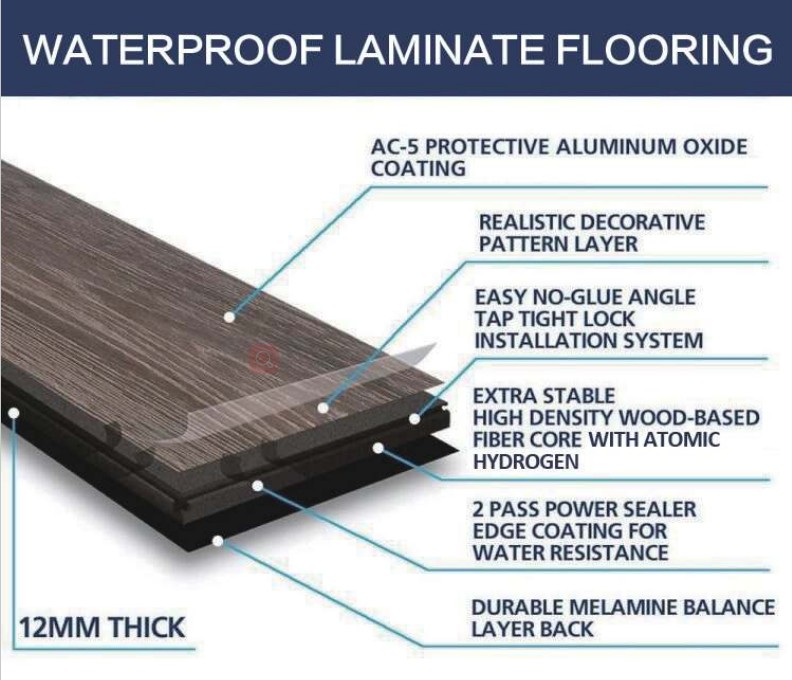
Water-resistant laminate flooring is a type of flooring that looks like wood or stone but can handle spills and splashes better than regular laminate. It's made of layers: a tough top layer, a picture layer that mimics wood, a sturdy core, and a backing. The magic happens in the core and edges, which are treated to resist water for hours – sometimes even days.

How Does Water Interact with Laminate Flooring?
When exposed to standing water, traditional laminate can swell, warp, or delaminate as moisture penetrates the seams and reaches the fiberboard core. Even high-quality laminate can be affected by water if not installed or maintained properly. Water resistance in laminate flooring depends on several factors, including:
- Quality of materials used
- Integrity of the installation (especially seams)
- Protective treatments applied to the product
- Core board composition