Leveling Compounds: A Comprehensive Guide to Achieving Perfect Floors
When it comes to achieving a flawless floor foundation, leveling compounds are a crucial aspect to consider. These specialized materials are designed to create a flat, smooth surface on uneven subfloors, making them an essential component for various flooring projects. In this article, we will delve into the world of leveling compounds, exploring their benefits, types, and application techniques to help you achieve professional-grade floors.
What are Leveling Compounds?
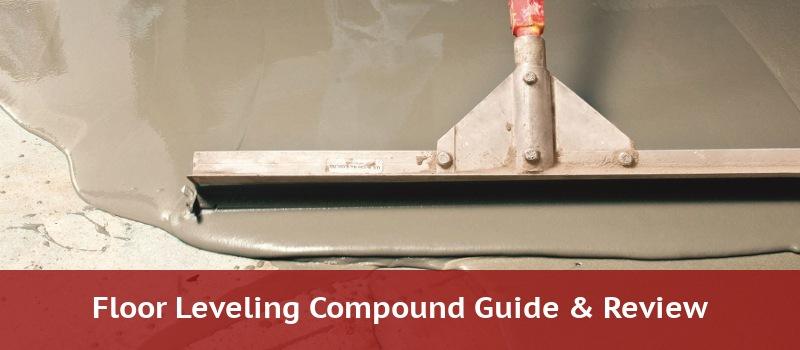
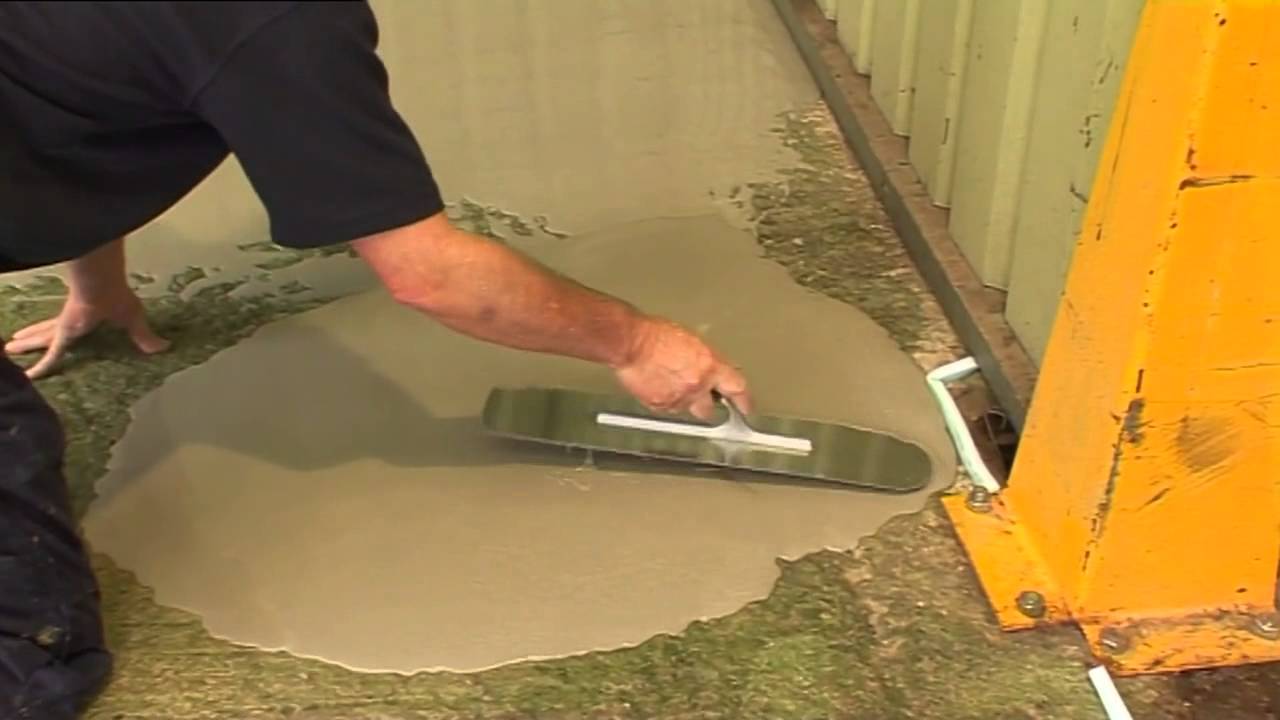
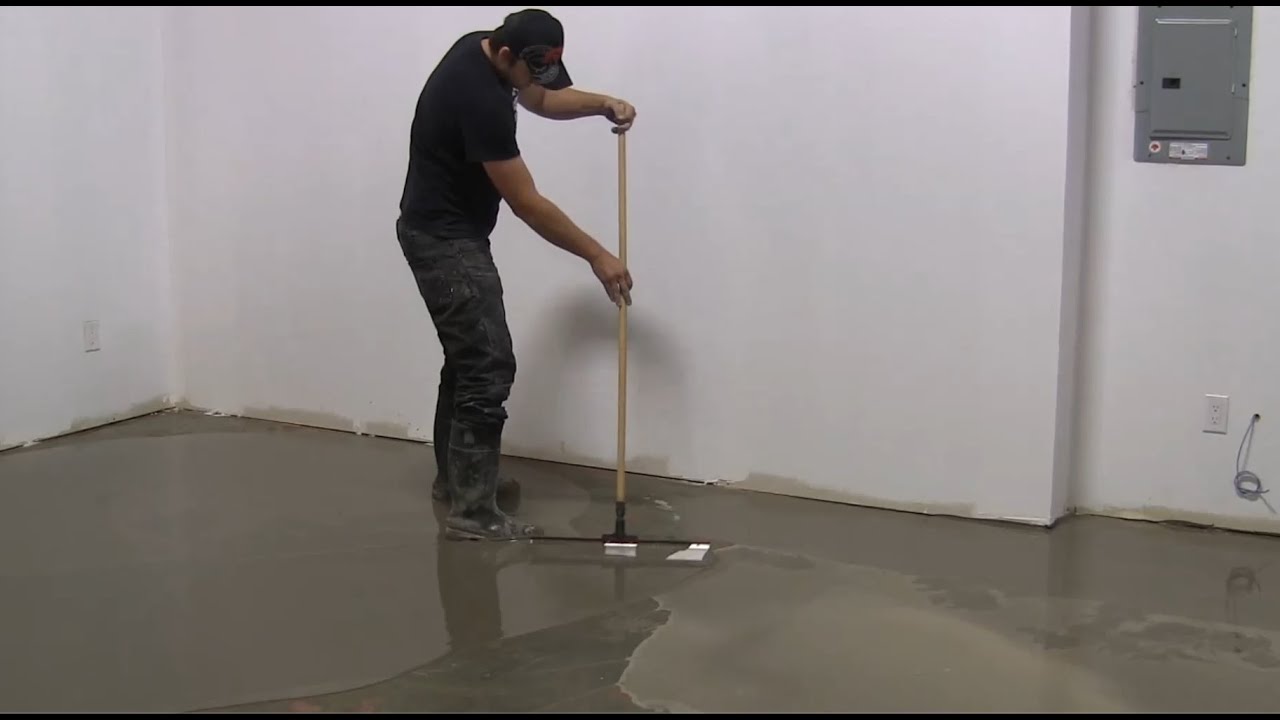
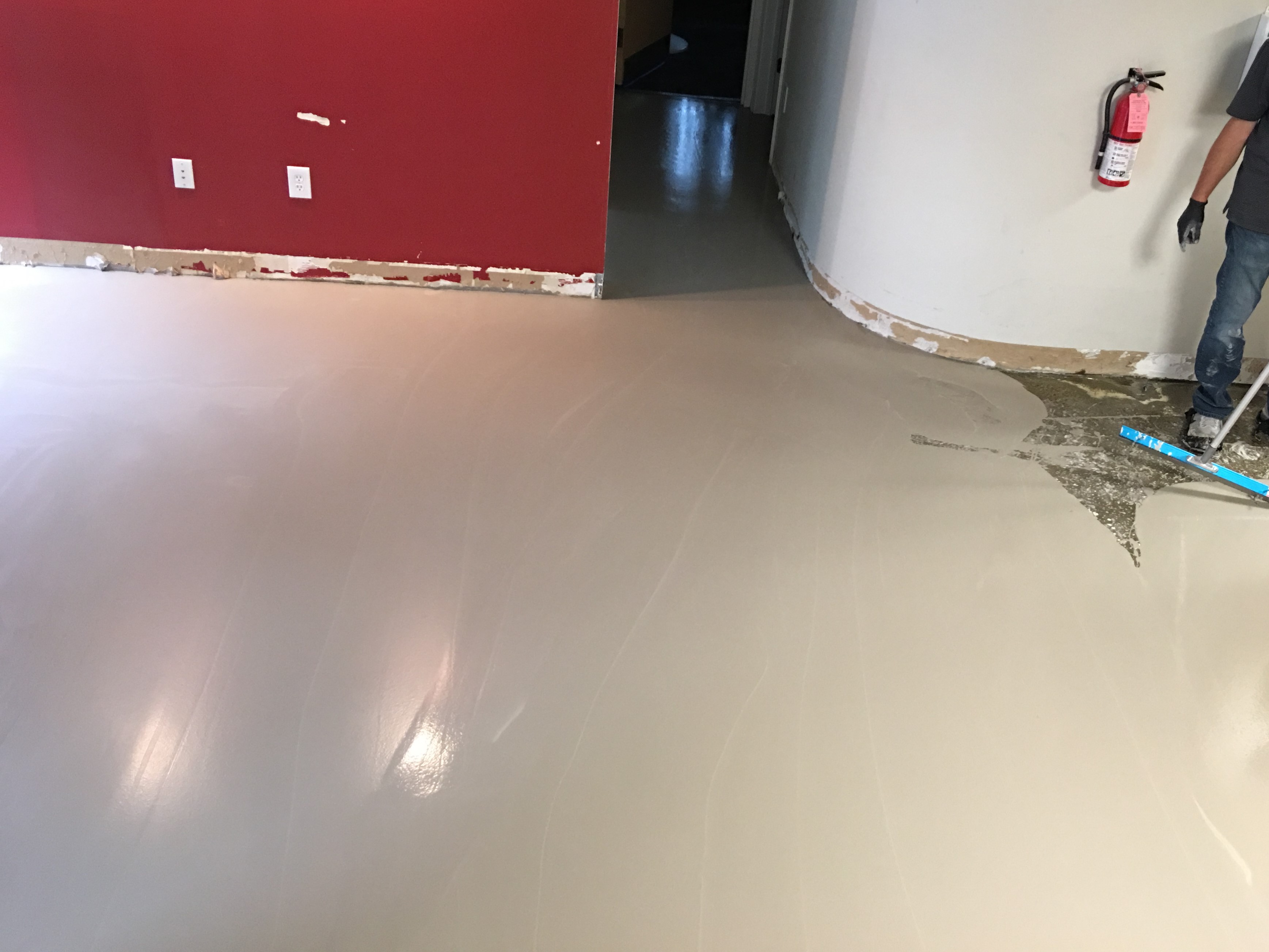
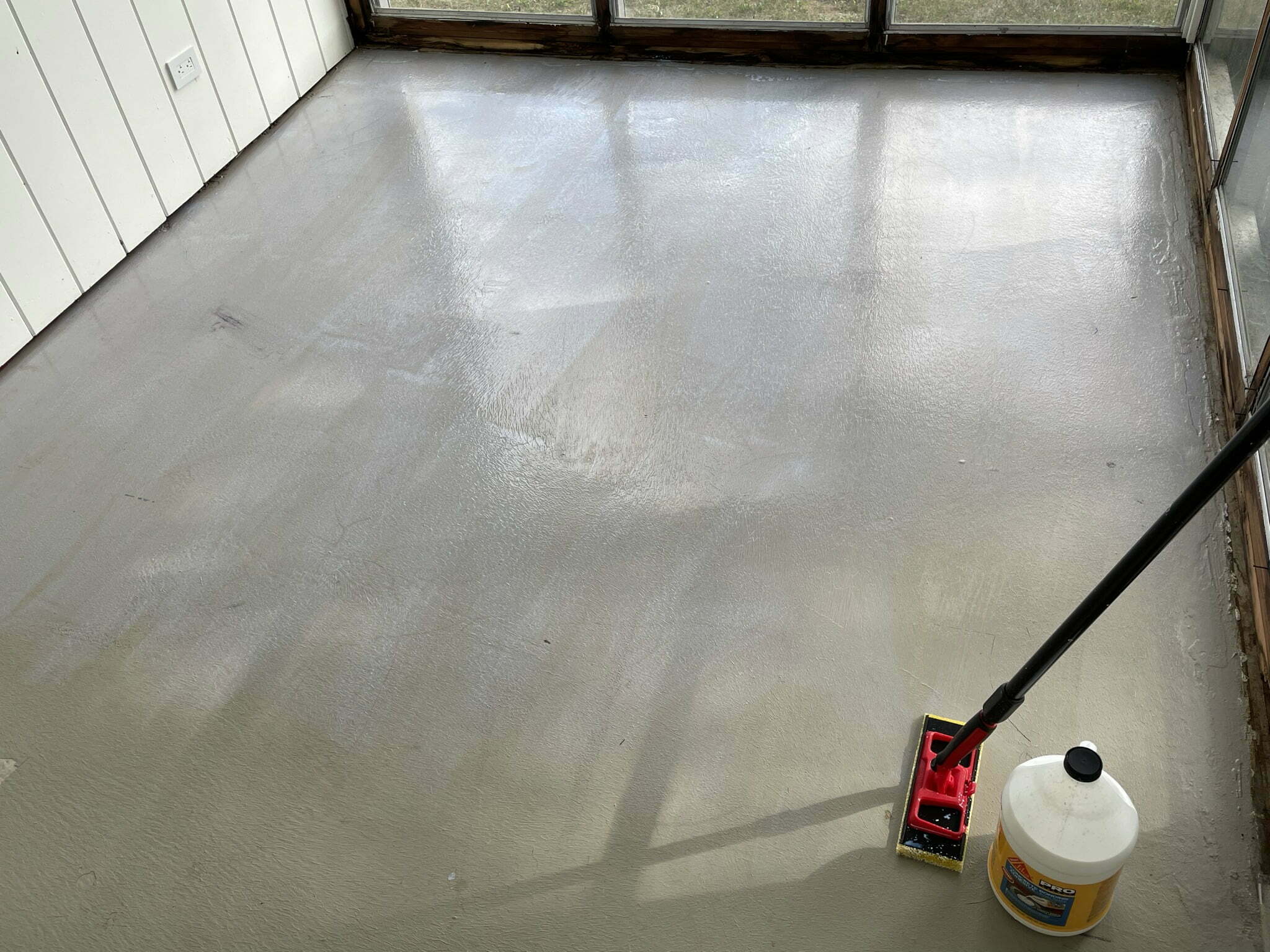
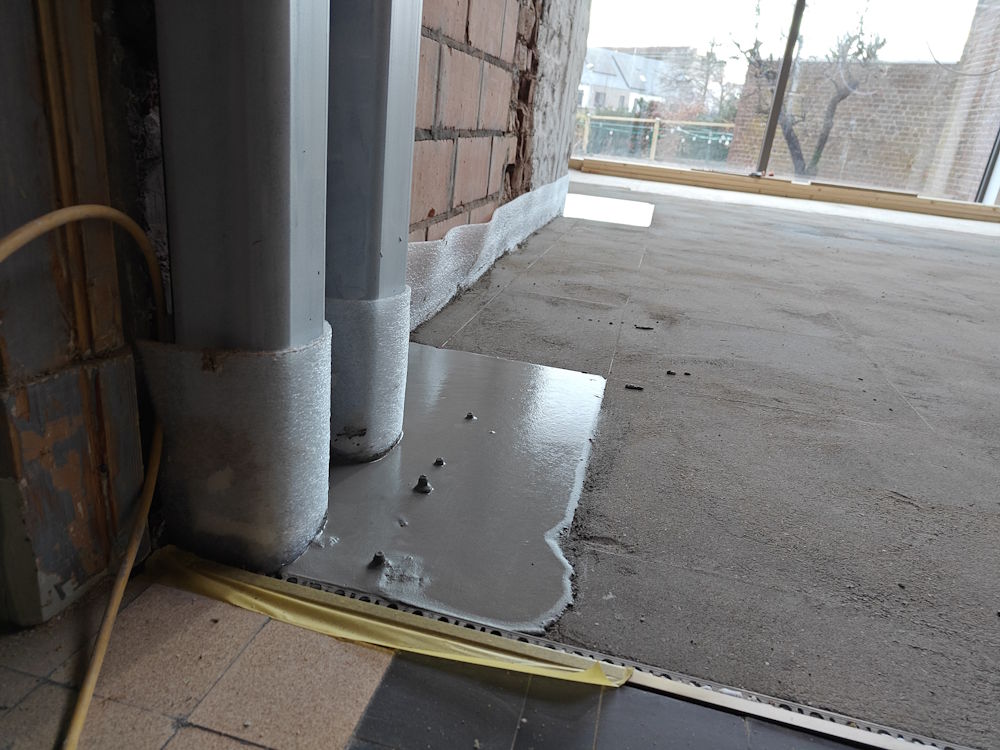
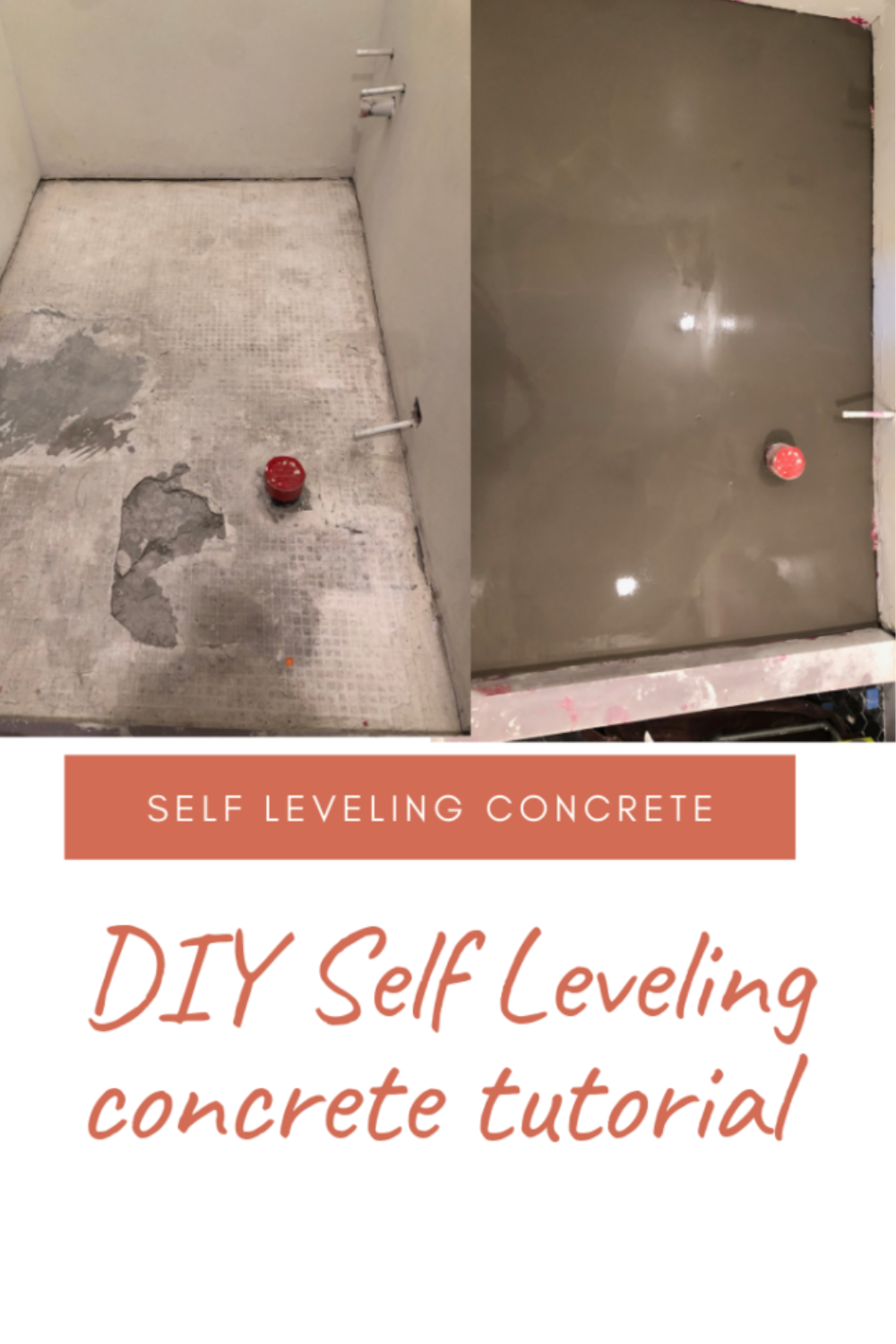
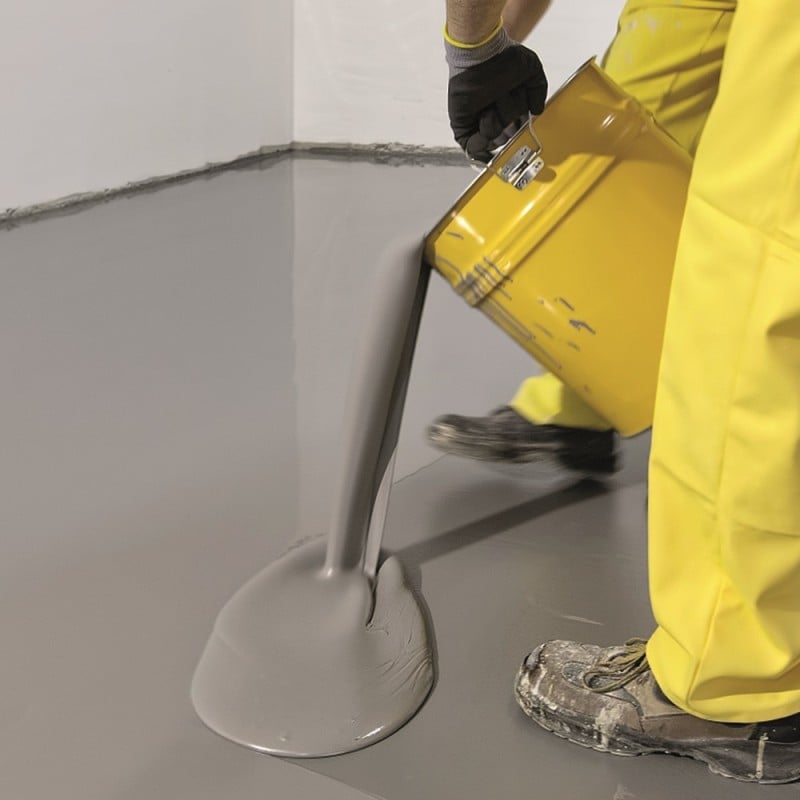
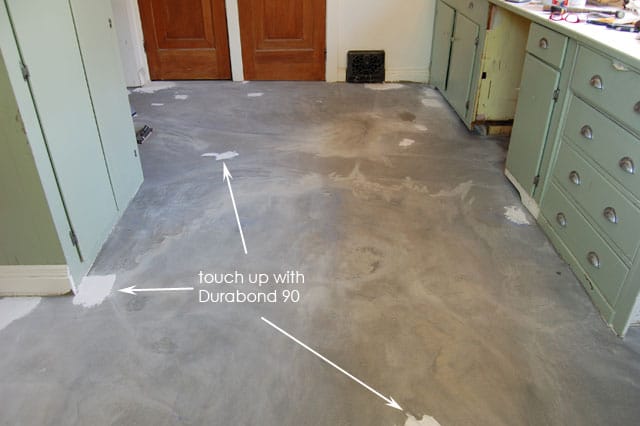
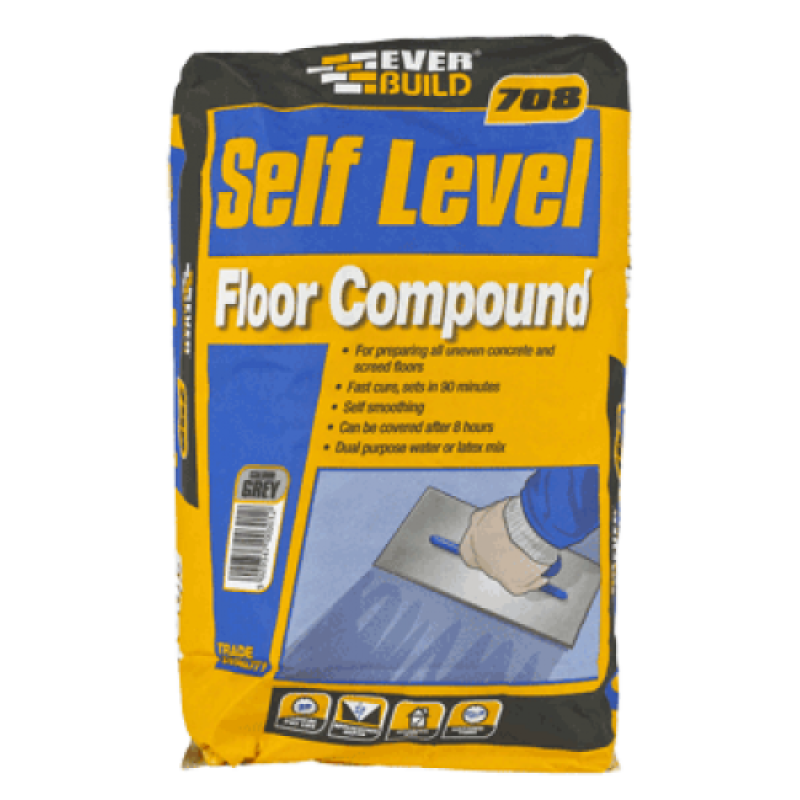
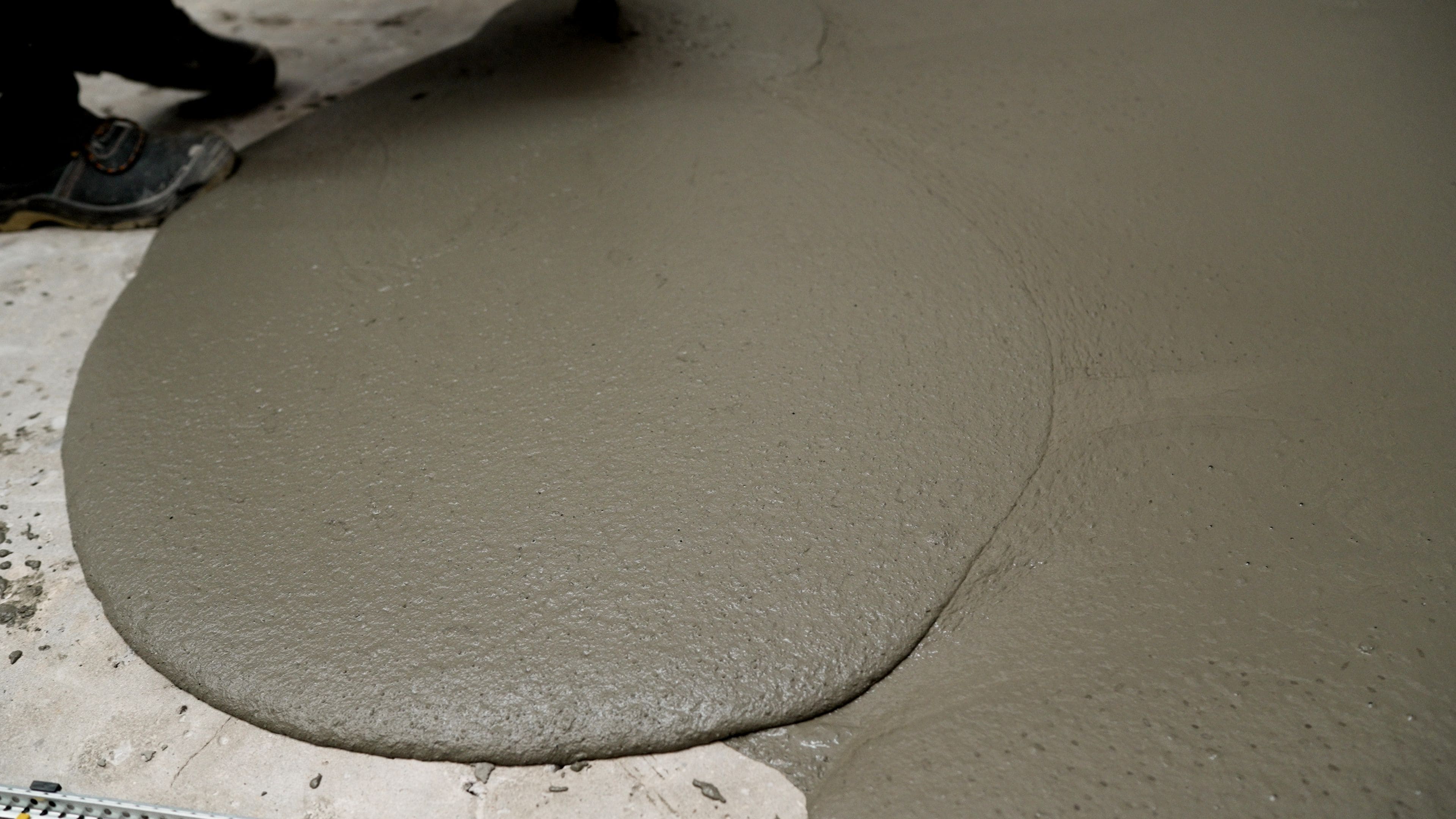
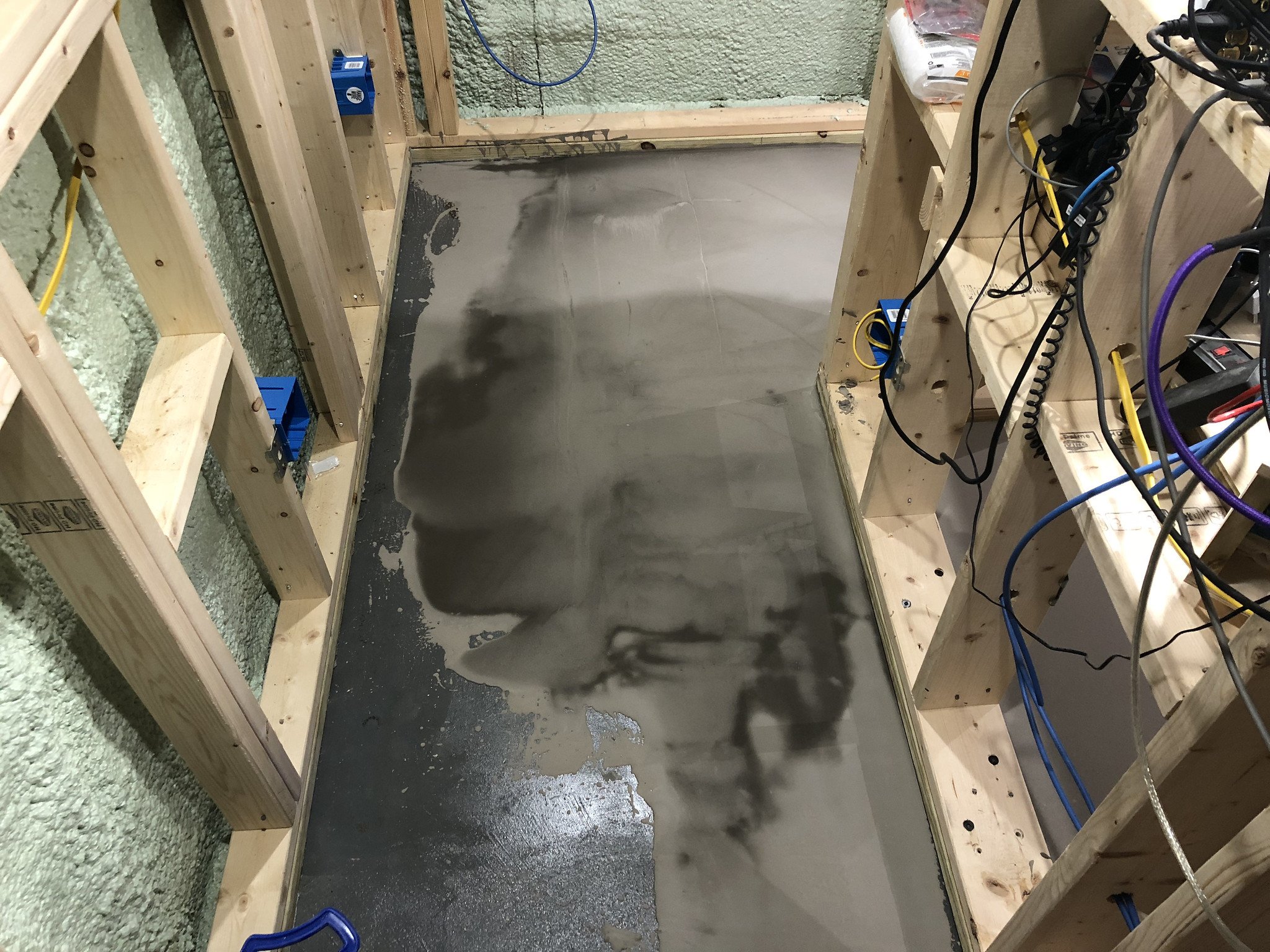
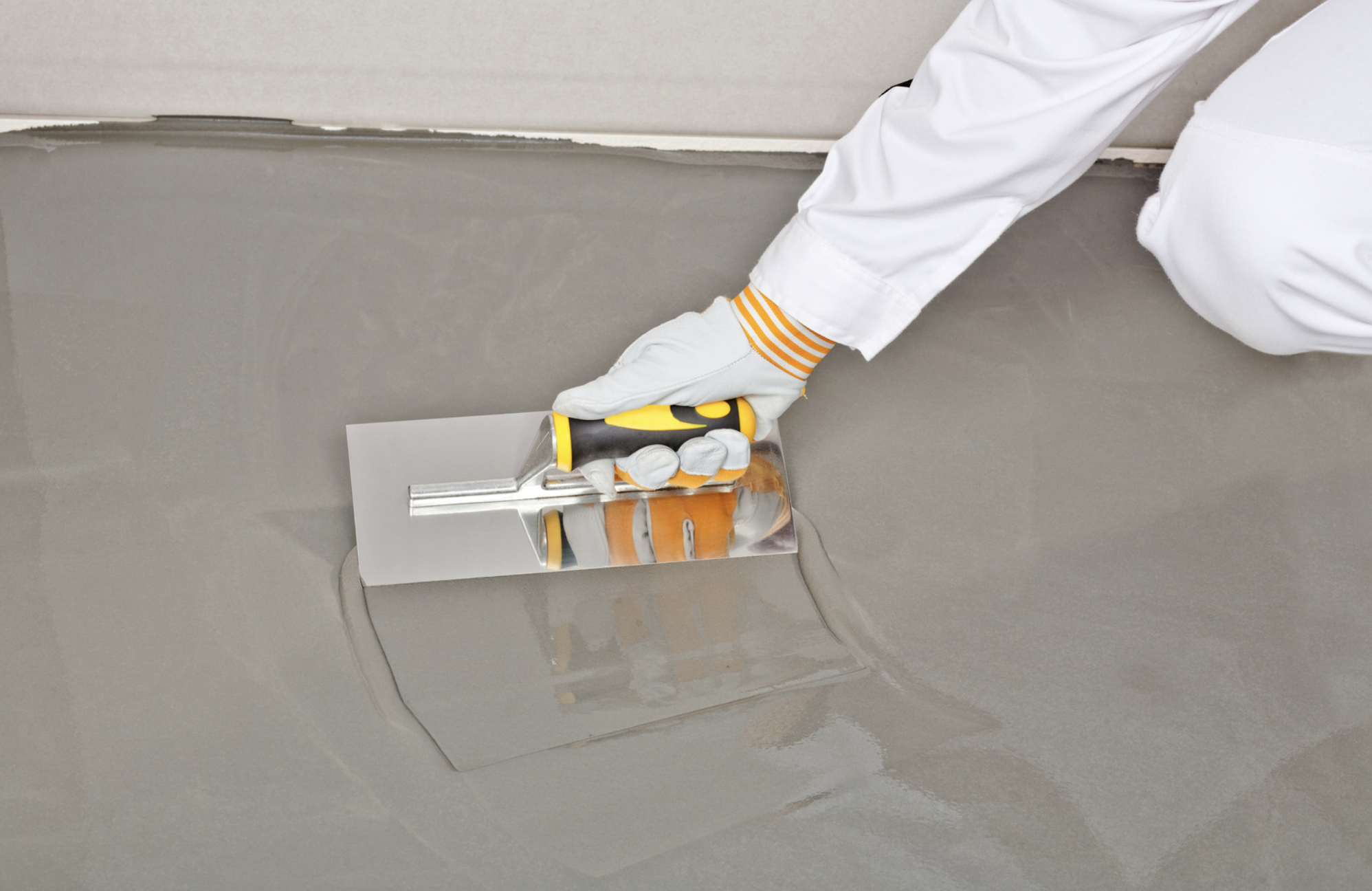
Leveling compounds, also known as self-leveling compounds or floor levelers, are specialized materials designed to create a flat surface on uneven subfloors. These compounds are usually thin, concrete-based mixtures that can be poured over bumpy concrete slabs to flatten and level them in preparation for tiling, flooring, or other finishes.
Types of Leveling Compounds
There are various types of leveling compounds available, each with its unique characteristics and applications. Some of the most common types include:
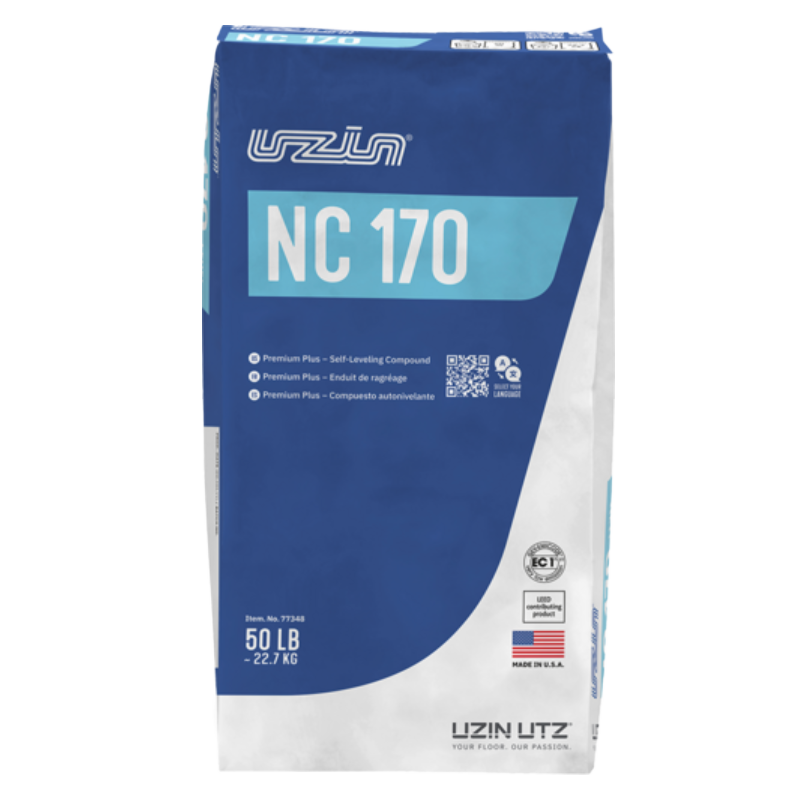
- Cement-based leveling compounds: These are the most common type, offering high compressive strength and a smooth finish.
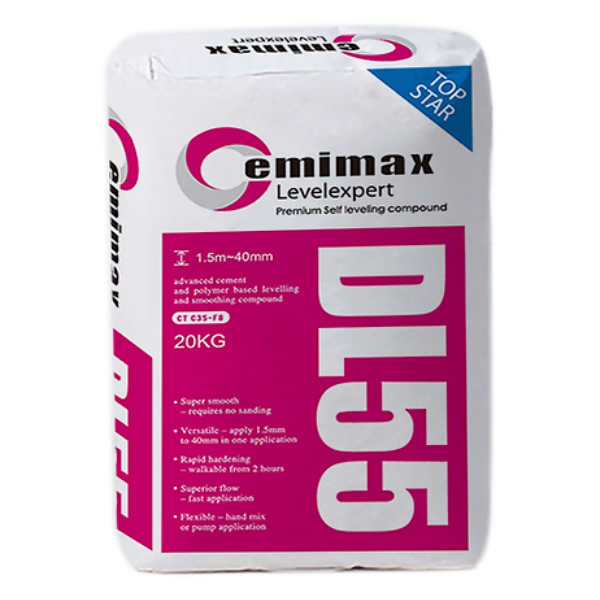
- Polymer-modified leveling compounds: These offer improved flow characteristics and high flexibility, making them suitable for use in high-impact areas.
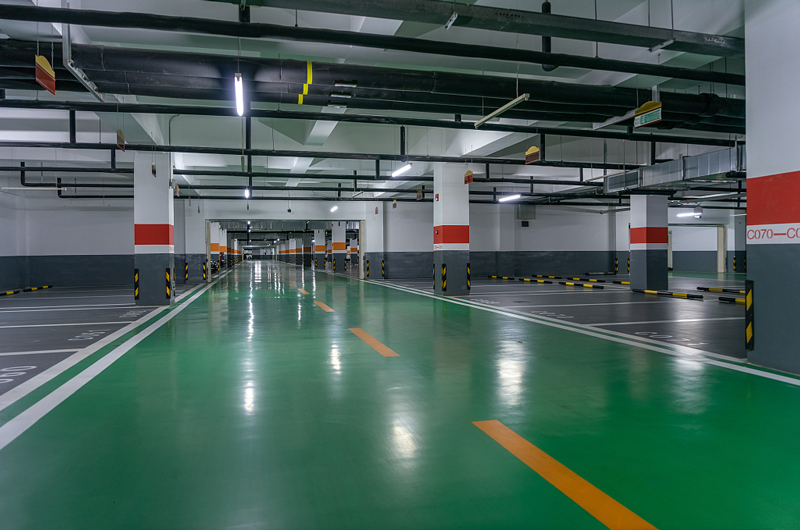
- Epoxy-based leveling compounds: These provide exceptional strength and durability, making them ideal for high-traffic areas or in places where the floor will be subjected to heavy loads.
- Acrylic-based leveling compounds: These offer improved flow characteristics and are often used in applications where a rapid-drying solution is required.