Enhancing Remote Team Knowledge Management and Sharing: Best Practices for Improved Collaboration and Productivity
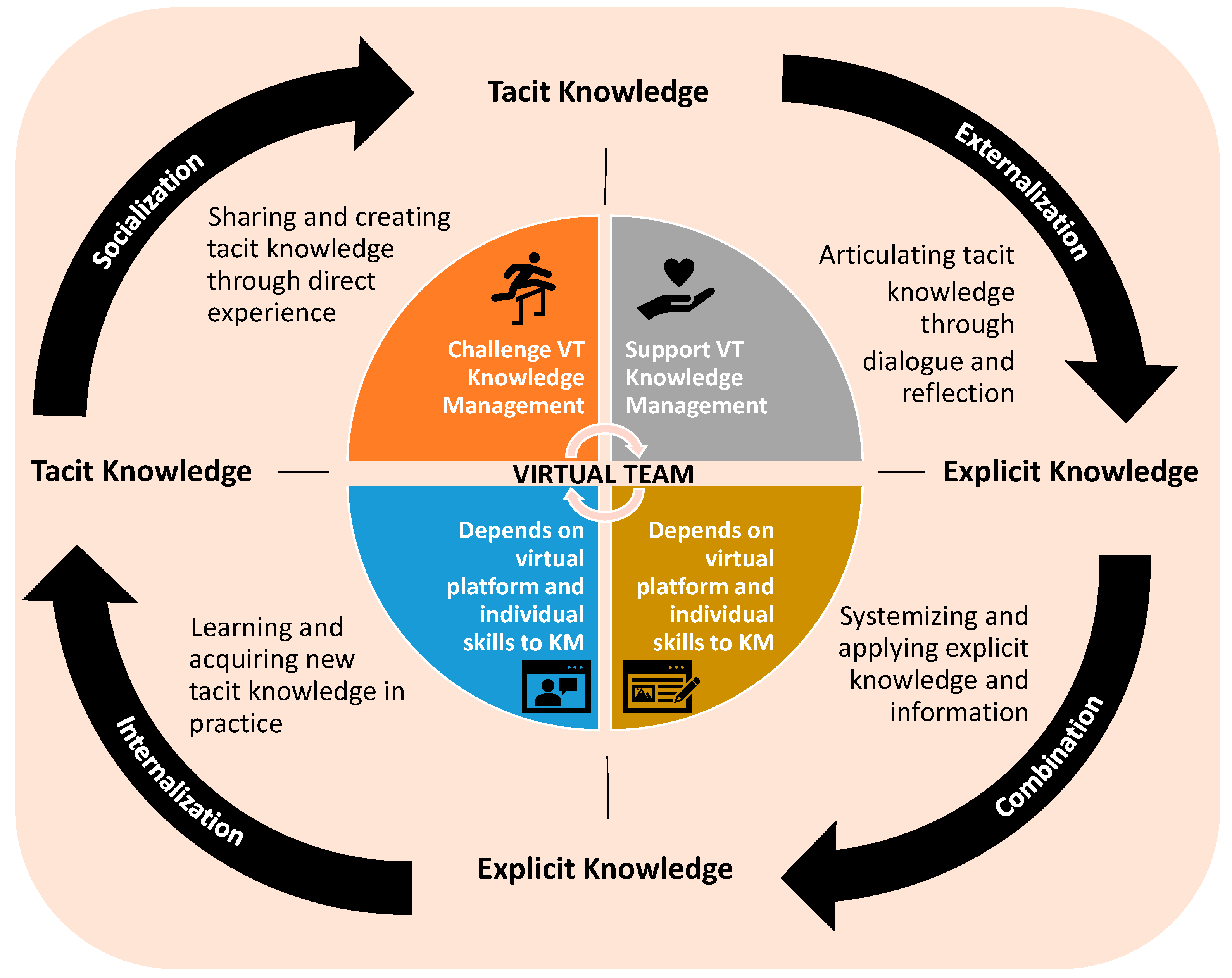
With the rise of remote work, teams are facing new challenges in managing and sharing knowledge effectively. In a traditional office setting, knowledge is often exchanged informally through watercooler conversations, team lunches, and impromptu meetings. However, in a remote team, these opportunities are limited, and knowledge can become siloed within individual team members.
Why Knowledgesharing is Crucial in Remote Teams
Knowledgesharing is essential in remote teams as it enables team members to access valuable insights, expertise, and experience that can improve collaboration, productivity, and decision-making. When team members can easily share knowledge, they can learn from each other's successes and failures, reducing the risk of repeating errors and improving overall team performance.
Challenges of Knowledgesharing in Remote Teams
However, knowledgesharing in remote teams can be more challenging than in traditional office settings. Without structured systems and informal interactions, valuable insights can remain siloed in chat threads, personal notes, or isolated conversations. This can lead to missed opportunities, reduced collaboration, and decreased productivity.
Best Practices for Enhancing Remote Team Knowledge Management and Sharing
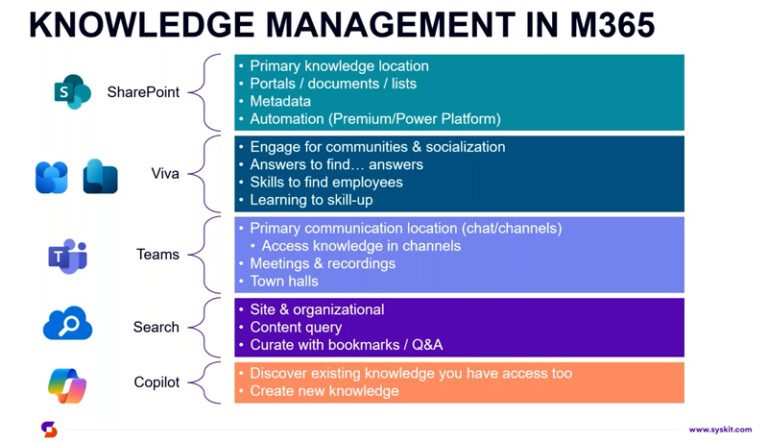
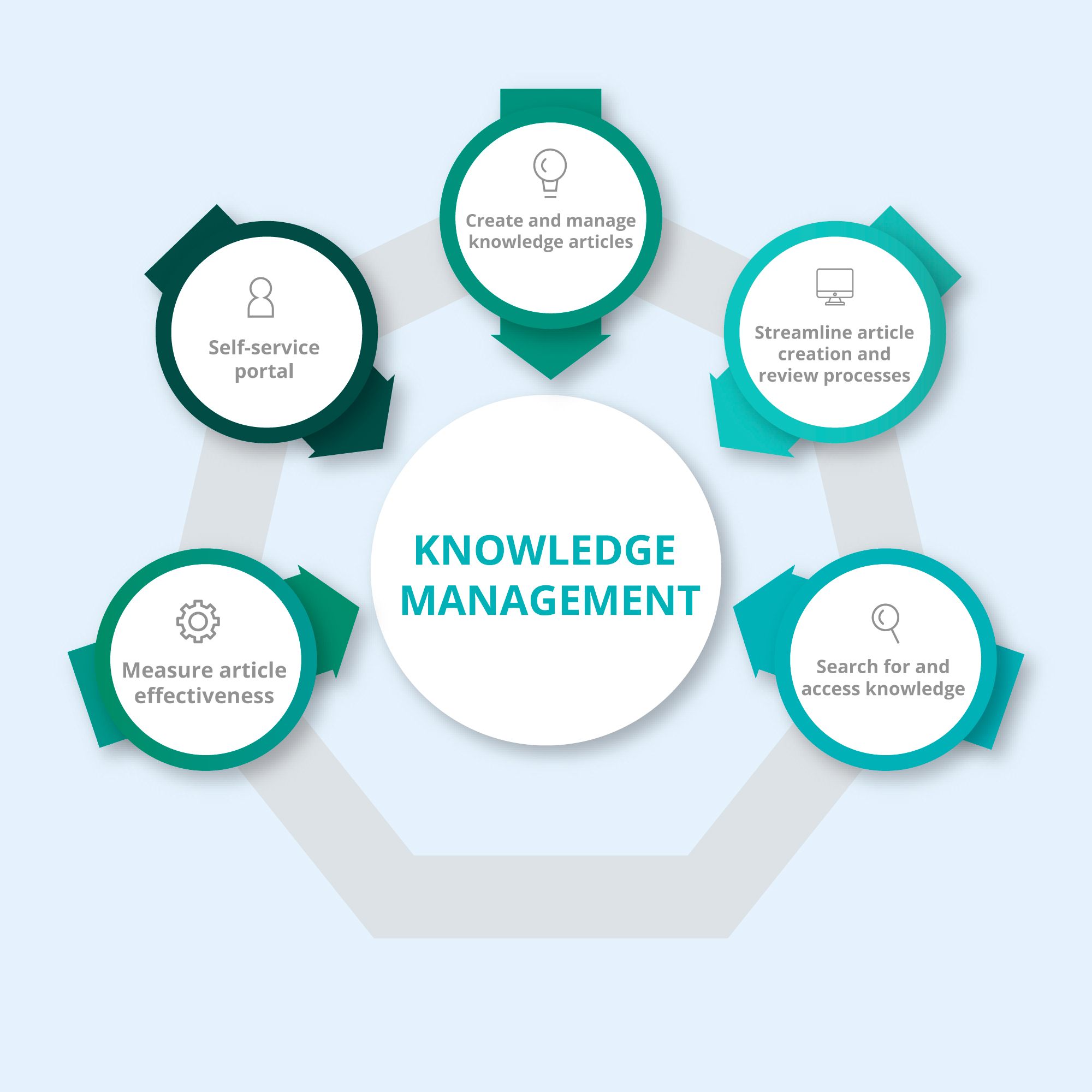
Fortunately, there are several best practices that can help enhance remote team knowledge management and sharing: