Unlocking the Secrets of GLP-1 and Glucagon Secretion: A Powerful Duo in Glucose Regulation
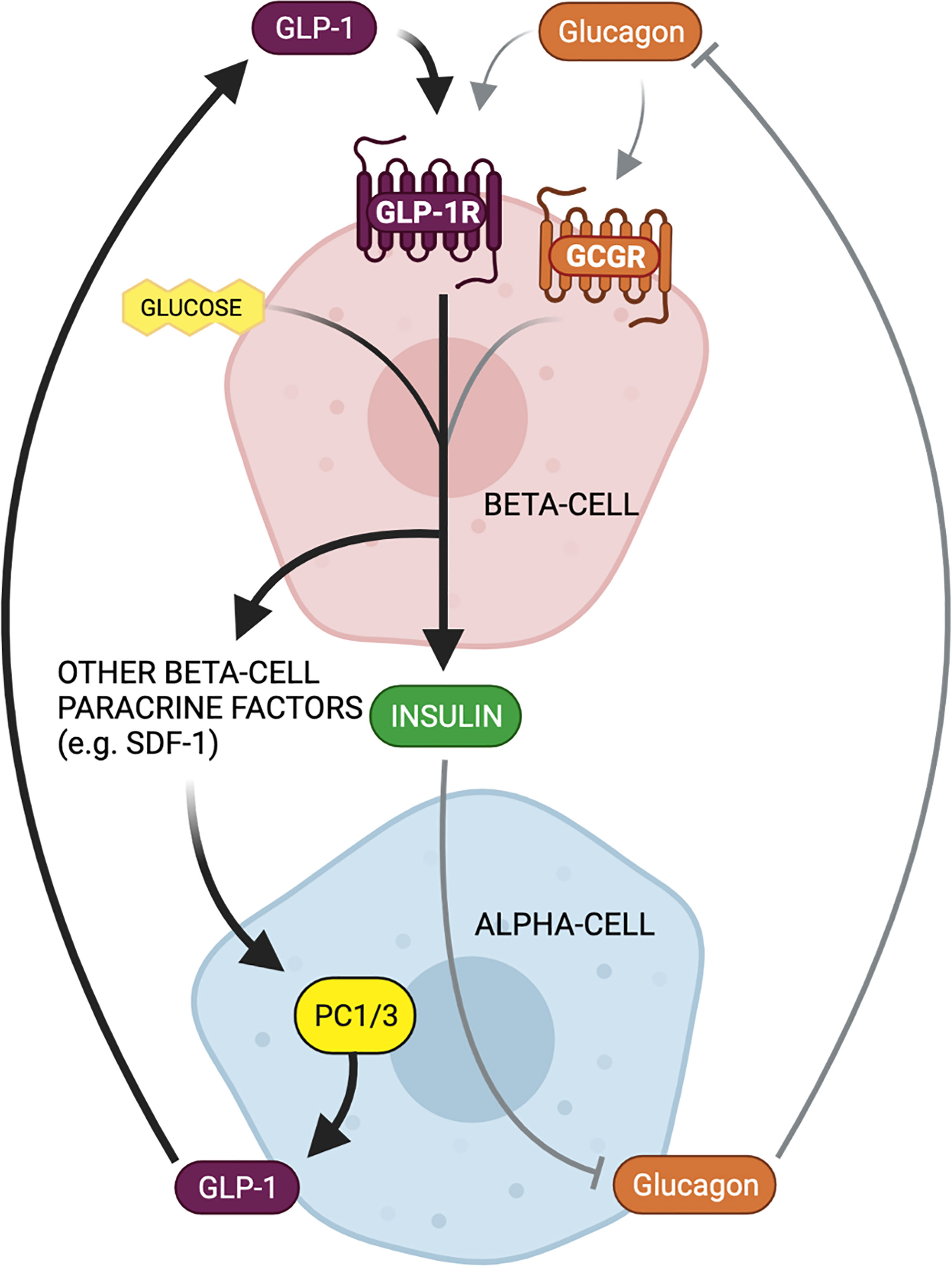
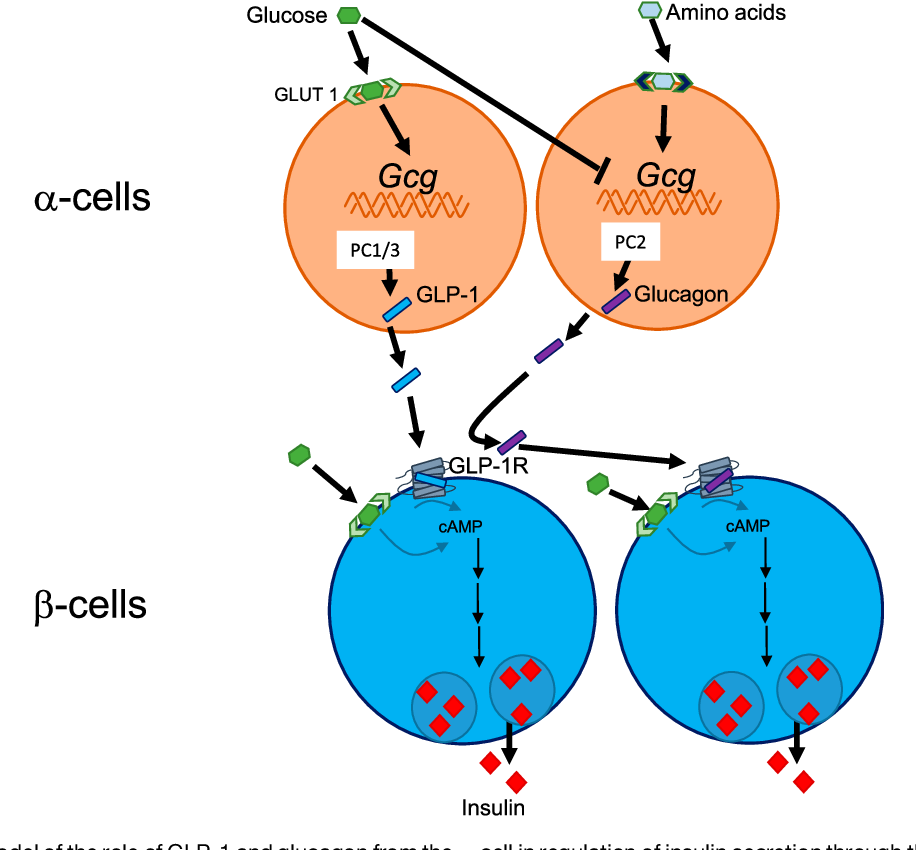
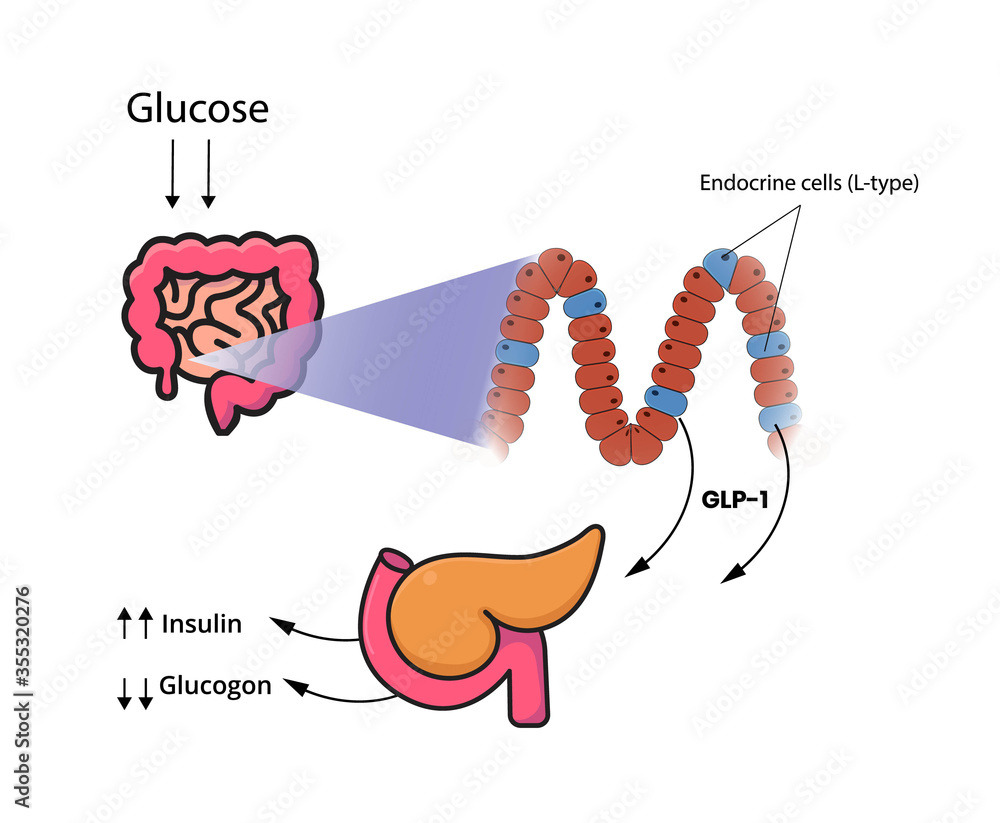
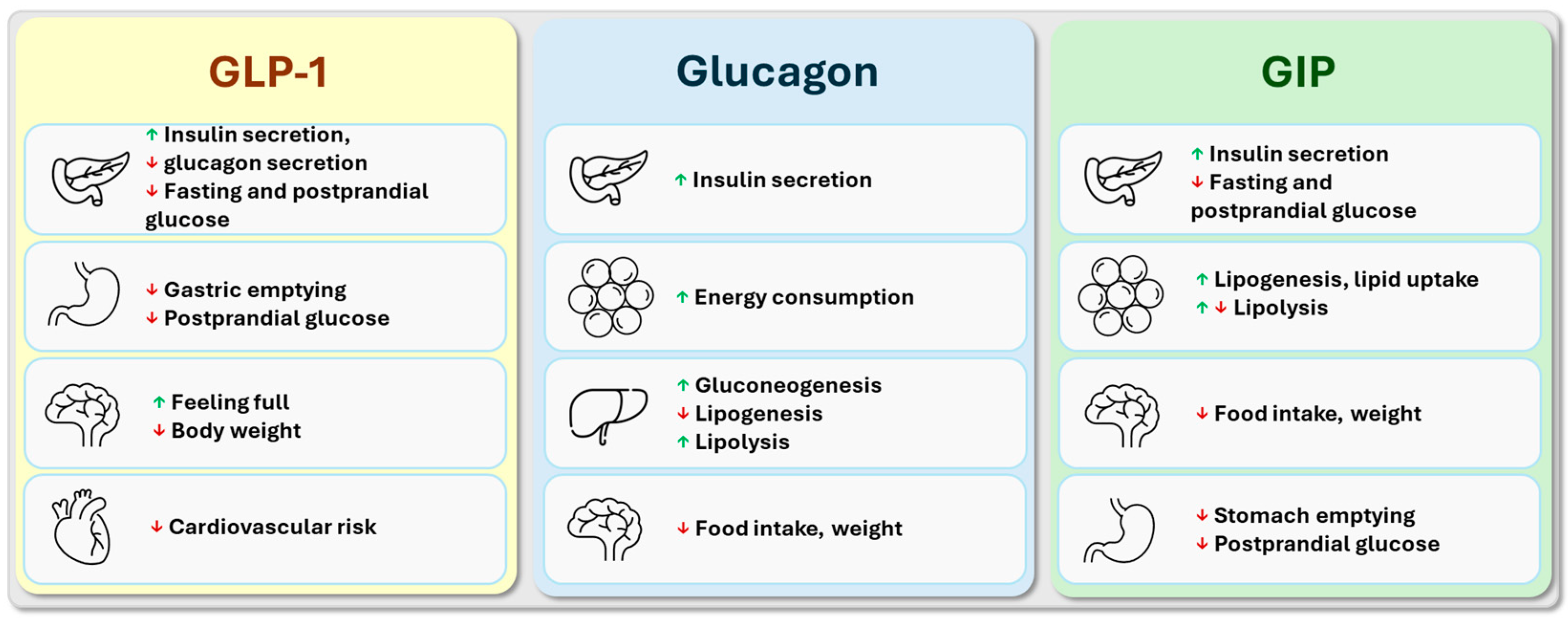
Glucagon-like peptide-1 (GLP-1) and glucagon secretion are two closely related processes that play a crucial role in regulating glucose homeostasis in the body. As a type of incretin hormone, GLP-1 facilitates the release of insulin in response to glucose, while also inhibiting glucagon secretion to prevent excessive glucose production. In this article, we'll delve into the fascinating world of GLP-1 and glucagon secretion, exploring their mechanisms of action, clinical implications, and potential therapeutic applications.
GLP-1: The Hero of Glucose Homeostasis
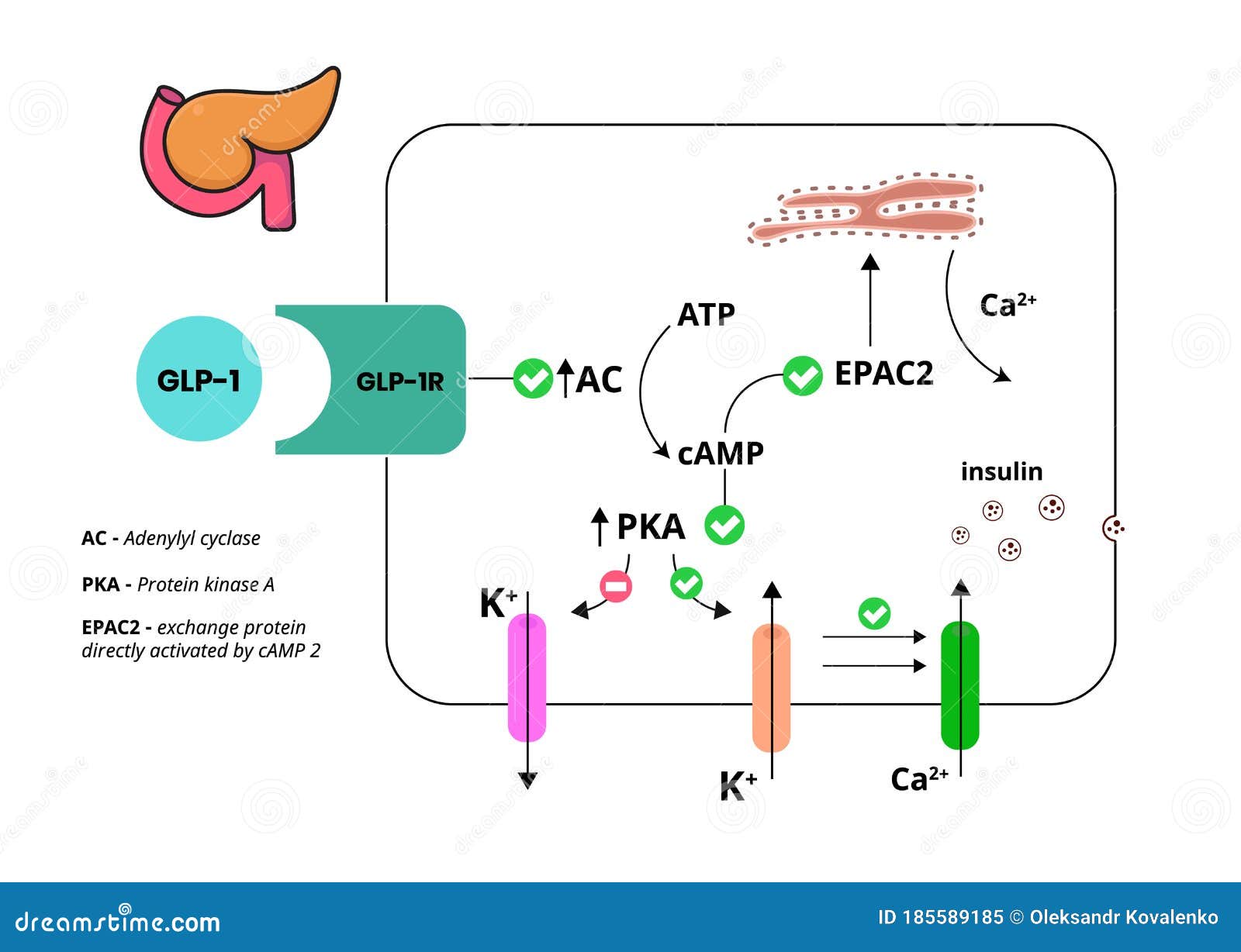
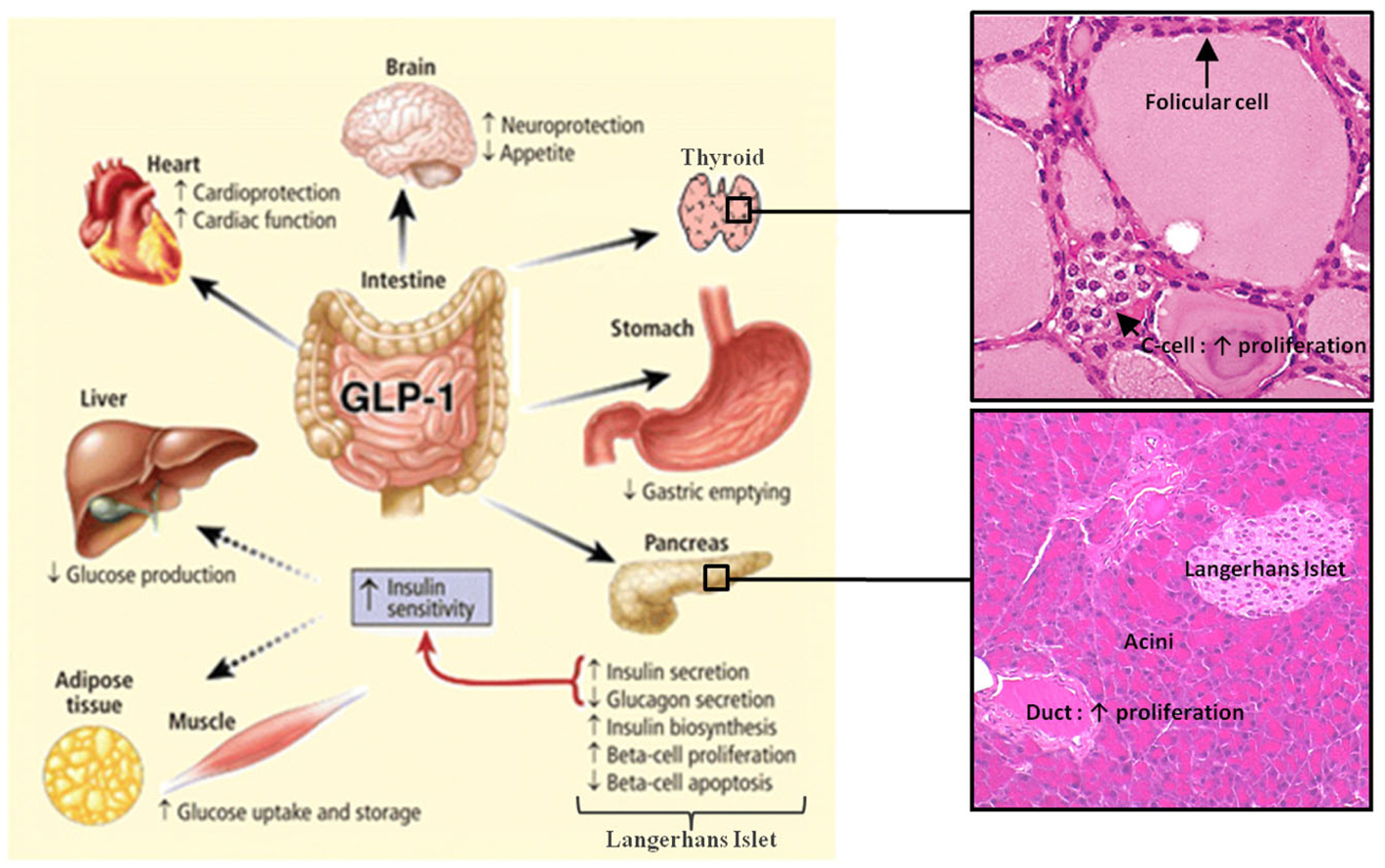
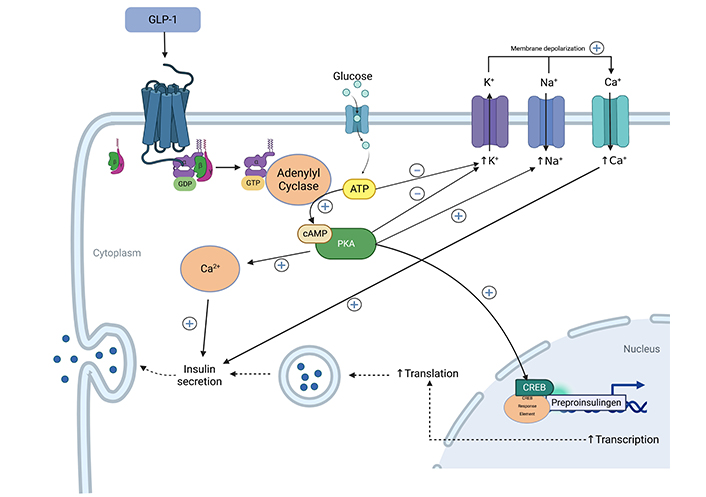
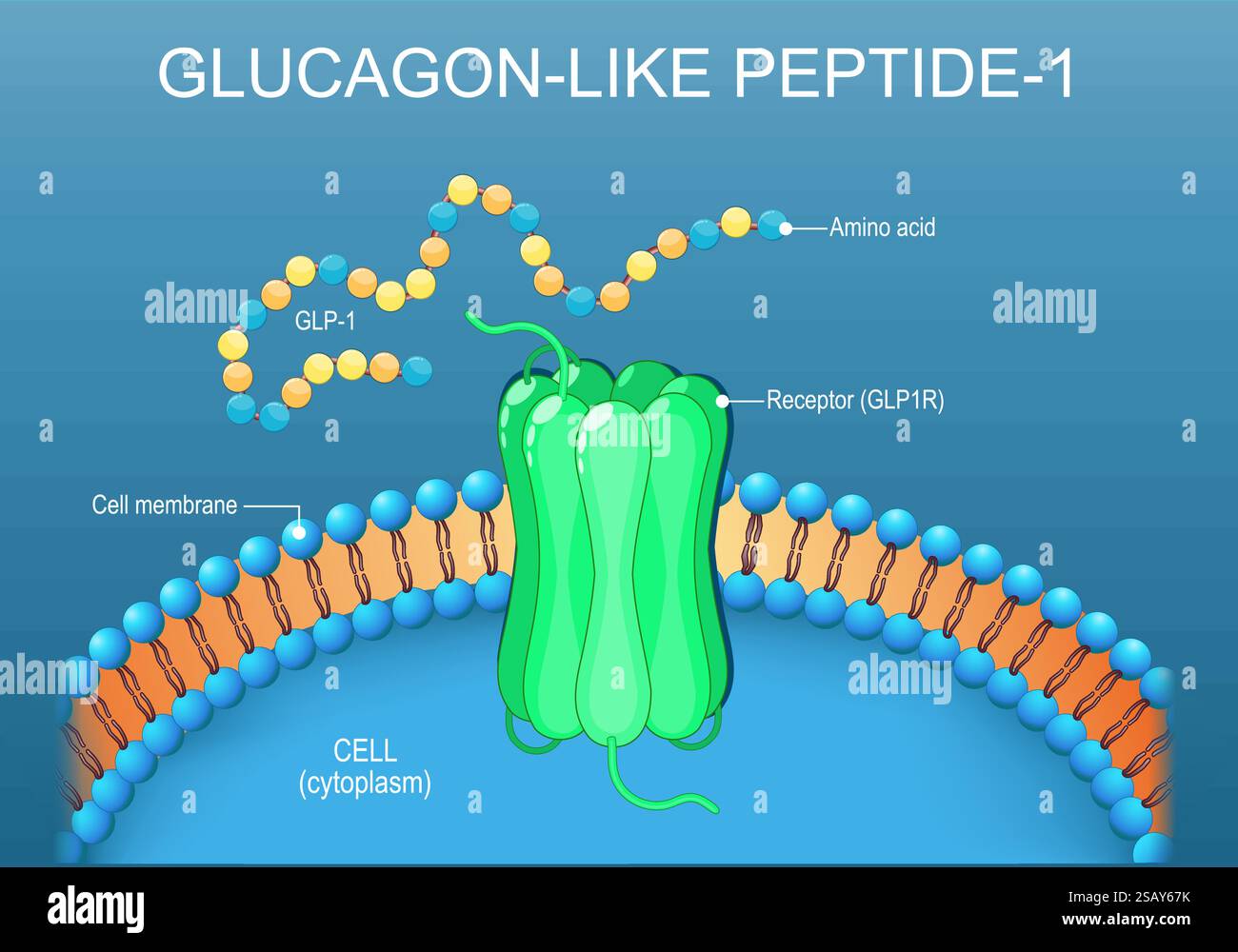
GLP-1, also known as glucagon-like peptide-1, is a 30- or 31-amino acid peptide hormone produced by the enteroendocrine L cells in the small intestine. It plays a key role in regulating glucose homeostasis by stimulating insulin secretion from pancreatic beta cells in a glucose-dependent manner. This mechanism ensures that insulin is released in response to rising glucose levels in the bloodstream, thereby preventing spikes in blood sugar levels.
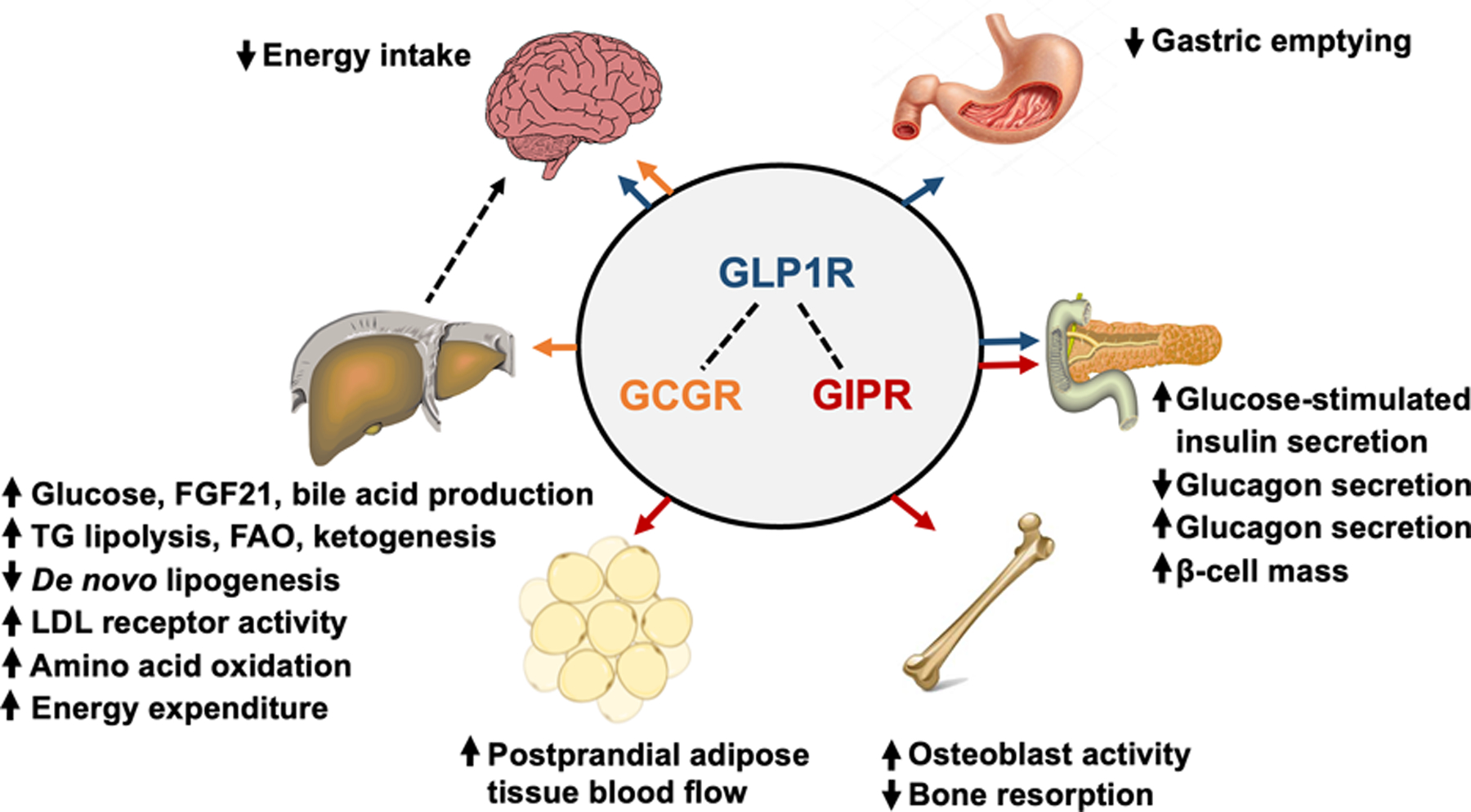
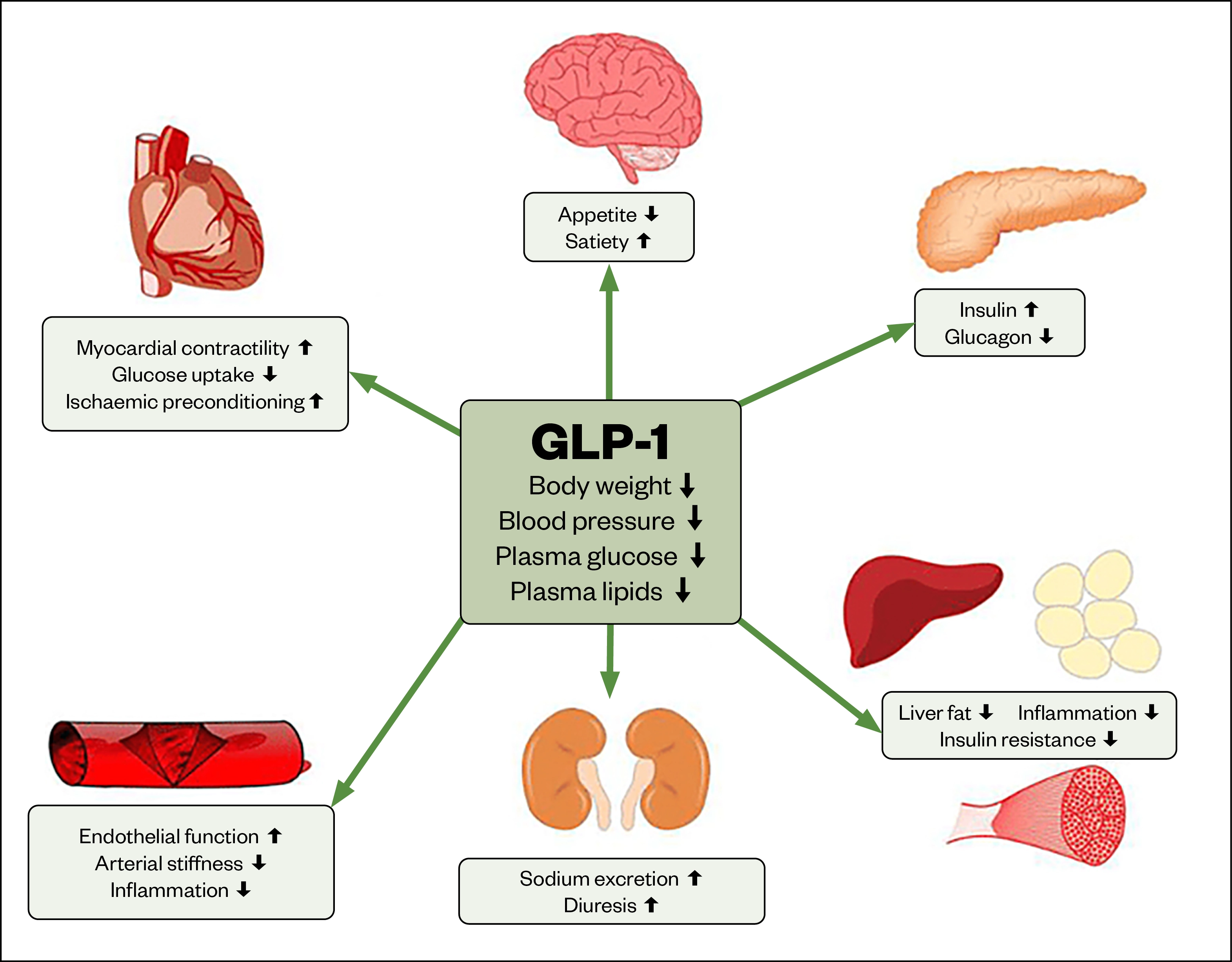
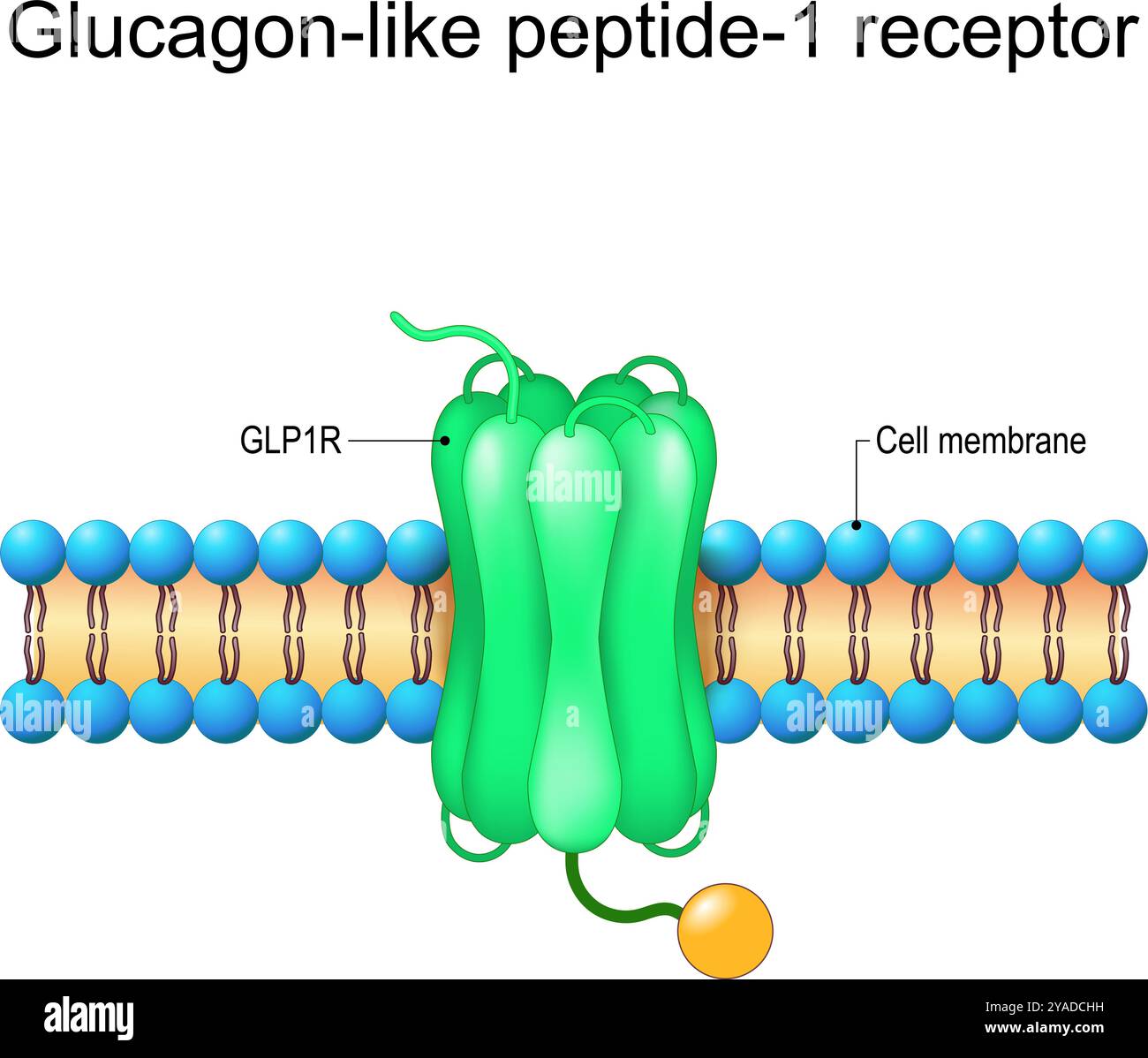
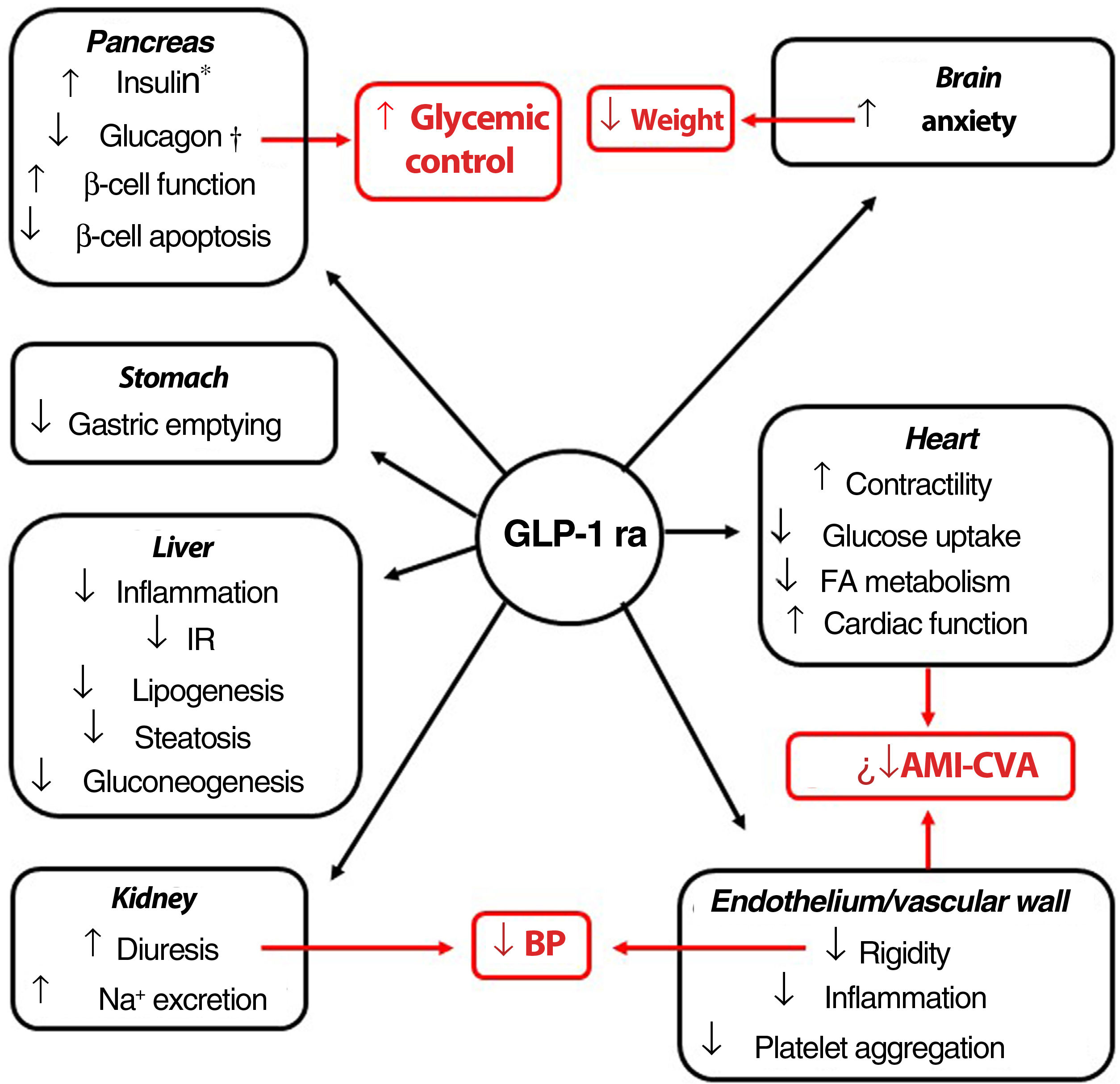
- GLP-1 activates GLP-1 receptors (GLP-1r) on pancreatic beta cells, inducing insulin secretion in response to glucose.
- GLP-1 also inhibits gastric emptying, allowing for optimal nutrient absorption and glucose homeostasis.
- The hormone signals the brain that the body has enough energy, inducing feelings of fullness and satiety.