Unlocking the Secrets of GLP-1 and Metabolism Weight Loss
In recent years, the gastrointestinal hormone GLP-1 (Glucagon-like peptide-1) has gained significant attention in the field of metabolic health and weight management. Originally developed to support individuals with type 2 diabetes, GLP-1 therapies are now commonly prescribed by physicians to help regulate appetite, improve metabolic balance, and aid in weight loss. But what exactly is GLP-1, and how does it work in conjunction with metabolism to facilitate weight loss? In this article, we'll delve into the world of GLP-1 and metabolism weight loss, exploring its clinical implications and the science behind this groundbreaking hormone.
What is GLP-1 and How Does it Work?
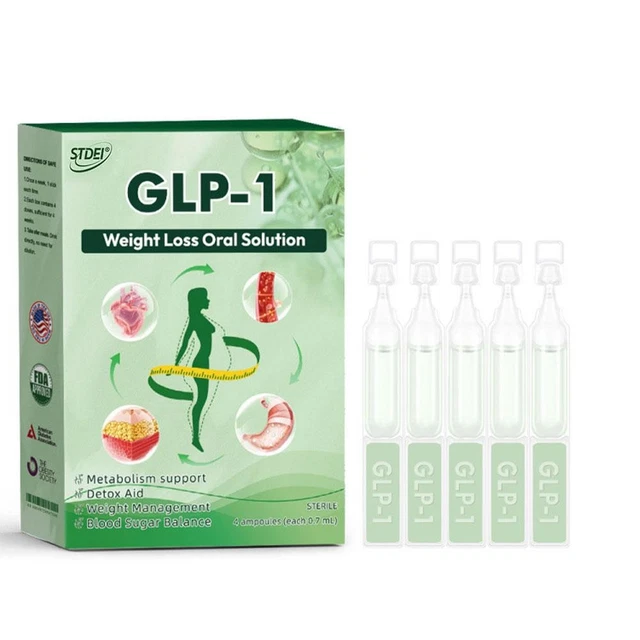
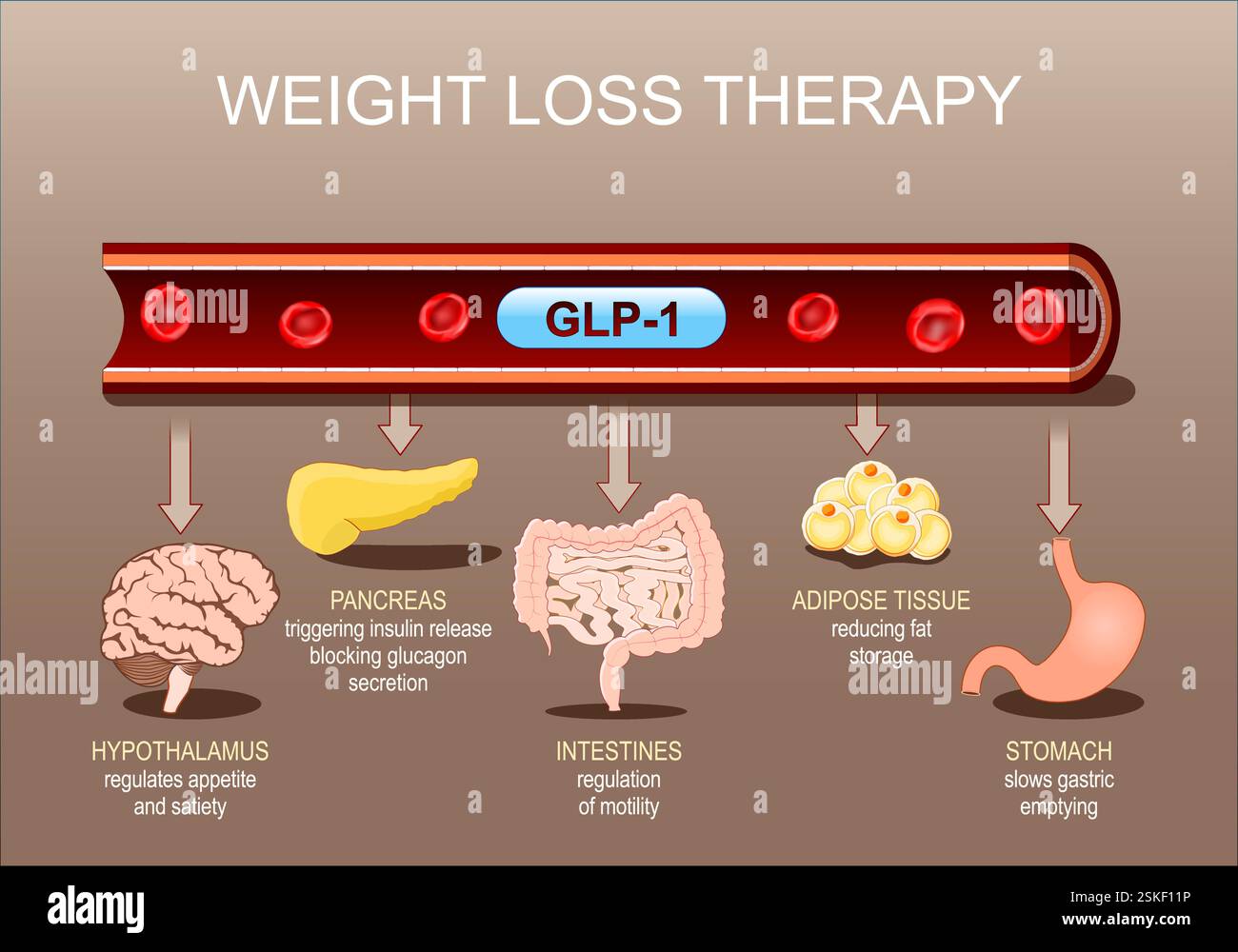
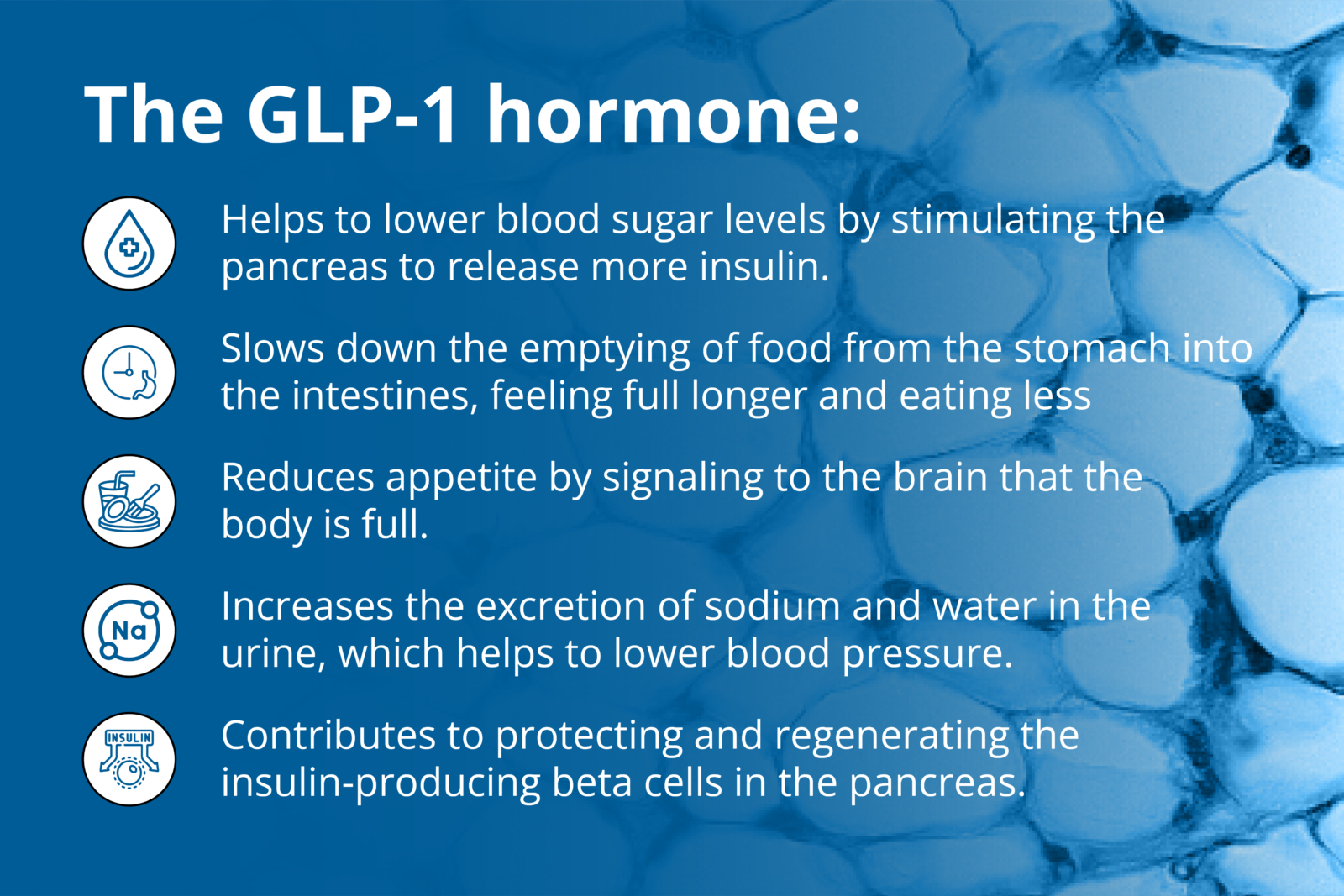
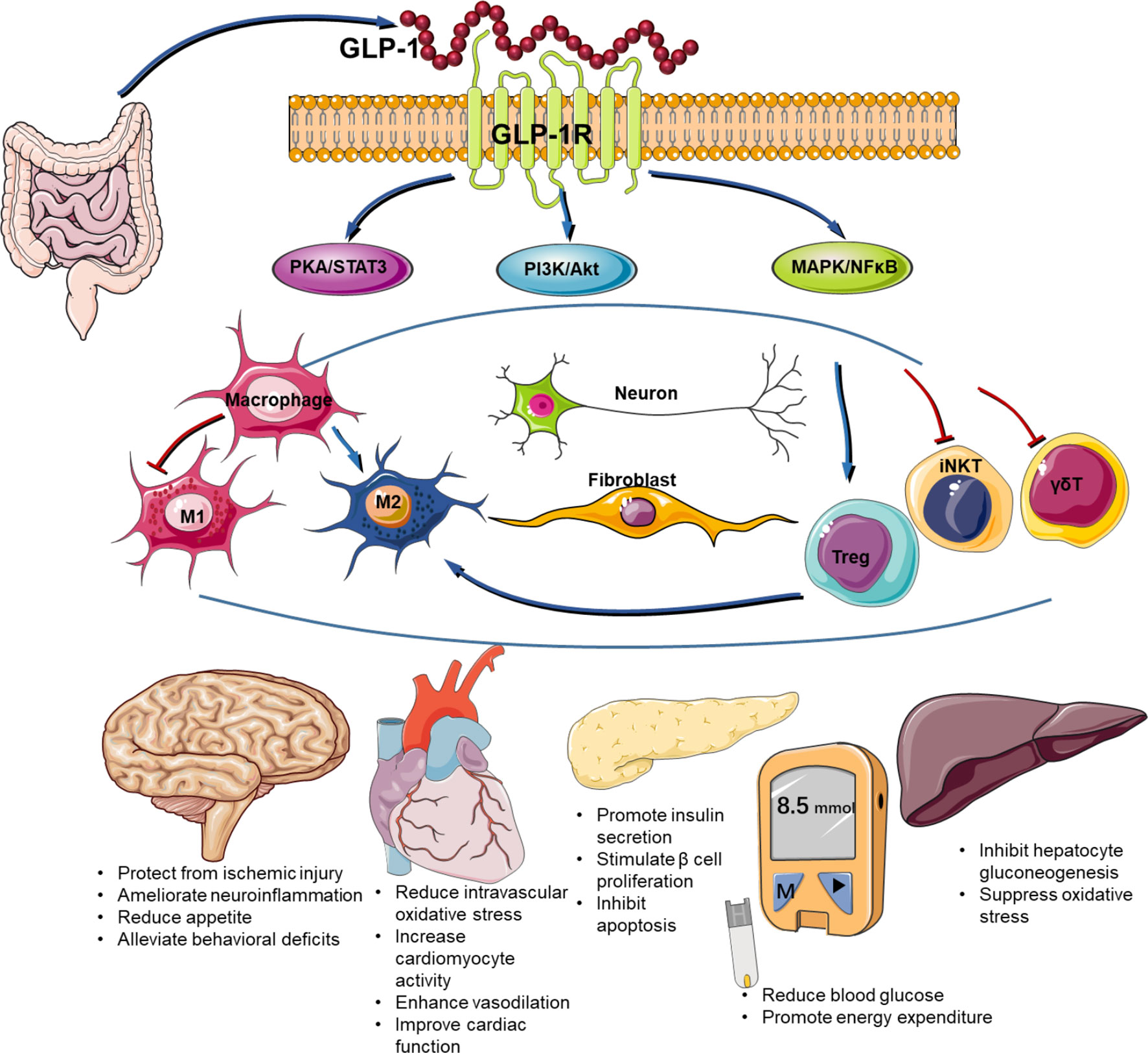
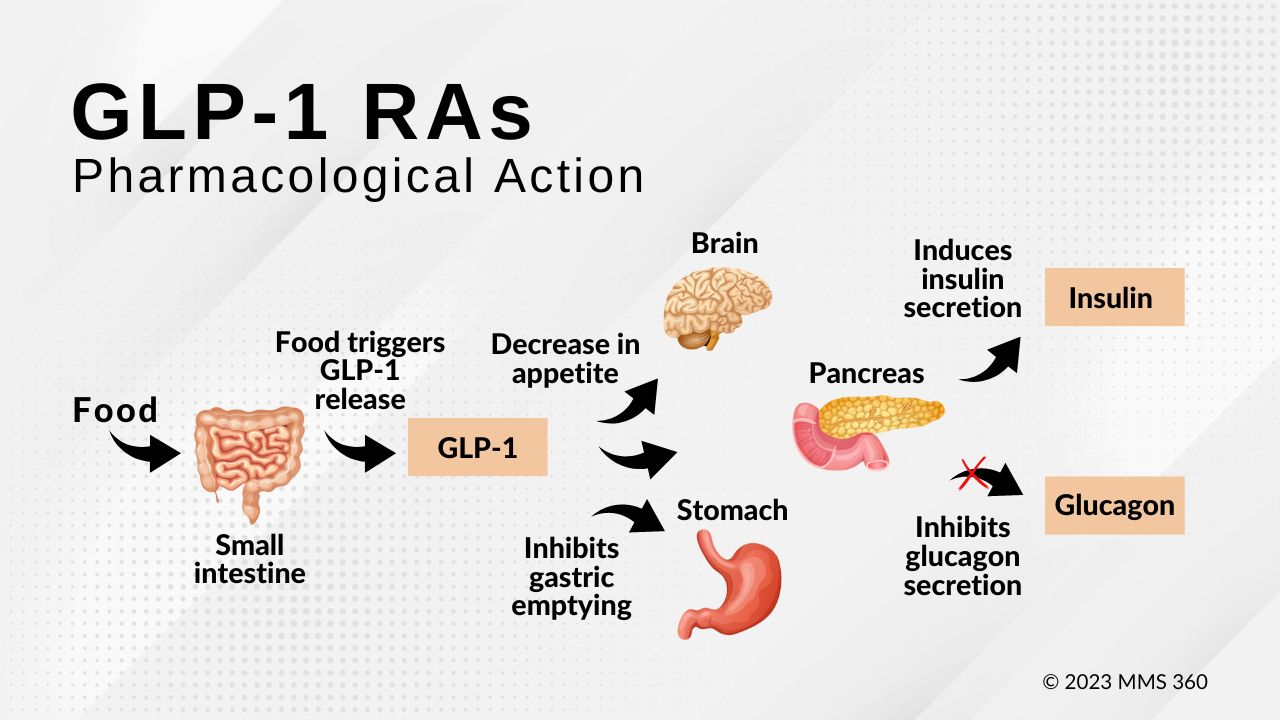
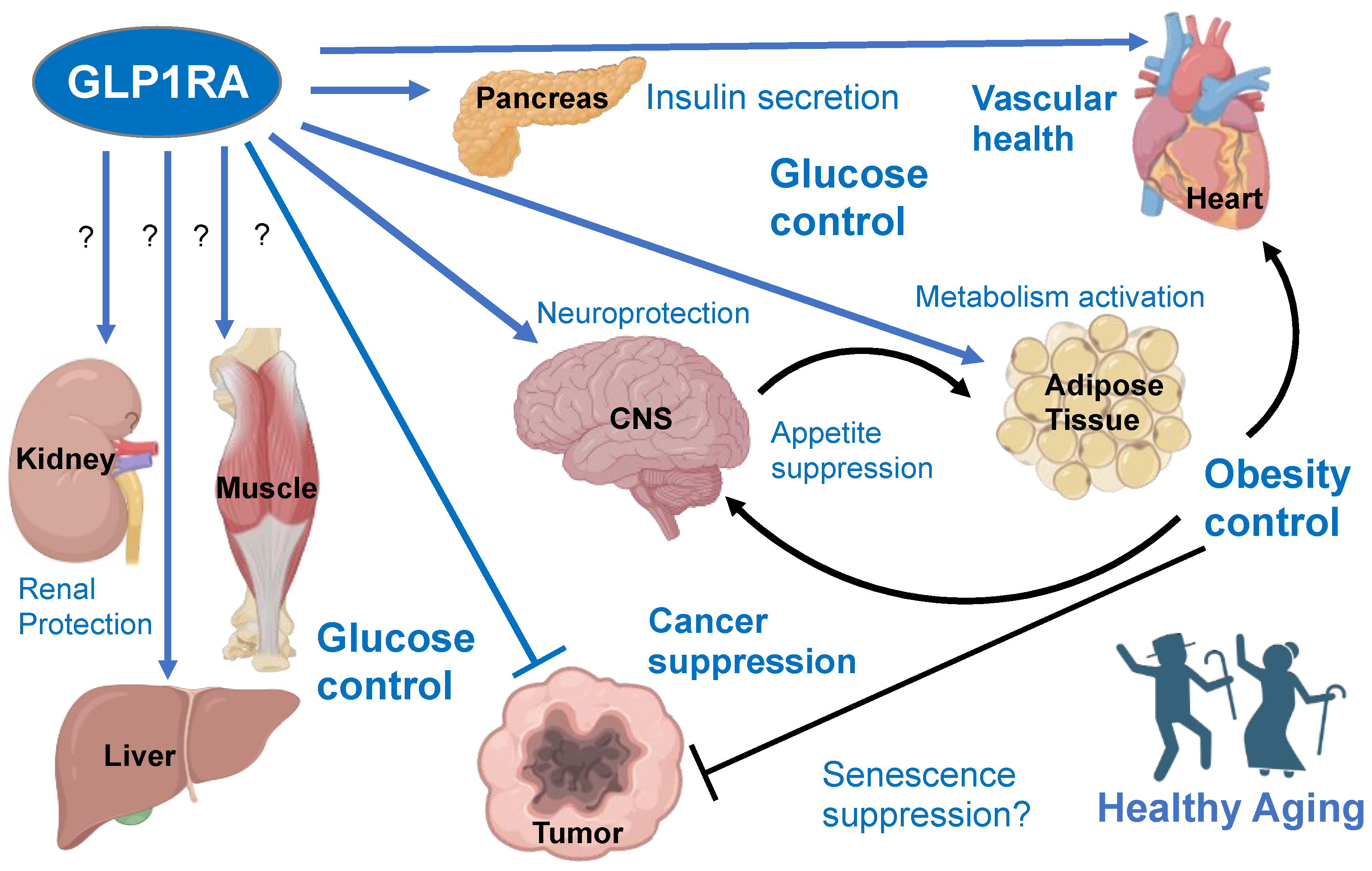
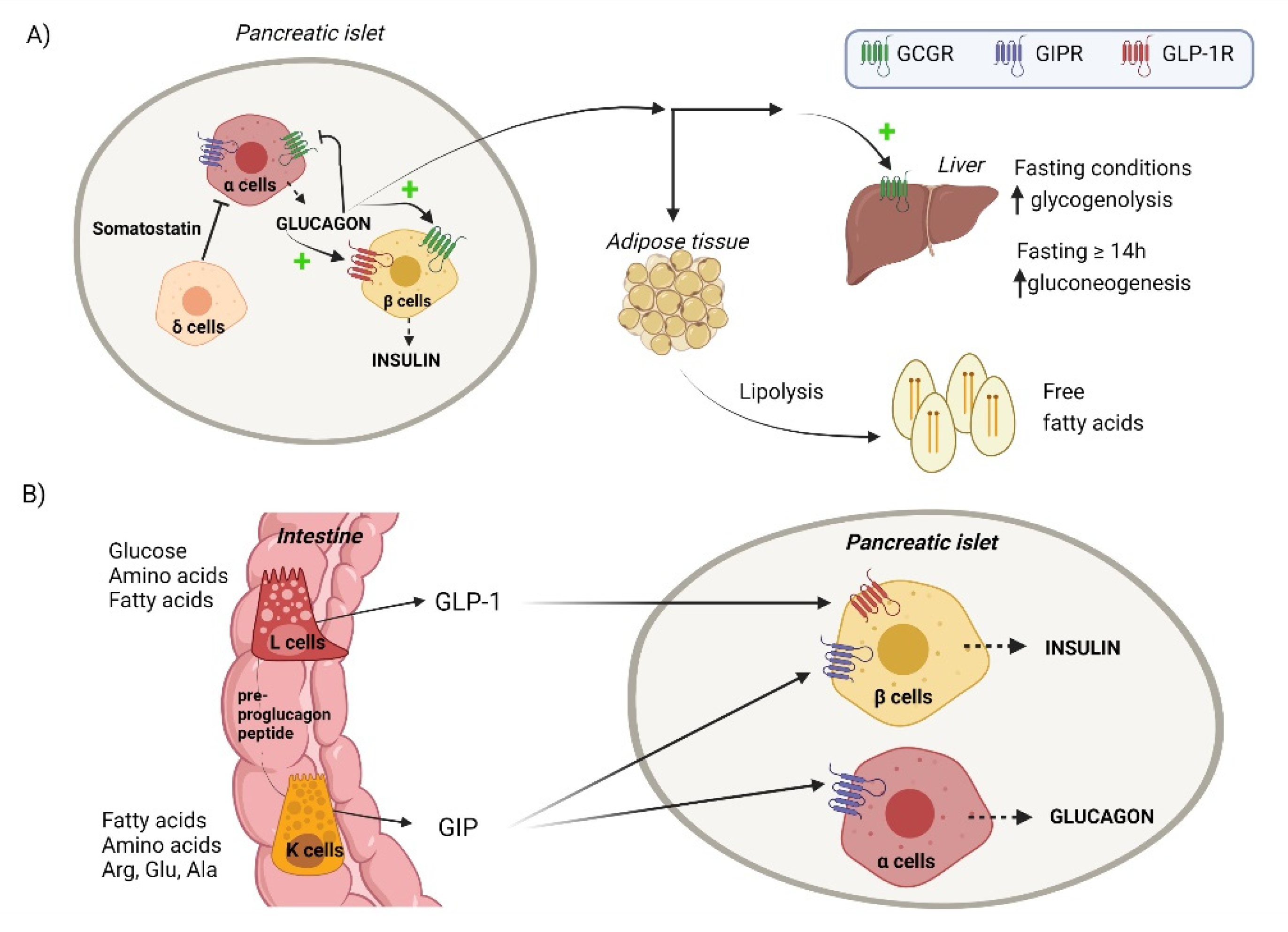
GLP-1 is a naturally occurring hormone produced by the intestines in response to food intake. It plays a critical role in regulating appetite, glucose metabolism, and insulin secretion. When GLP-1 binds to its receptors in the brain and pancreas, it stimulates the release of insulin, delays gastric emptying, and reduces glucagon levels. This hormonal cascade helps to regulate glucose levels, suppress appetite, and promote feelings of satiety. By amplifying the natural effects of GLP-1, GLP-1 receptor agonists (GLP-1RAs) have become a cornerstone in the treatment of type 2 diabetes and obesity.