Drywall Joint Compound Finishing: A Comprehensive Guide
Introduction
In the world of drywall finishing, joint compound is a crucial material that plays a vital role in creating seamless and professional-looking joints. Whether you're a seasoned professional or a DIY enthusiast, understanding the various types of joint compounds and their applications can make a significant difference in the outcome of your project. In this article, we'll delve into the world of drywall joint compound finishing, exploring its importance, types, and expert techniques for achieving a flawless finish.What is Joint Compound?
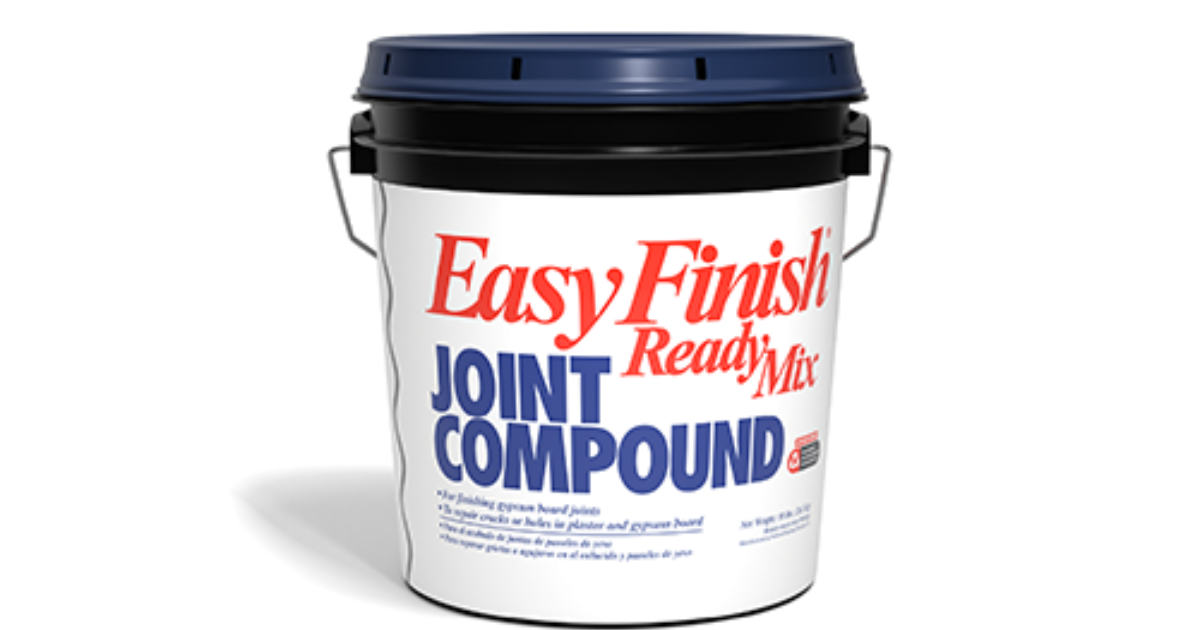
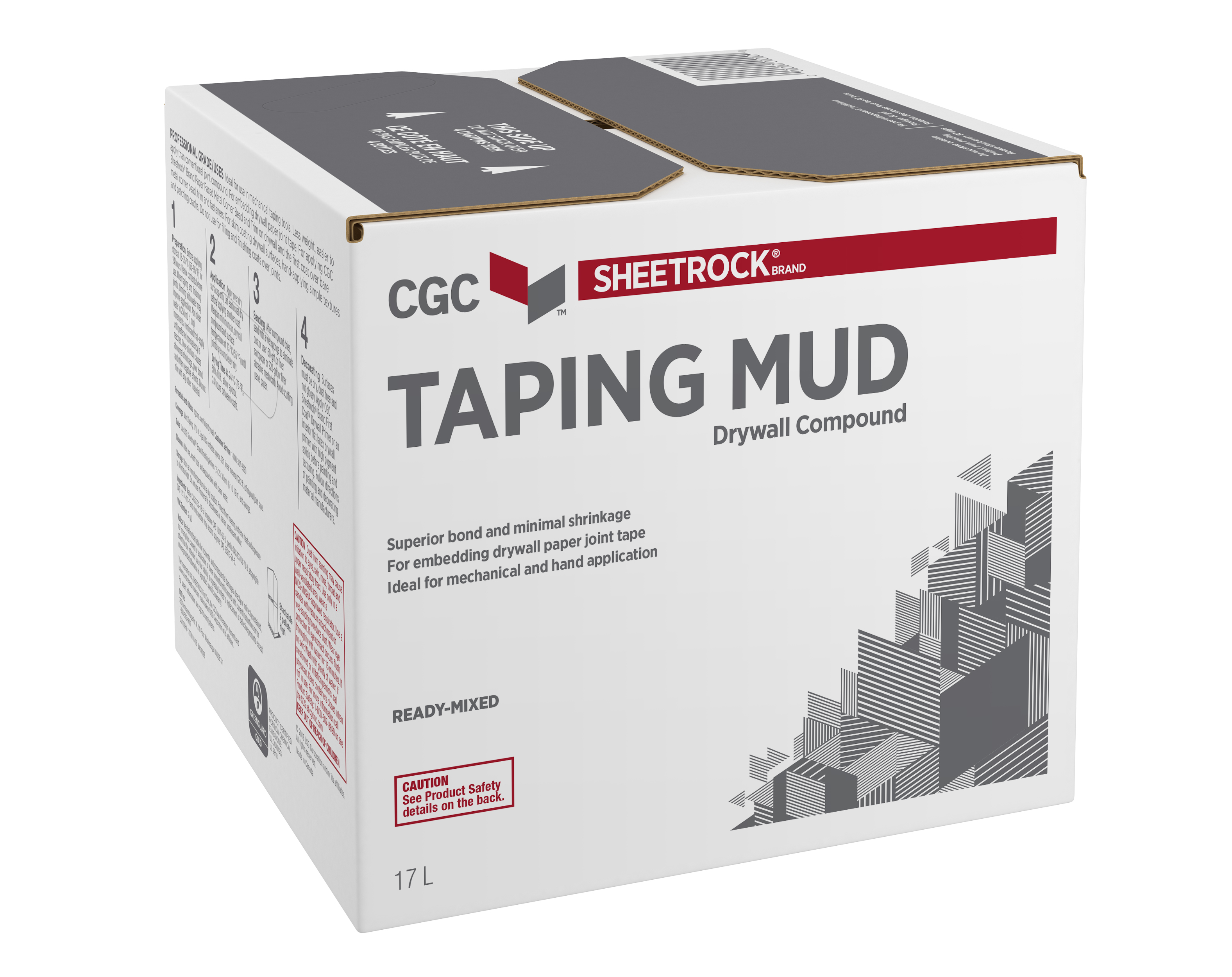
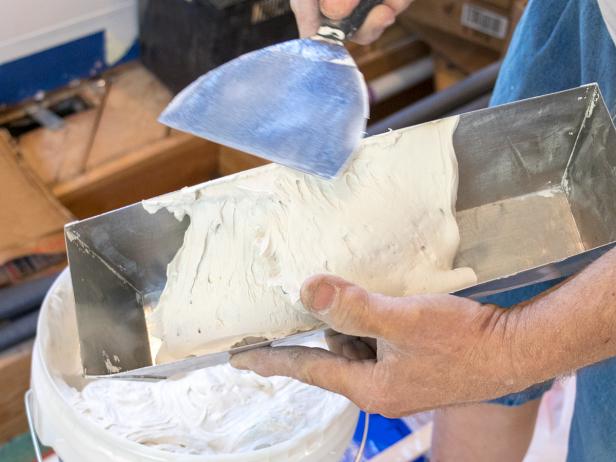
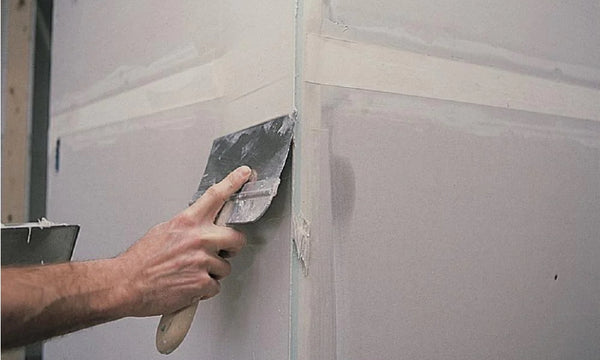
Also known as drywall mud, joint compound is a mixture of gypsum powder and water that turns into a smooth, paste-like substance. It's used to fill in gaps and cracks in walls, creating a seamless and professional finish.
Types of Joint Compounds
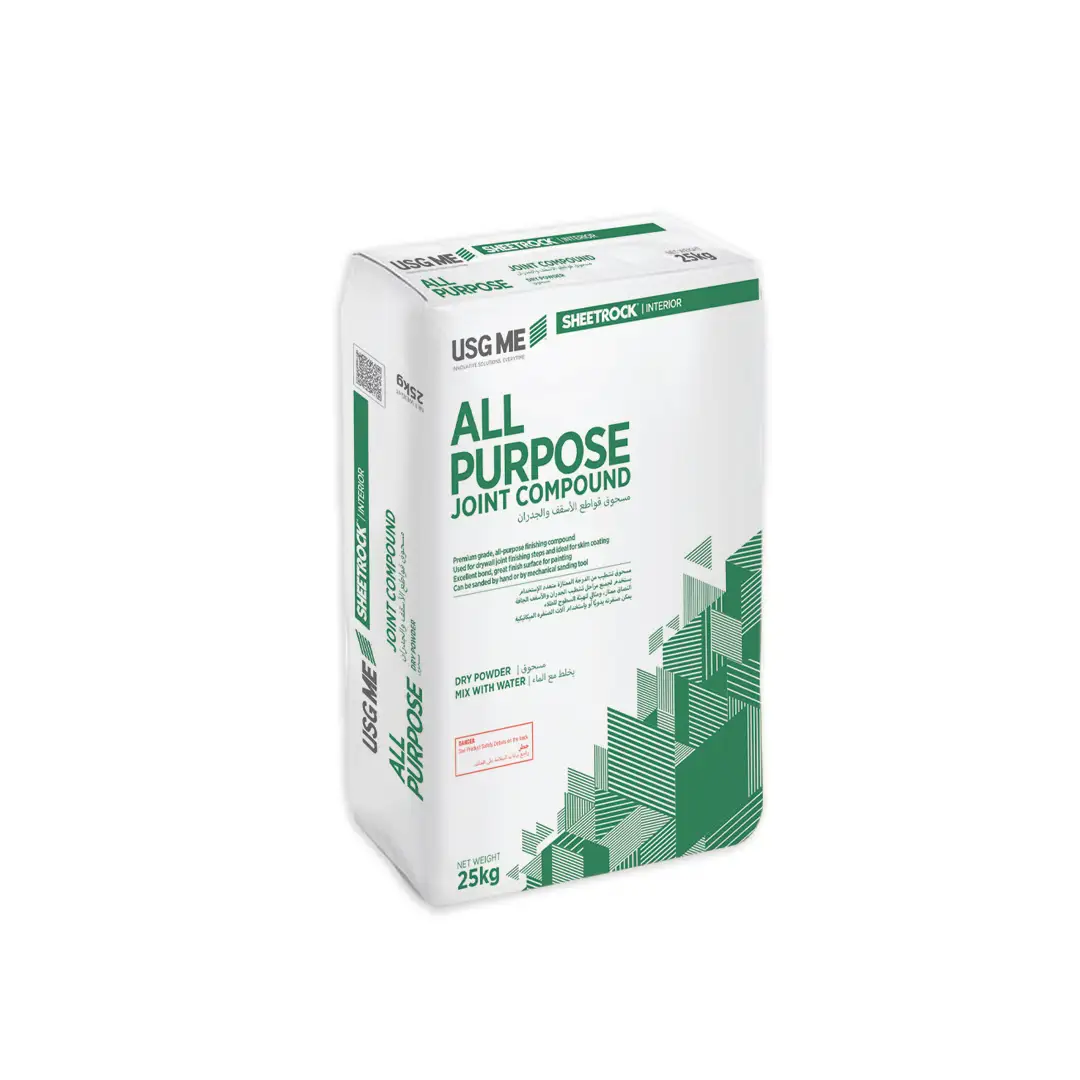
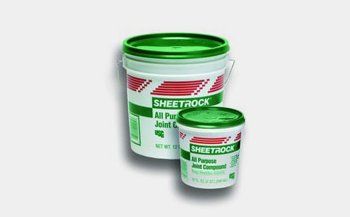
- General Purpose Joint Compound: A versatile compound suitable for most finishing applications, including taping, bedding, and finishing coats.
- Topping Compound: A lighter, faster-drying compound used for finishing coats, ideal for achieving a smooth, even surface.
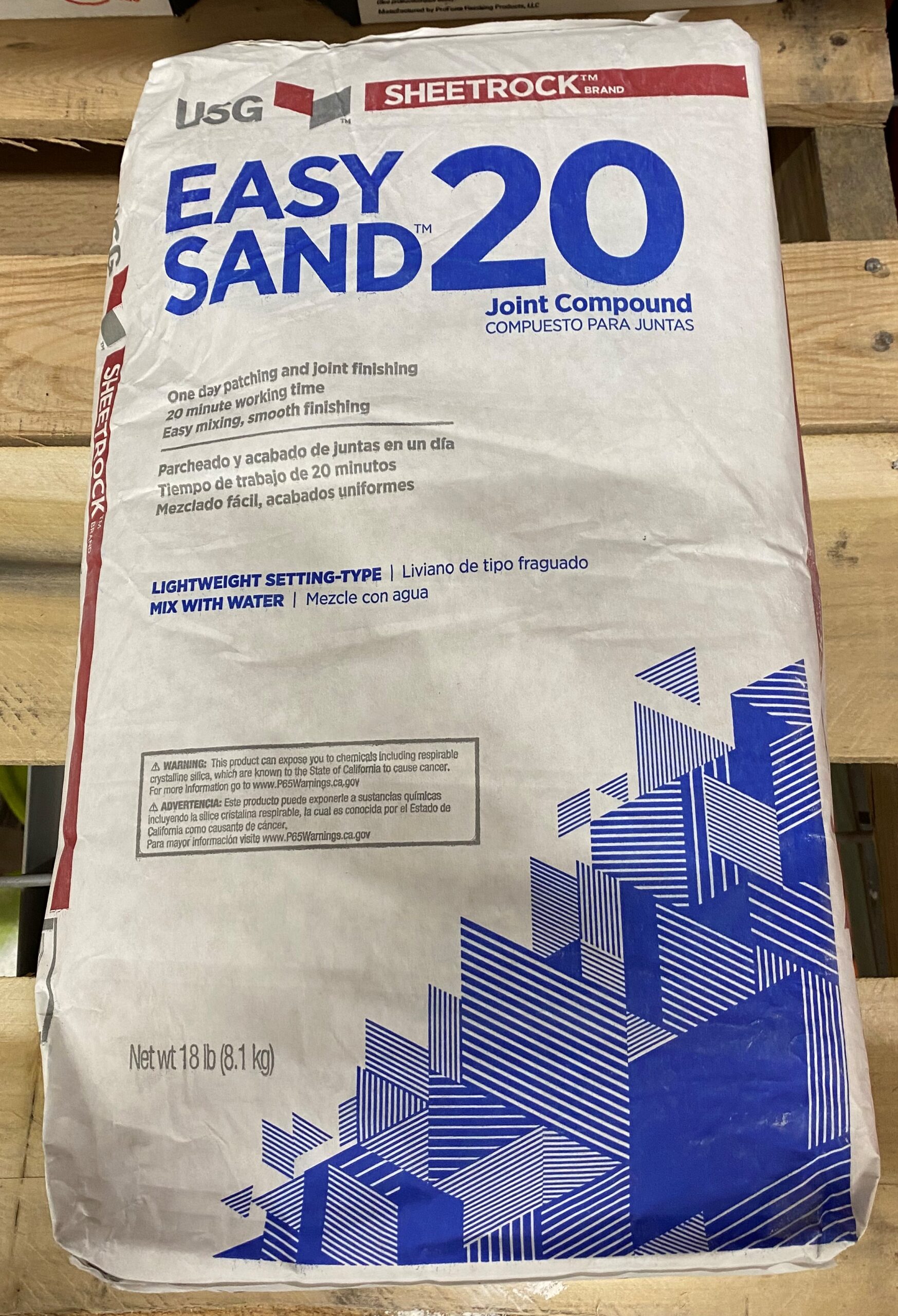
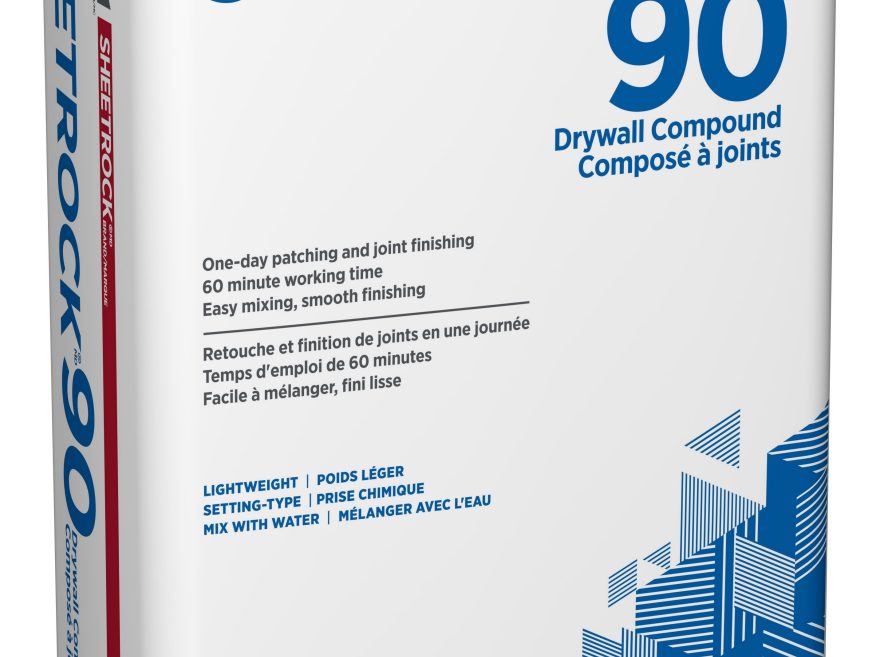
- Setting Compound: A fast-setting compound used for emergency repairs, filling deep gaps, and flash taping.
- Specialty Compounds: A range of compounds designed for specific tasks, such as patching holes, repairing cracks, and matching textured ceilings.