Mold Contamination Cleanup: A Comprehensive Guide to Protecting Your Health and Property
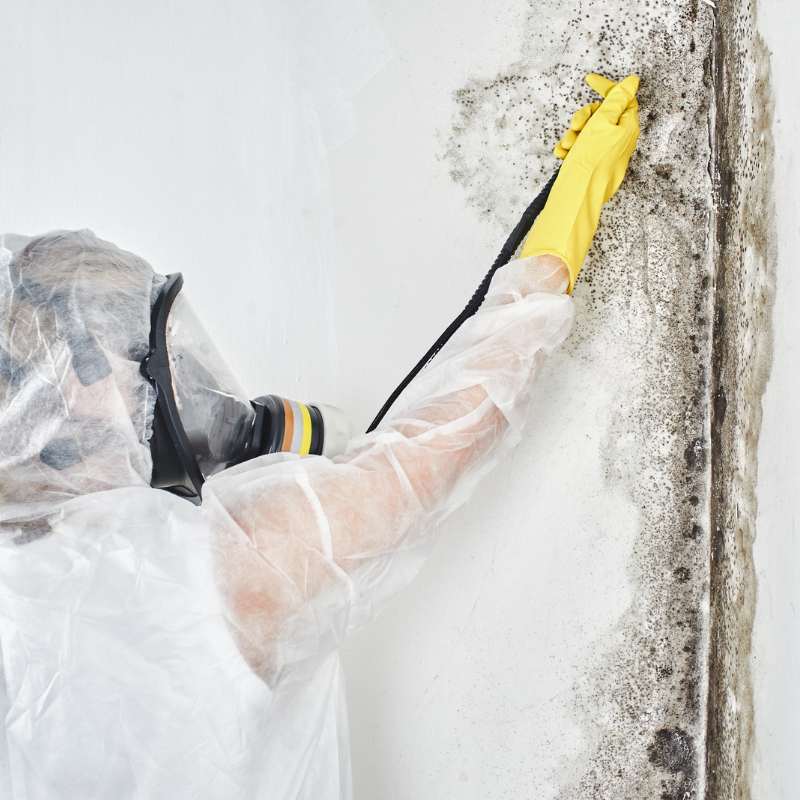
Cleaning up mold, whether from a small leak or a major flood, can present health and injury risks. It's essential to approach mold contamination with caution and take the necessary steps to protect your health while making your home environment a healthier place to live.
Understanding Mold Contamination
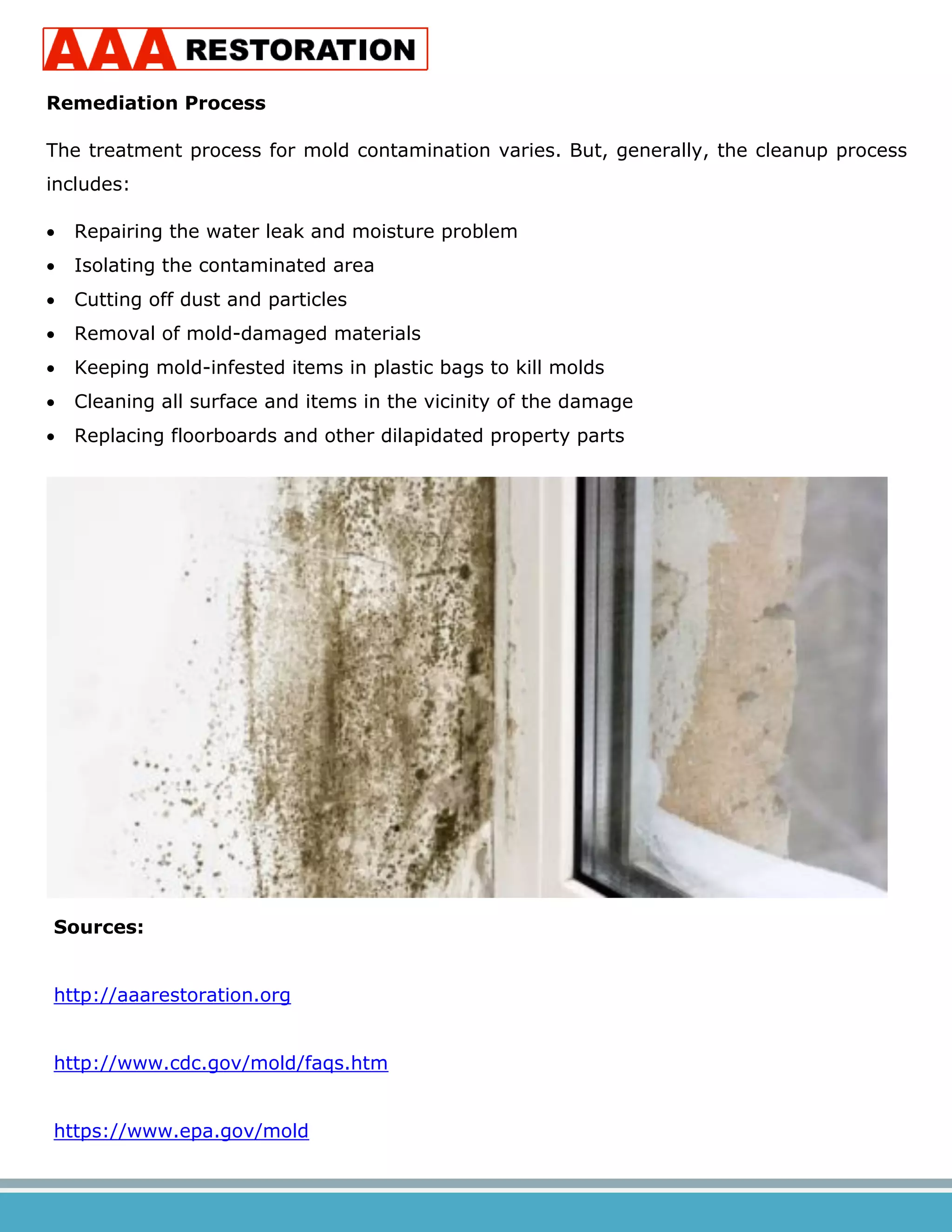
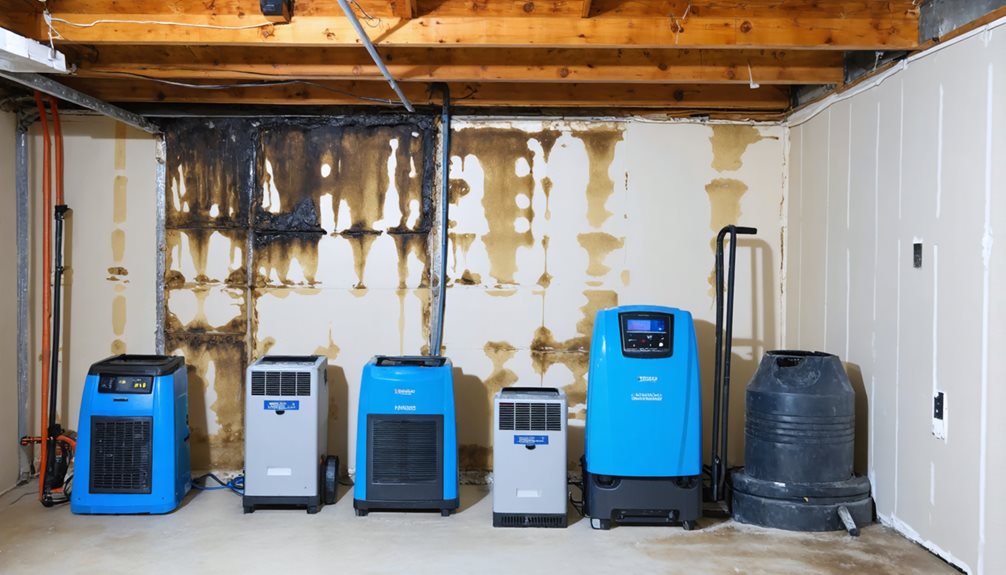
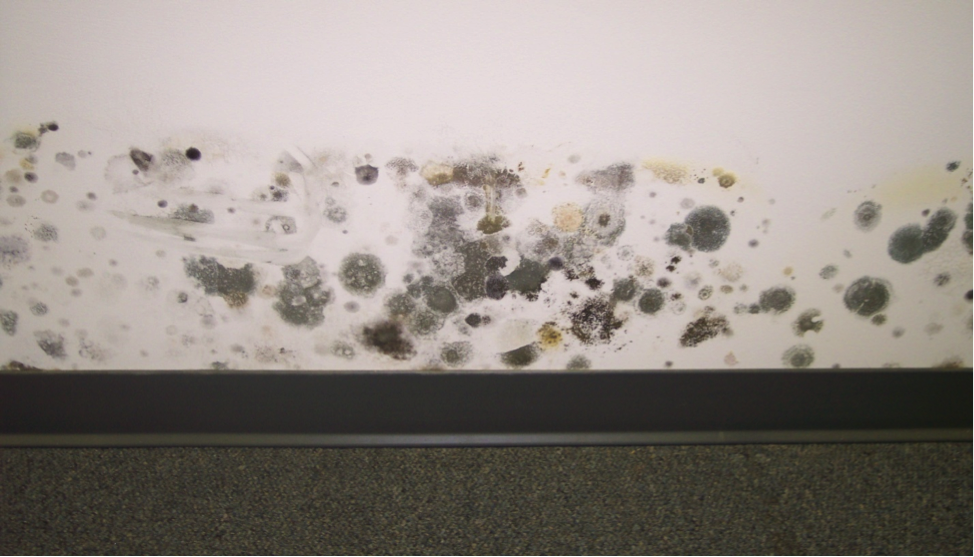
Mold growing on a piece of ceiling tile is a common sight, especially after a flood or water damage. During mold remediation, the indoor air quality in your home or office may seem like the least of your problems. However, failure to remove contaminated materials and reduce moisture and humidity can present serious long-term health risks.
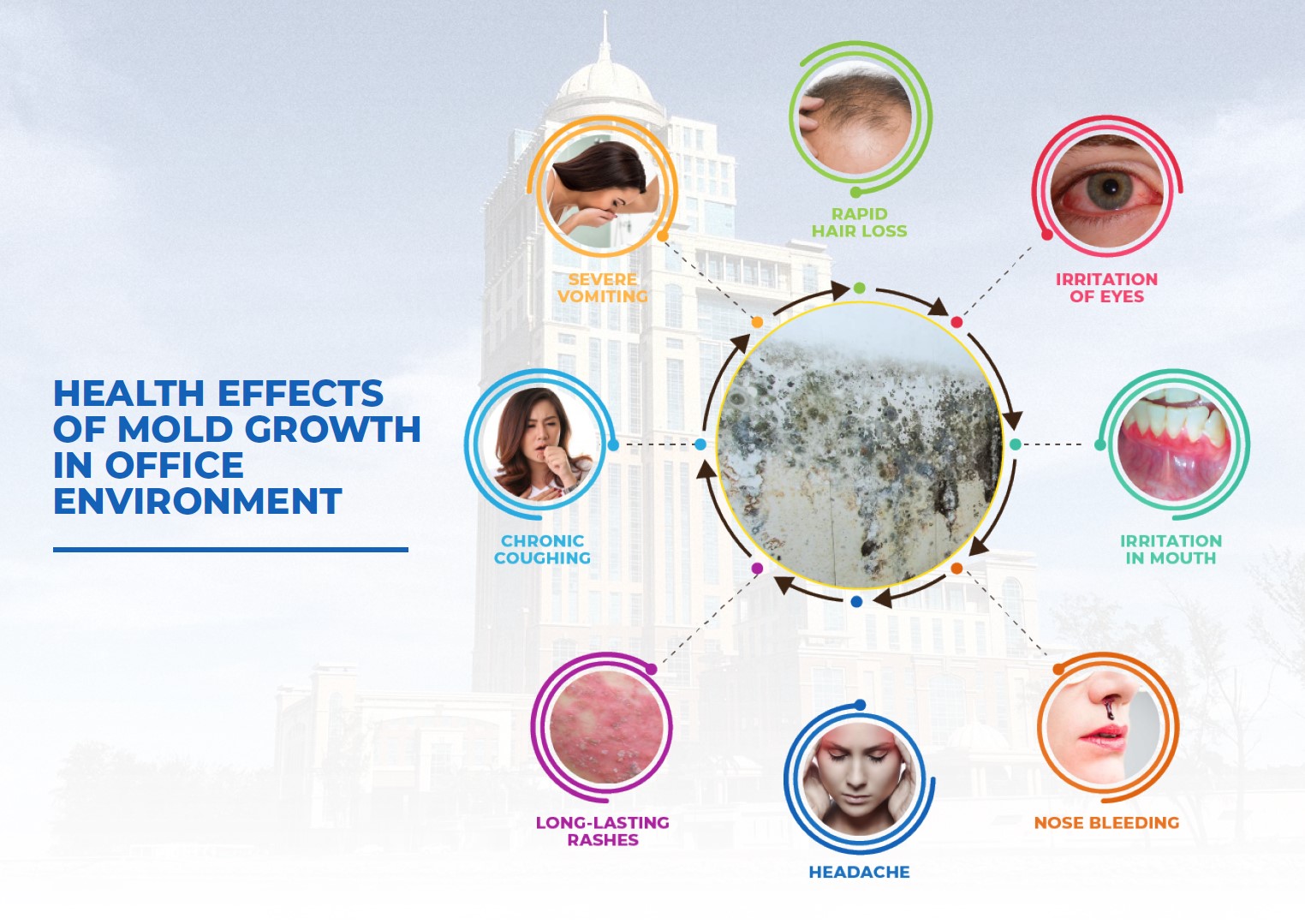
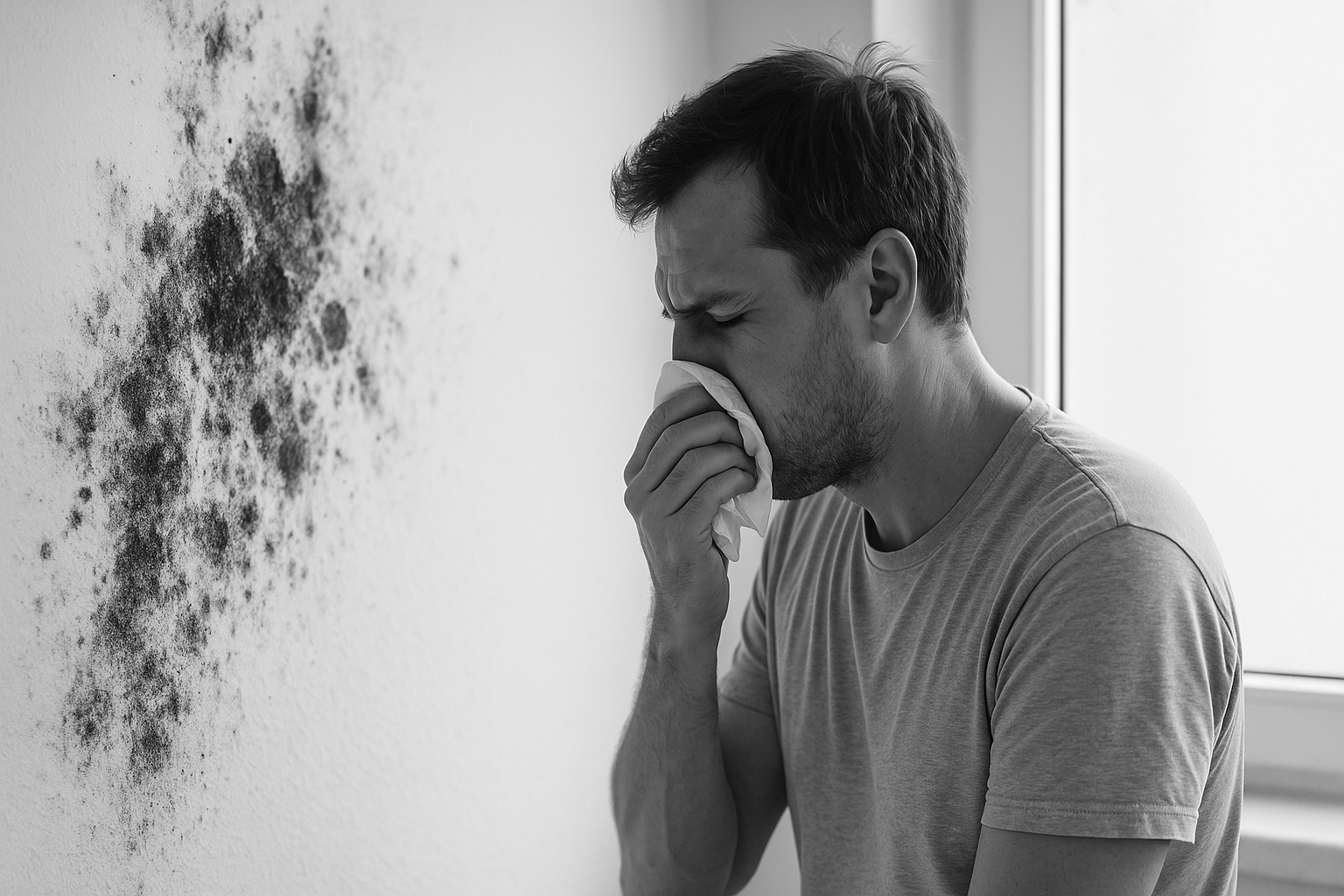
Health Risks Associated with Mold Exposure
- Respiratory issues, such as asthma and bronchitis
- Allergies and skin irritations
- Ear, nose, and throat problems
- Neurological issues, such as headaches and memory loss
- Immune system suppression

Preventing Mold Contamination
Preventing mold contamination through proper building maintenance and quickly repairing water damage is essential. The Mold QuickCard™, a tool developed by the NIOSH, can help you identify areas where mold is likely to grow and provide step-by-step guidance on how to prevent contamination.
Cleaning Up Mold
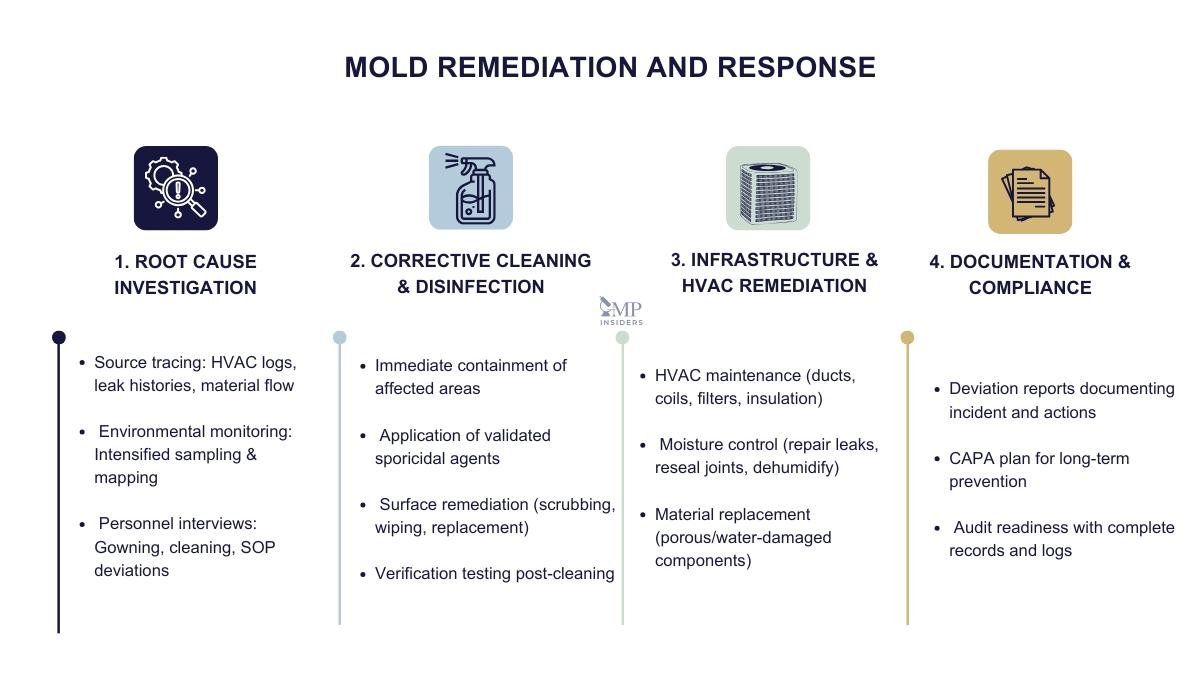
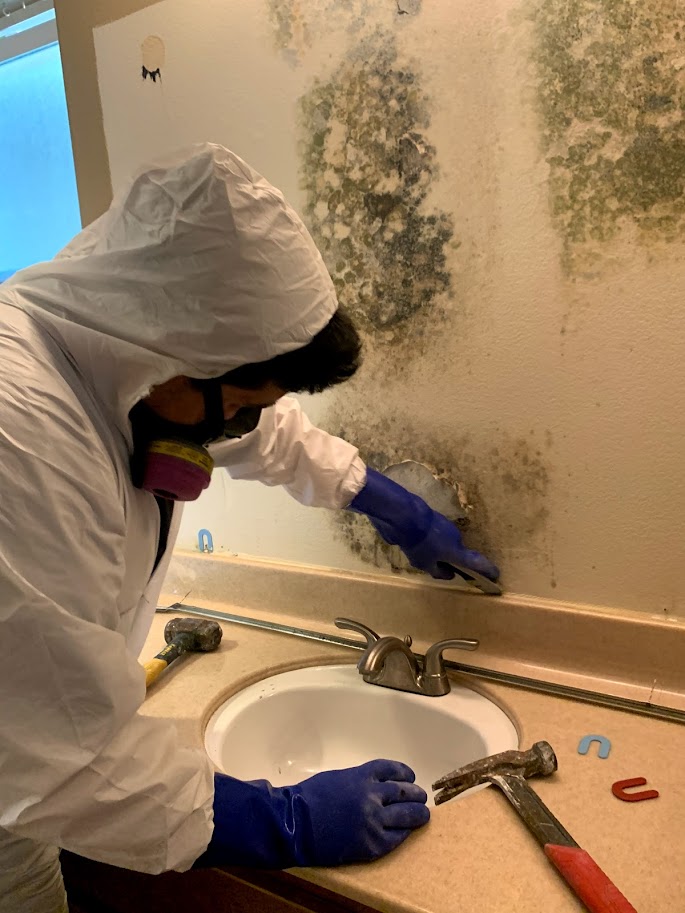
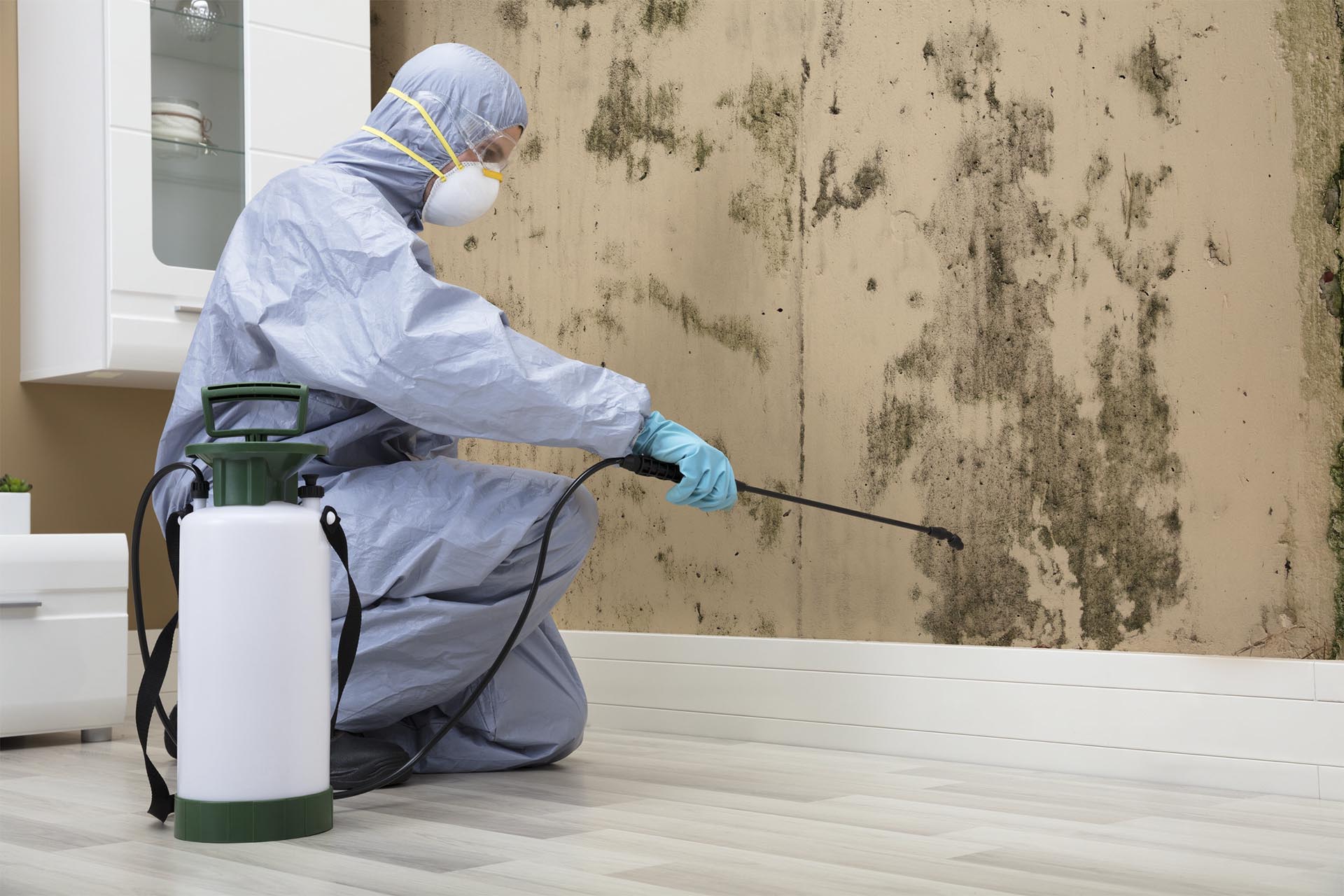
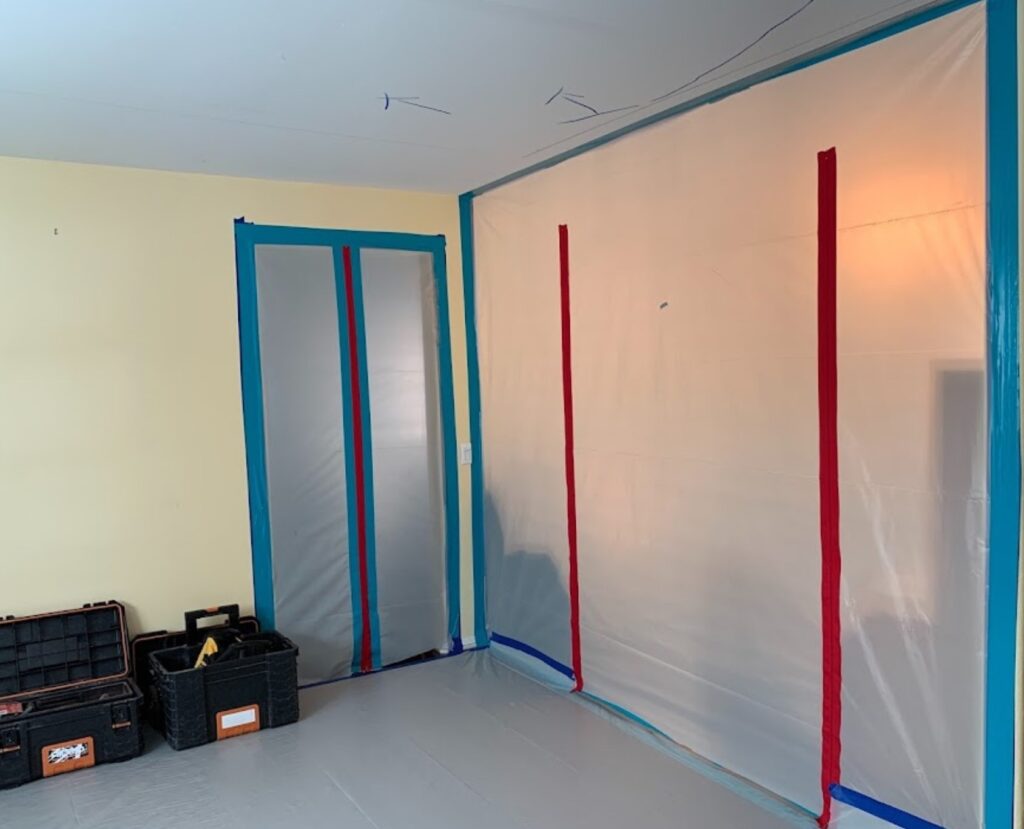
When it comes to cleaning up mold, it's crucial to approach the task with caution and use the right equipment and techniques. Here are some essential steps to follow: