Ensuring Online Notary Compliance: A Guide for Notaries and Businesses
As the use of online notarizations continues to grow, it's essential for notaries and businesses to understand the importance of online notary compliance. In this article, we'll delve into the world of online notary compliance, exploring the laws and regulations that govern online notarizations, and providing tips and best practices for ensuring compliance.
Understanding Online Notary Compliance
Online notarizations, also known as remote online notarizations (RON), are valid and enforceable in every state, with their validity determined by the law of the notary's commissioning state. As public officials of their state, notaries must perform notarizations in compliance with the laws of their state, and every state recognizes properly performed notarizations of other states.
The Importance of Compliance
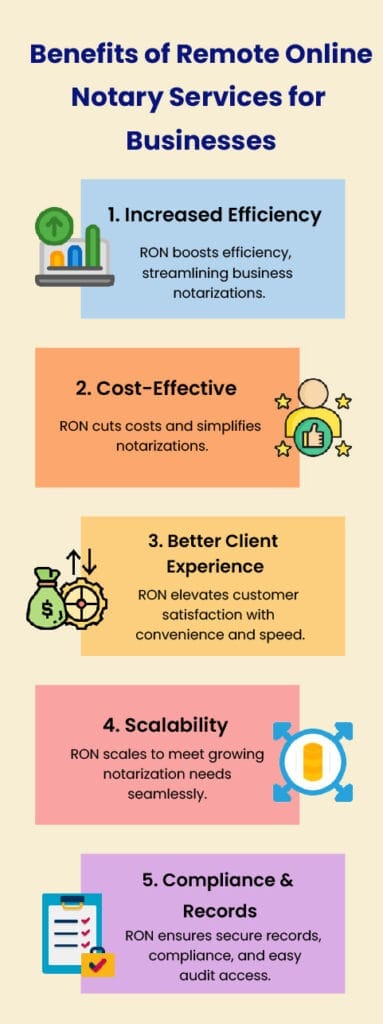
Compliance with online notary laws and regulations is crucial for notaries and businesses to avoid any potential consequences, such as fines, penalties, or even loss of commission. By ensuring compliance, notaries and businesses can:

- Protect themselves from liability
- Maintain a good reputation
- Ensure the security and authenticity of online notarizations
Compliance Requirements
To ensure online notary compliance, notaries and businesses must adhere to specific requirements, including:
- Satisfying state-specific laws and regulations
- Using tamper-evident journals and electronic notarization software
- Implementing enterprise-grade security measures
- Verifying the identity of signers using knowledge-based authentication (KBA) and biometric identity tools
- Reviewing documents for completeness, accuracy, and required notarial elements