Overeating and GLP-1 Suppression: The Surprising Connection
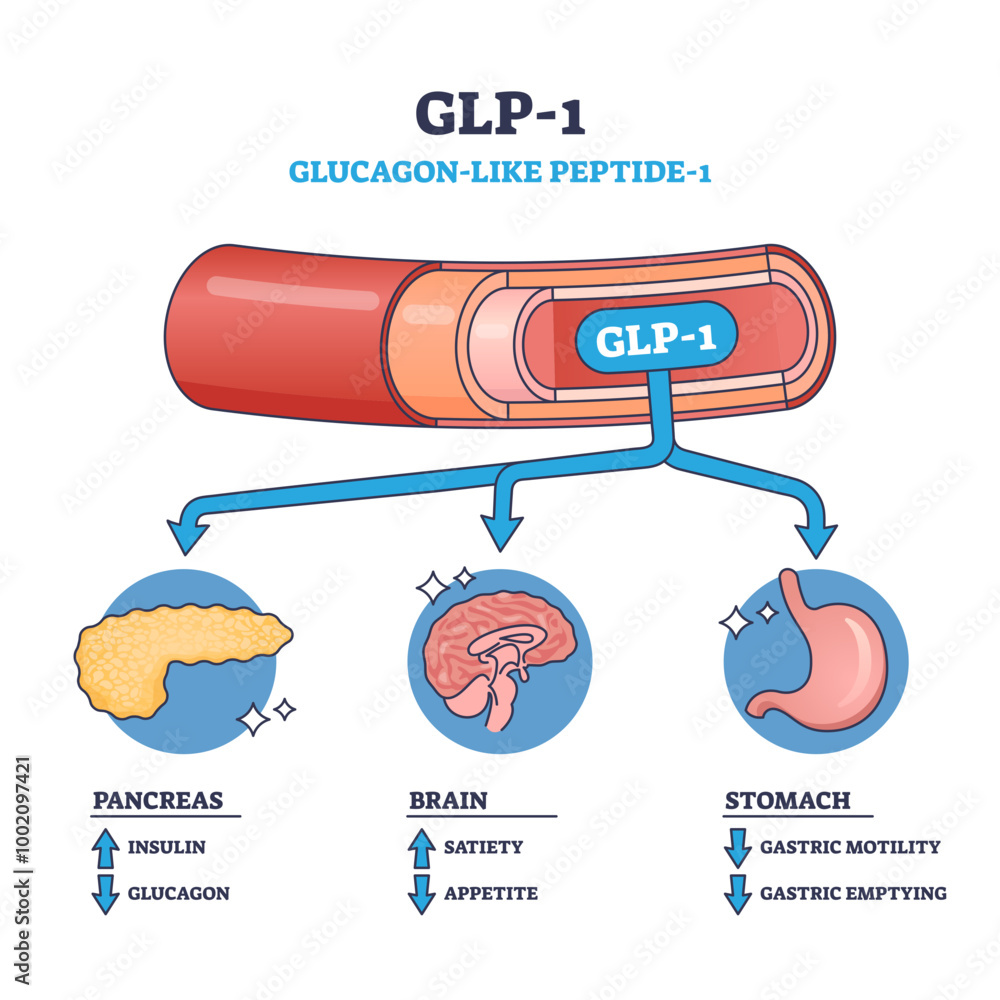
When it comes to weight management, the relationship between overeating and GLP-1 suppression is a complex one. GLP-1, or glucagon-like peptide-1, is a hormone that plays a crucial role in regulating appetite, satiety, and glucose metabolism. While GLP-1 agonists have been shown to be effective in promoting weight loss and improving glycemic control, recent studies have highlighted the potential risks associated with GLP-1 suppression.
The Connection Between Overeating and GLP-1 Suppression

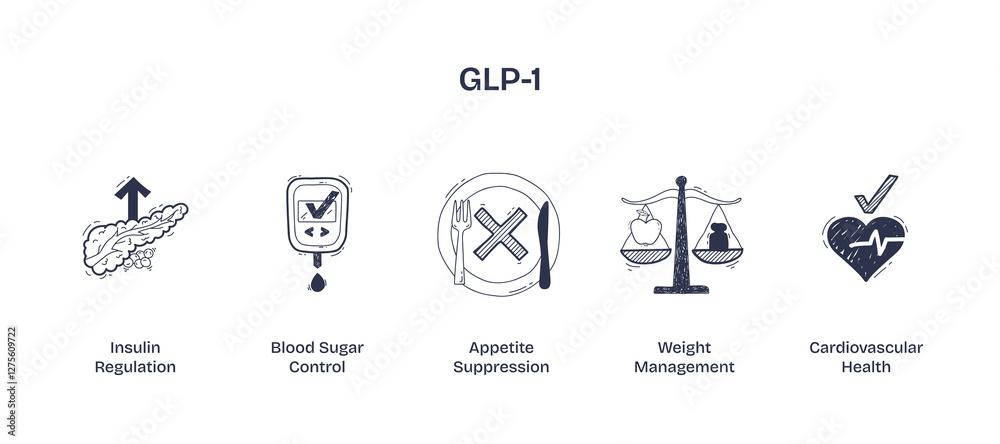
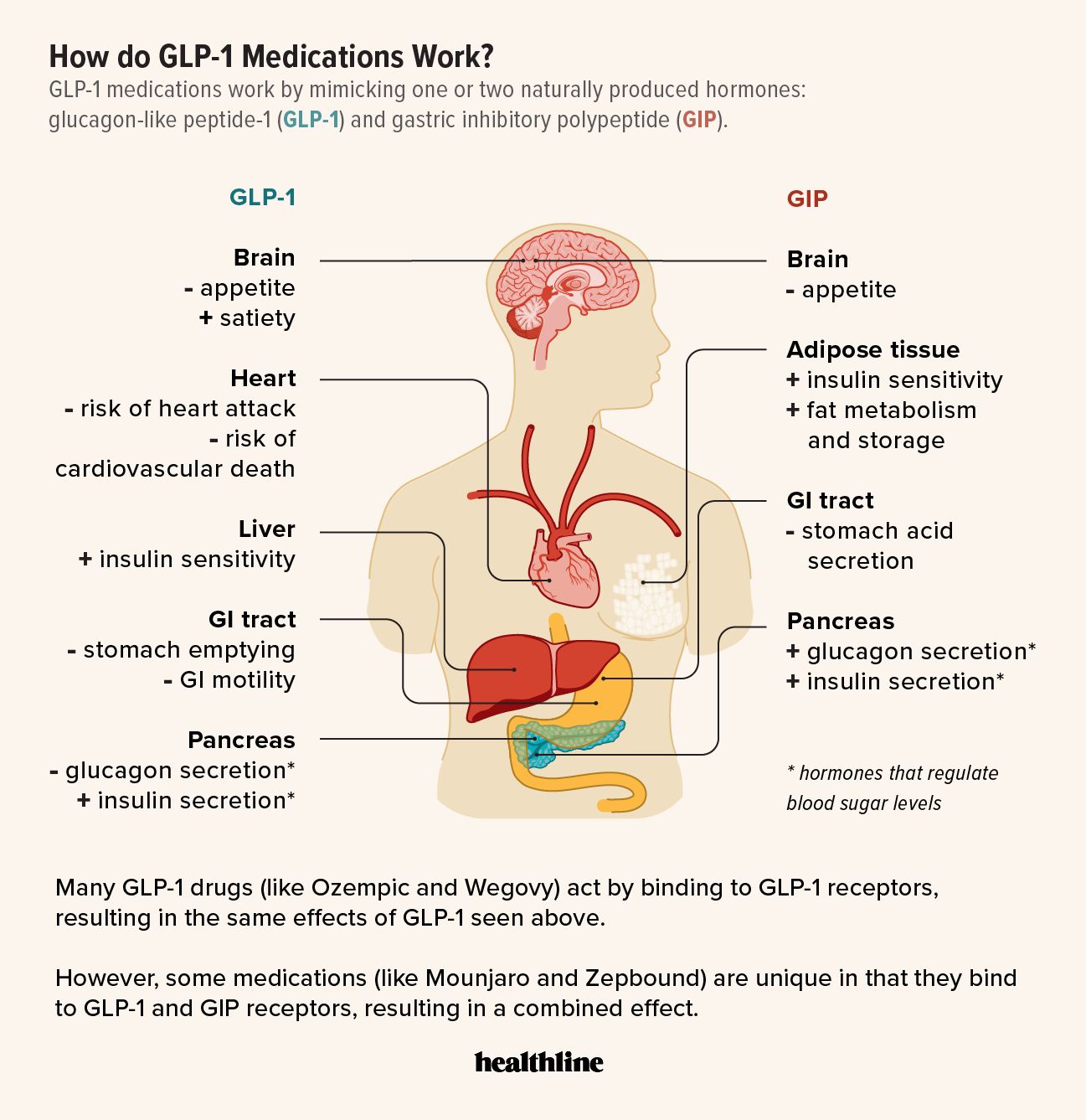
GLP-1 works by stimulating the release of insulin and suppressing glucagon release, which helps to regulate blood sugar levels and promote feelings of fullness. However, when GLP-1 is suppressed, it can lead to increased hunger and cravings, making it more challenging to stick to a healthy diet and lifestyle. This can result in overeating and weight gain, which can have serious consequences for overall health.
- Discontinuation of GLP-1 therapy**: Studies have shown that discontinuing GLP-1 therapy can lead to a 14% or 22% increased risk of cardiovascular events, respectively, compared to staying on the medication.
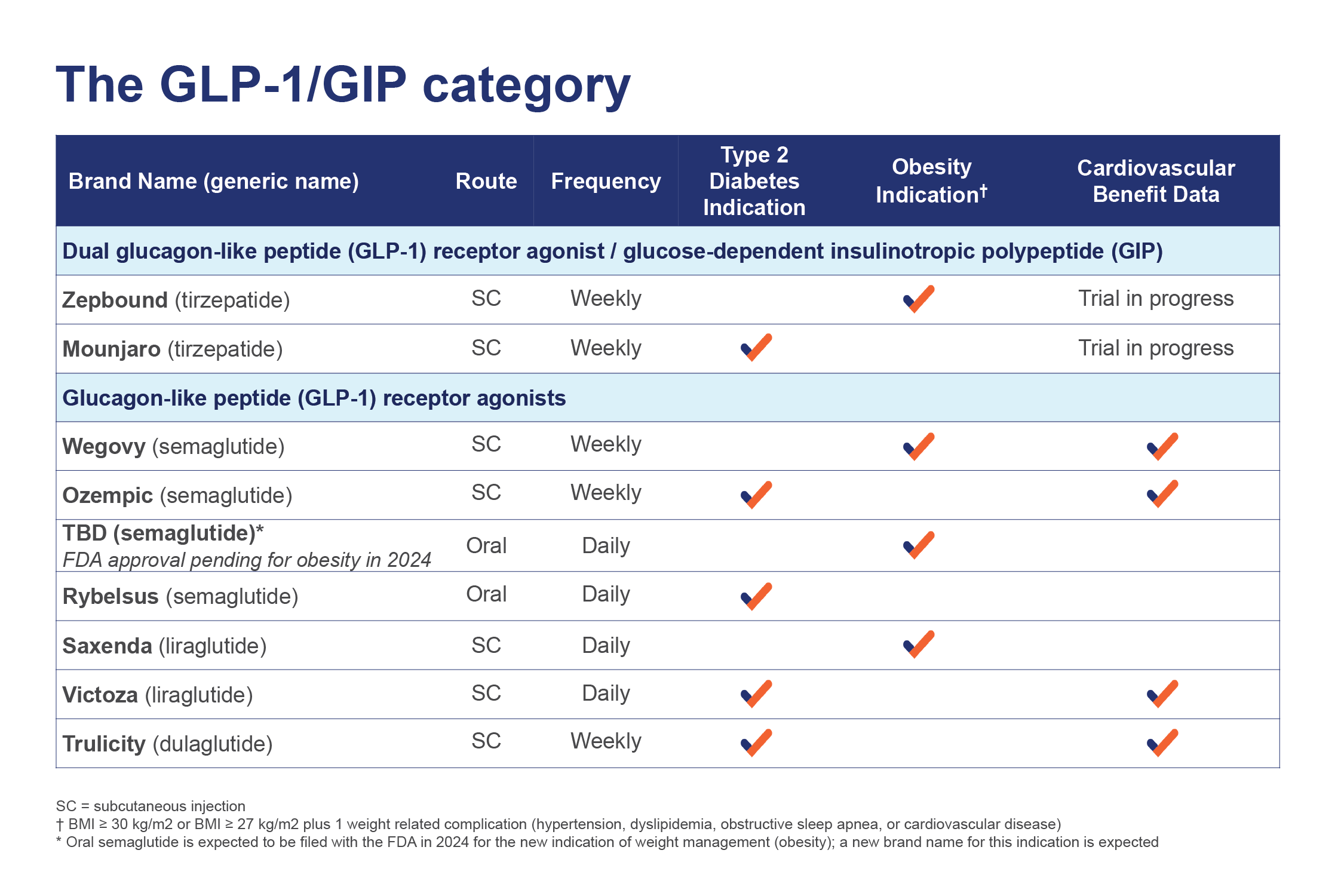
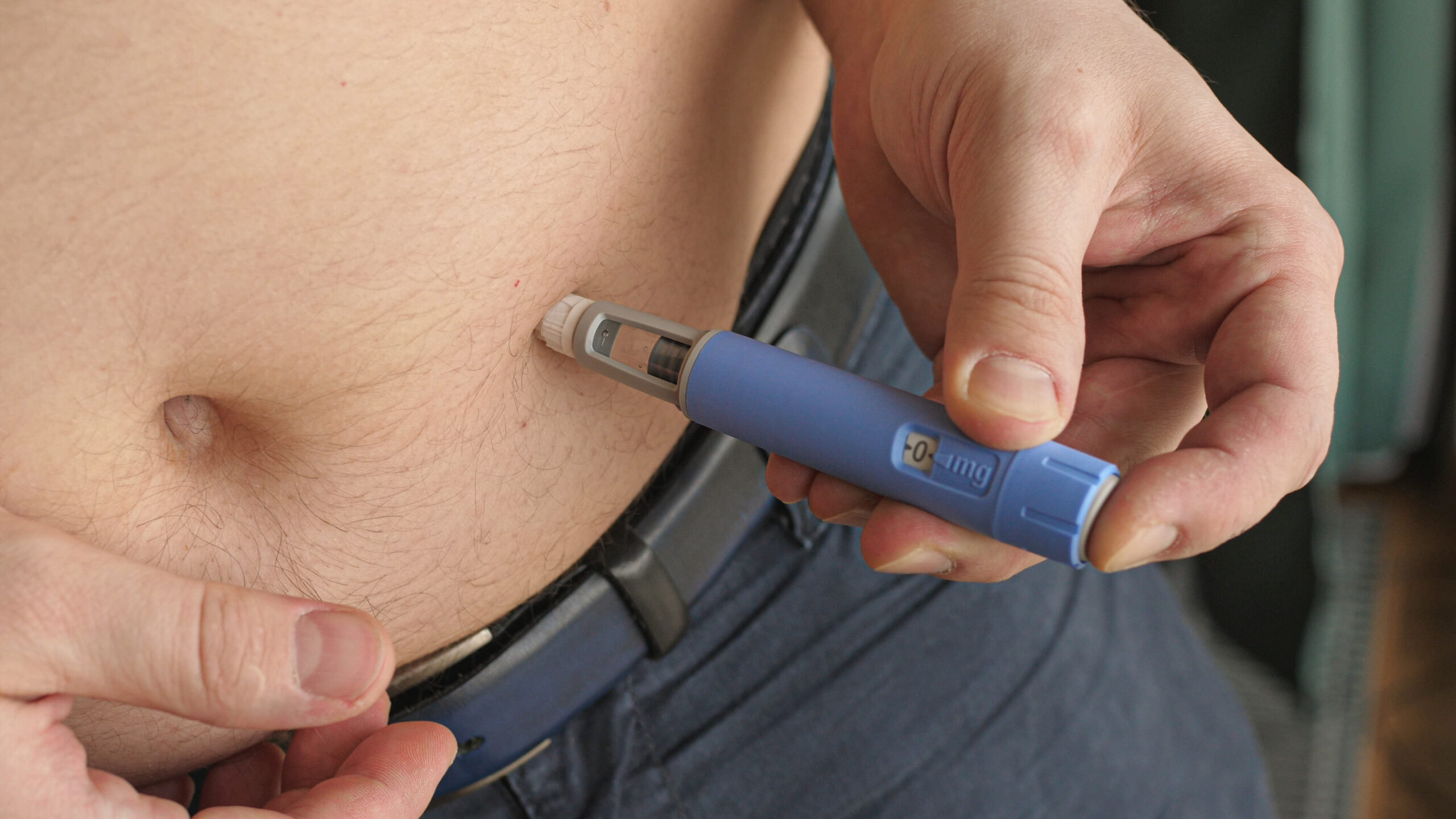
- Reversal of health gains**: Quitting GLP-1 drugs like Ozempic can reverse health gains and increase heart health risks, with patients who stopped taking the medication seeing a higher risk for heart attack, stroke, and death.
- Appetite suppression**: GLP-1 agonists can suppress appetite, but this can also lead to restrictive eating patterns, reduced interest in food, and heightened preoccupation with calorie control or weight.