Smart Home Energy Usage Reduction Techniques: A Comprehensive Guide
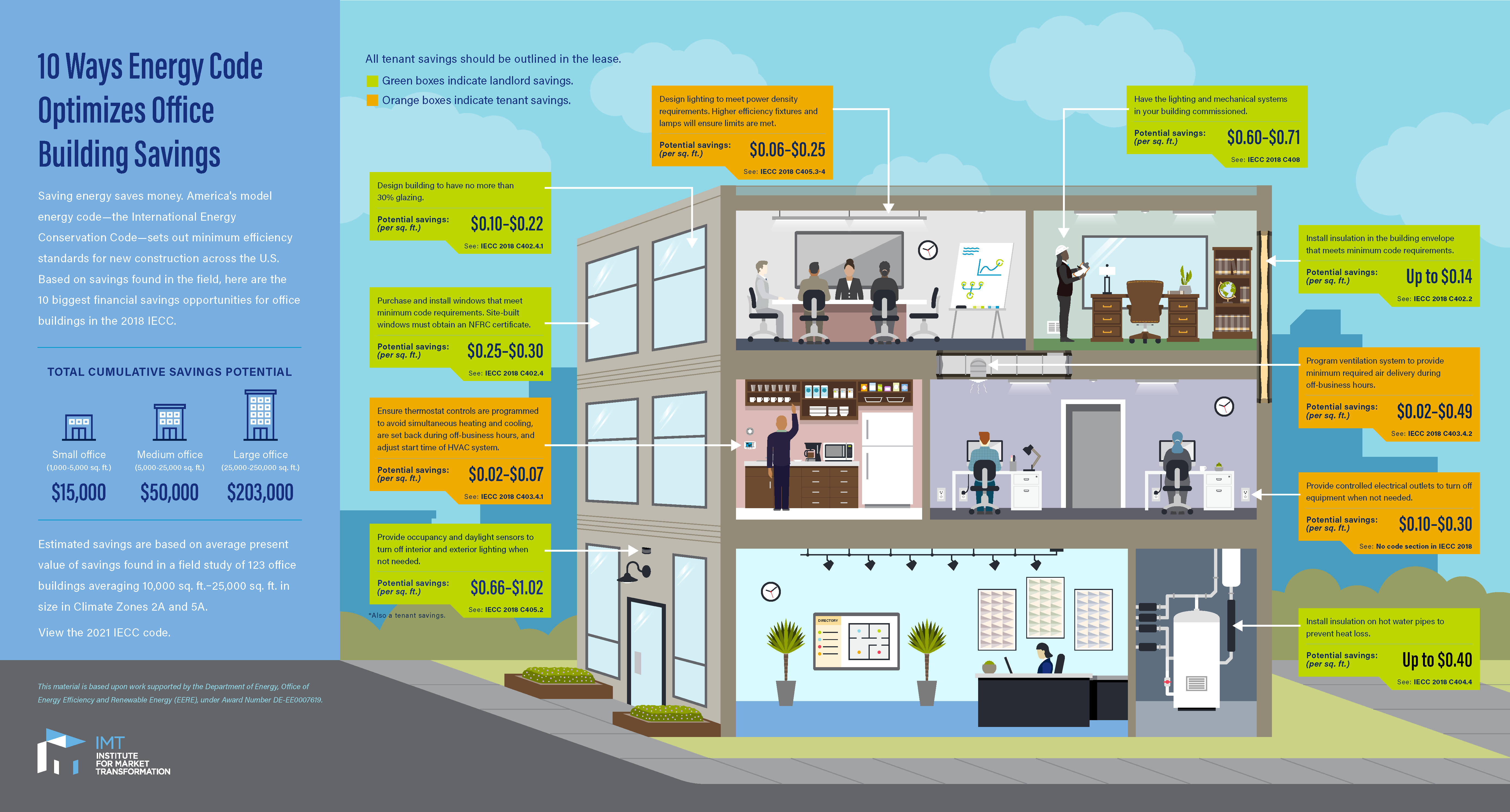
Are you looking for ways to save energy and reduce your utility bills without sacrificing comfort and convenience? With the rapid advancements in smart home technology, reducing energy consumption has become more accessible and efficient than ever. In this article, we'll delve into the world of smart home energy usage reduction techniques, exploring the latest strategies and technologies to help you save energy, money, and support a cleaner environment.
Understanding Smart Home Technology
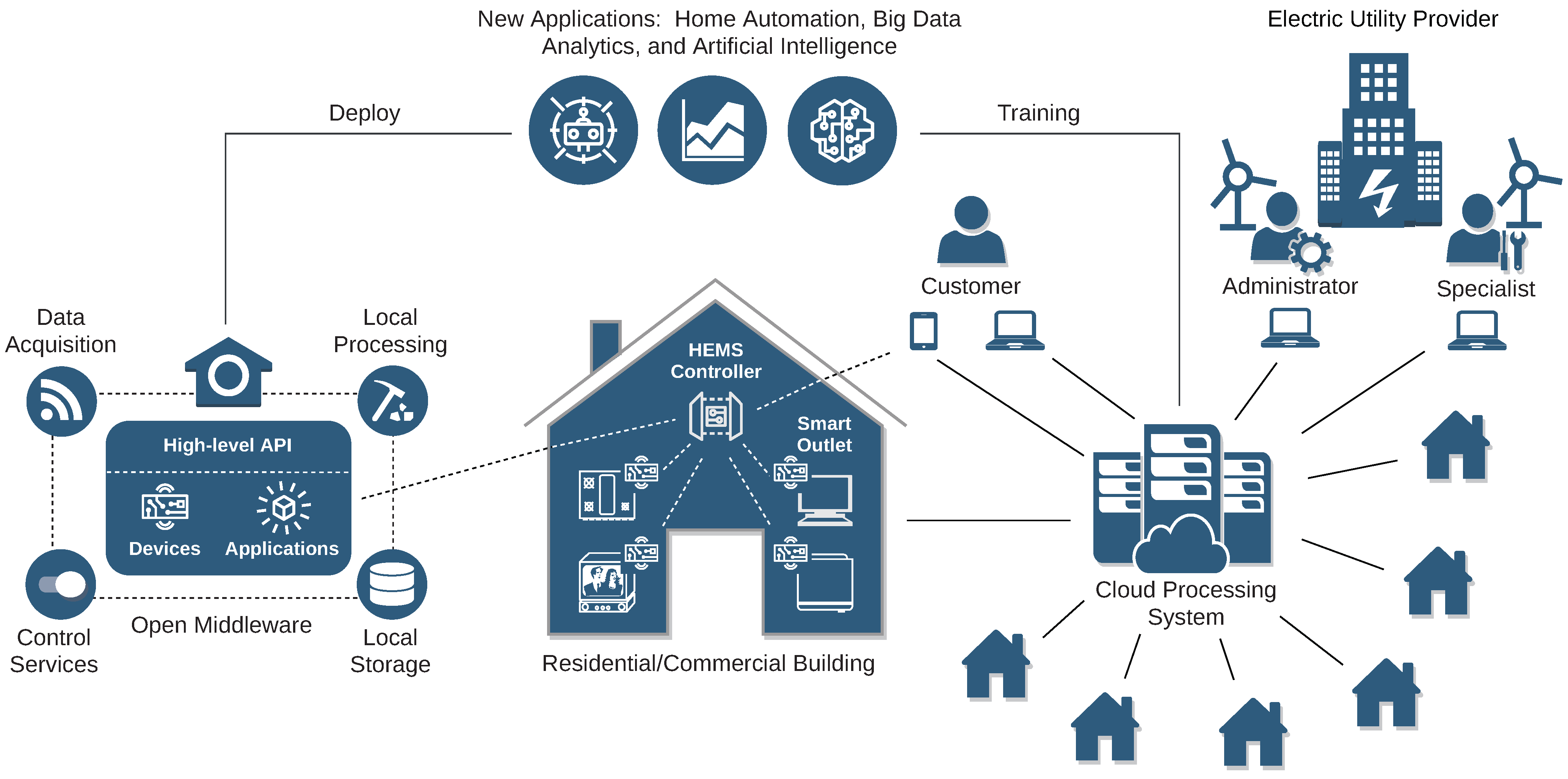
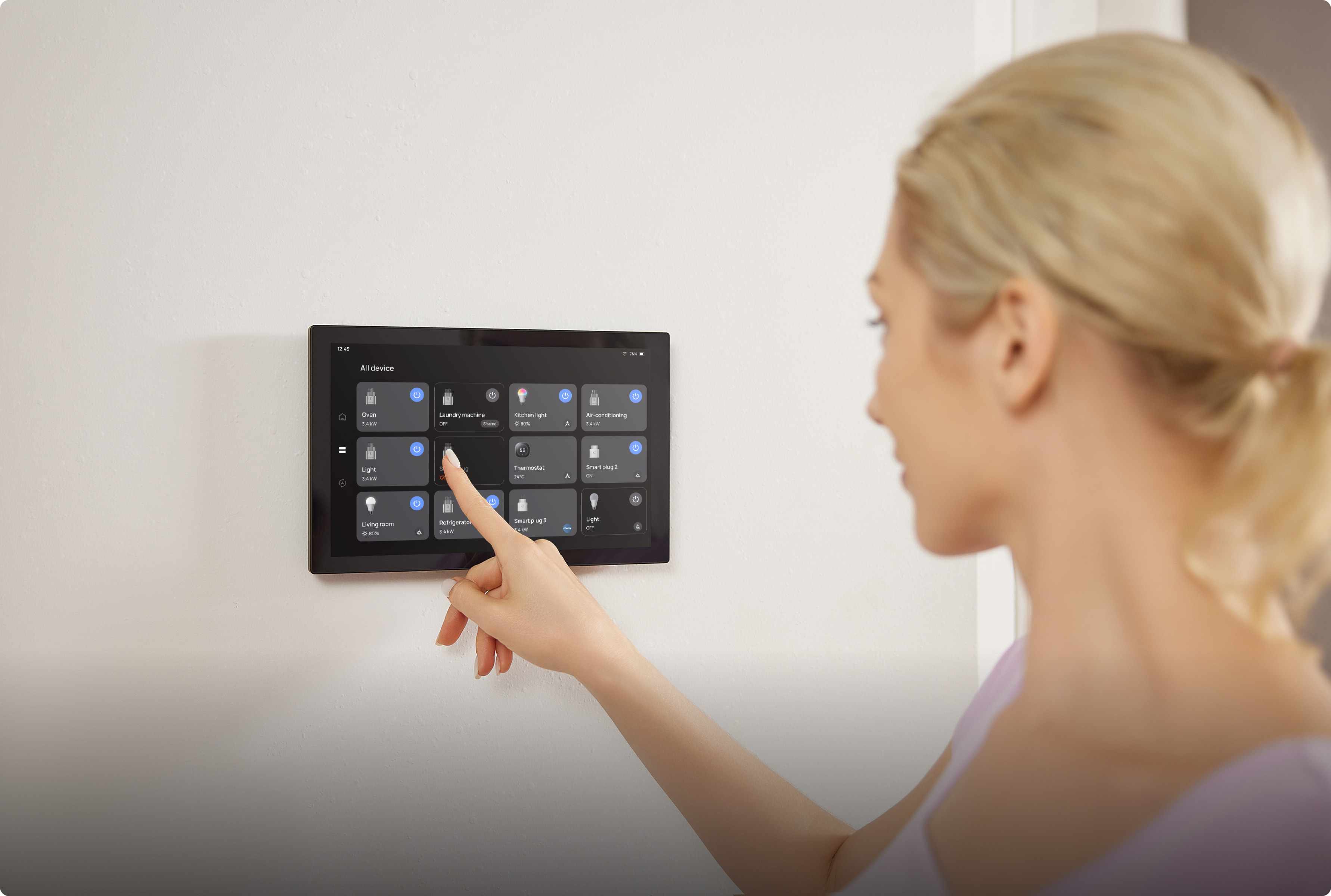
Smart homes utilize internet-connected devices to enable remote management and monitoring of systems like lighting, heating, and security. These technologies not only add convenience but also enhance energy efficiency. By leveraging smart home devices, you can simplify, reduce, and manage your energy consumption, making it easier to achieve energy savings and lower your utility bills.

Top 10 Smart Home Energy Usage Reduction Techniques
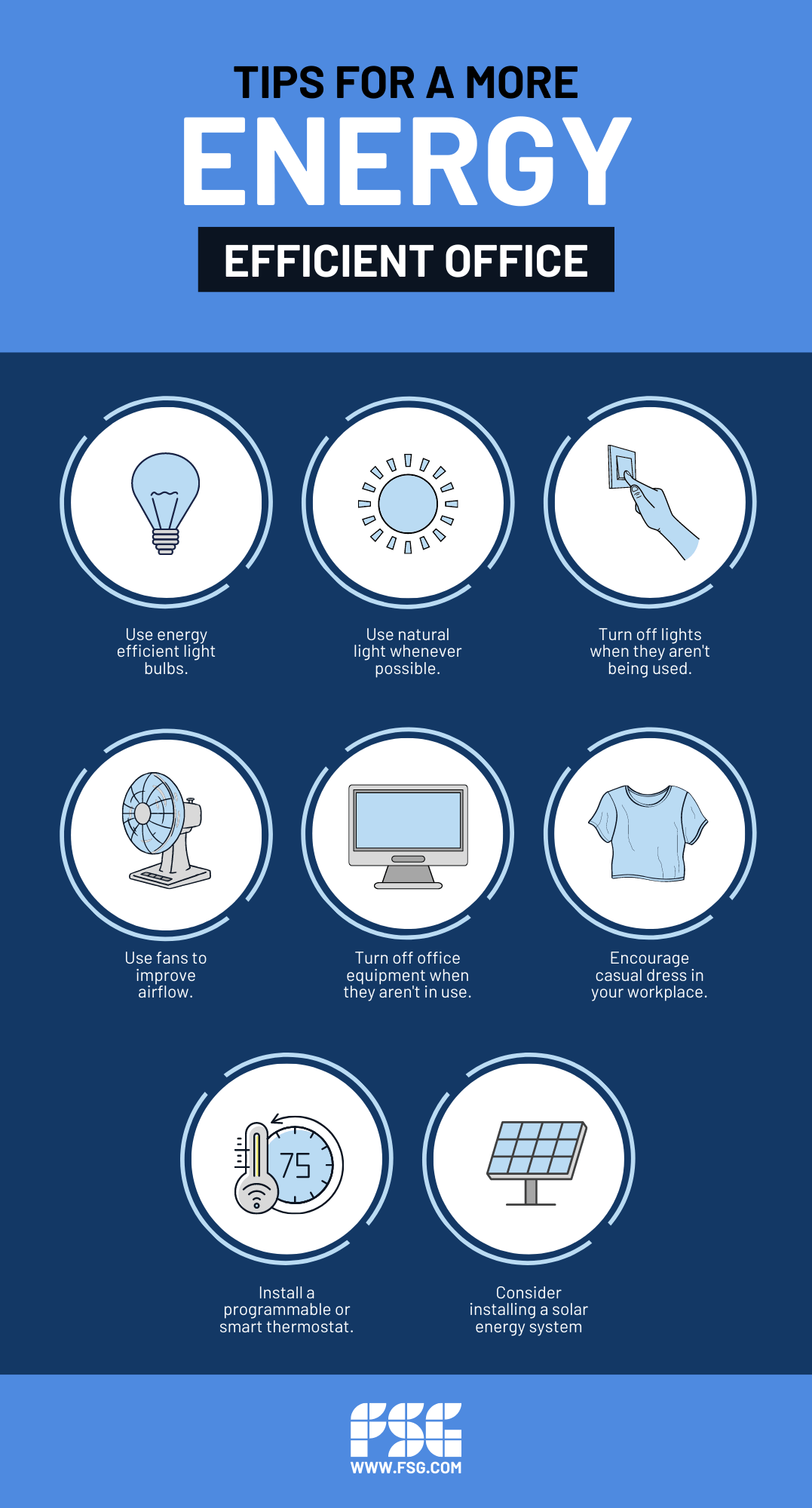
- 1. Smart Thermostats**: Install a smart thermostat like Nest or Ecobee to learn your temperature preferences and adjust the temperature accordingly. This can lead to significant energy savings, especially when you're not home or during the night.
- 2. Lighting Solutions**: Replace traditional light bulbs with LED bulbs, which consume significantly less energy and last longer. Additionally, use smart light bulbs that can be controlled remotely and schedule lighting routines to optimize energy consumption.
- 3. Power Strips**: Plug your electronics, such as TVs and computers, into power strips and turn off the strip when not in use to eliminate standby power consumption.
- 4. Energy-Efficient Appliances**: Upgrade to energy-efficient appliances, such as Energy Star-certified refrigerators and washing machines, to reduce energy consumption during operation.
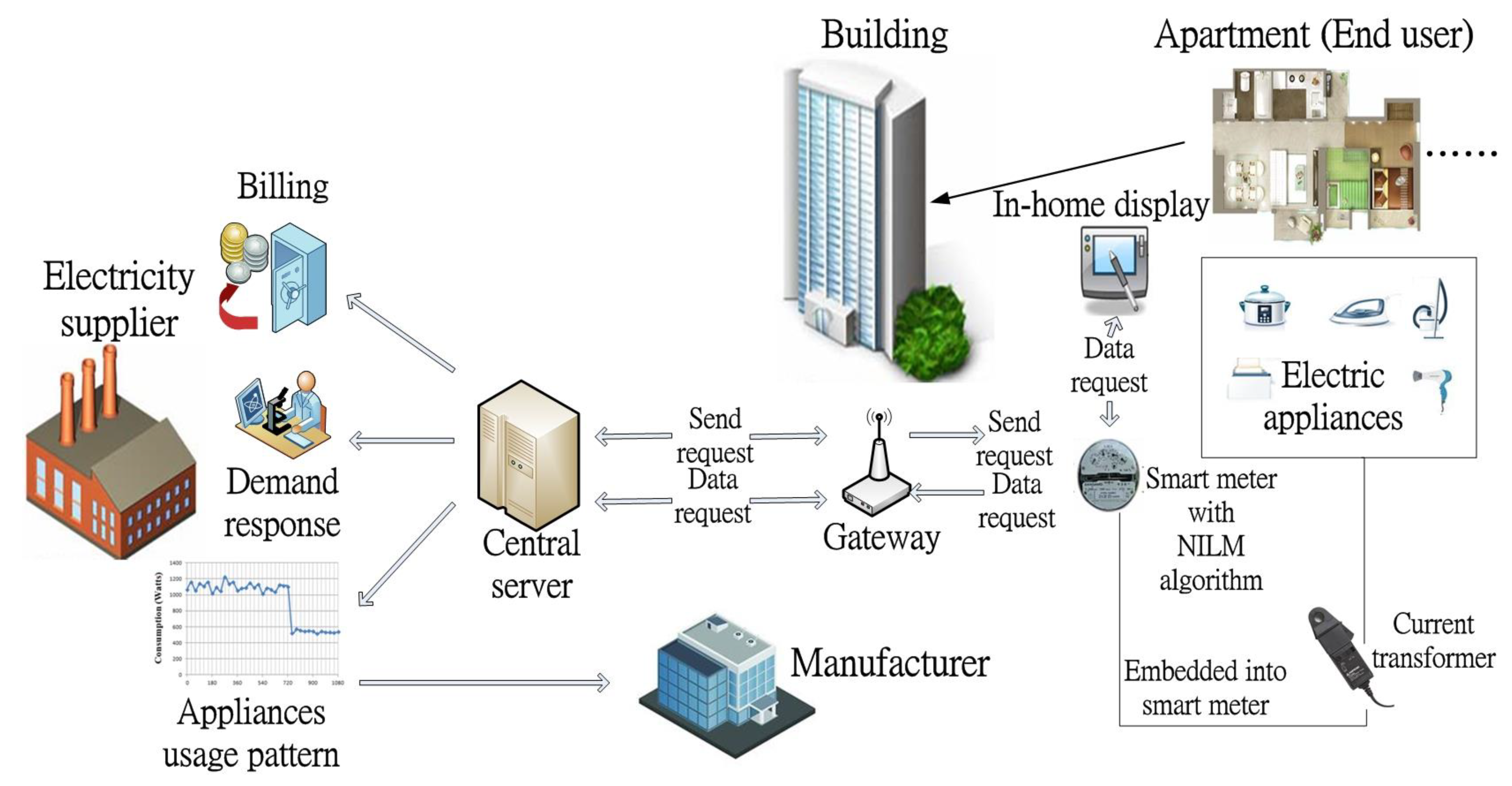
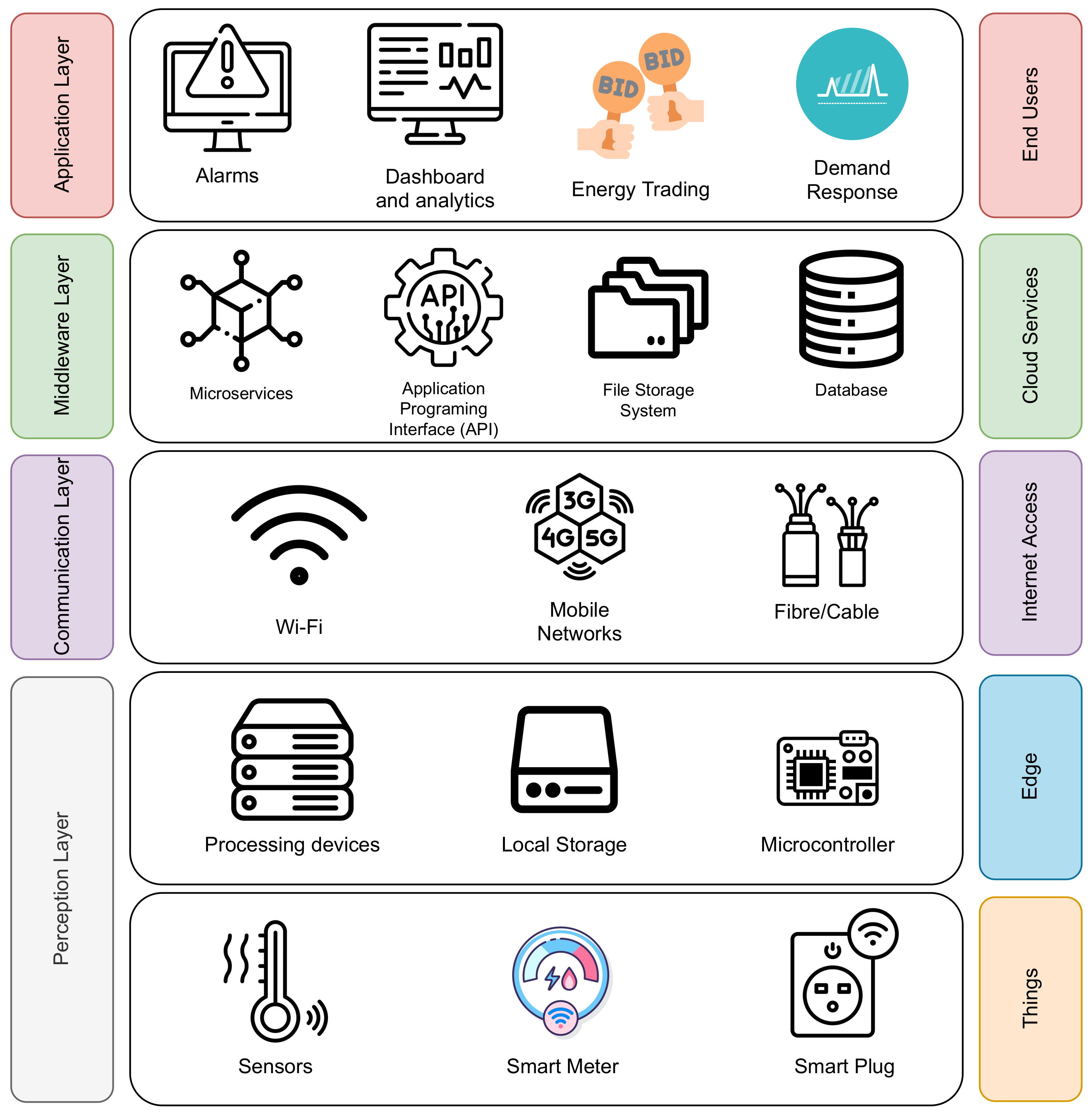
- 5. Smart Metering**: Install a smart meter to closely monitor your energy consumption in real-time, enabling you to identify areas of inefficiency and make data-driven decisions to optimize energy usage.
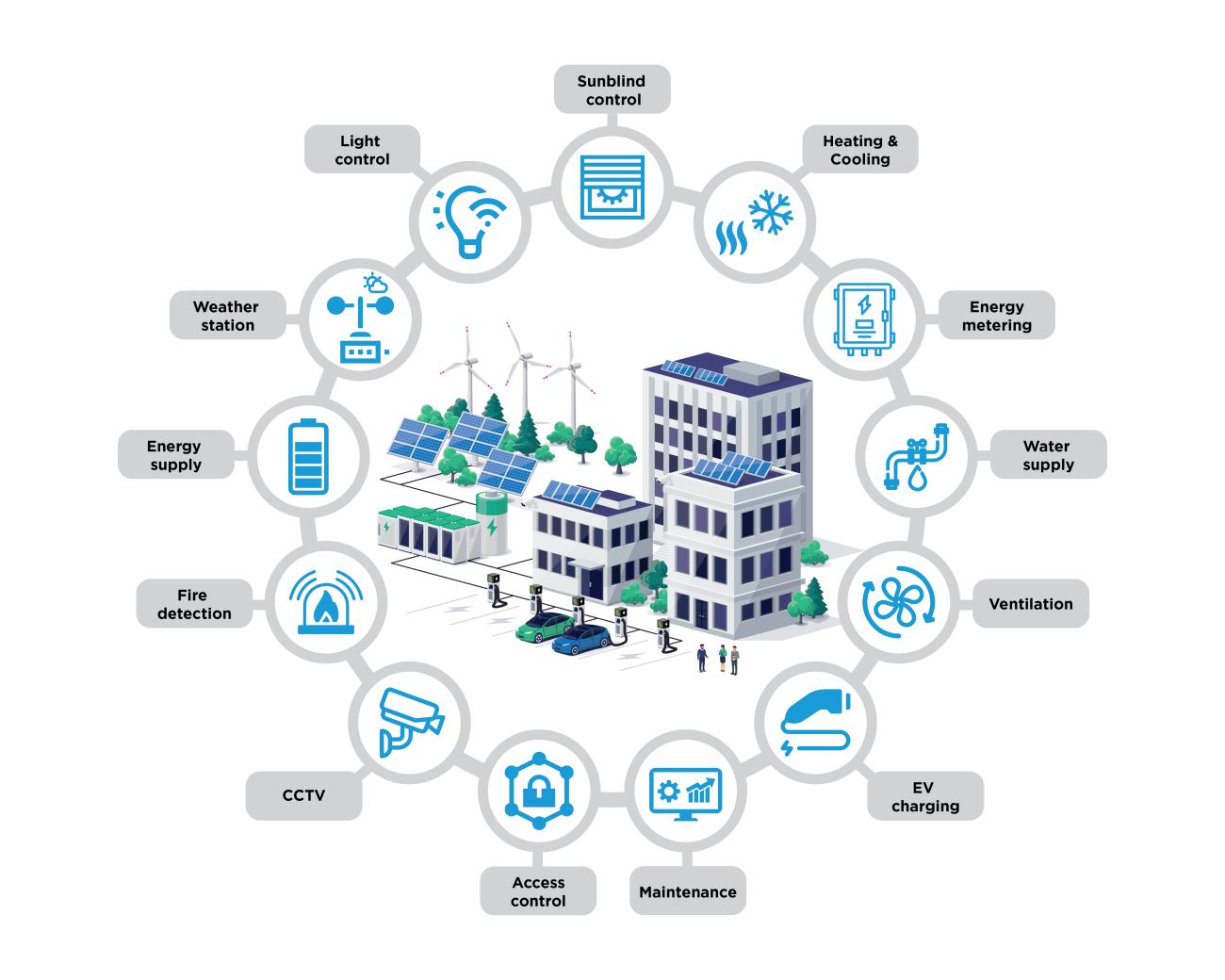
- 6. Home Automation**: Integrate smart home devices into a single system to automate lighting, temperature, and security controls, ensuring that your energy usage is optimized across all systems.
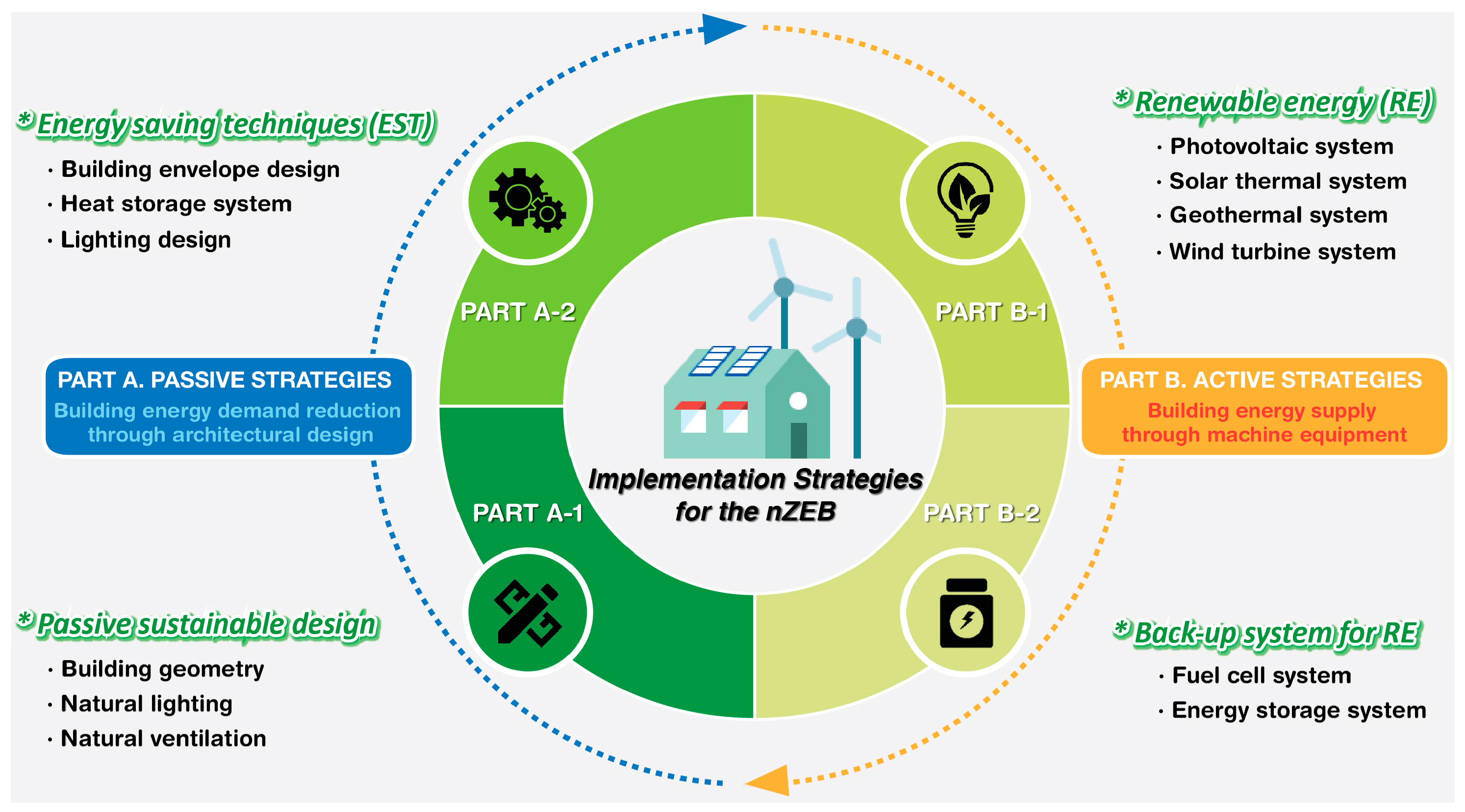
- 7. Solar Power**: Consider investing in a solar panel system to harness renewable energy and reduce your reliance on the grid.
- 8. Energy Storage**: Implement energy storage systems like batteries to store excess energy generated by solar panels or reduce energy consumption during peak hours.
- 9. Smart Home Energy Monitoring**: Utilize energy monitoring systems to track your energy consumption, helping you identify areas of inefficiency and make adjustments to optimize energy usage.
- 10. Integrating Smart Devices**: Combine multiple smart devices, such as energy-efficient appliances, smart thermostats, and lighting solutions, to create a holistic smart home system that drives significant energy savings.