Trademark Search for Global Market Entry Strategy
Entering the global market can be a daunting task for businesses, especially when it comes to protecting their brand's intellectual property. Researching the local trademark laws and regulations of potential target markets is crucial to ensure brand integrity and prevent any potential disputes. This article will delve into the importance of conducting a comprehensive trademark search and providing insights on the best practices for navigating the global market entry strategy.
Understanding the Basics of Trademark Search
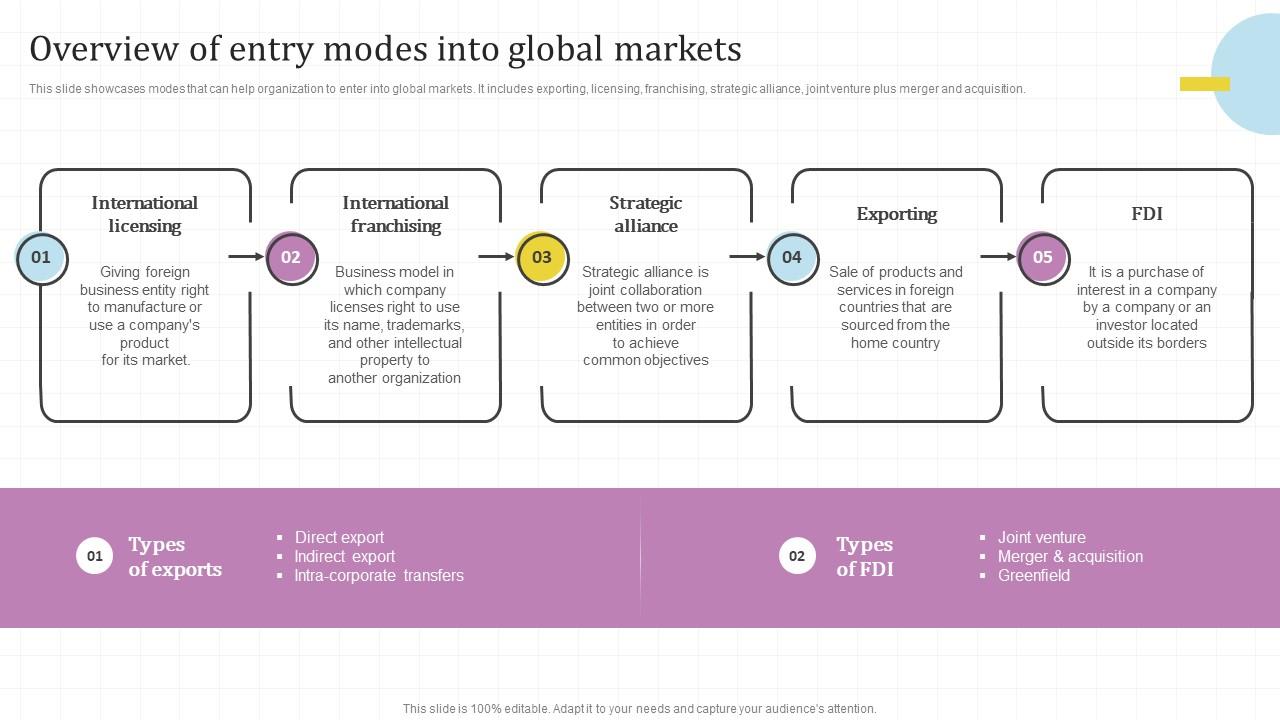
A trademark search is a critical component of any global market entry strategy. It involves screening the availability of a trademark in various jurisdictions and jurisdictions to determine whether existing trademarks may conflict with the proposed brand. This is done by analyzing the classification and registration of trademarks in different regions.
- Class 1-34 Trademark Classes: The International Classification of Goods and Services for the purposes of the registration of marks (NICE).
- Trademark Registration Status: Determining the status of trademarks, whether registered or pending registration, can significantly impact the decision to use a particular trademark.
- Trademark Search Criteria: Utilizing specific search criteria to screen for potential conflicts, such as similar sounds, spellings, or logos.
- Country-Specific Searches: Conducting country-specific searches to understand requirements for trademark registration in China, the EU, or other countries where a business may enter.