Understanding the Significance of Export Permit for Worldwide Trade
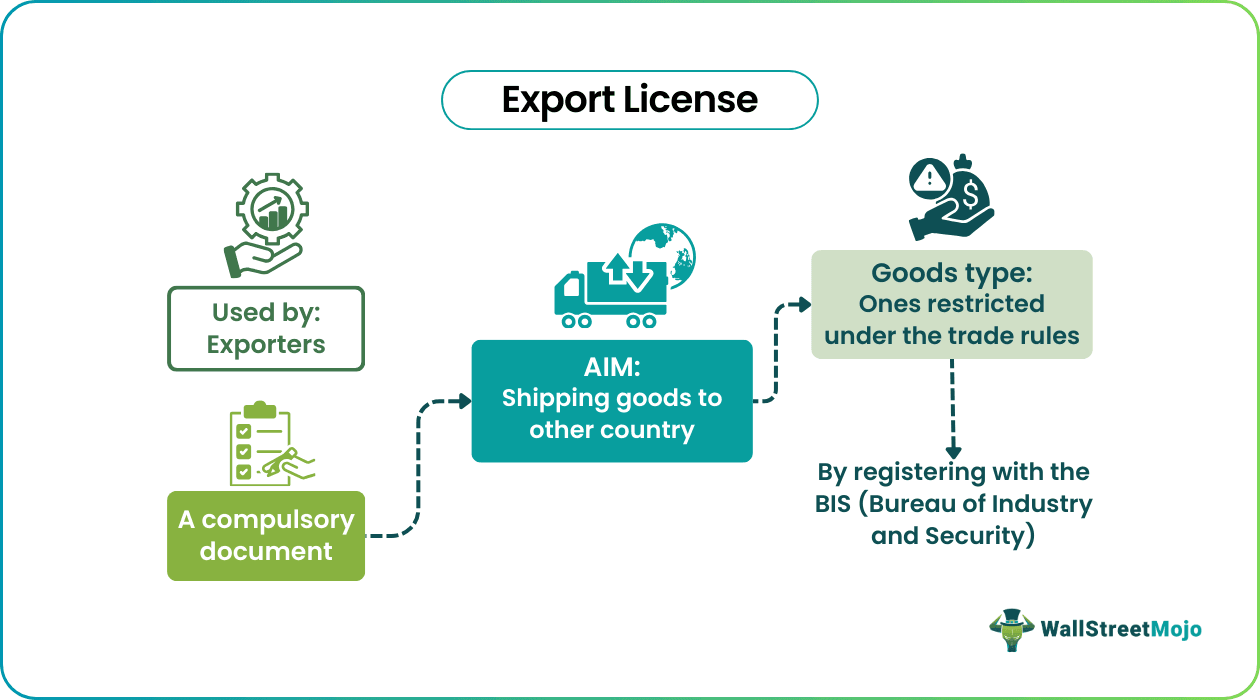
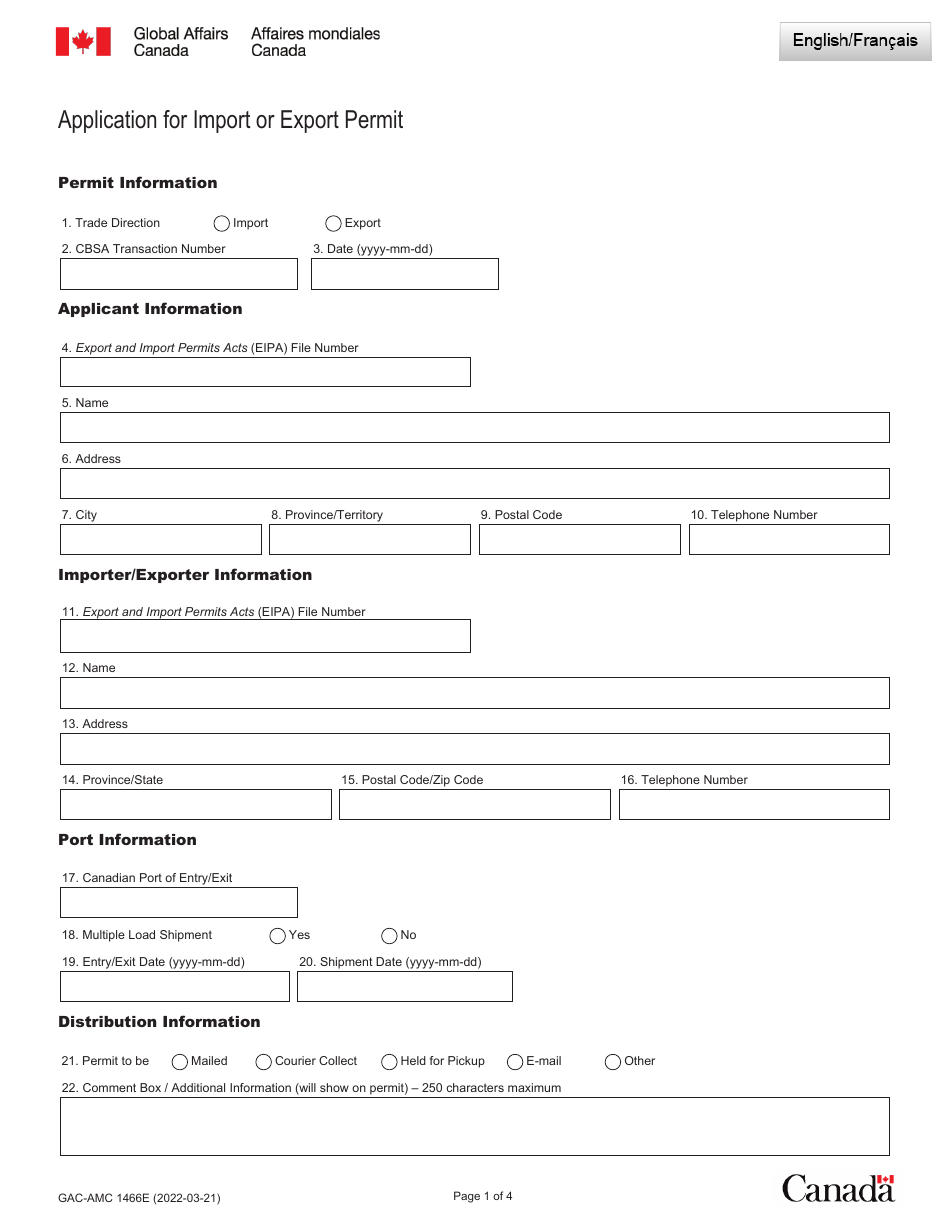
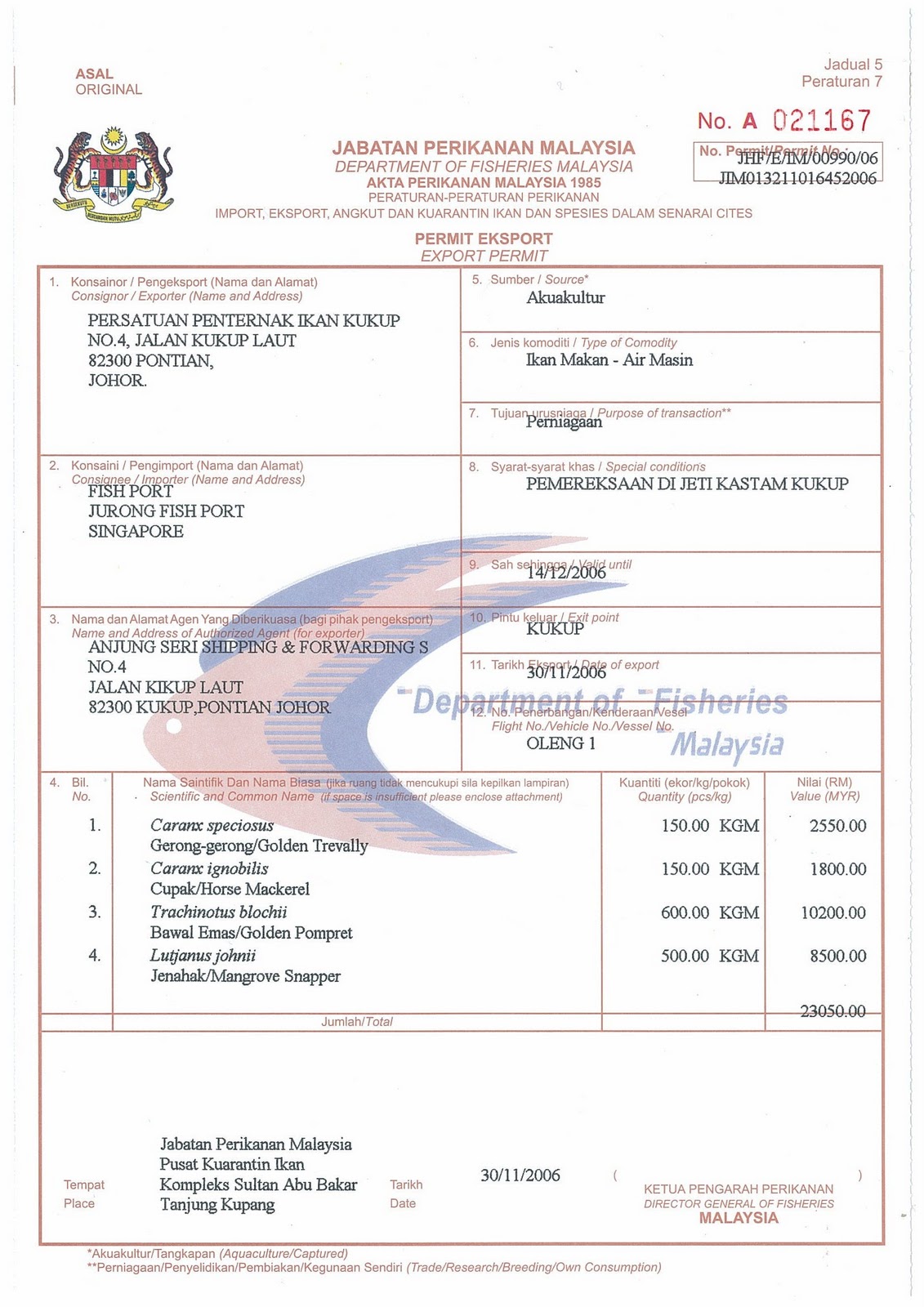
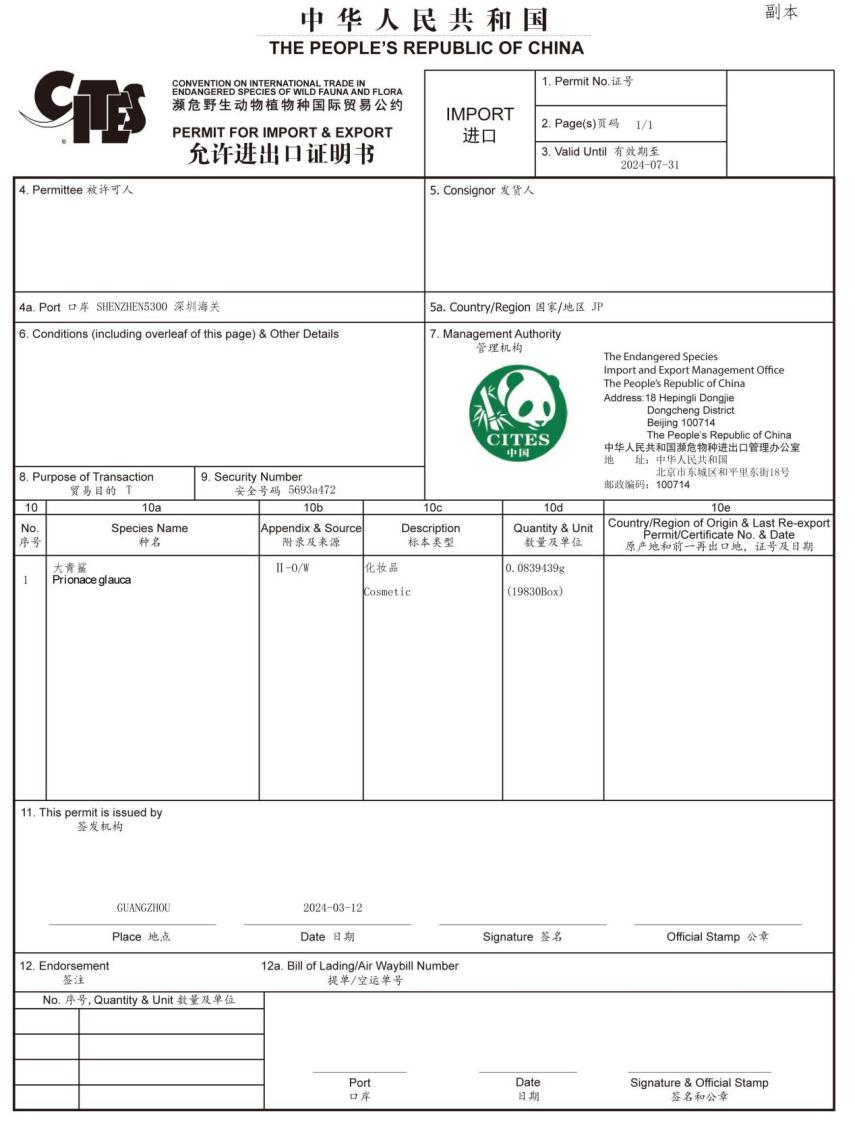
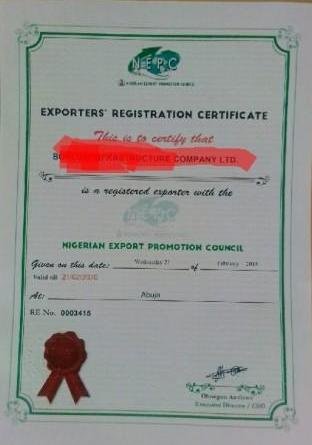
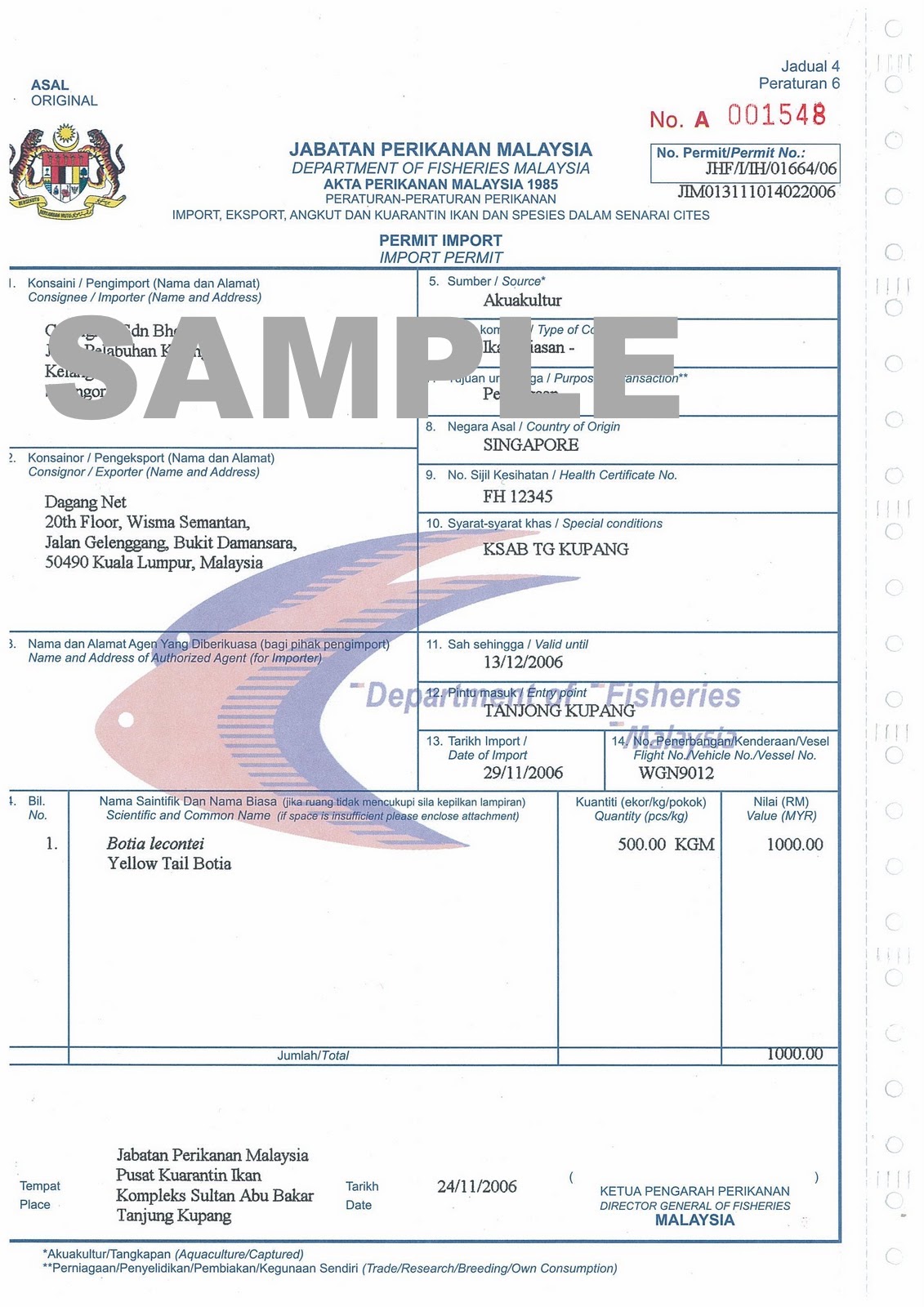
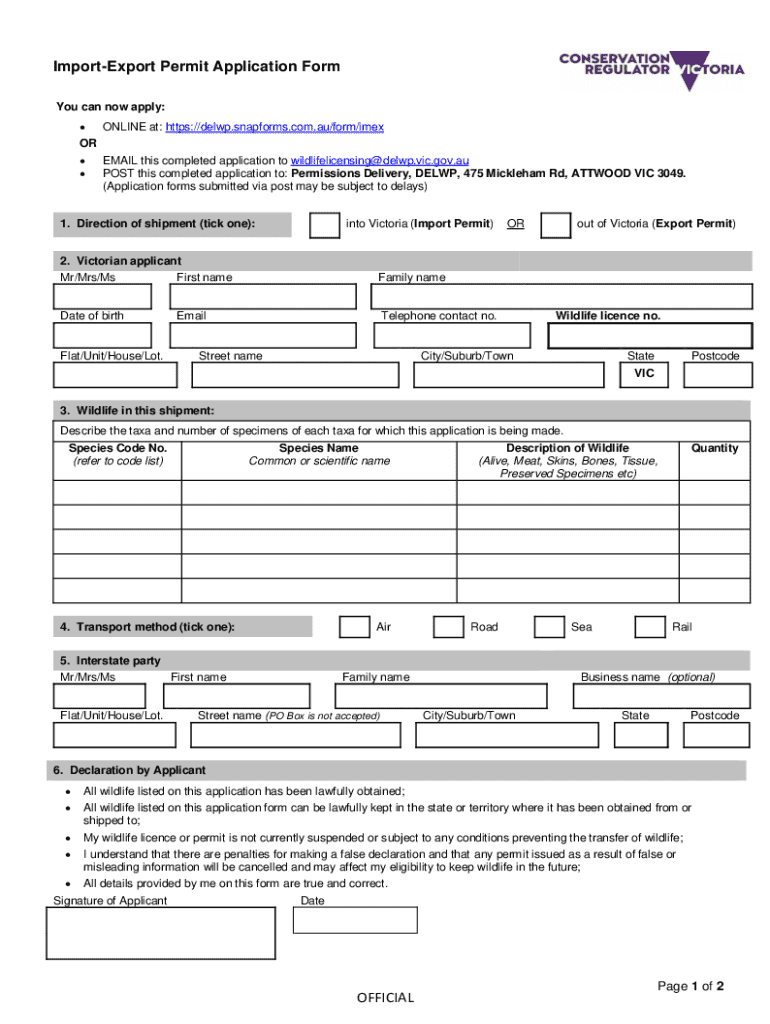
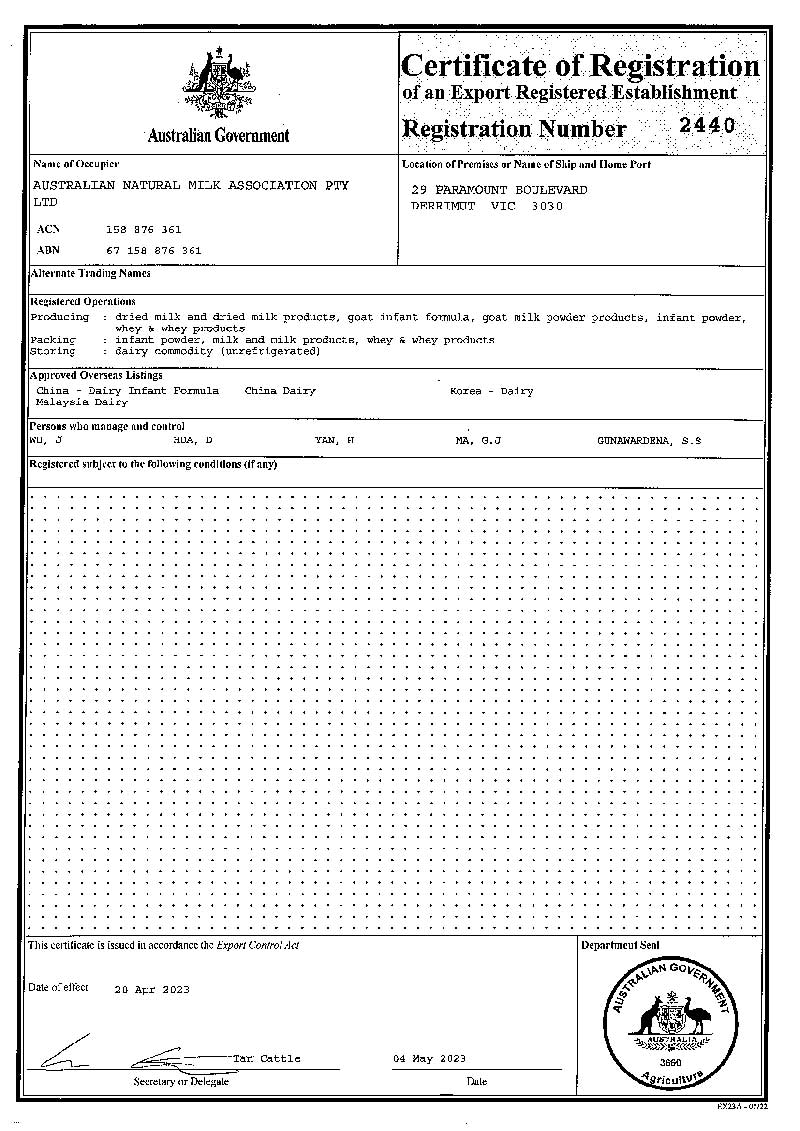
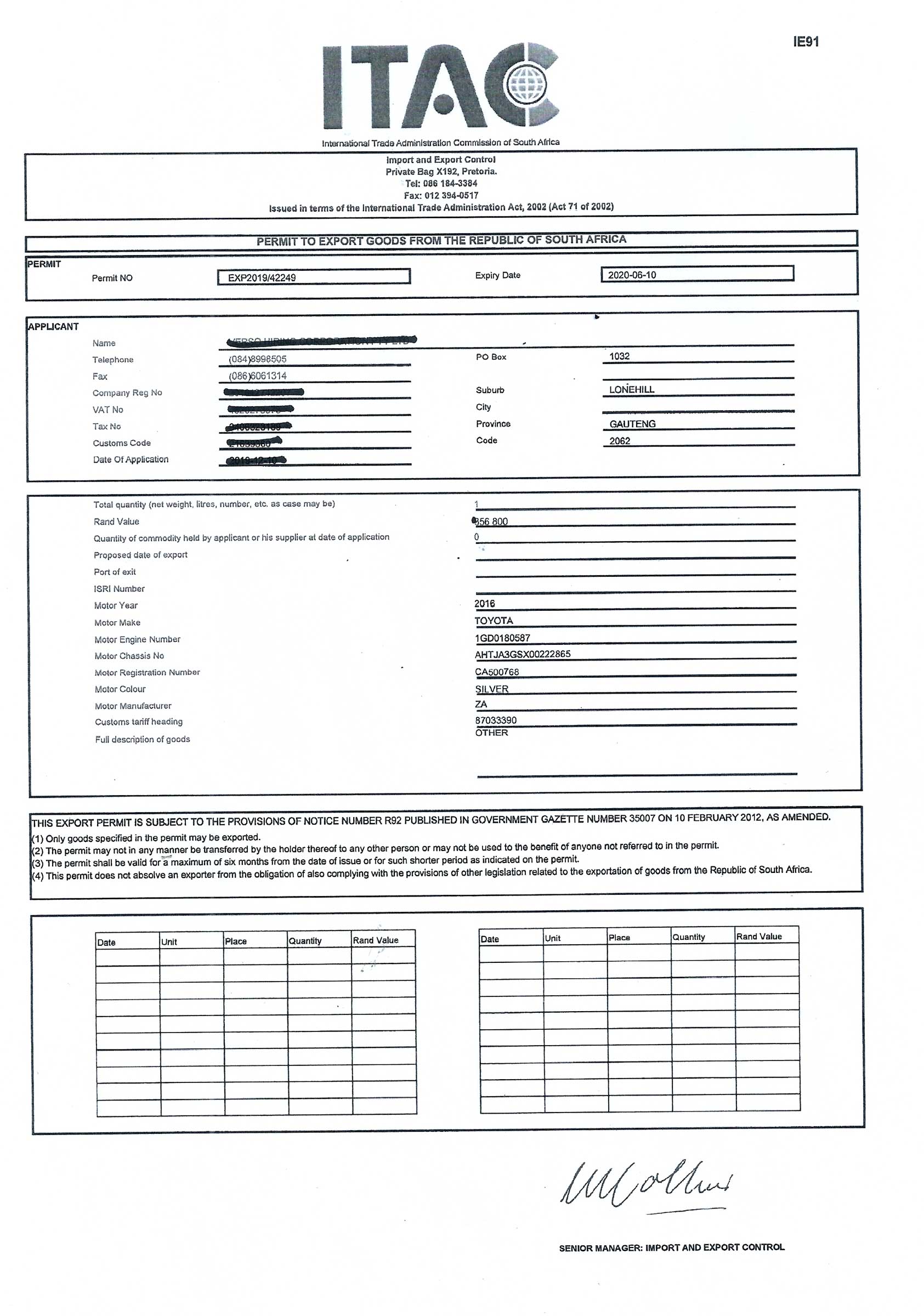
As a business owner or entrepreneur venturing into international trade, it is essential to comprehend the intricacies of export permits and their role in facilitating cross-border transactions. An export permit is a crucial document that authorizes a company to export specific goods to another country. In this article, we will delve into the world of export permits, exploring their types, regulatory requirements, and the process of obtaining them.
A Brief Overview of Export Permits
Export permits are essential documents that regulate the export of goods out of a country. Their primary function is to ensure compliance with both local and international laws, safeguarding national security, and protecting local industries. By obtaining an export permit, a company can demonstrate its commitment to adherence to regulations and applicable laws.
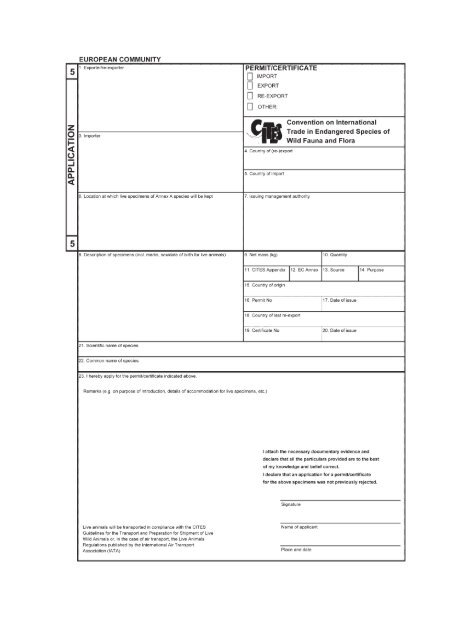
Types of Export Licenses
- General License: A general license is a type of export license that allows for the export of a broad category of goods. It is typically issued to companies that have a history of compliance with export regulations.
- Specific License: A specific license, on the other hand, is issued for the export of a particular type of good or product. It requires more detailed information and documentation than a general license.
- Dual-Use License: A dual-use license is issued for the export of goods that have both civilian and military applications. It requires a more rigorous review process to ensure compliance with export control regulations.