Using GLP-1 to Reduce Emotional Eating: Unlocking a Deeper Mind-Body Connection
Emotional eating is a complex issue that often underlies weight struggles and eating disorders. While traditional weight loss strategies focus on restrictive dieting and calorie counting, a growing body of research suggests that GLP-1 medications may offer a powerful ally in the quest to overcome emotional eating and establish a healthier relationship with food.
How GLP-1 Medications Work to Reduce Hunger and Emotional Eating
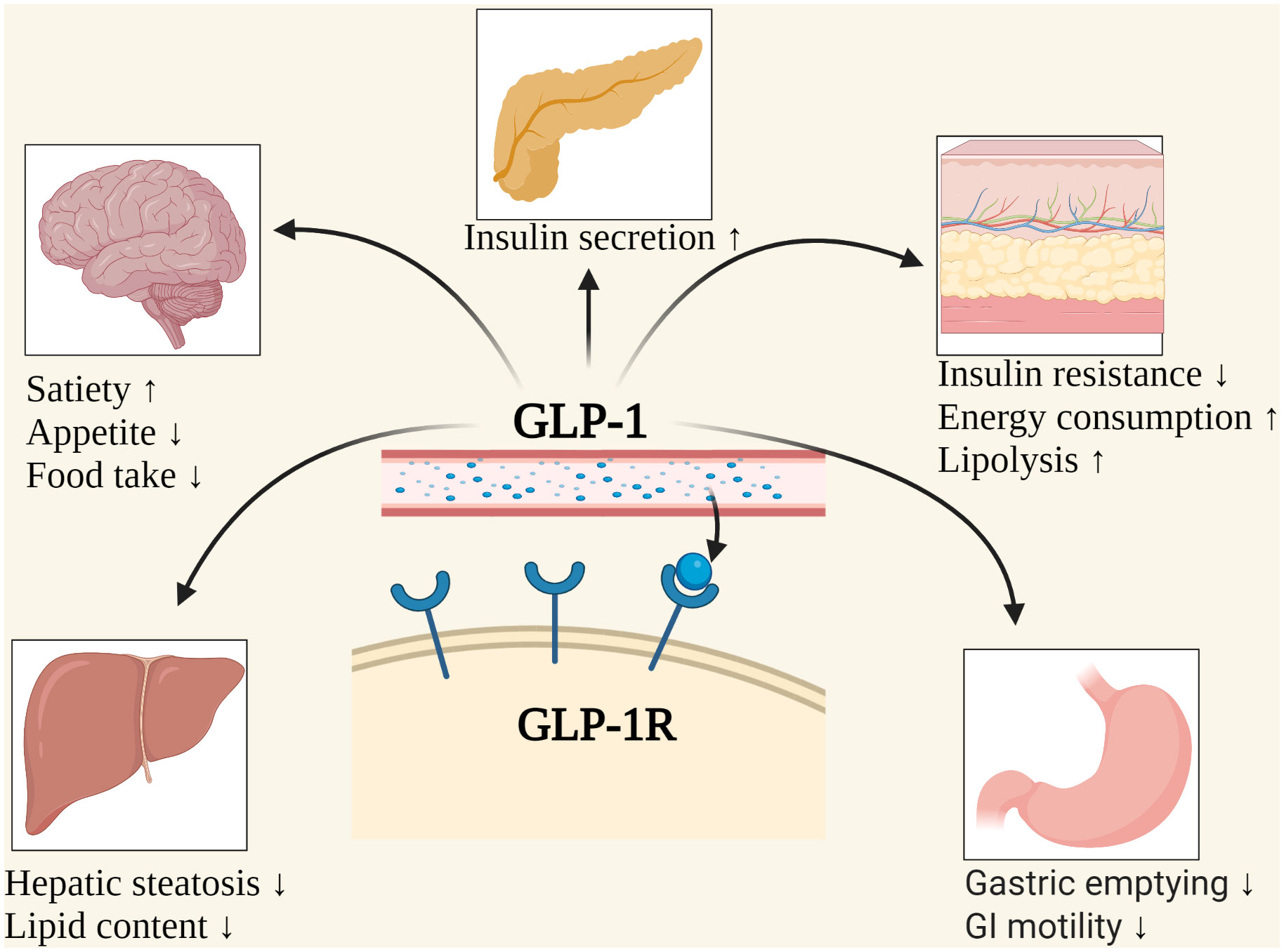
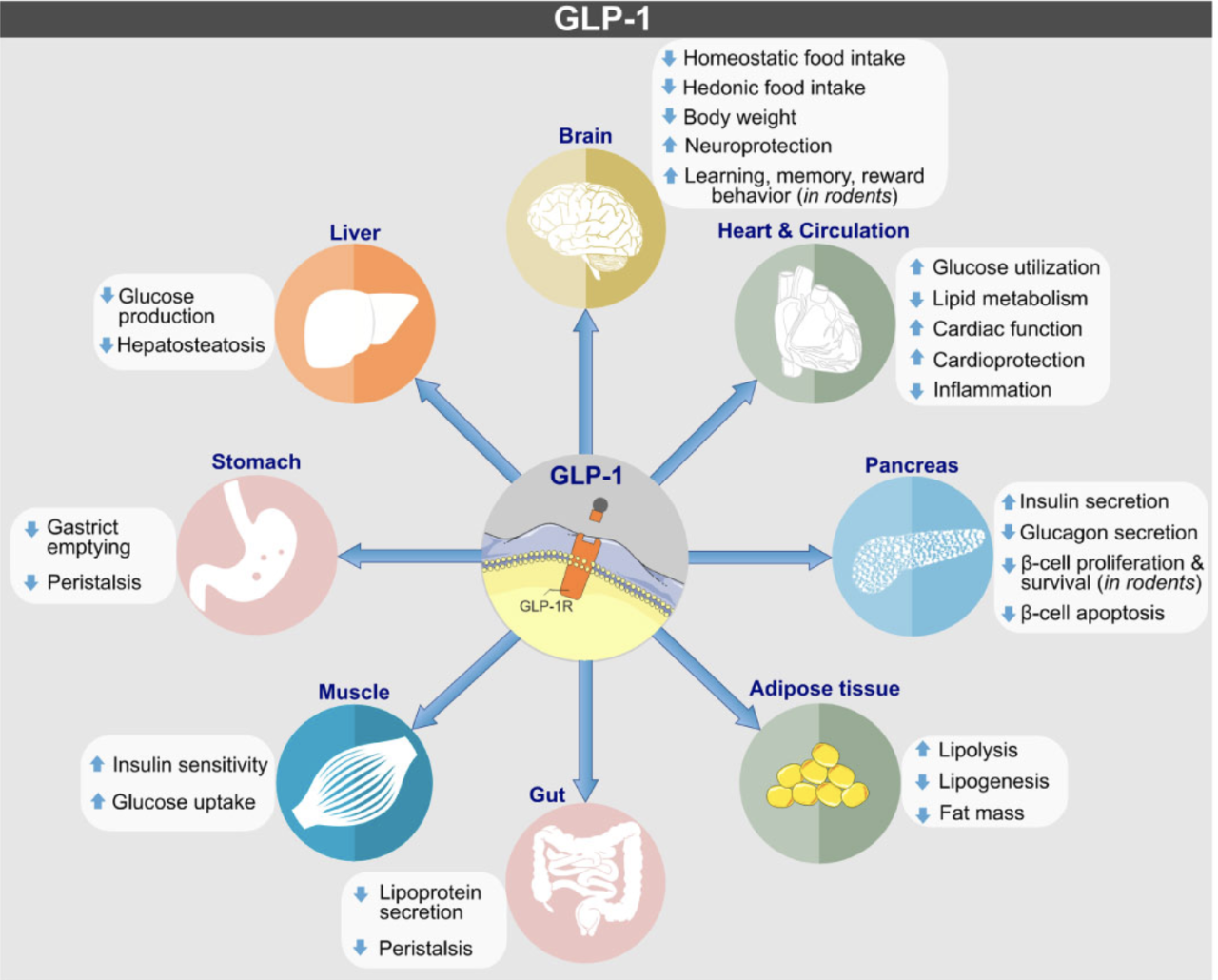
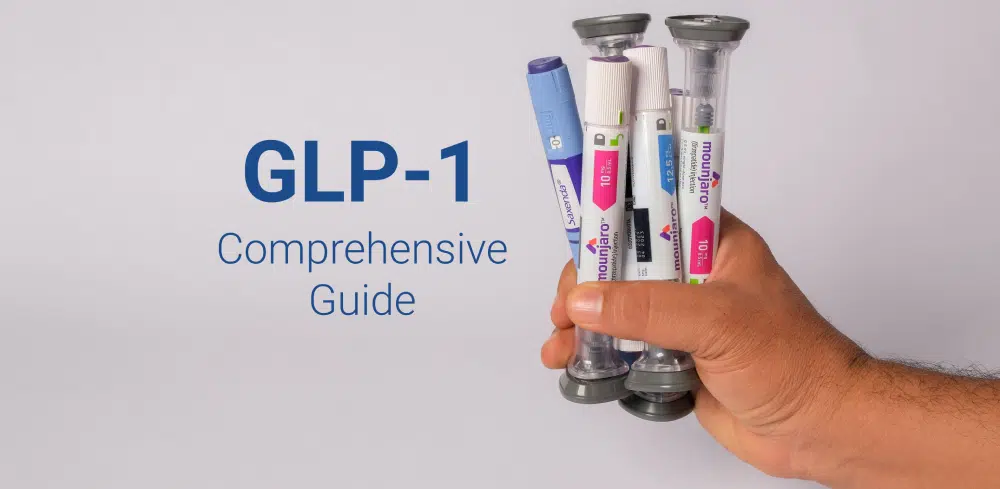
GLP-1 (Glucagon-Like Peptide-1) medications, such as Ozempic and Wegovy, work by mimicking the natural hormone released in the gut after eating. This hormone signals to the brain that you are full, reducing hunger and food cravings. By regulating hunger cues and reducing the dopamine reward associated with high-sugar or high-fat foods, GLP-1 medications can help individuals develop a more mindful and balanced approach to eating.

Key Takeaways from GLP-1 Studies
- GLP-1 medications significantly reduce "food noise" - the constant mental chatter about food and eating, allowing individuals to focus on more meaningful and fulfilling pursuits.
- Most patients experience improved mood and reduced anxiety around food within 4-6 weeks of treatment, indicating a strong connection between GLP-1 signaling and emotional regulation.
- GLP-1 receptors in the brain directly influence reward pathways and emotional regulation centers, paving the way for positive changes in eating behavior and mood.