Vacuum Insulated Energy Efficiency: Revolutionizing the Way We Build and Live
Vacuum insulated energy efficiency is a cutting-edge technology that has been gaining traction in the building industry, offering a sustainable and cost-effective solution for homeowners and businesses alike. In this article, we will delve into the world of vacuum insulated energy efficiency, exploring its benefits, applications, and future prospects.
What are Vacuum Insulation Panels?
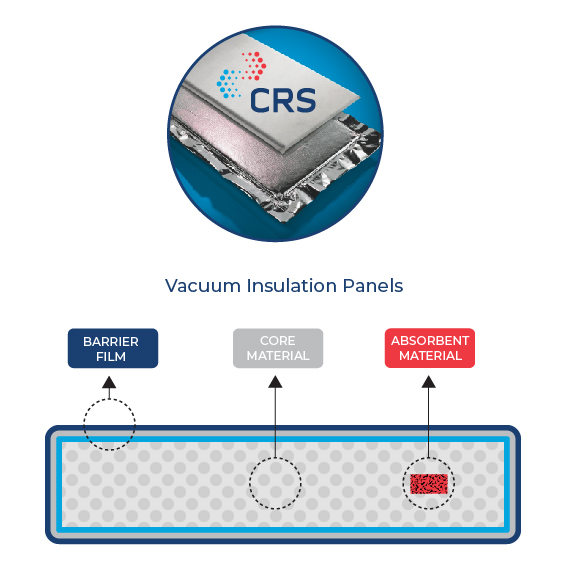
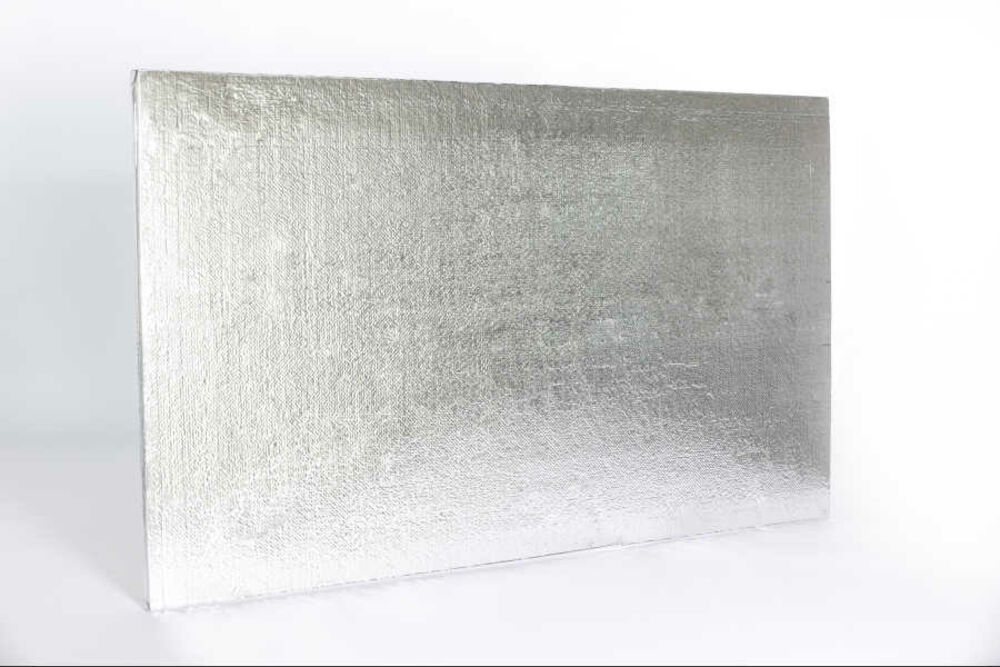
Vacuum insulation panels (VIPs) are a thermally efficient insulation technology that has been in use for decades in specialty industries such as refrigeration, pharmaceuticals, and medical. These panels consist of tiny pores that are evacuated, forming a vacuum, which significantly reduces heat transfer and energy loss.
Benefits of Vacuum Insulation Panels
- High Energy Efficiency: VIPs have an exceptionally high R-value, making them ideal for applications where energy efficiency is critical.
- Lightweight: VIPs are incredibly lightweight, making them easier to install and transport compared to traditional insulation materials.
- Low Maintenance: VIPs are less prone to moisture damage and other forms of degradation, reducing maintenance costs and extending their lifespan.
- Cost-Effective: VIPs can lead to significant energy savings, making them a cost-effective solution for building owners and occupants.
Applications of Vacuum Insulation Panels
VIPs can be applied in various sectors, including:
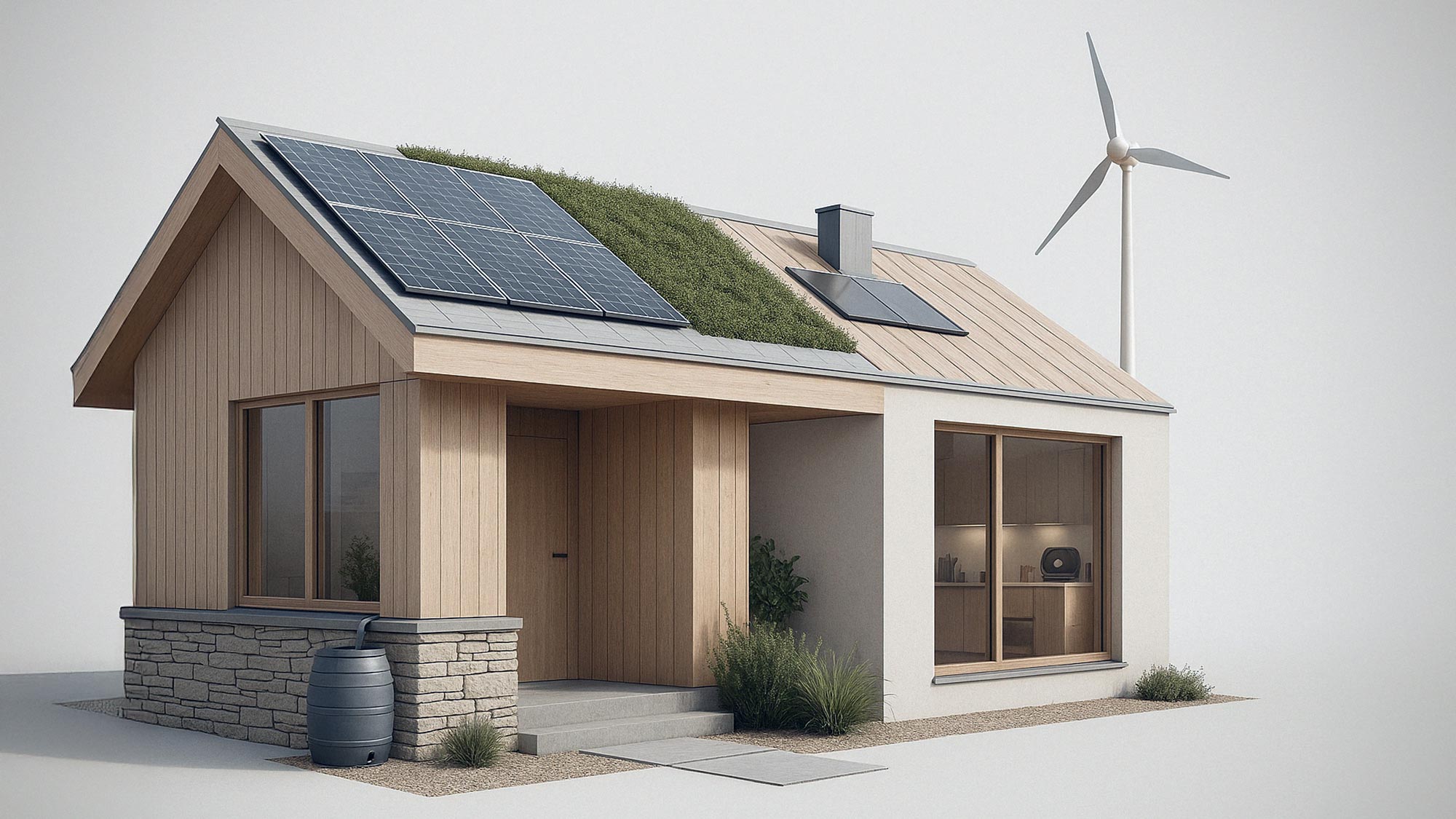
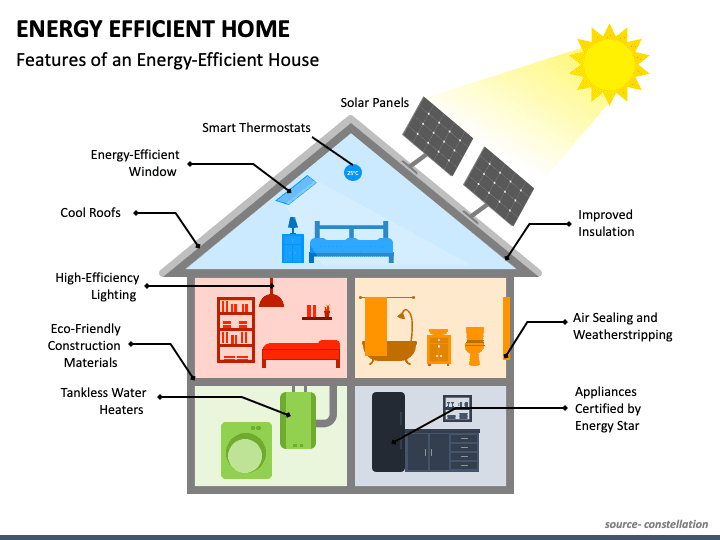
- Built Environment: VIPs are being used in construction to improve energy efficiency and reduce carbon emissions.
- Industrial and Commercial Sectors: VIPs are being integrated into industrial and commercial buildings to reduce energy consumption and costs.
- Transportation: VIPs are being used in the transportation sector to improve thermal insulation and reduce energy consumption.
- Refrigeration: VIPs are being used in refrigeration systems to improve efficiency and reduce energy consumption.