Setting up a Wireless Network for Agricultural Monitoring
Agricultural monitoring is a critical aspect of modern farming. With the increasing demand for precision agriculture, farmers are now looking for innovative solutions to optimize crop yields and reduce costs. One of the key technologies being adopted is wireless networking, which offers real-time monitoring and data collection capabilities. In this article, we will explore the setting up of a wireless network for agricultural monitoring and the various technologies involved.Understanding Wireless Sensor Networks (WSNs)
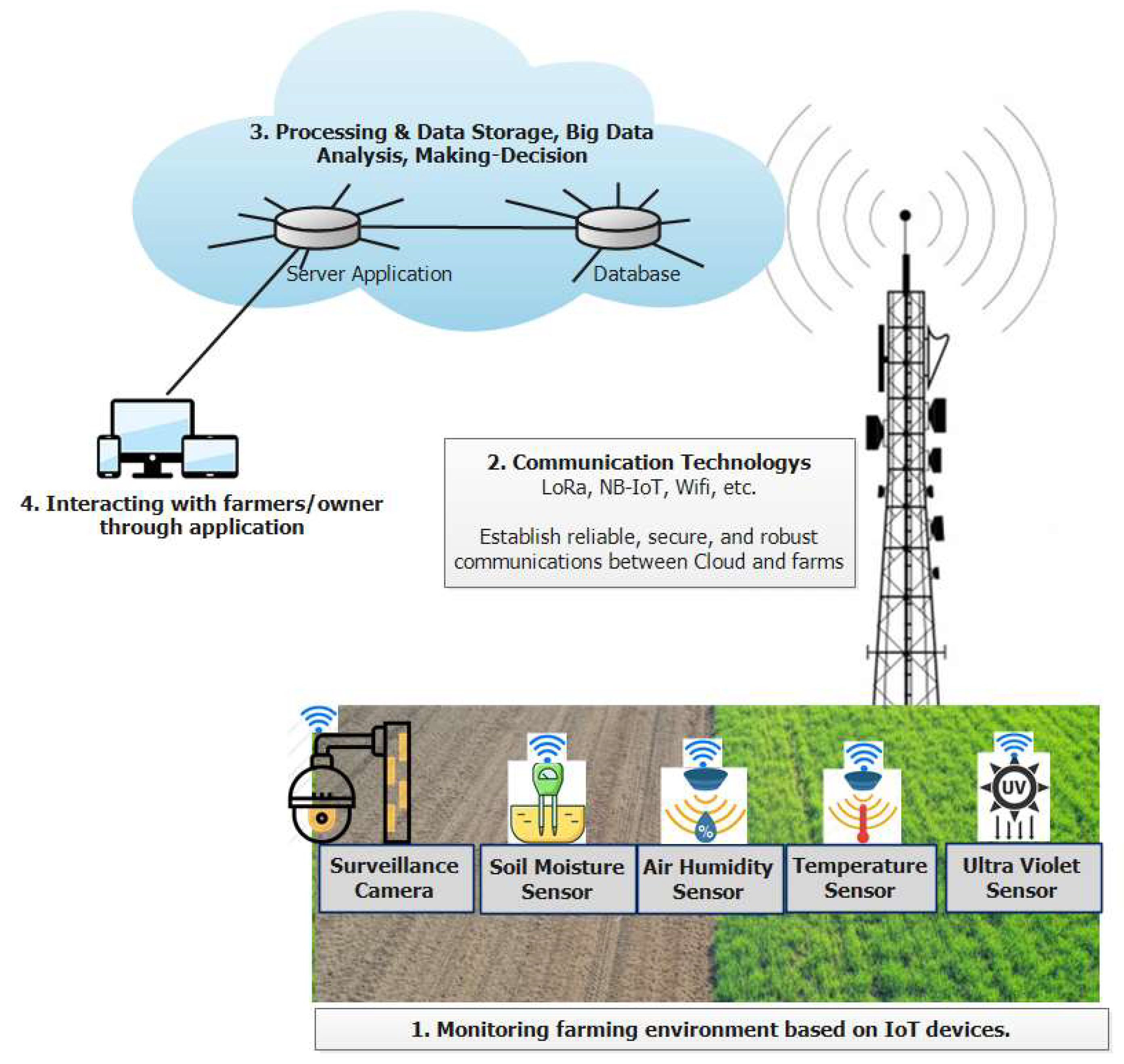
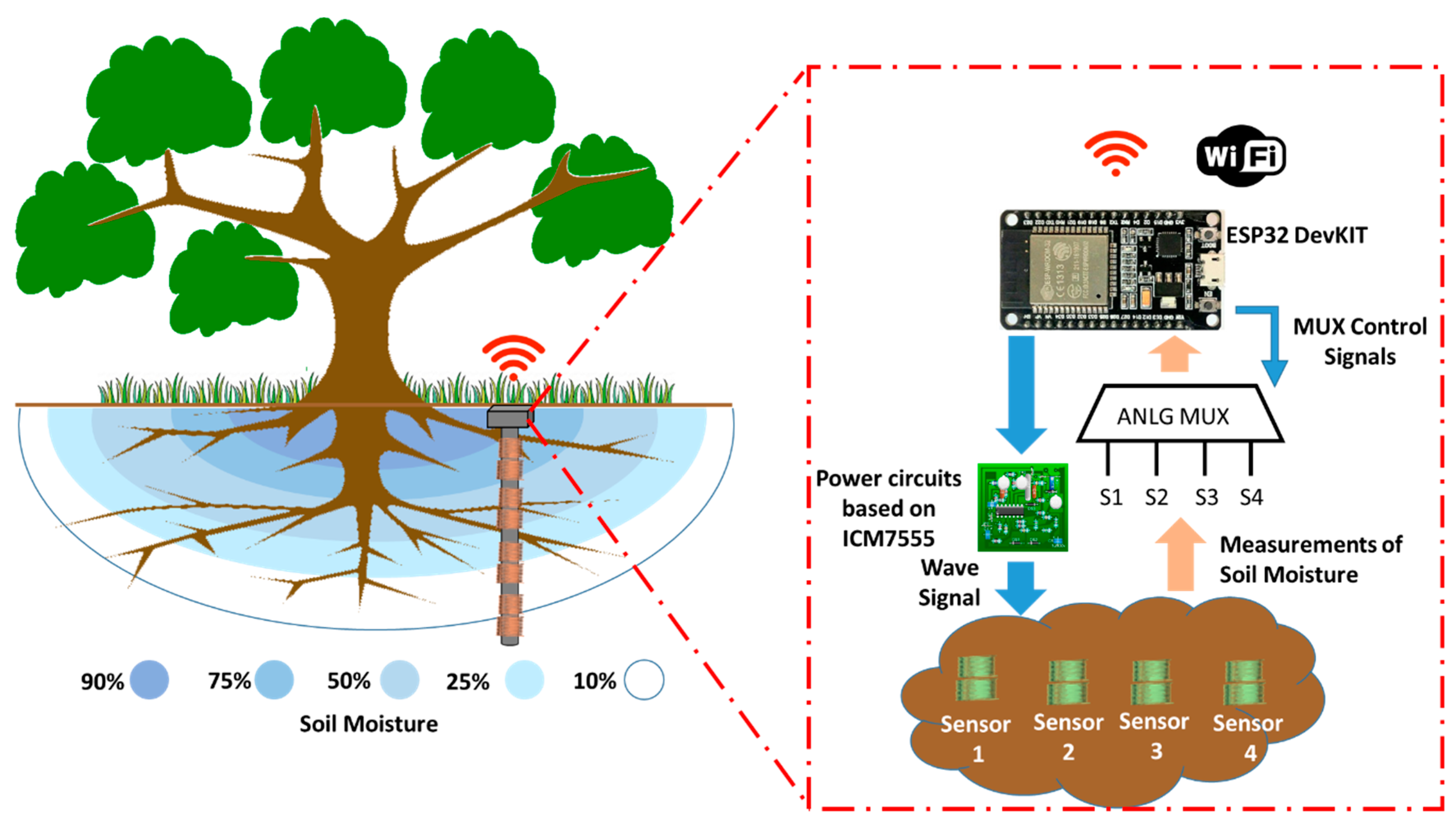
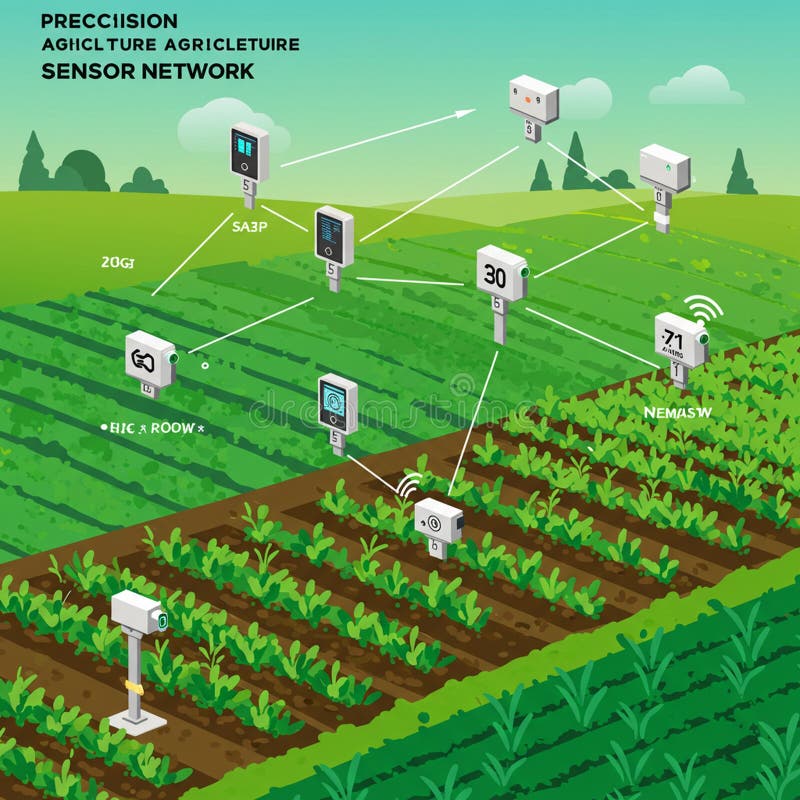
Wireless Sensor Networks (WSNs) comprise a group of sensors that are connected wirelessly and work together to collect and transmit data. In the context of agricultural monitoring, WSNs can be used to monitor parameters such as temperature, humidity, light, and soil moisture levels. The collected data can then be used to optimize crop management, detect diseases, and ensure optimal soil conditions.WSNs have been extensively used in agriculture to promote precision farming, with benefits including improved crop yields, reduced water consumption, and enhanced quality control.
Wireless Sensor Network Technologies
Several wireless sensor network technologies can be used for agricultural monitoring, including:- LoRaWAN: A low-power wide-area network (LPWAN) technology that offers low data rate and low power consumption, making it ideal for applications where power consumption and network lifetime are a priority.
- WLAN (Wireless Local Area Network): A wireless network technology that enables devices to connect to a central hub, facilitating data transmission and processing.
- Wi-Fi: A wireless networking technology that allows devices to connect to the internet and transfer data.