Change Phenotypes GLP-1 Receptor Protein Agonists: Unlocking the Potential of a New Generation of Medications
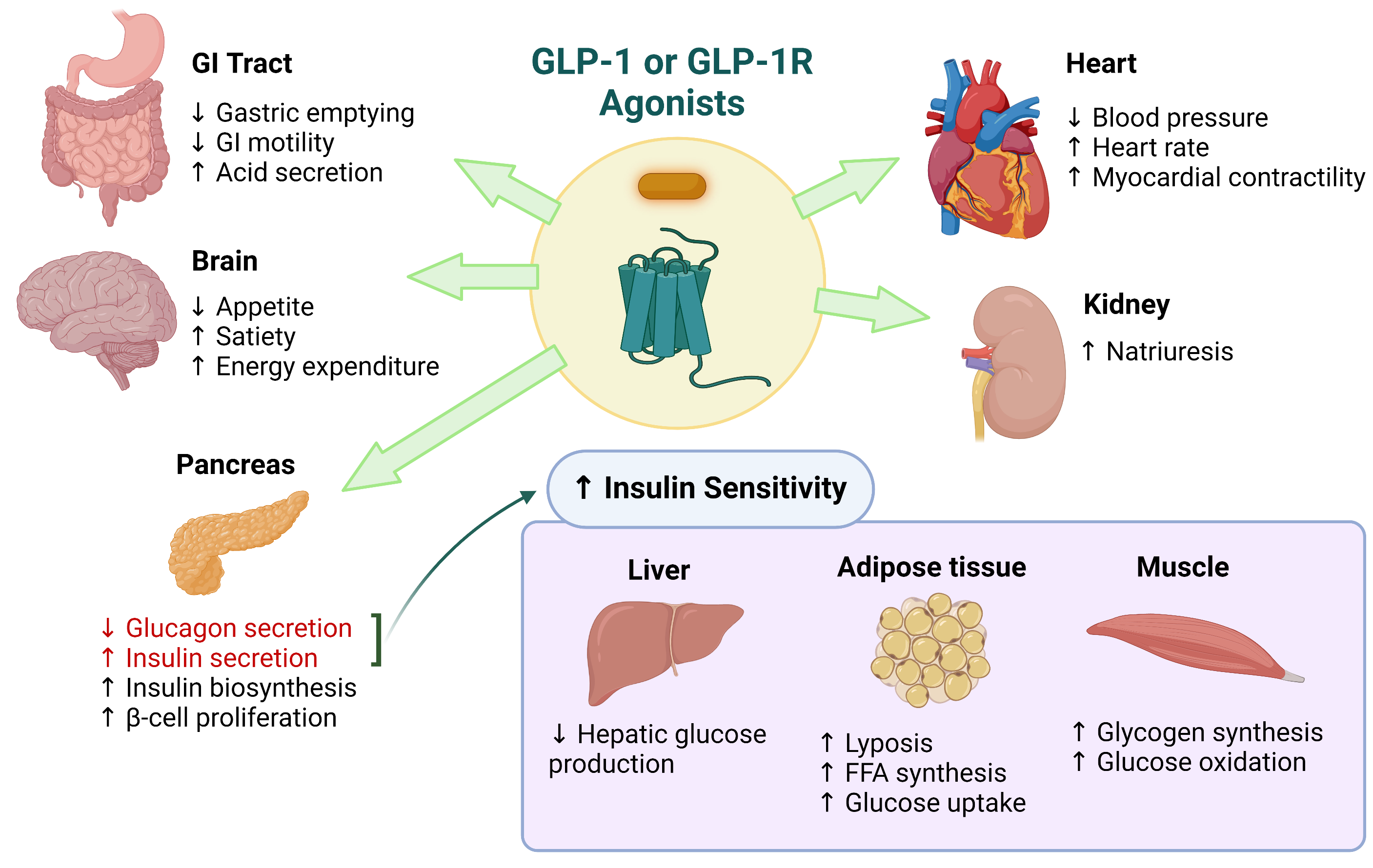
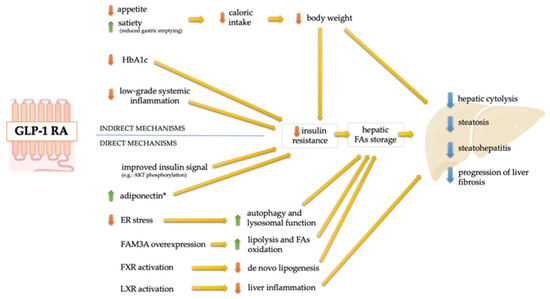
Glucagon-like peptide-1 (GLP-1) receptor protein agonists have emerged as a game-changing class of medications, initially developed for the treatment of type 2 diabetes and obesity, but now showing promise in a wide range of therapeutic areas. These medications have the potential to modulate pathways associated with the hallmarks of aging, and have been found to have beneficial effects on body weight reduction, glycemic control, and cardiovascular protection.
The Science Behind GLP-1 Receptor Protein Agonists
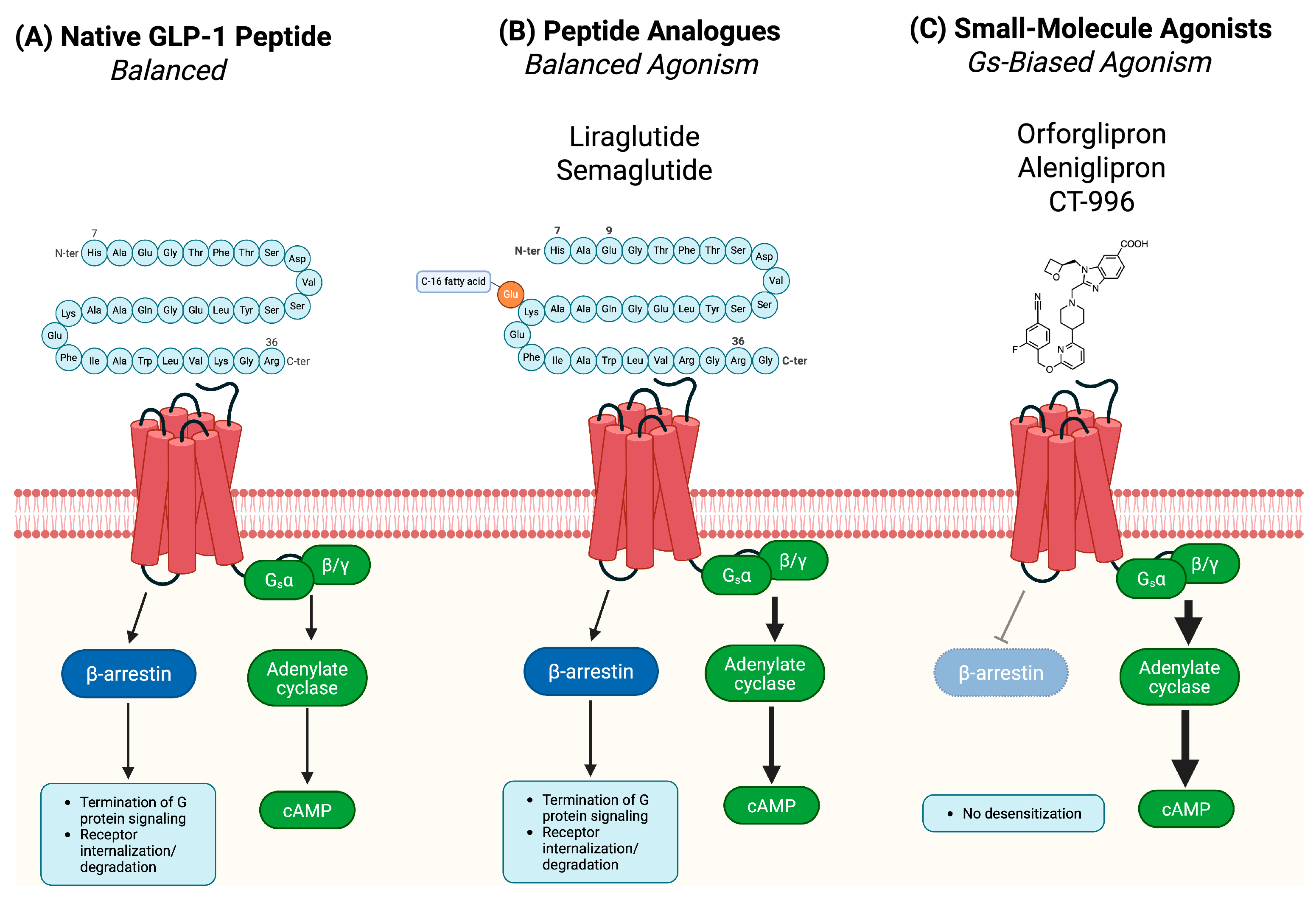
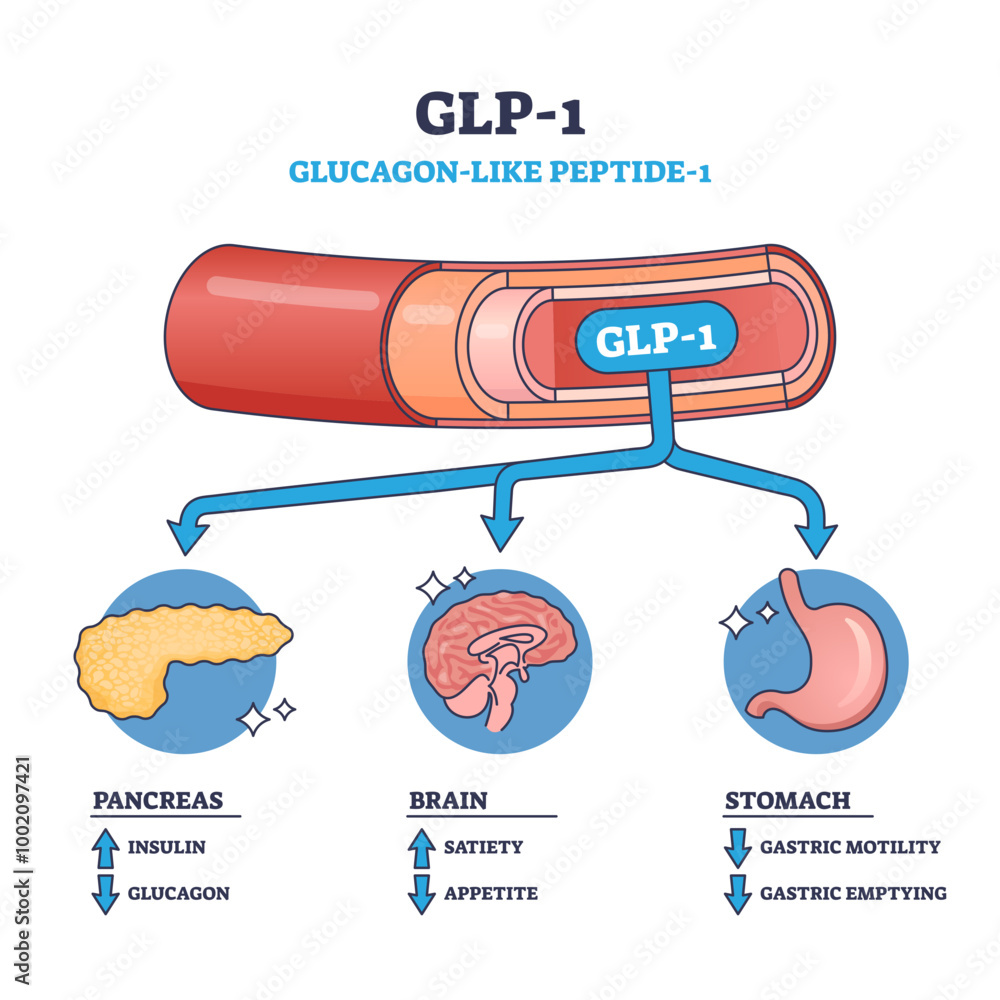
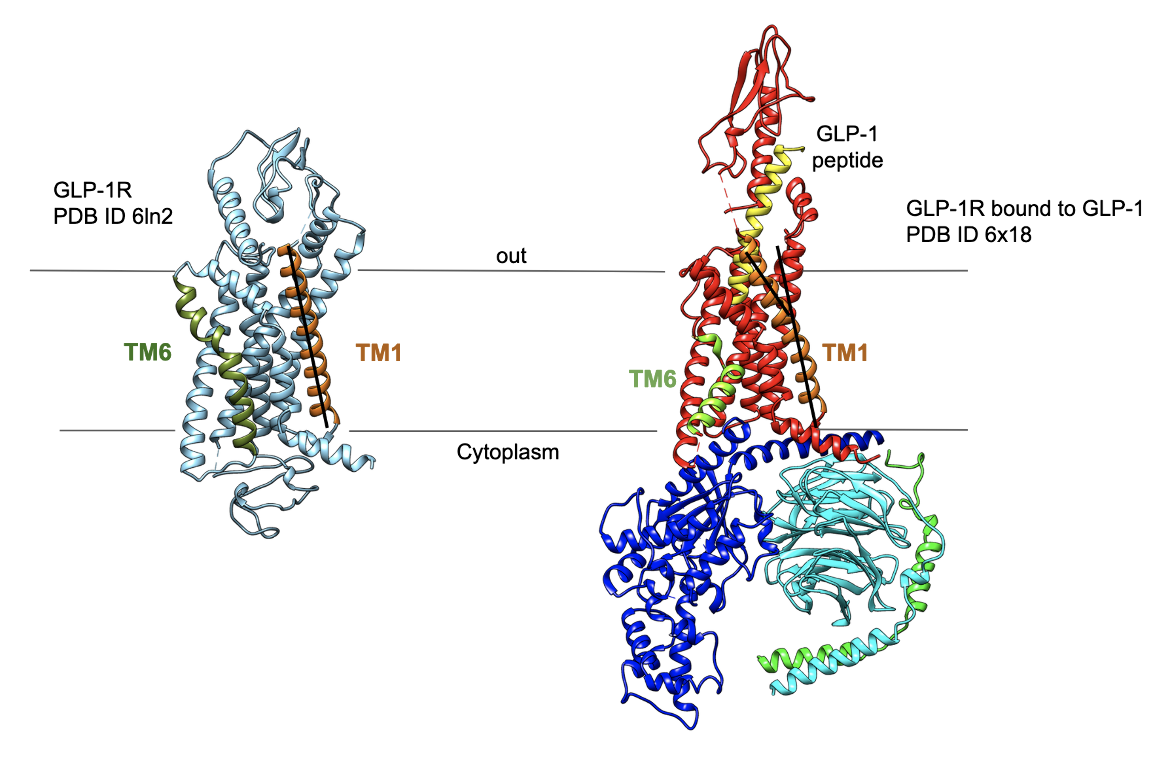
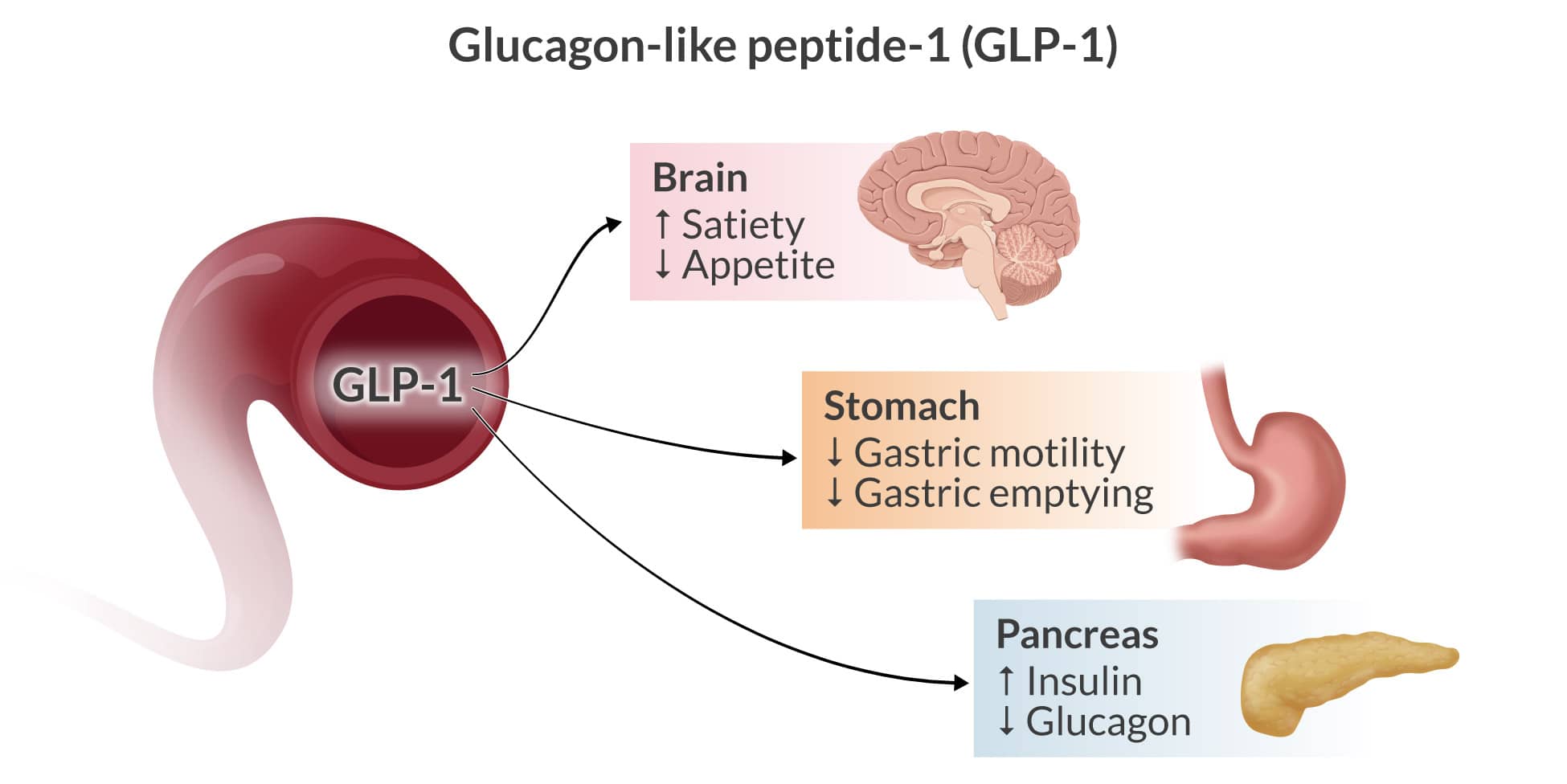
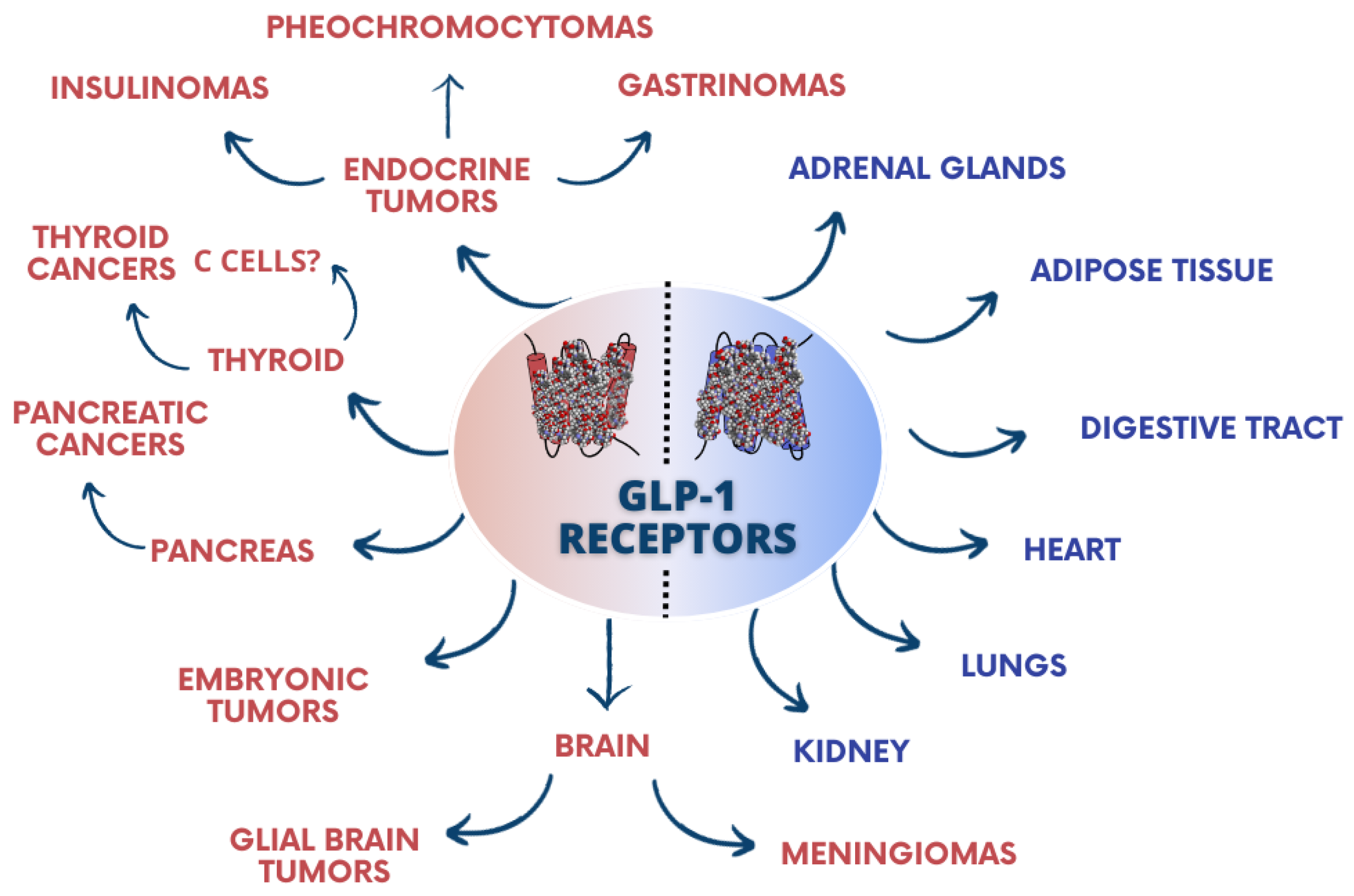
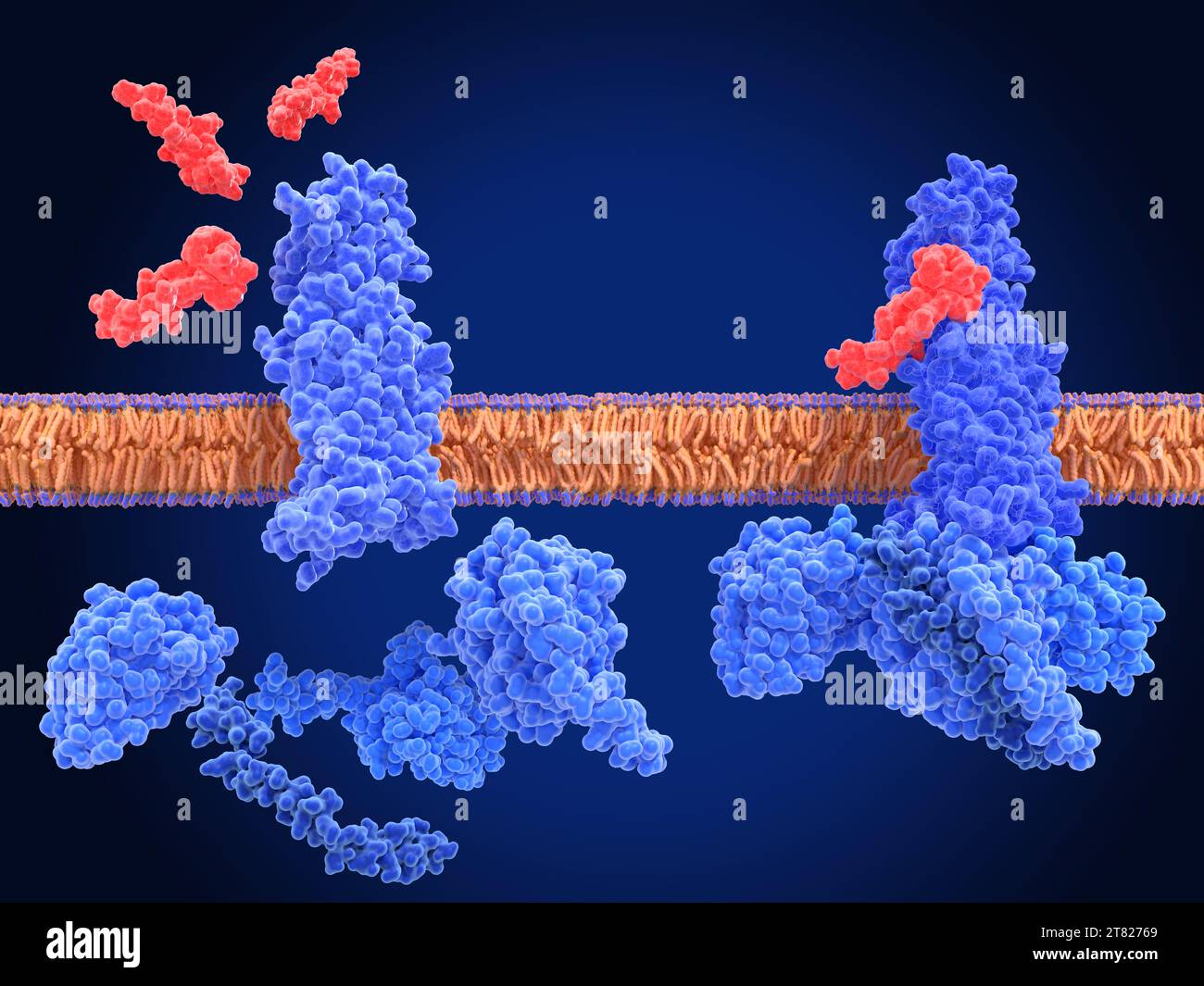
Glucagon-like peptide-1 (GLP-1) is a hormone that plays a vital role in glucose homeostasis by triggering insulin release, inhibiting glucagon secretion, delaying gastric emptying, enhancing feelings of fullness, and suppressing appetite. The GLP-1 receptor is a class B1 G-protein-coupled receptor (GPCR) that is primarily found on the surfaces of various cell types, including pancreatic β cells, making it an attractive target for therapeutic intervention.

The Mechanism of Action of GLP-1 Receptor Protein Agonists
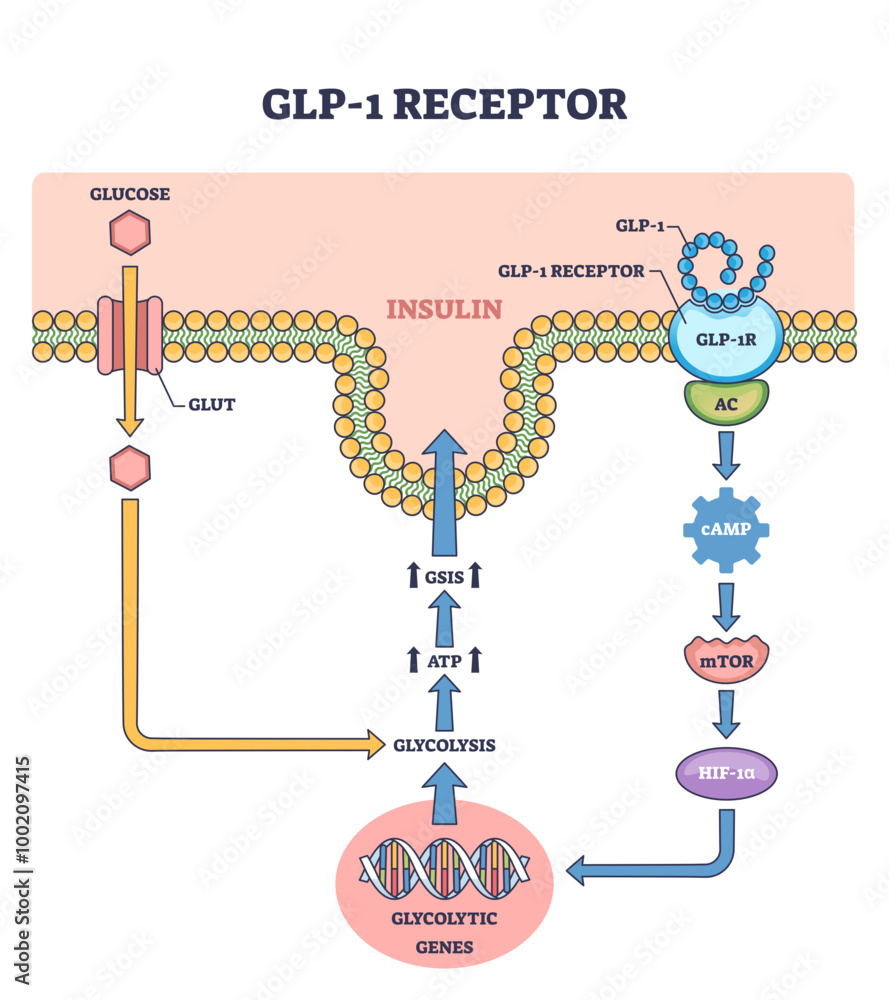
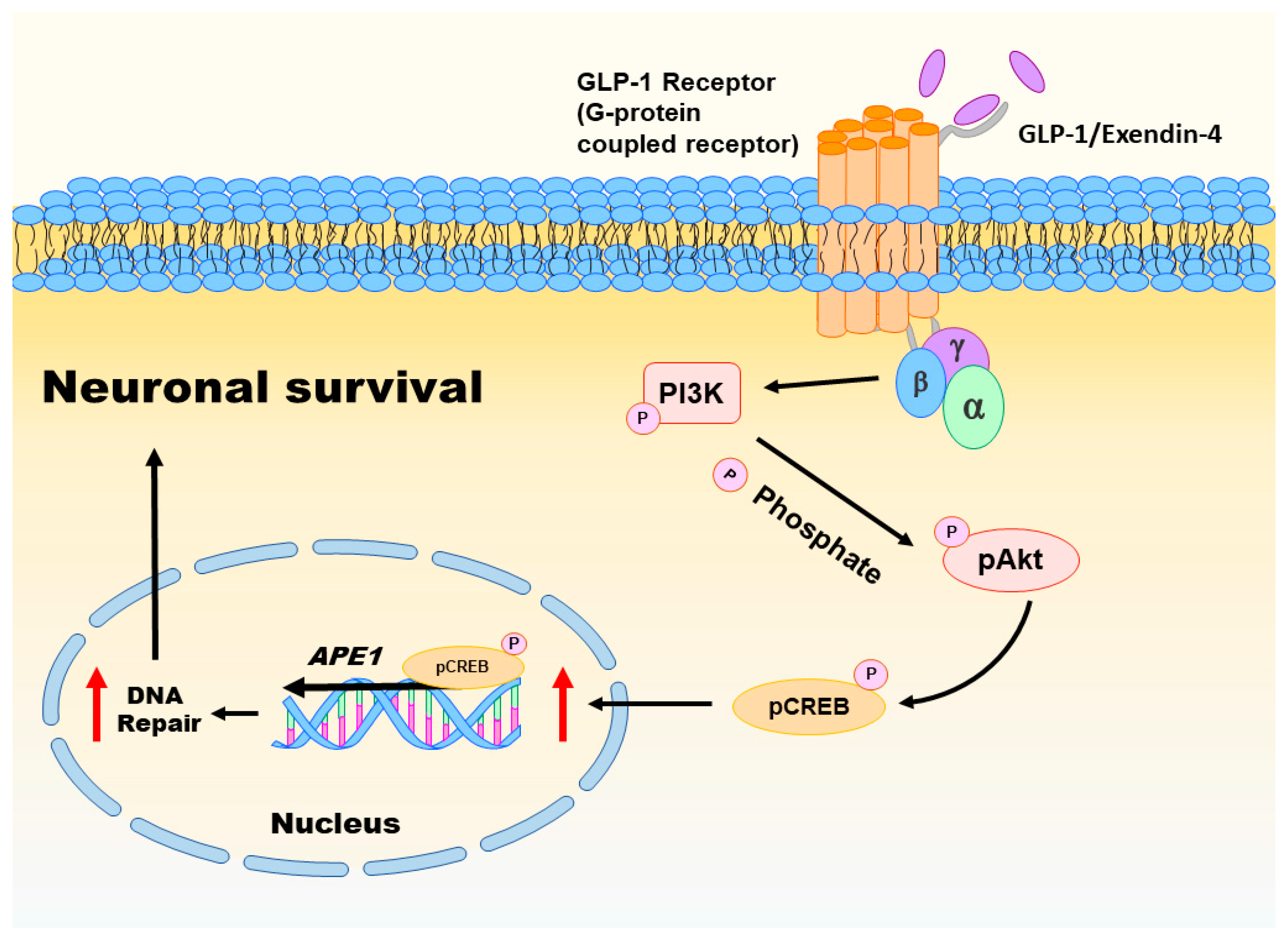
GLP-1 receptor protein agonists bind to the GLP-1 receptor, triggering a cascade of intracellular events through associated G proteins. This pathway influences various physiological processes, including glucose metabolism, appetite regulation, and cardiovascular health. By activating the GLP-1 receptor, these medications can modulate pathways associated with the hallmarks of aging, such as cellular senescence and mitochondrial dysfunction.