Export License Requirements for Businesses Engaging in International Trade
The export landscape is becoming increasingly complex, with new regulations and enhanced enforcement mechanisms shaping international trade. Understanding the export license requirements is crucial for businesses engaging in global commerce, as non-compliance can result in severe penalties and restrictions on future export activities.
Forms of Export Licenses
Export licenses can take various forms, including:
- Deemed Export Licenses: These licenses are issued by the exporting country to allow for the export of controlled goods or technologies.
- Export Permits: These permits are required to ensure that goods exported by an individual or organization comply with the provisions of international agreements.
- Export Licenses for Strategic Goods: These licenses are required for the export of strategic goods, such as dual-use technologies, that are subject to strict regulations.
Export License Requirements and Regulations
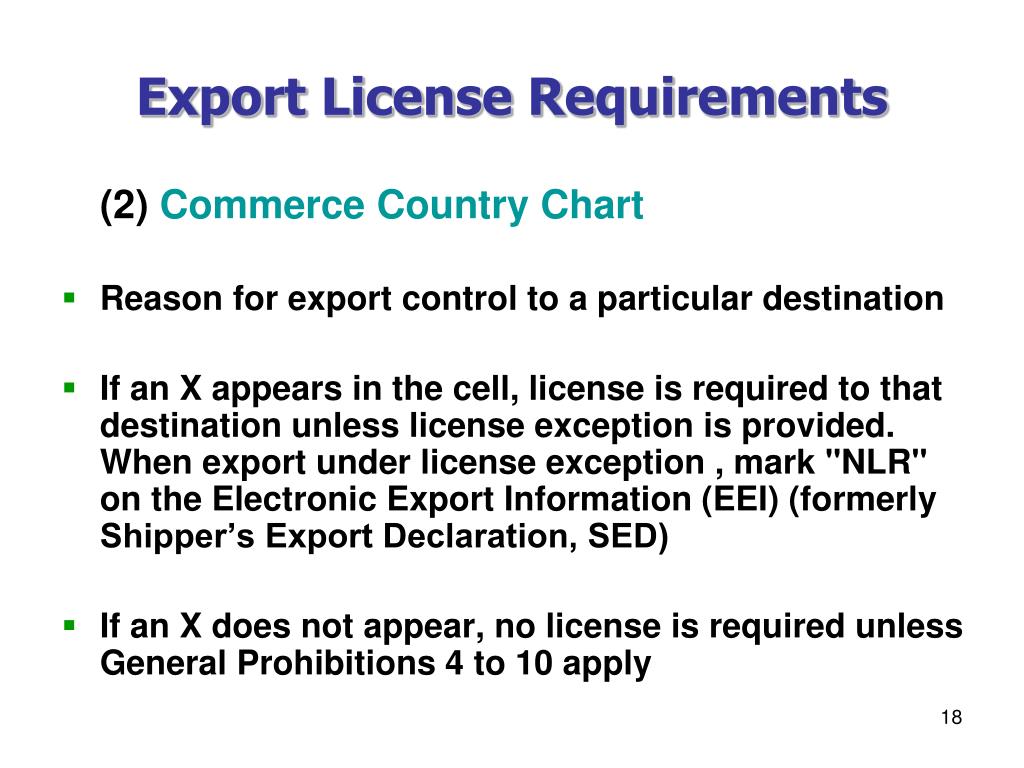
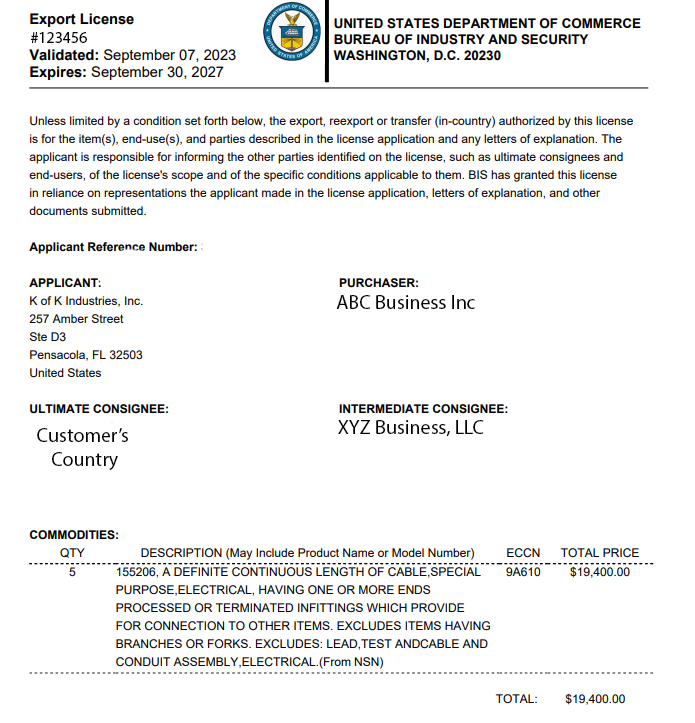
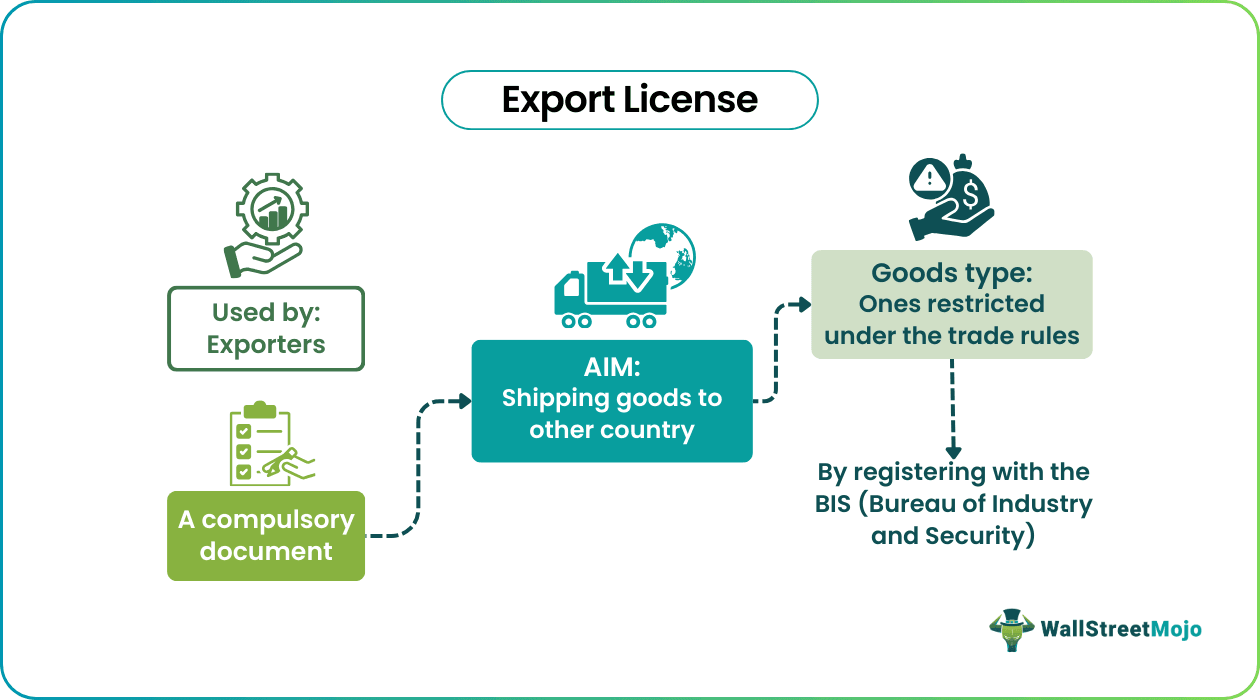
Export license requirements vary depending on the country of export, the type of goods being exported, and the level of regulatory control. The U.S. Department of Commerce's Bureau of Industry and Security (BIS) regulates the export and re-export of commodities, software, and technologies, commercial and military in nature.
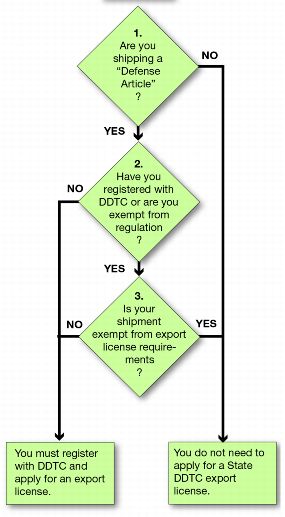
- The Export Administration Regulations (EAR) specify the export license requirements for controlled items, including dual-use technologies and defense articles.
- The International Traffic in Arms Regulations (ITAR) regulate the export and re-export of defense-related articles and services.
- The Office of Foreign Assets Control (OFAC) administers economic and trade sanctions, including those related to export controls.