Understanding Export Regulations and License: A Guide for Global Businesses
As a global business, navigating export regulations and licensing can seem like a daunting task. With the ever-changing landscape of international trade, it's essential to stay informed about the complex regulations and licensing requirements. In this article, we'll provide a comprehensive guide to help you understand export regulations and licensing, ensuring compliance and avoiding costly penalties.
Complying with Export Regulations and License
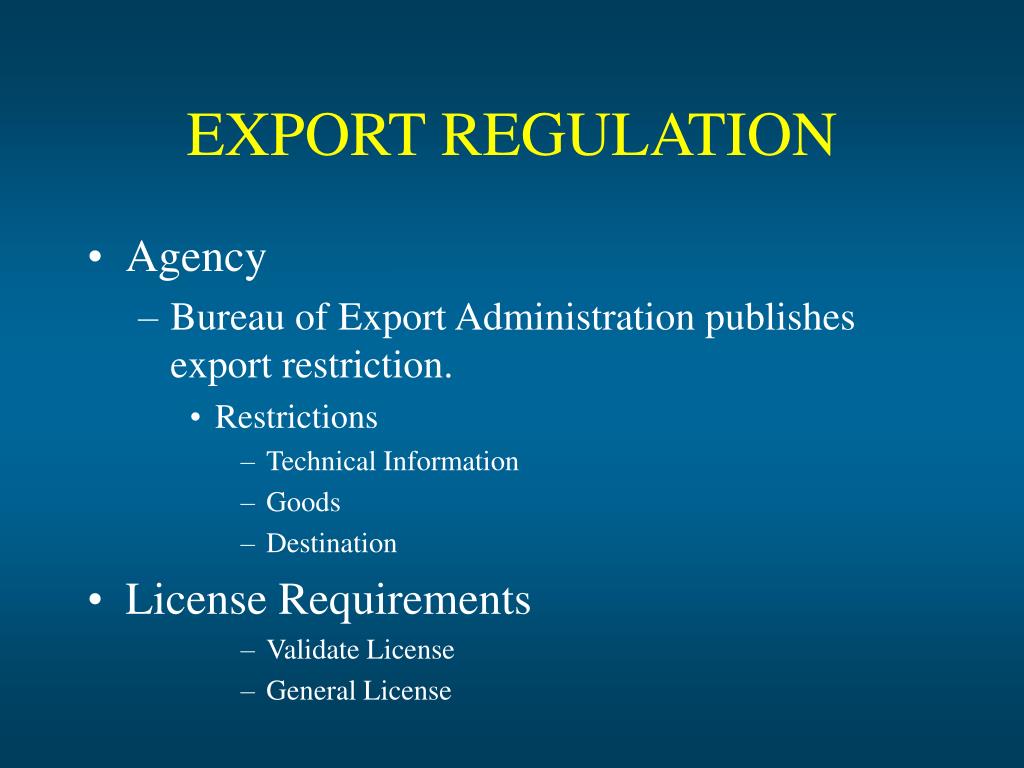
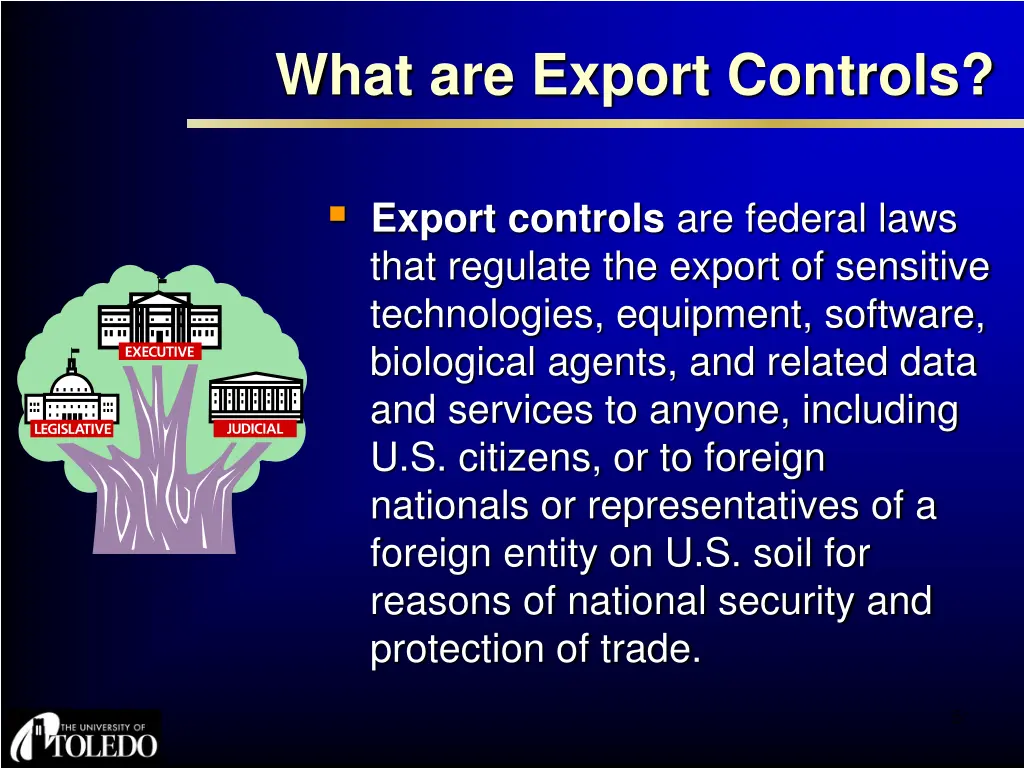
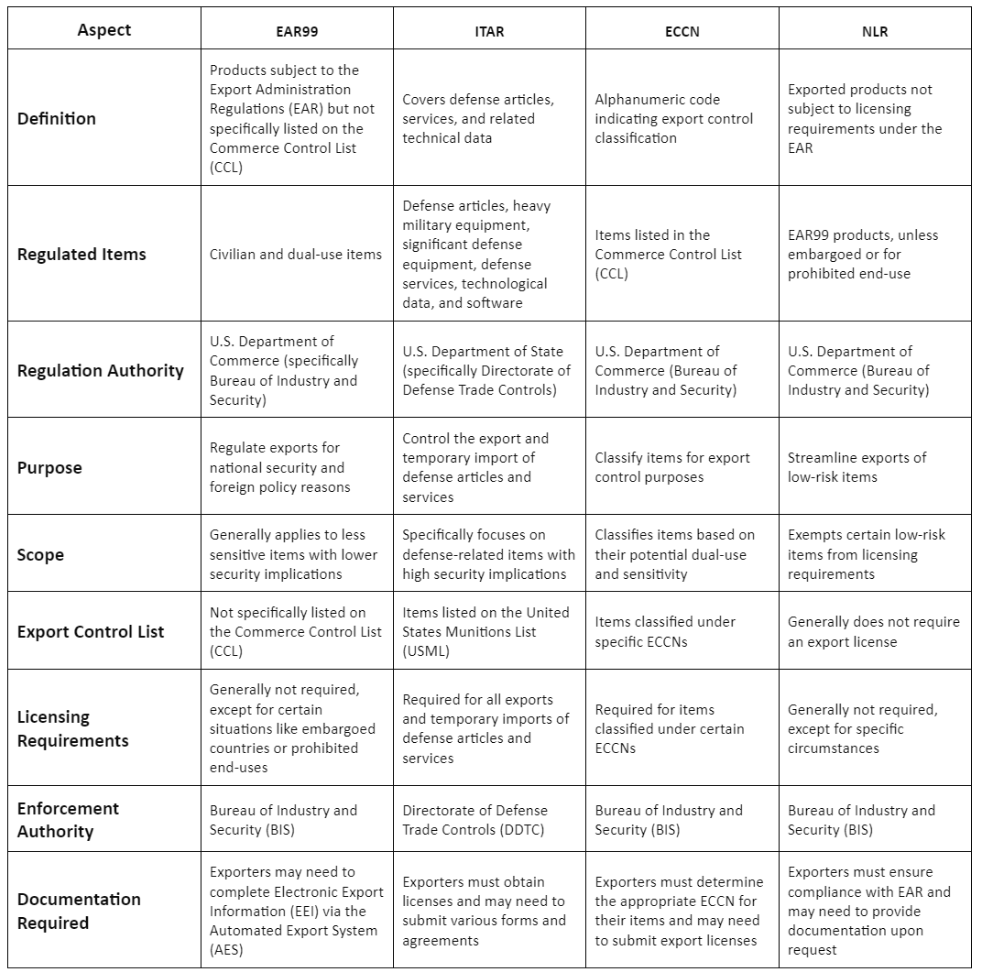
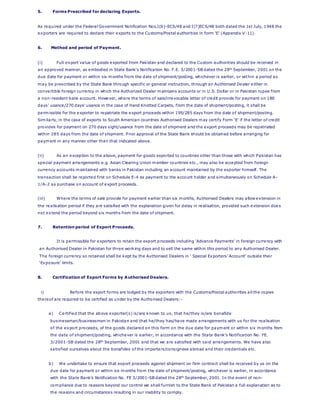
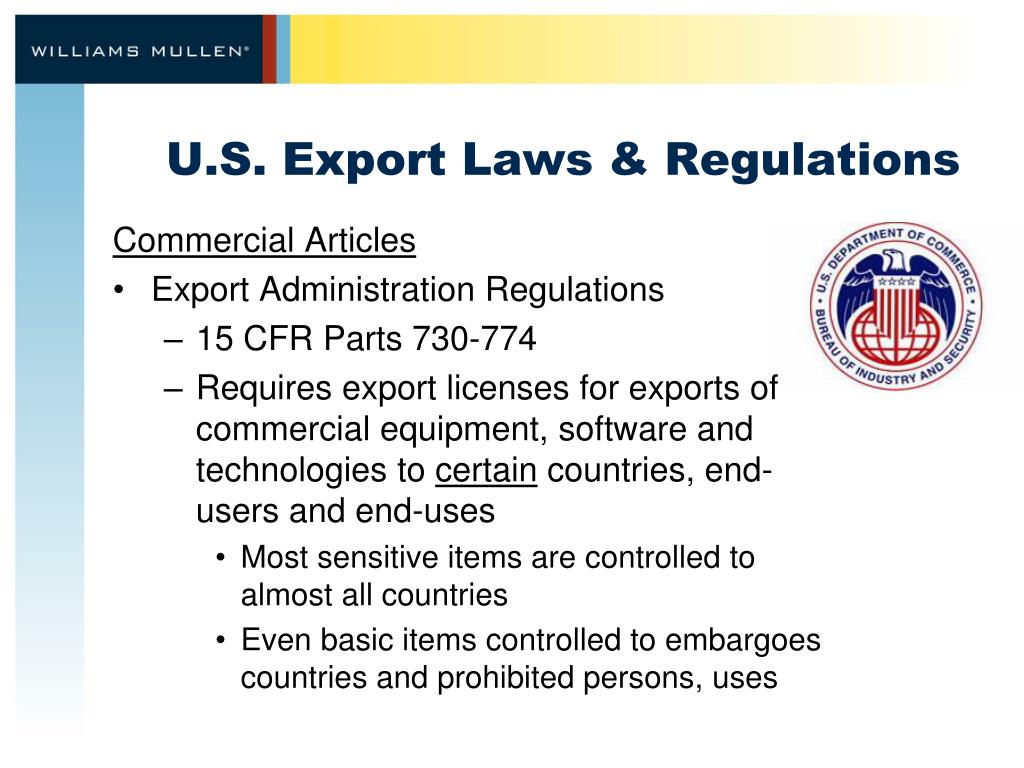
The United States government has implemented various export regulations and licensing requirements to ensure national security, non-proliferation, and foreign policy goals. The Export Administration Regulations (EAR) and the International Traffic in Arms Regulations (ITAR) are two primary frameworks governing the export of dual-use items and defense articles. Understanding these regulations is crucial for businesses engaging in global commerce.
Types of Export Regulations and License
- Export Administration Regulations (EAR): Regulating the export and reexport of dual-use items, EAR provides a framework for the control of sensitive technologies.
- International Traffic in Arms Regulations (ITAR): Controlling the export and reexport of defense articles, ITAR ensures compliance with arms control and non-proliferation regulations.
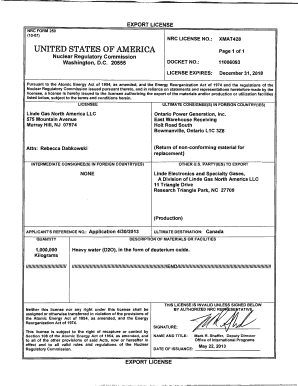
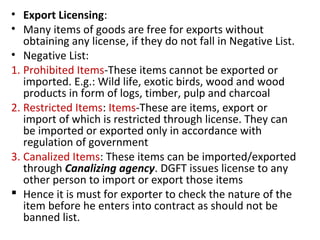
- Export License: A government document authorizing or granting permission to conduct a specific export transaction, including the export of technology.
- License Exceptions: Certain export license exceptions are available for countries or transactions that meet specific criteria, allowing exporters to proceed without obtaining a full export license.