How GLP 1 Improves Insulin Sensitivity
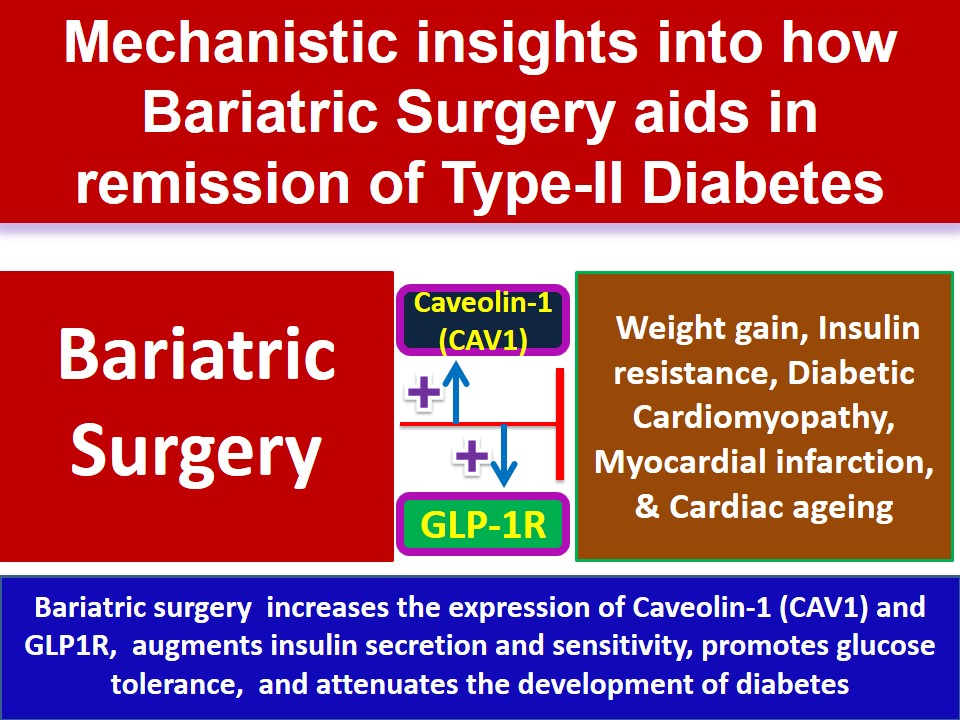
Glucagon-like peptide-1 (GLP-1) agonists have revolutionized the management of type 2 diabetes and associated metabolic disorders. These medications not only improve glycemic control by increasing insulin secretion but also have a profound impact on insulin sensitivity. In this article, we will delve into the mechanisms by which GLP-1 improves insulin sensitivity and discuss the implications of this effect on overall health.
What is GLP-1?
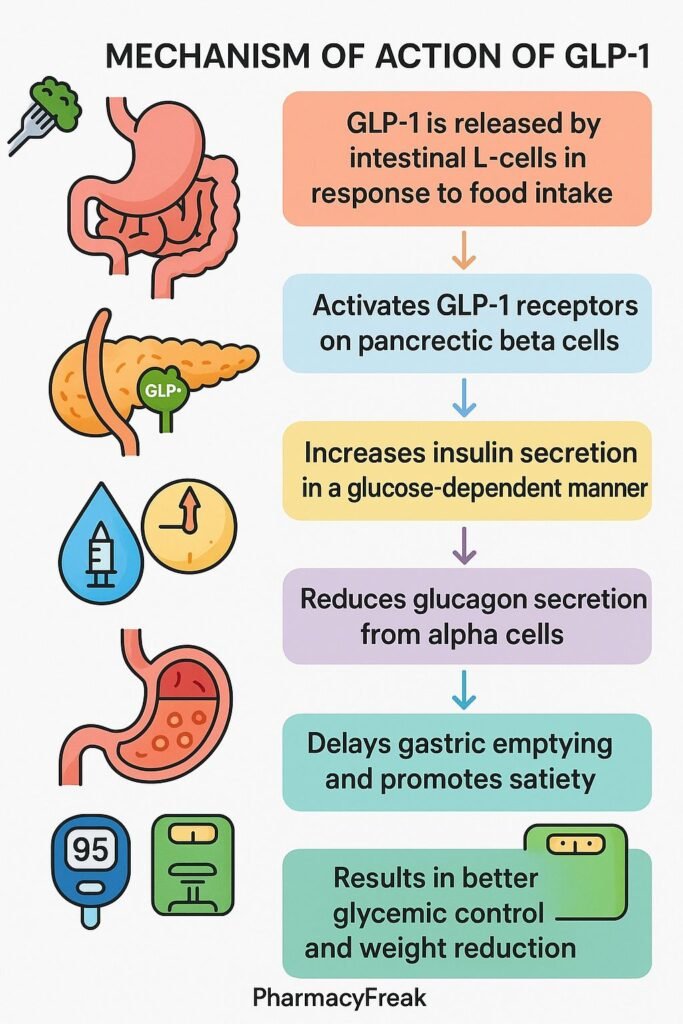
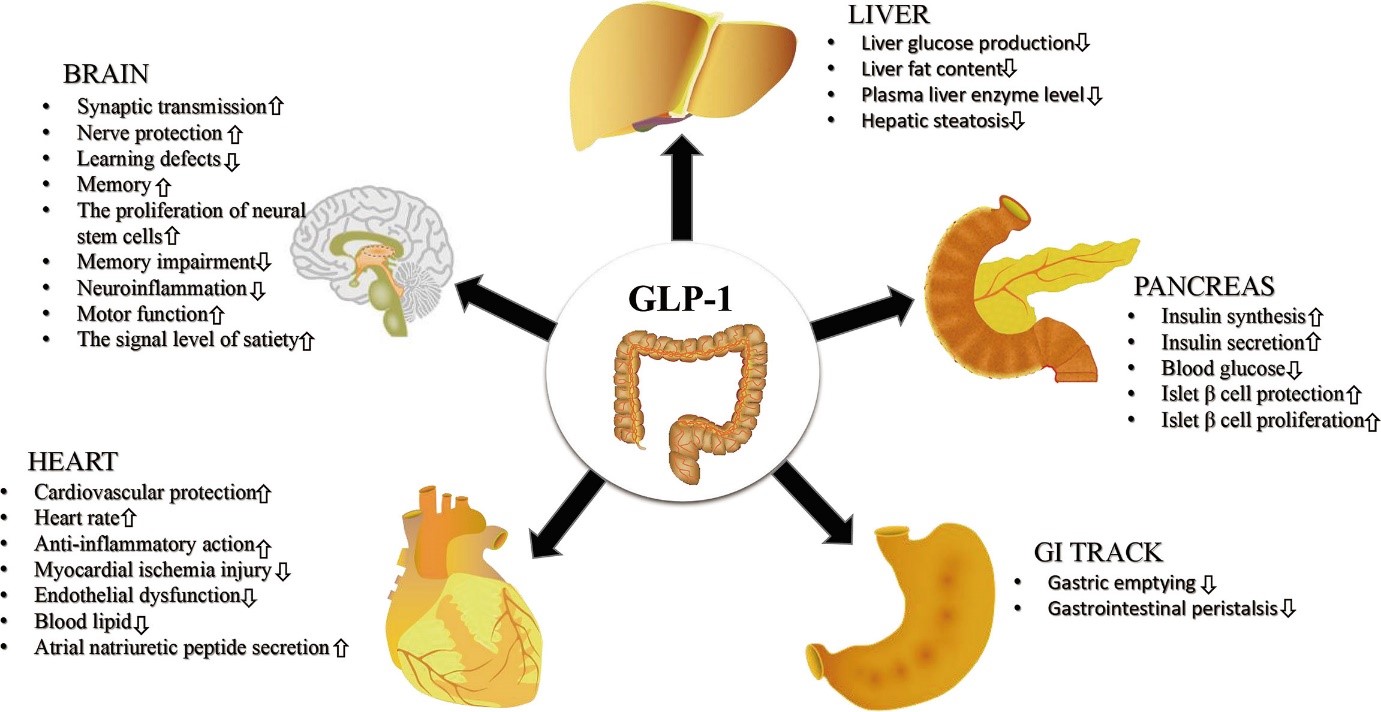
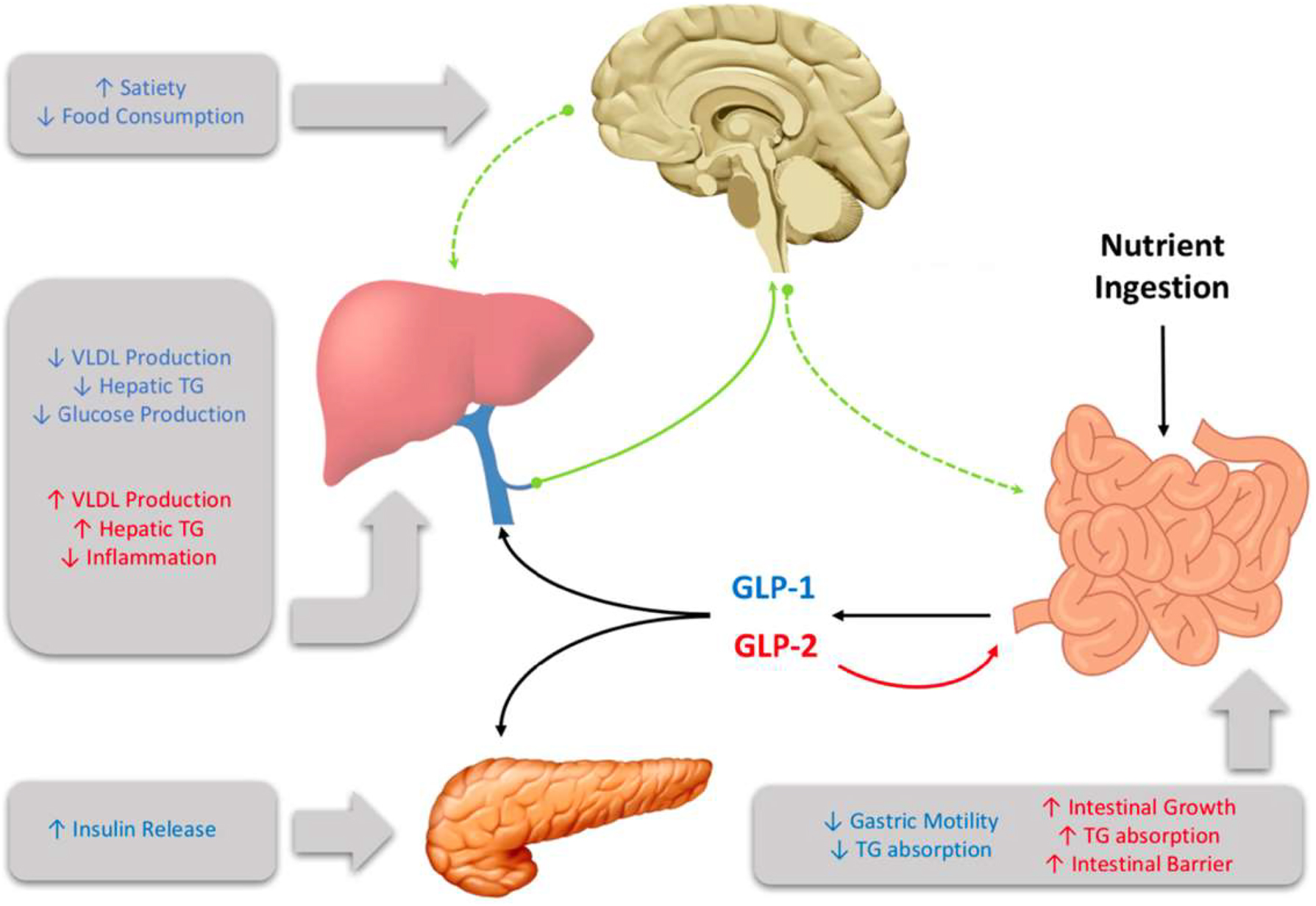
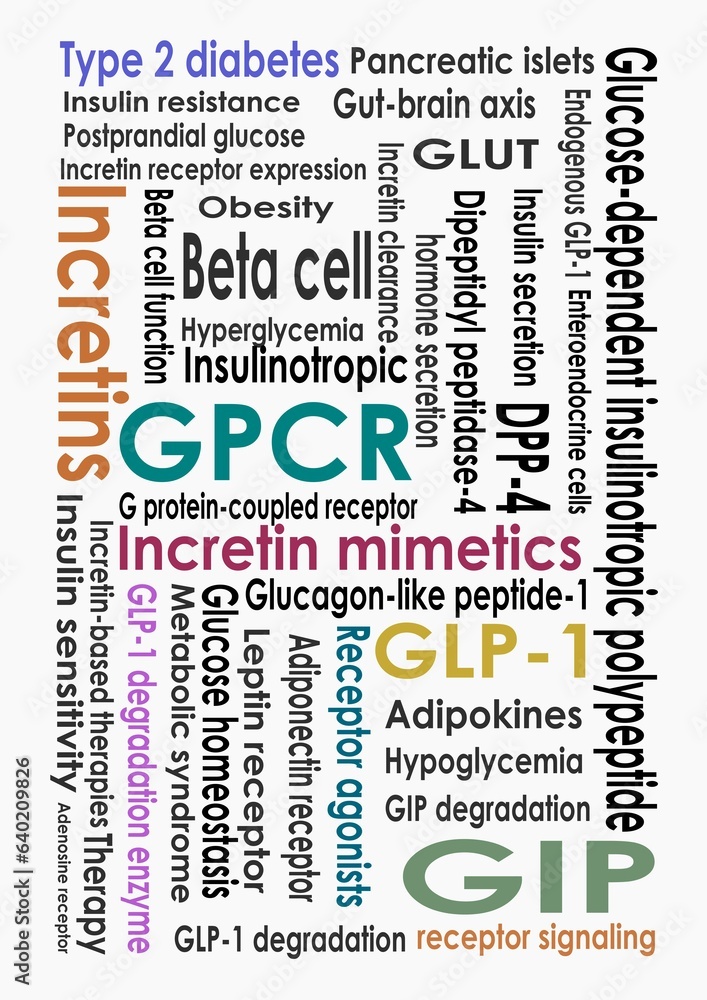
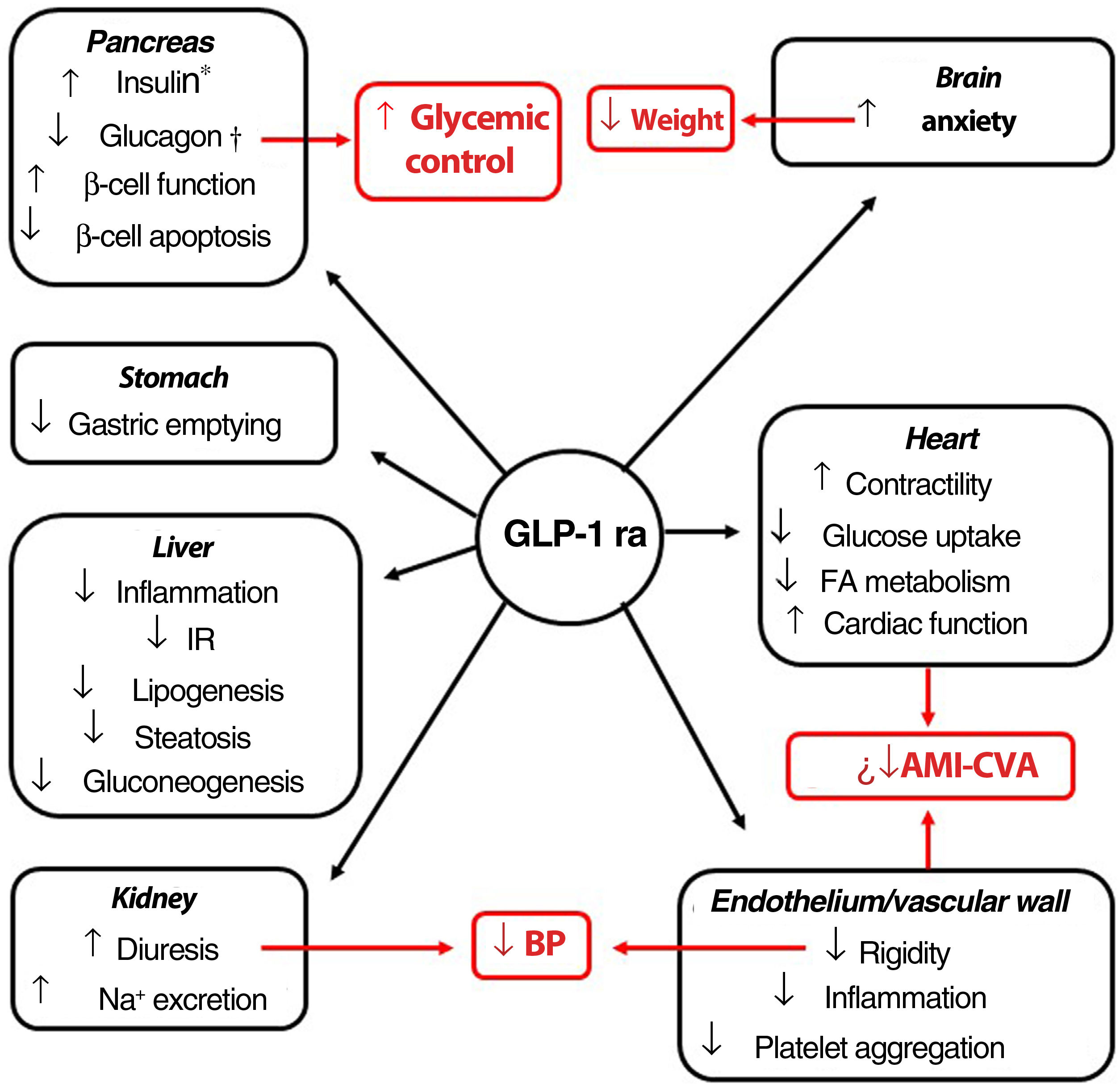
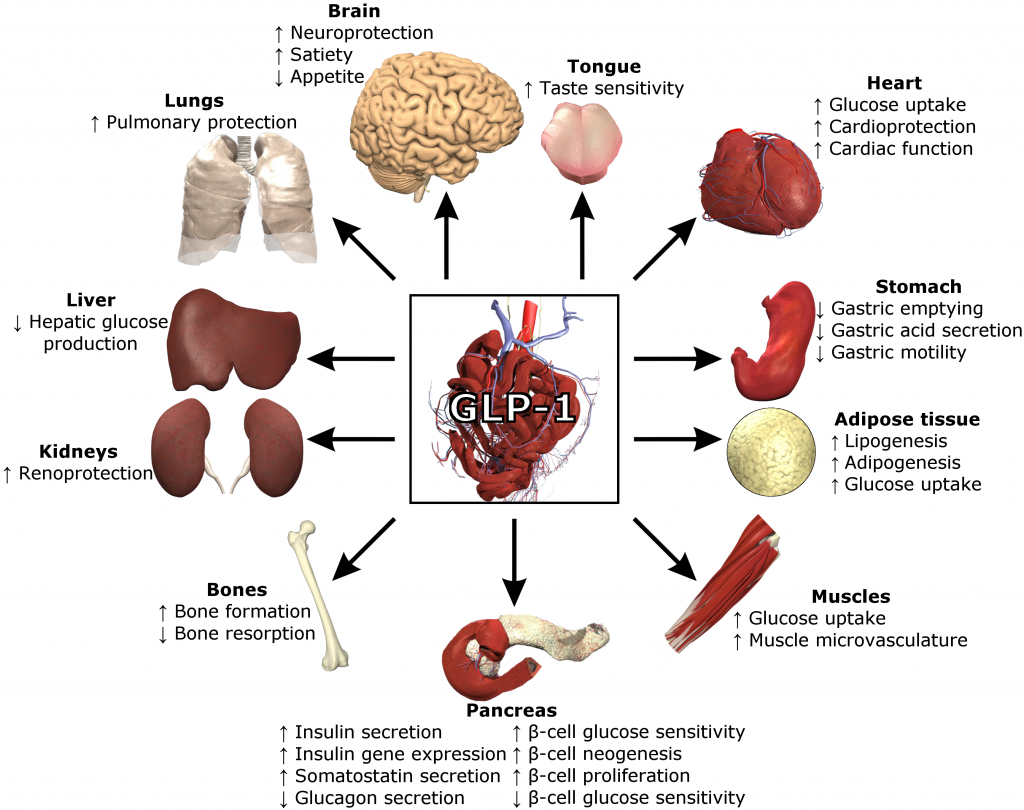
GLP-1 is an incretin hormone released by the intestines in response to meals. It plays a crucial role in glucose homeostasis by enhancing insulin secretion, suppressing glucagon release, and slowing gastric emptying. GLP-1 agonists, such as semaglutide and tirzepatide, mimic the action of endogenous GLP-1 to improve glycemic control and insulin sensitivity.
How GLP-1 Improves Insulin Sensitivity
The mechanisms by which GLP-1 improves insulin sensitivity are multifaceted and involve several key pathways. Some of the ways in which GLP-1 agonists improve insulin sensitivity include:
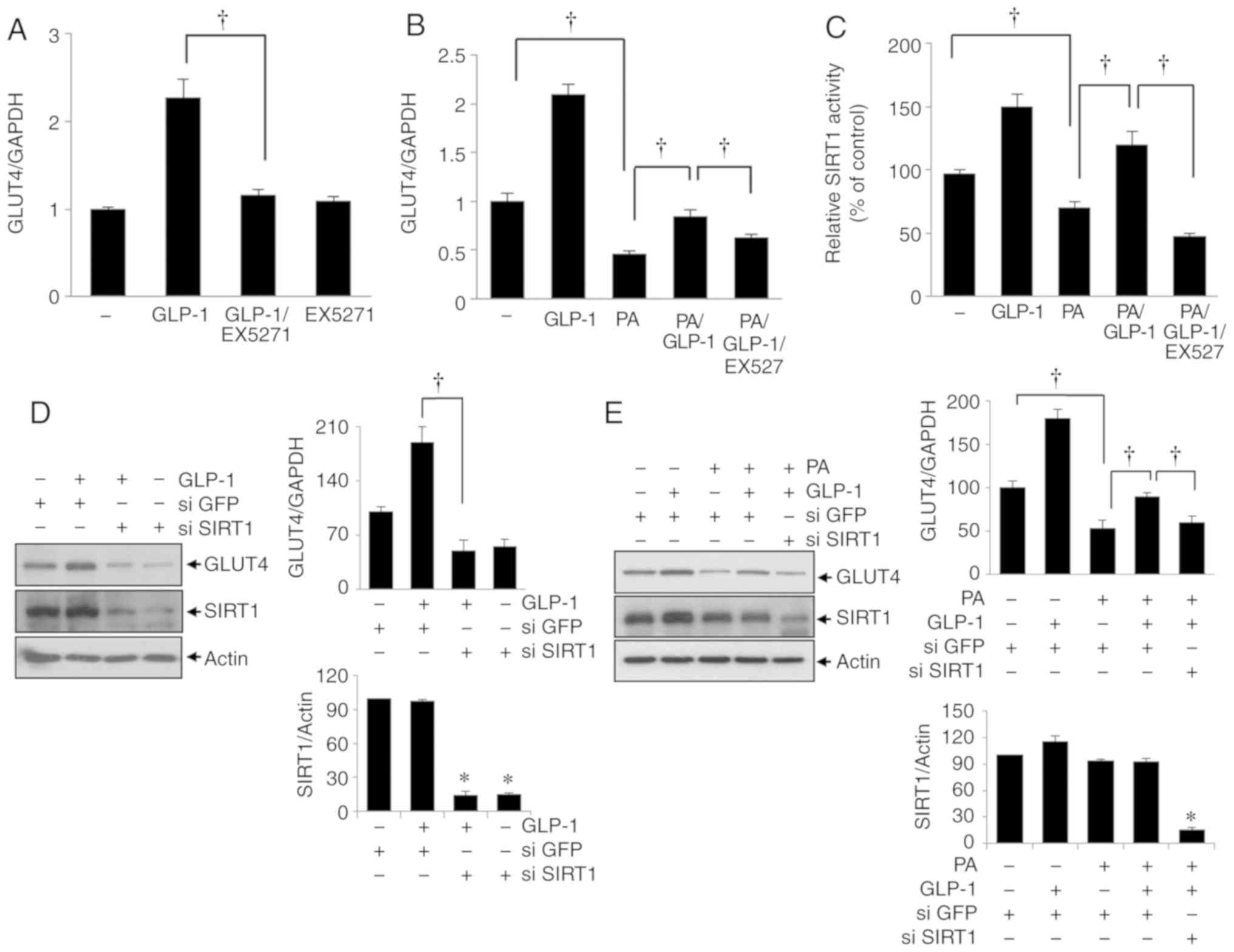
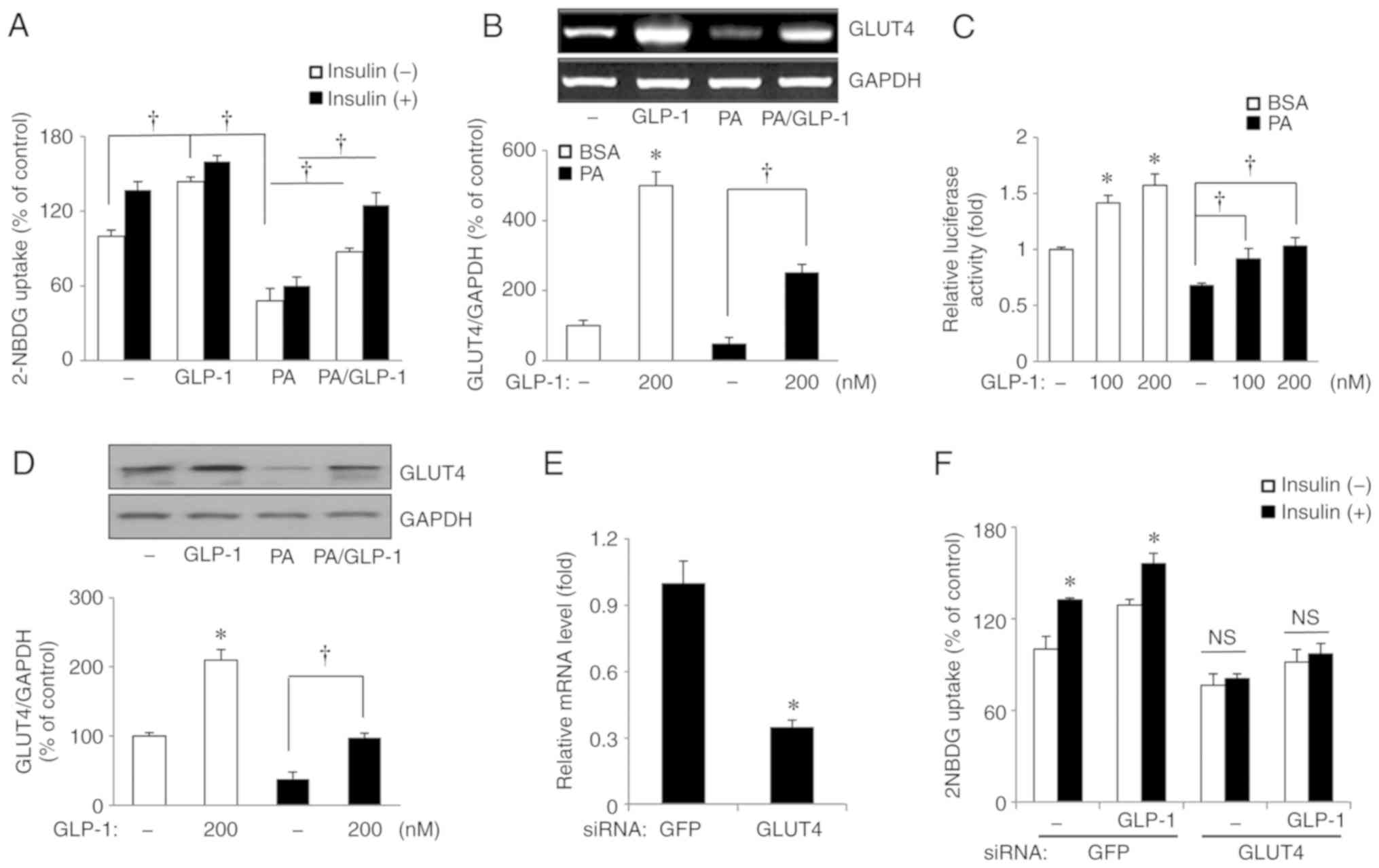
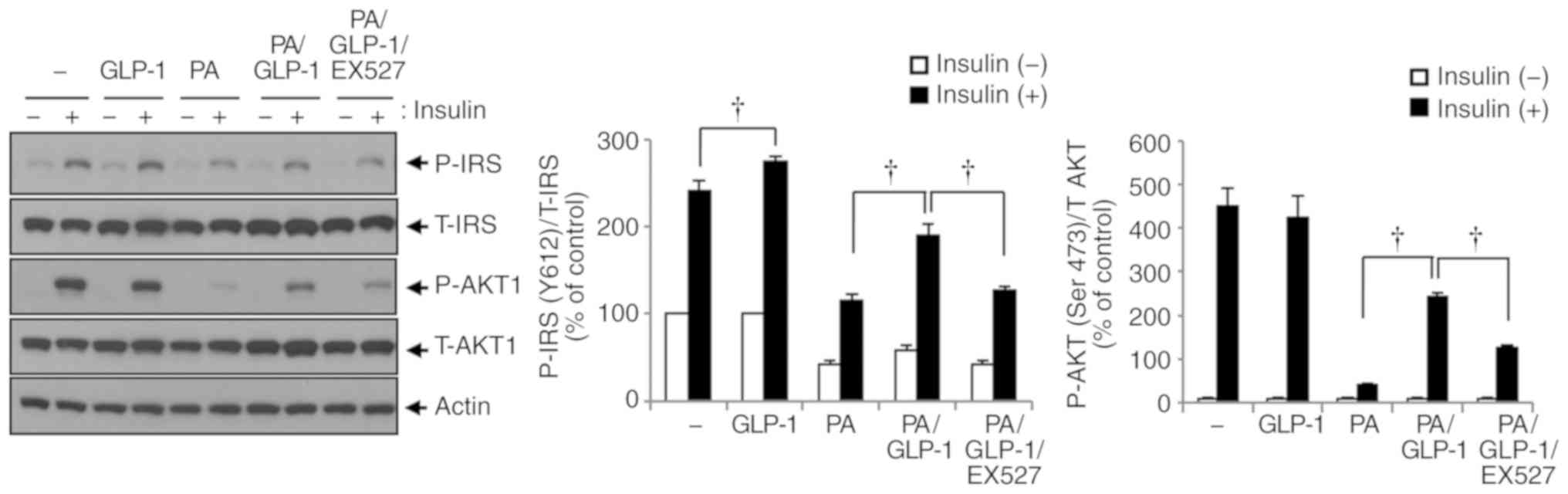
- Enhanced insulin signaling**: GLP-1 agonists increase the activity of insulin signaling pathways, leading to improved glucose uptake in peripheral tissues.
- Increased glucose effectiveness**: GLP-1 agonists enhance the body's ability to effectively use glucose, reducing insulin resistance and improving glycemic control.
- Reduced inflammation**: GLP-1 agonists have anti-inflammatory properties, which can reduce inflammation in peripheral tissues and improve insulin sensitivity.
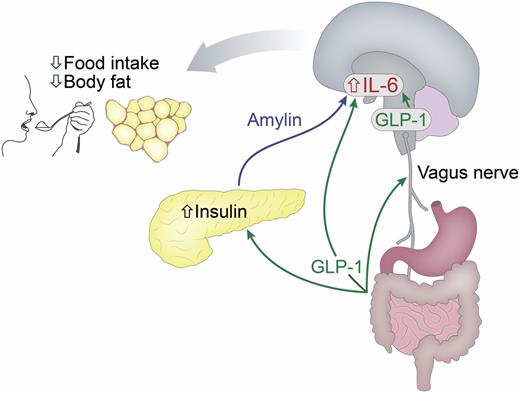
- Weight loss**: GLP-1 agonists promote weight loss, which is a significant contributor to improved insulin sensitivity.