Unlock the Power of Wavelengths of Red Light for Anti Aging
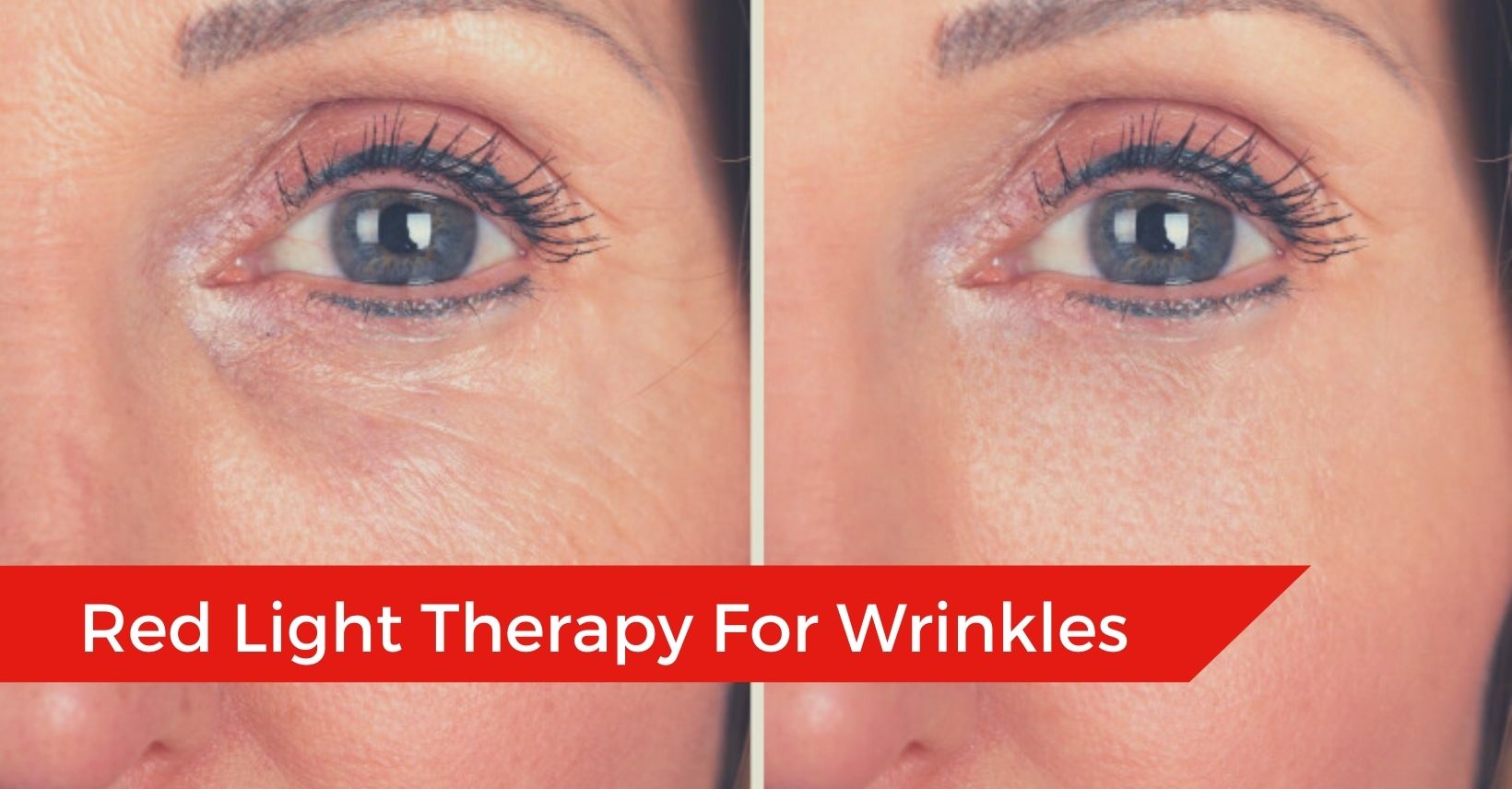
In the realm of anti aging, there's a growing interest in red light therapy, and for good reason. This form of therapy has been shown to reduce wrinkles, improve skin elasticity, and even boost collagen production. But what makes red light therapy so effective? The answer lies in the wavelengths of light used.
The Science Behind Red Light Therapy
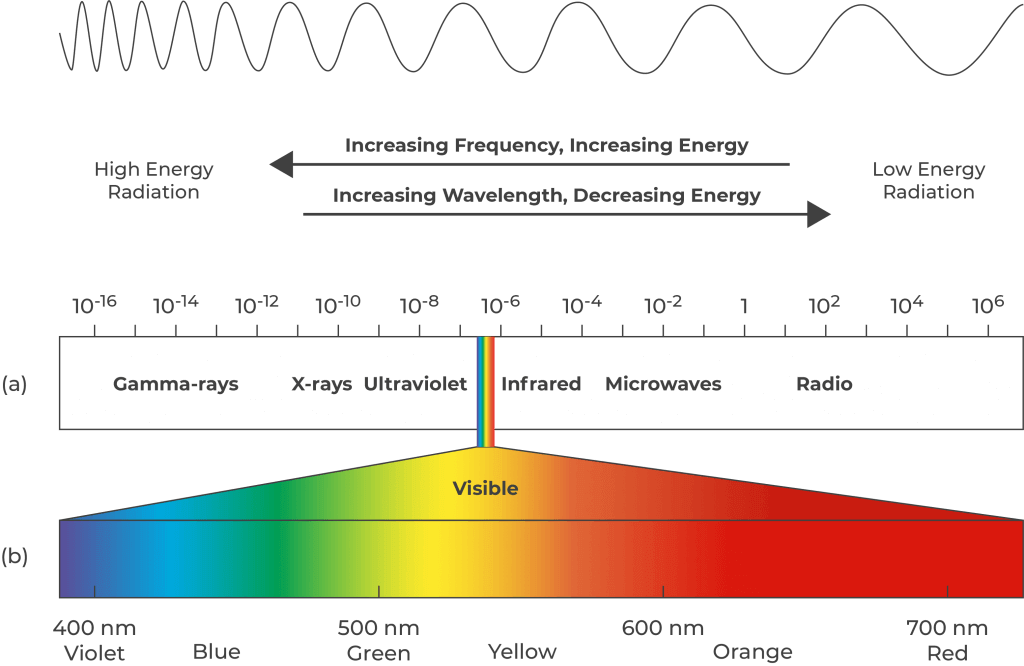
Red light therapy, also known as low-level laser therapy (LLLT) or photobiomodulation (PBM), uses specific wavelengths of light to stimulate cellular processes that promote healing and rejuvenation. The most effective wavelengths for anti aging are typically found in the red and near-infrared spectrum.
The Best Wavelengths for Anti Aging

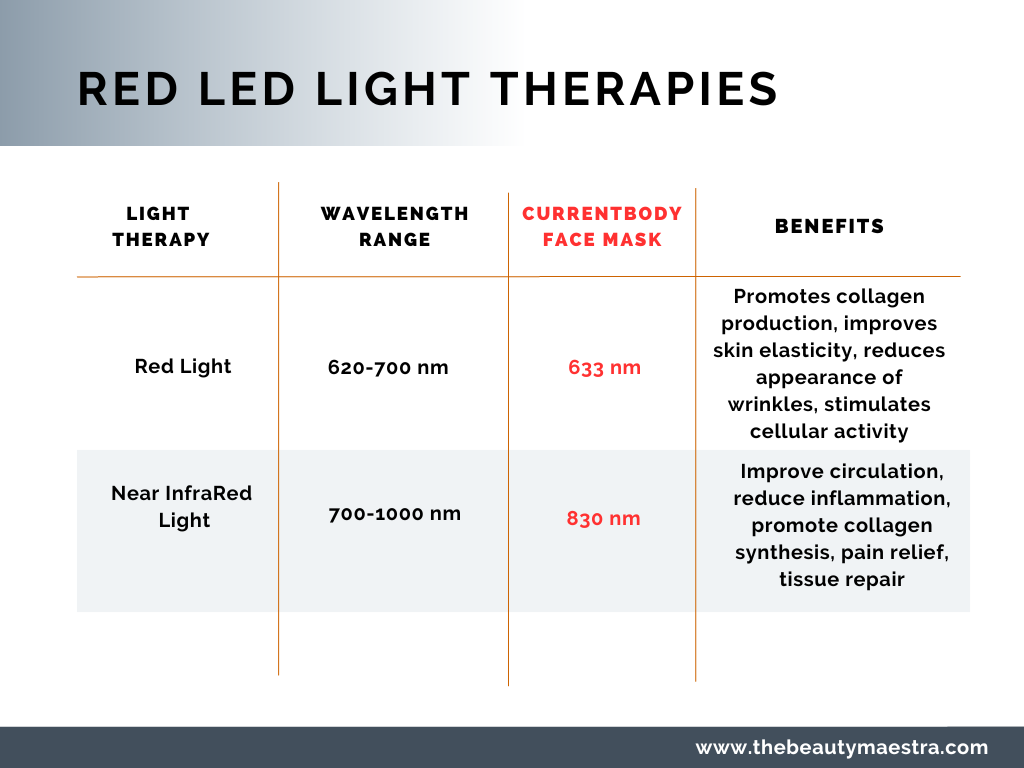
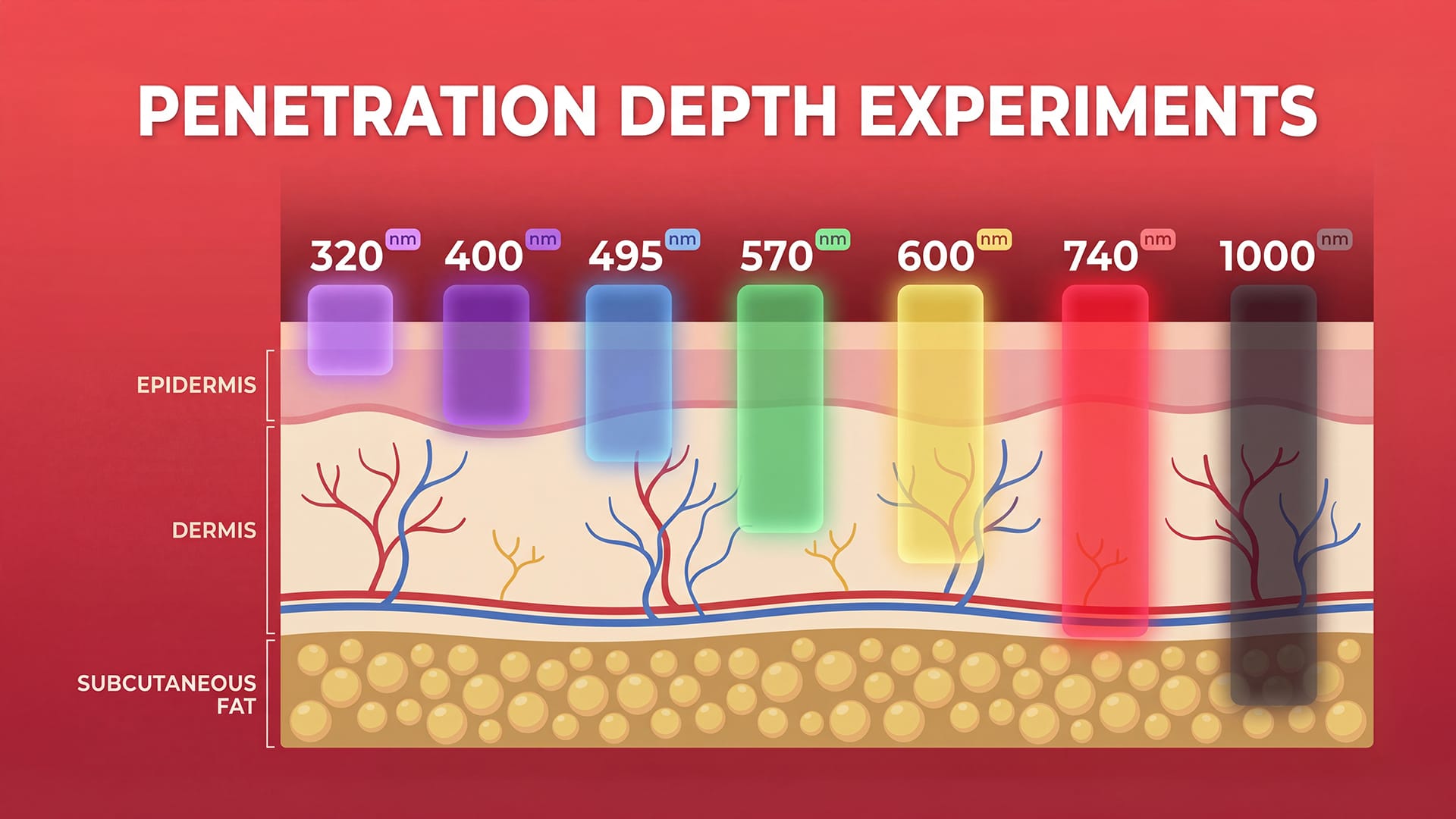
When it comes to anti aging, the two most commonly used wavelengths of red light are 660nm and 850nm. These wavelengths penetrate the skin at different depths, making each suited to different wellness goals. 660nm red light targets skin, collagen production, wound healing, and surface-level inflammation most effectively.
- 660nm Red Light: Stimulates collagen production, improves skin texture, and reduces fine lines and wrinkles.
- 850nm Near-Infrared Light: Penetrates deeper into the skin to stimulate tissue repair, improve circulation, and reduce inflammation.