Effective Remote Team Crisis Management: A Guide to Navigating Uncertainty
In today's fast-paced, interconnected world, remote teams are the new norm. As a leader, managing a remote team in a crisis situation requires a unique set of skills, strategies, and tools. Effective crisis management in remote teams is not just about reacting faster; it's about preparing smarter. By combining structured plans, clear communication, the right tools, and confident leadership, organizations can master handling urgent issues remotely and reduce the impact of disruptions.
Key Challenges in Remote Crisis Management

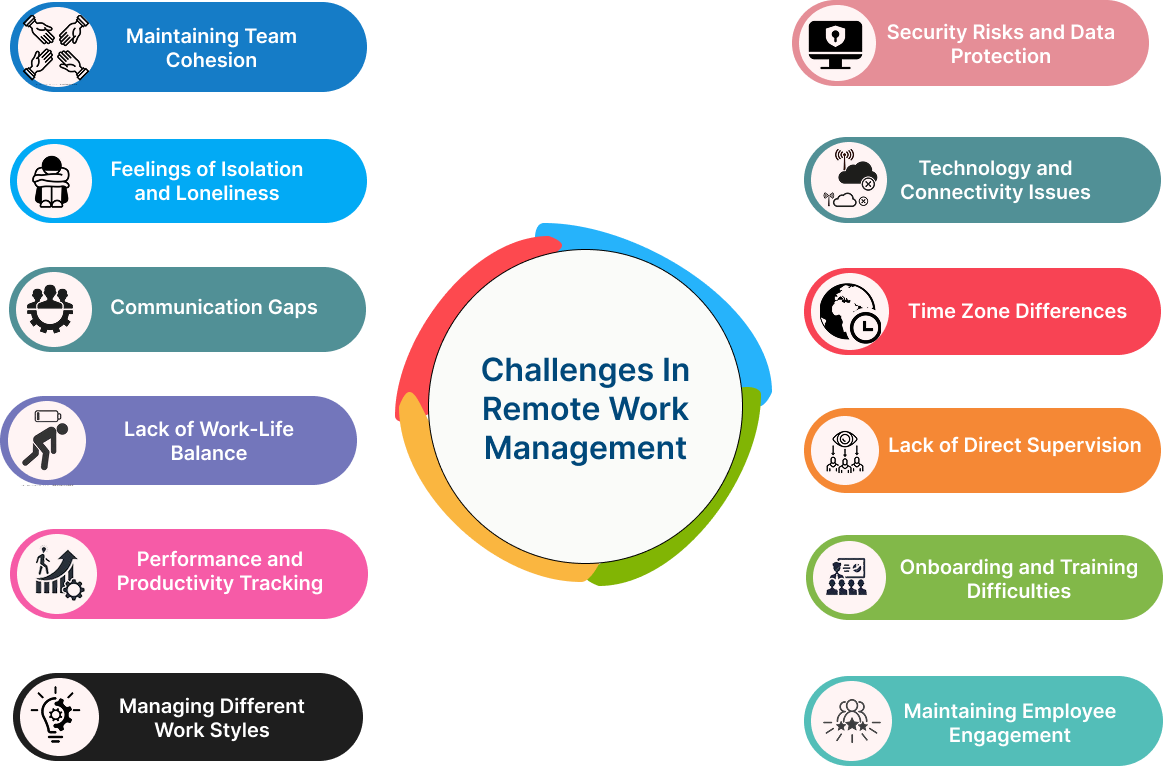
- Maintaining effective communication: With team members spread across different locations, maintaining open and clear communication channels is crucial in a crisis situation.
- Building trust: Remote teams often struggle with trust issues, which can exacerbate in a crisis situation. As a leader, it's essential to foster trust through transparent communication and empathetic leadership.
- Managing productivity: Remote teams can experience productivity dips, especially in times of uncertainty. Leaders must ensure that team members have the necessary tools and support to stay productive.
- Preventing feelings of isolation: Remote team members can feel disconnected and isolated, which can lead to decreased motivation and productivity. Leaders must actively work to prevent this by encouraging regular check-ins and virtual social events.