GLP-1 Agonists and Augmentative Nutrient Use for Weight Loss: Understanding the Benefits and Challenges
A New Era in Weight Loss Management
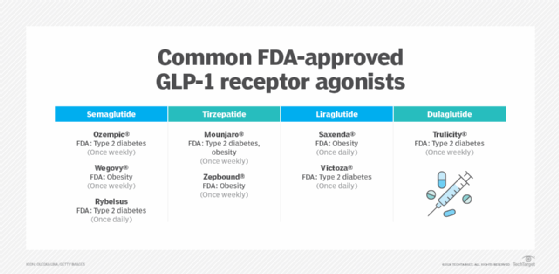
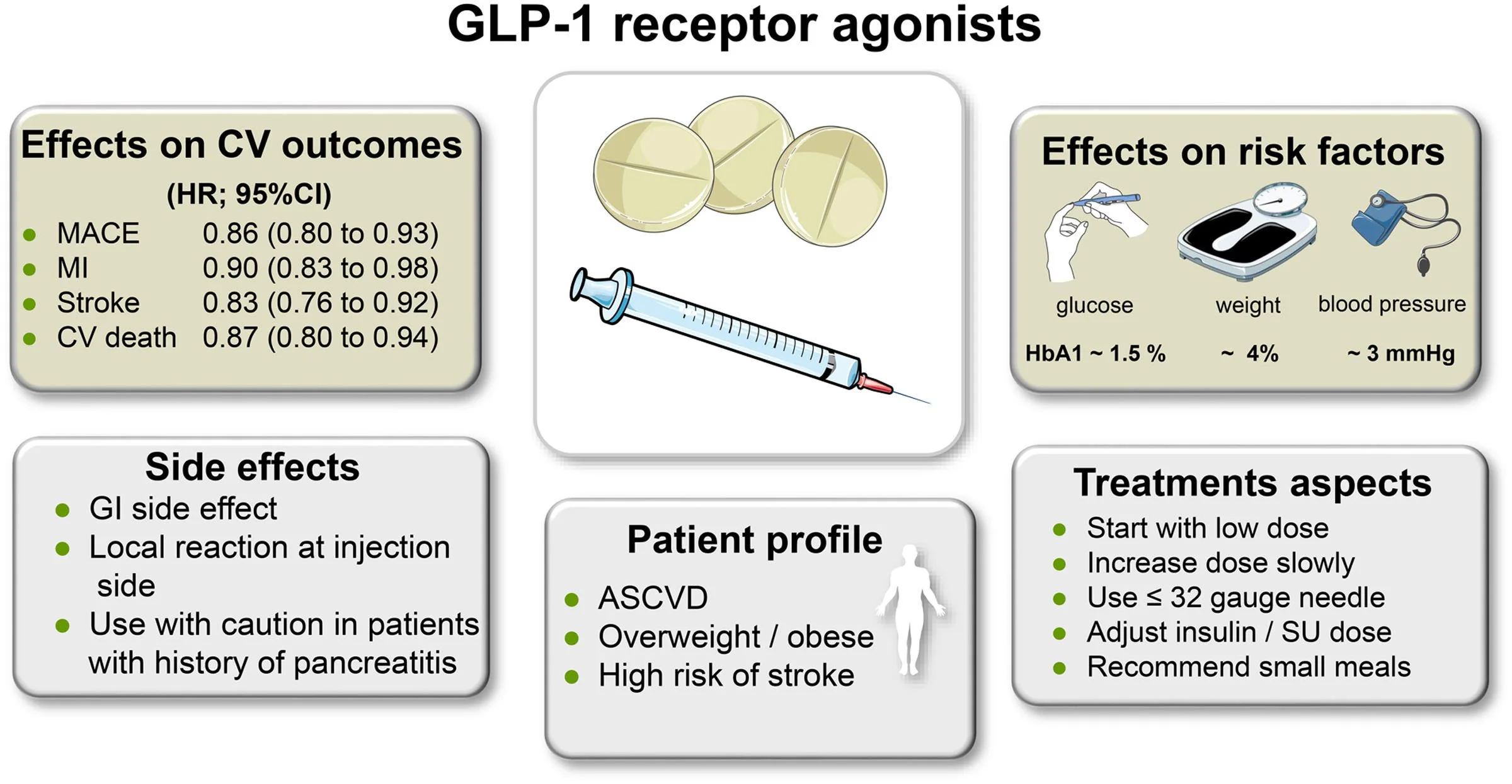
Glucagon-like peptide-1 (GLP-1) receptor agonists have revolutionized the treatment landscape for obesity. These medications, commonly referred to as GLP-1 agonists, have been shown to induce significant weight loss, improve glycemic control, and reduce the risk of cardiovascular disease.
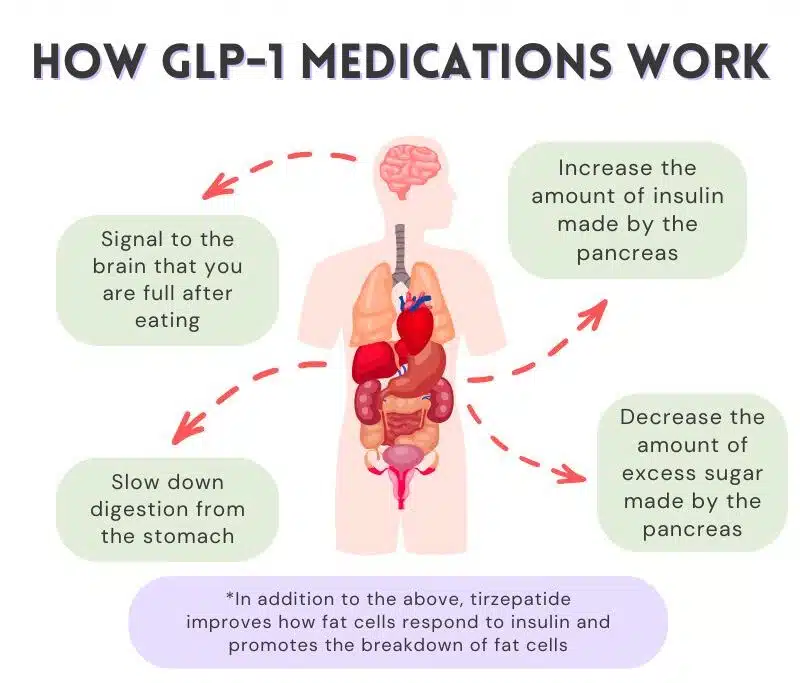
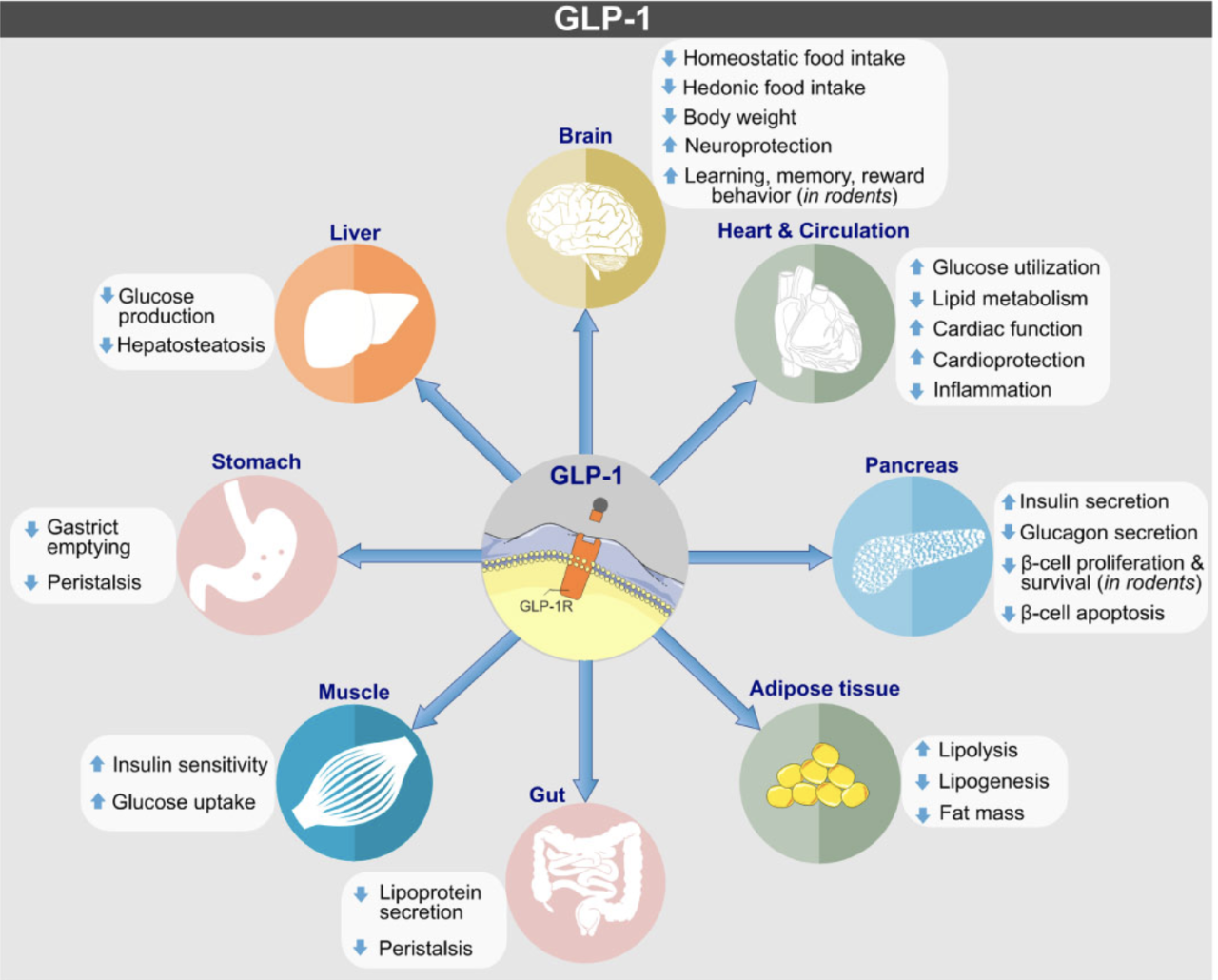
How GLP-1 Agonists Work
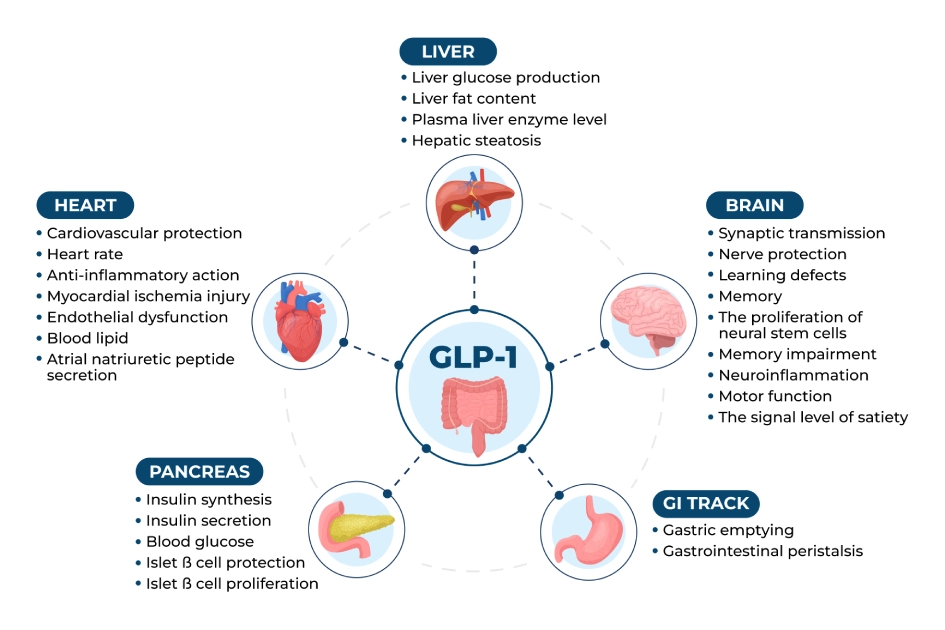
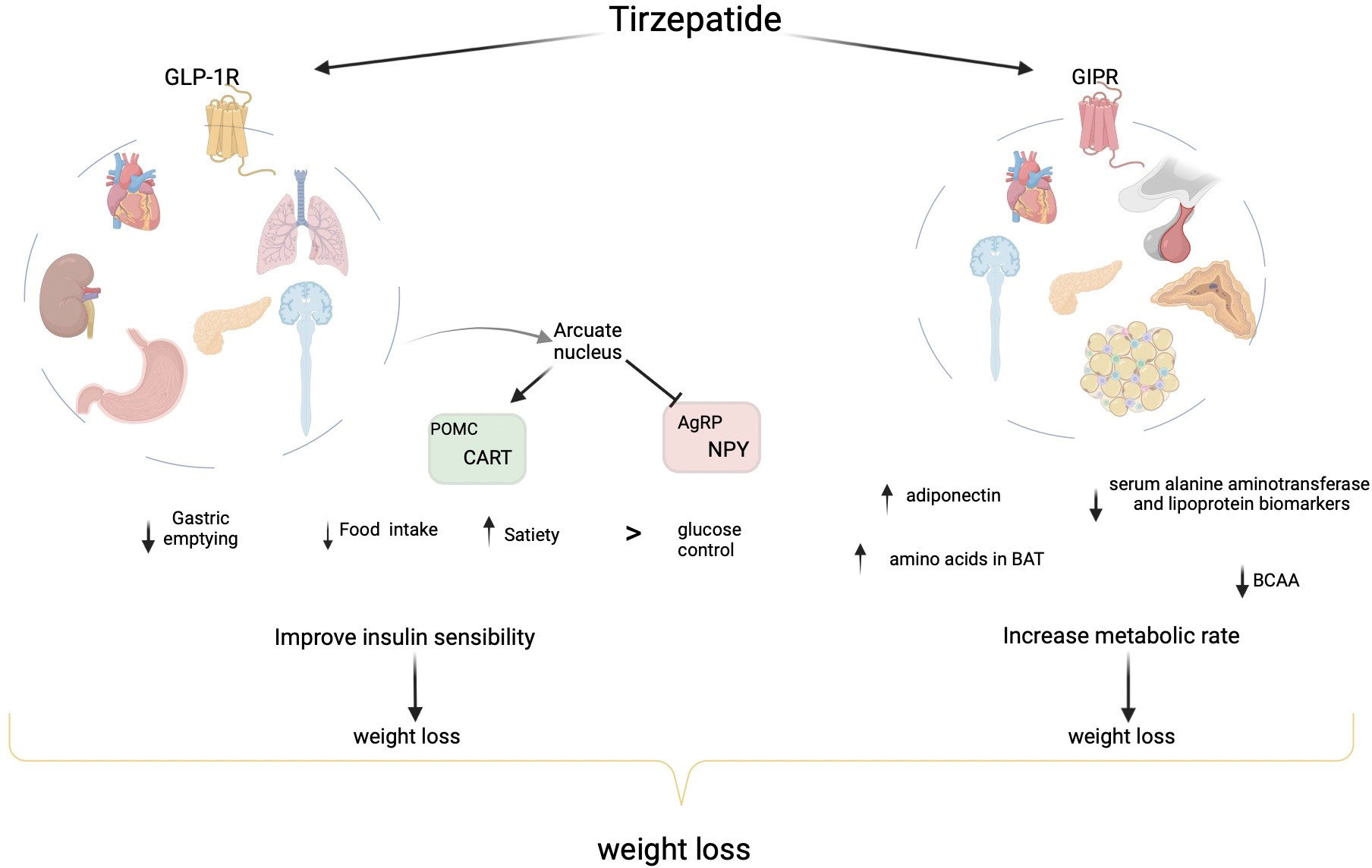
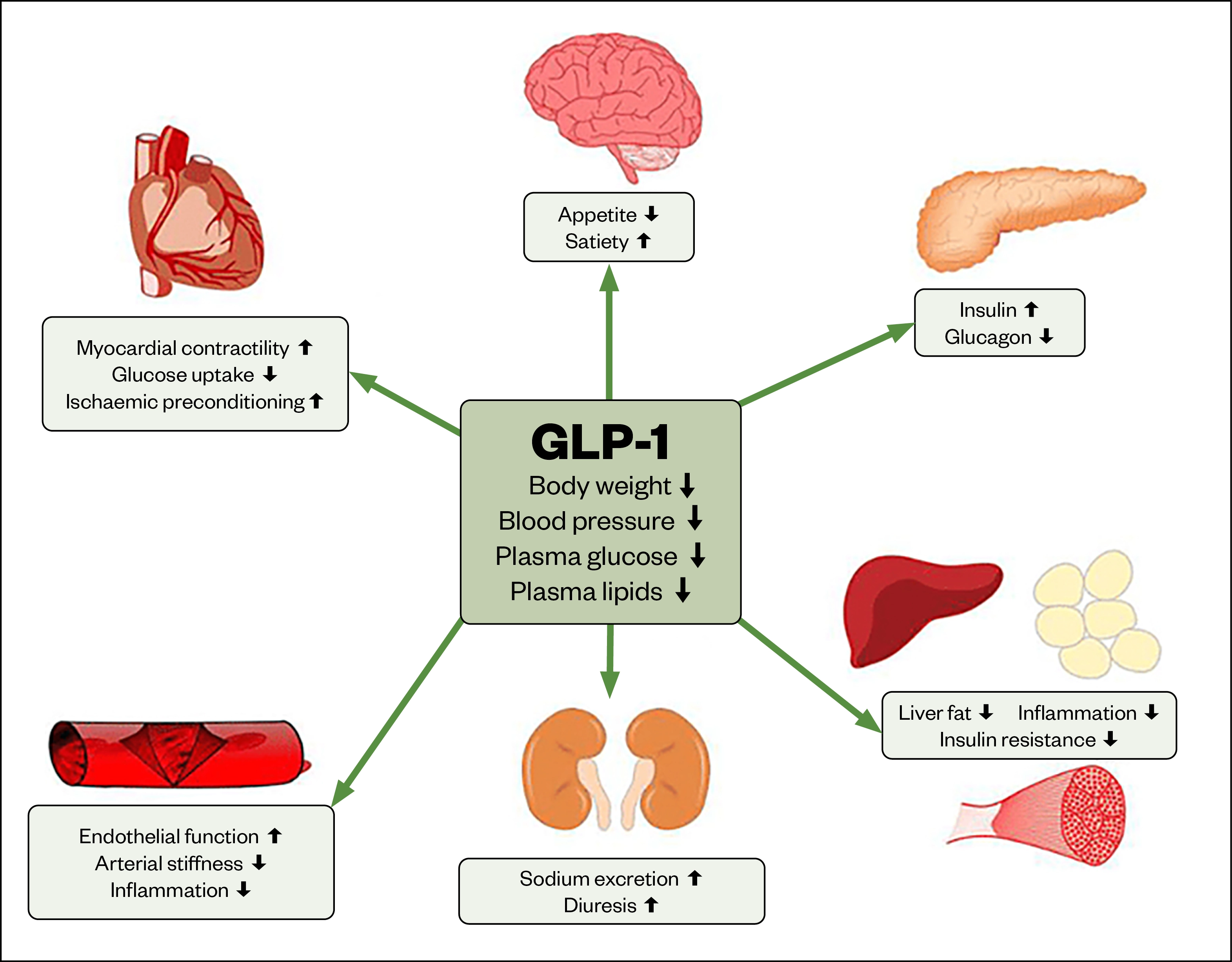
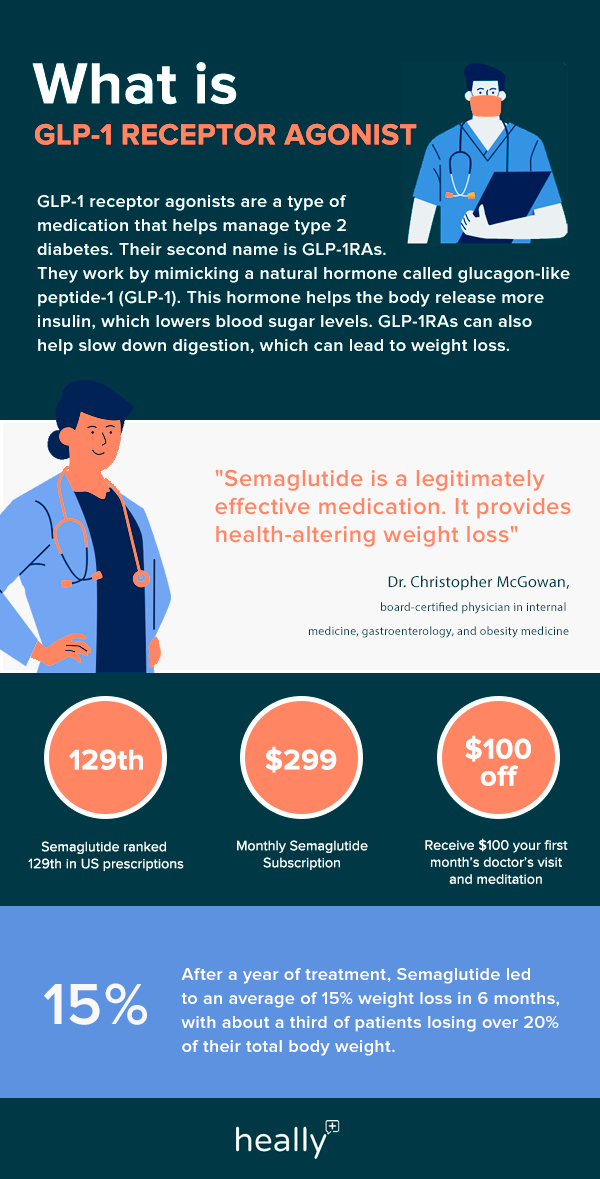
GLP-1 agonists mimic the natural hormone GLP-1, which is involved in regulating appetite, satiety, and glucose metabolism. By activating the GLP-1 receptor, these medications suppress appetite, slow gastric emptying, and promote the feeling of fullness. This results in a reduction in calorie intake and weight loss.
The Importance of Nutrition and Lifestyle Interventions
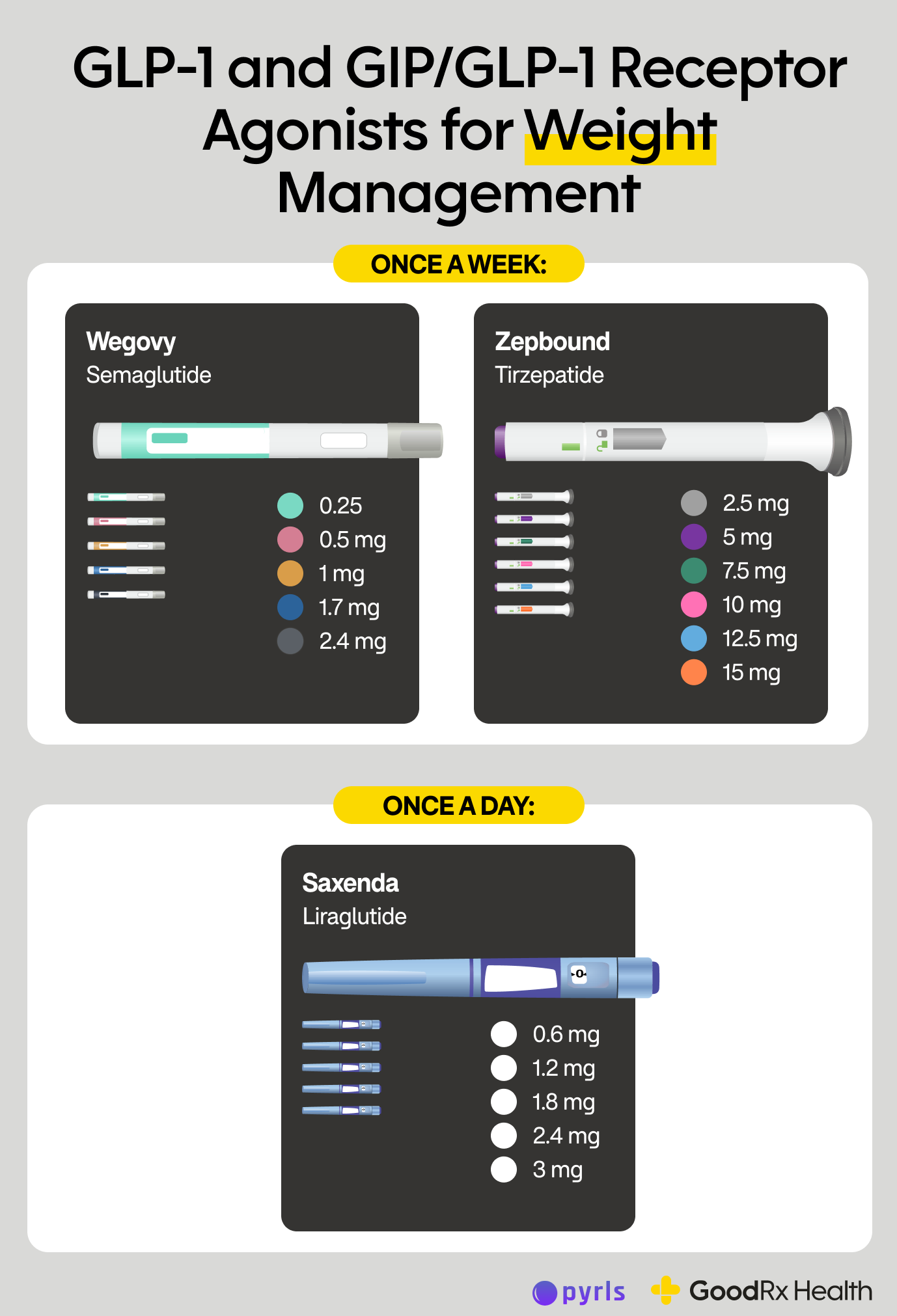
While GLP-1 agonists have demonstrated efficacy in weight loss, real-world challenges and limited clinician and public knowledge on nutritional and lifestyle interventions can limit their effectiveness. A comprehensive understanding of how to optimally use GLP-1 agonists, alongside augmentative nutrient use, is crucial for achieving and maintaining weight loss.
Challenges Faced by GLP-1 Agonist Users
Nutritional Deficiencies and Side Effects
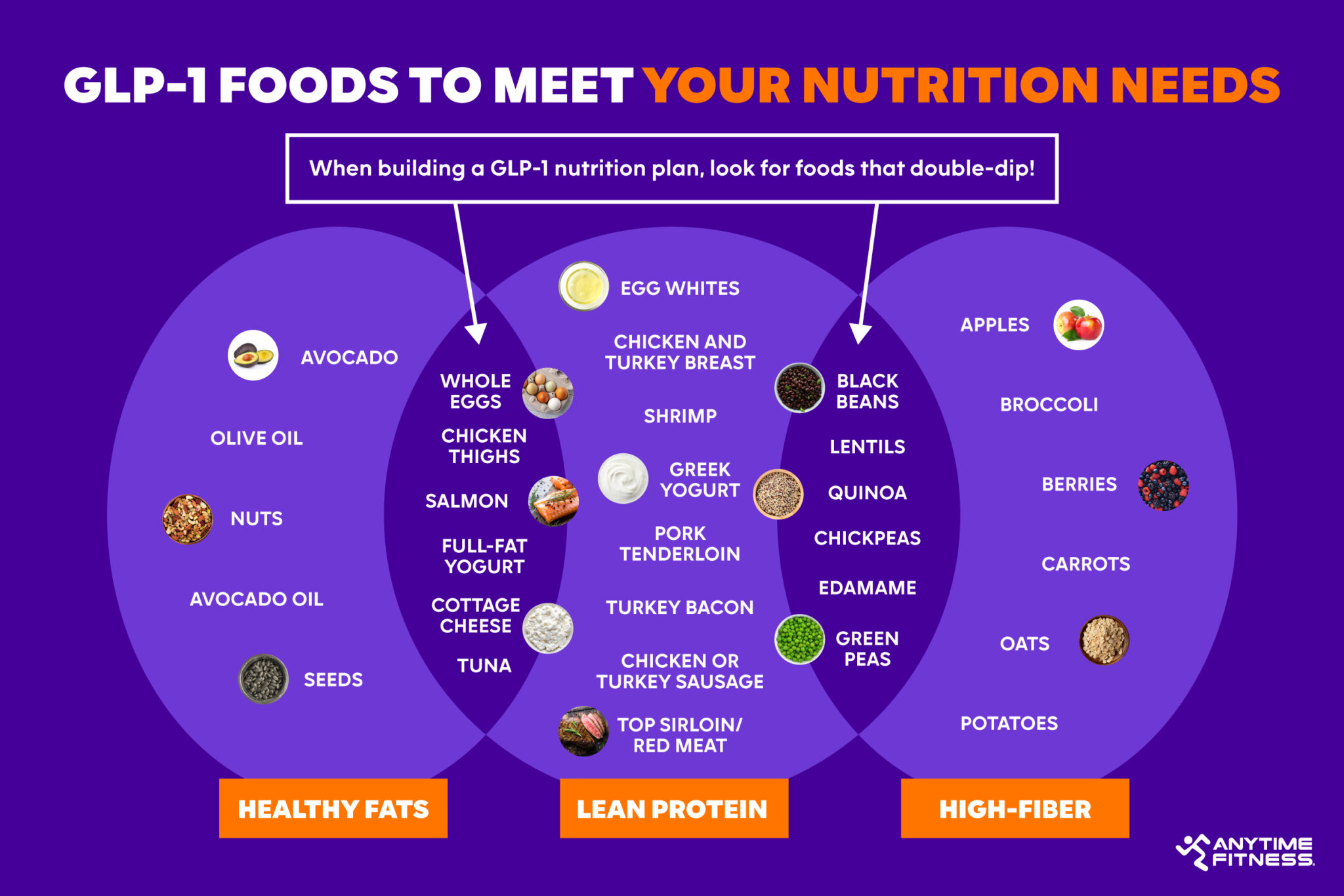
GLP-1 agonists can lead to nutritional deficiencies and side effects such as nausea, constipation, and muscle loss. Augmentative nutrient use can help alleviate these side effects, but requires a thorough understanding of the nutritional needs of GLP-1 agonist users.