GLP-1 Analogues and Thyroid Function in Diabetes: Separating Fact from Fiction
Introduction
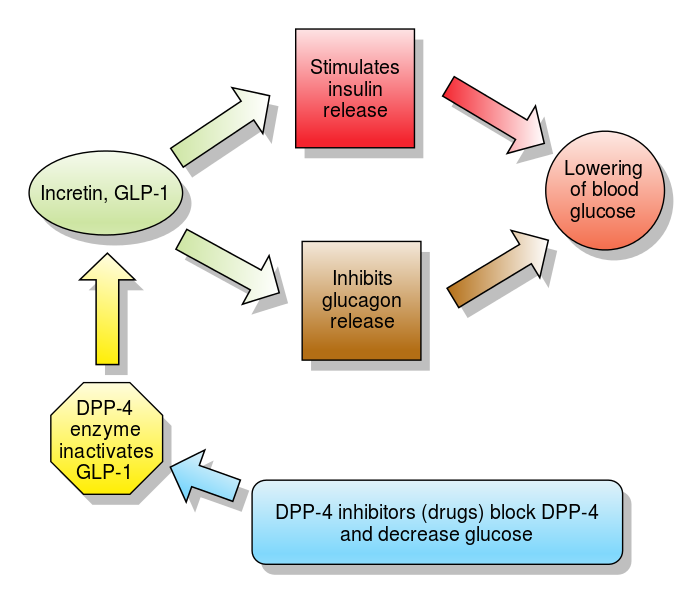
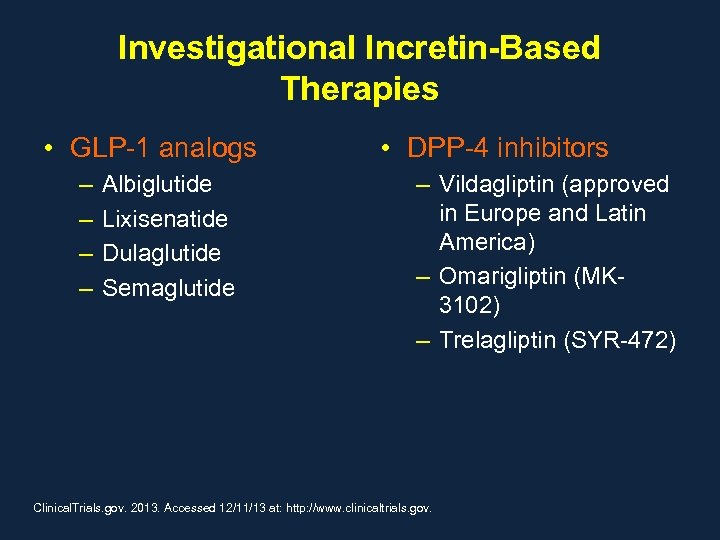
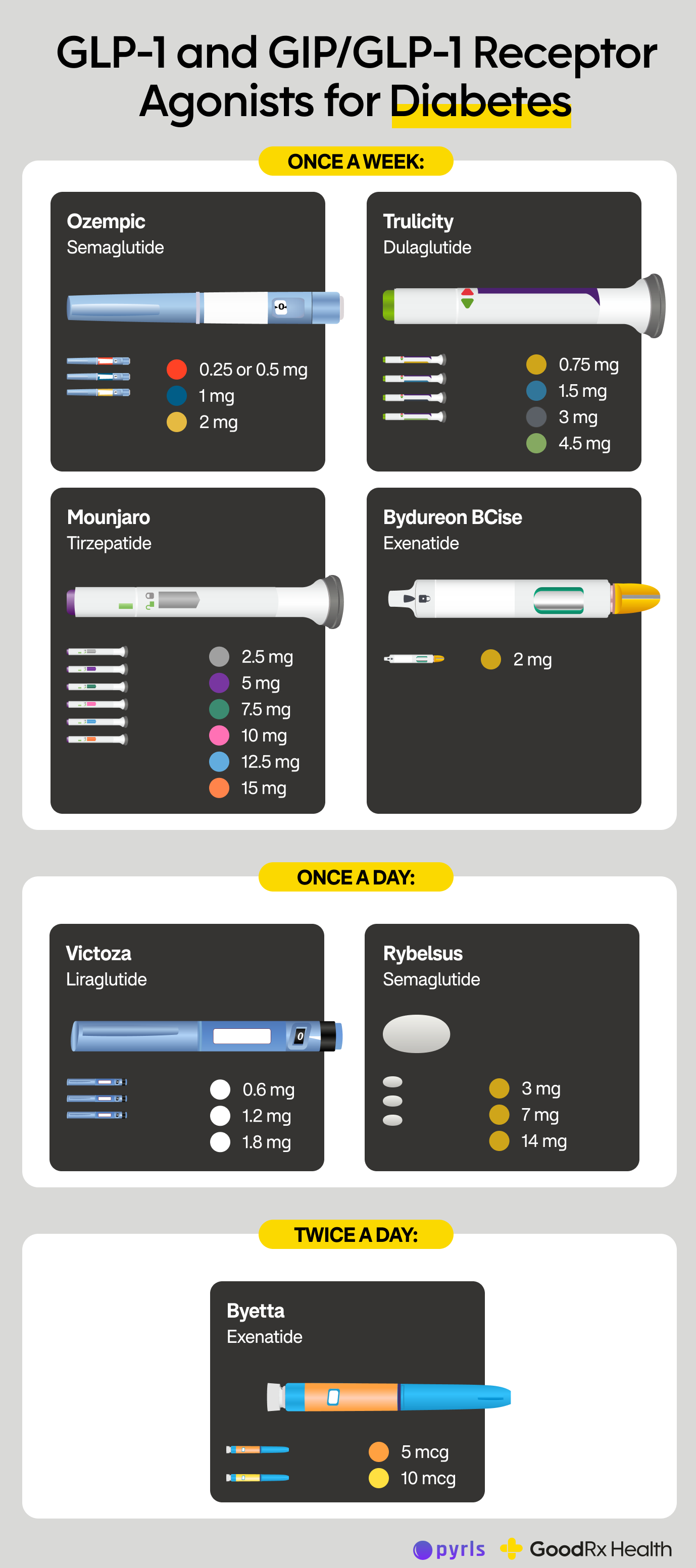
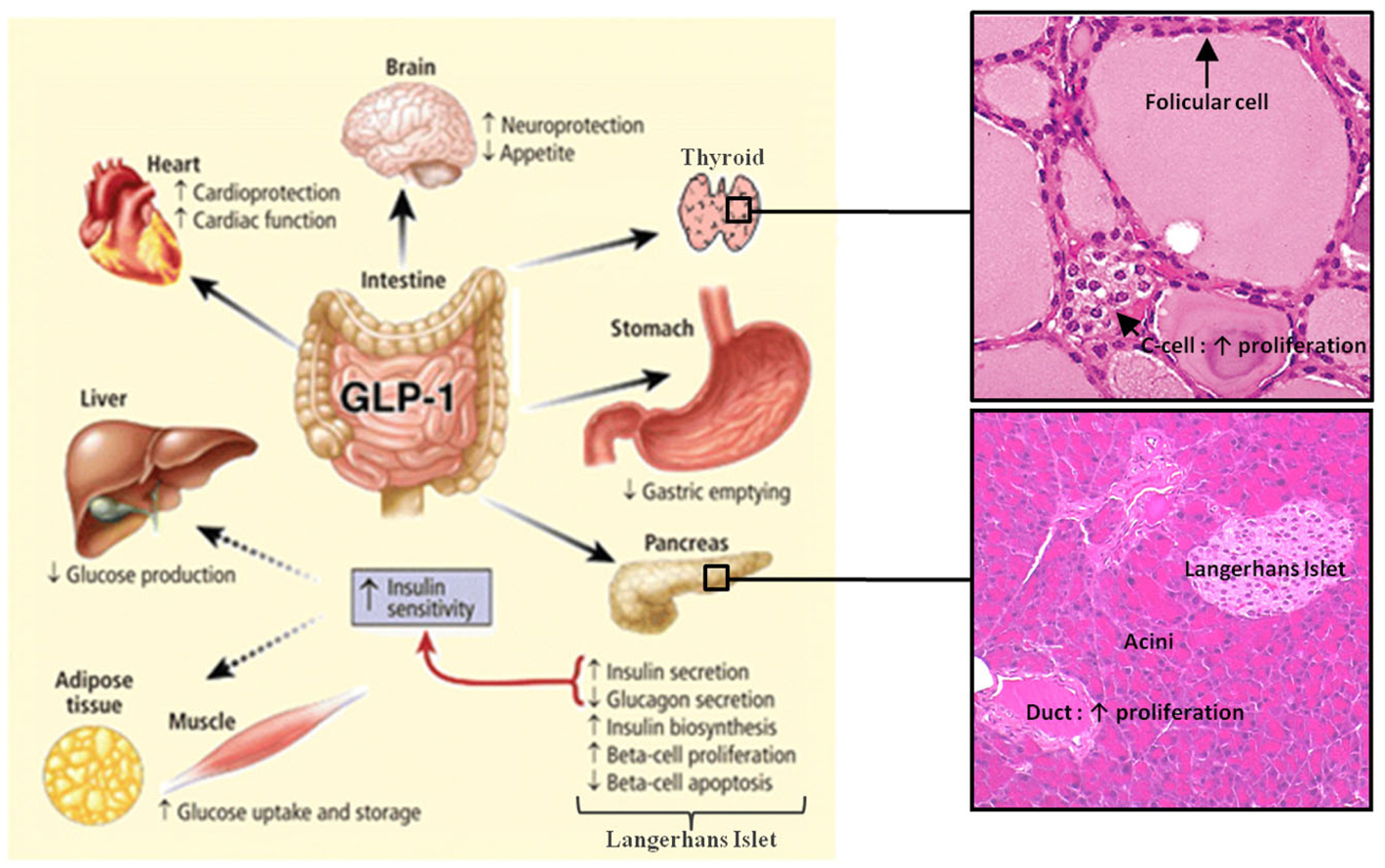
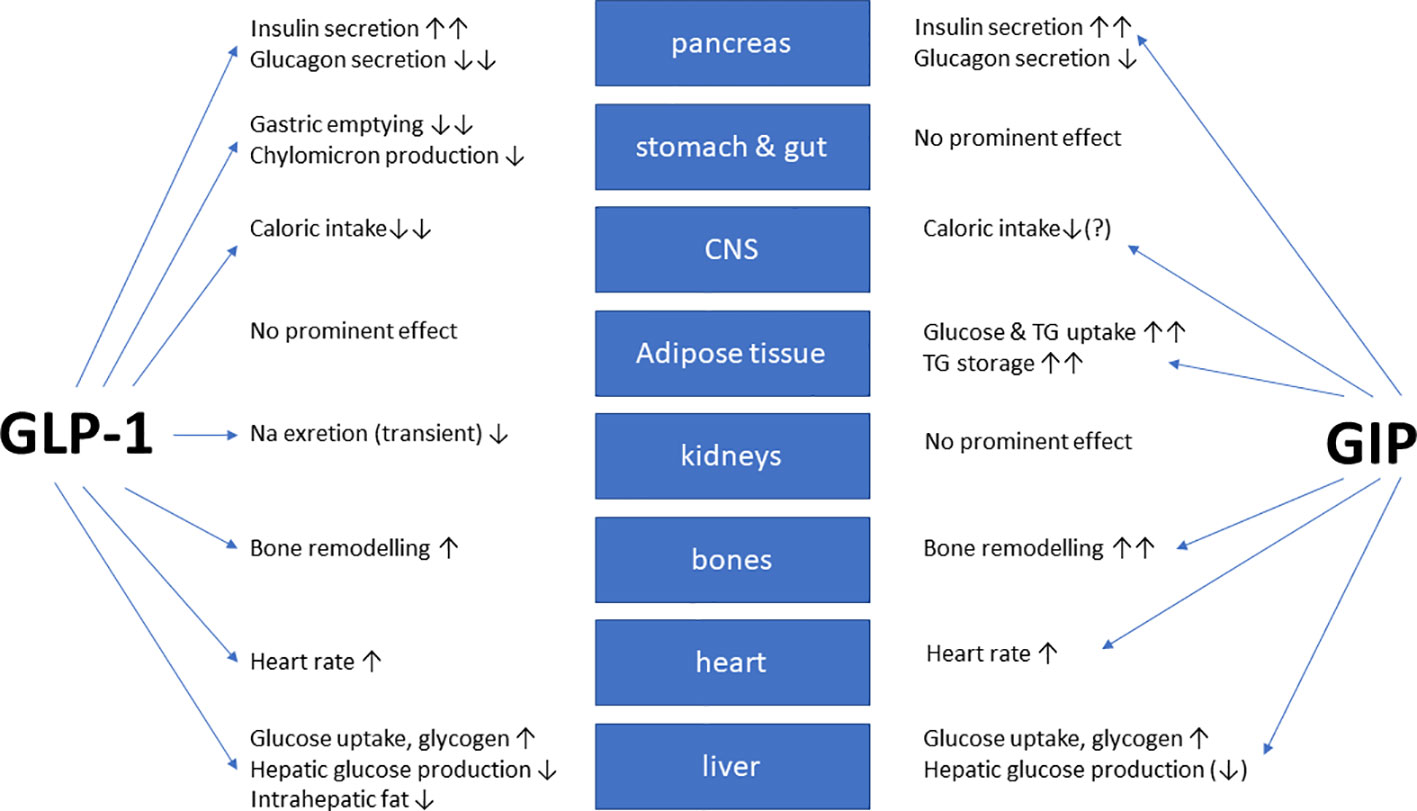
The increasing utilization of GLP-1 receptor agonists (GLP-1RAs) in managing type 2 diabetes mellitus has raised interest regarding their impact on thyroid function. While these agents are well-known for their efficacy in glycemic control and weight management, their association with thyroid disorders requires clarification due to the complex interplay between GLP-1RAs and the thyroid gland.What are GLP-1 Analogs?
The Impact of GLP-1 RAs on Thyroid Function
There have been concerns raised about the potential impact of GLP-1RAs on thyroid function. In rodent studies, the use of GLP-1RAs has been associated with increased incidence of thyroid cancers, particularly C-cell tumors. However, these findings have not been confirmed in human studies. Despite this, it is still recommended to monitor thyroid function in patients taking GLP-1RAs, especially those with pre-existing thyroid conditions.- Thyroid Function Monitoring: Thyroid-stimulating hormone (TSH) levels should be monitored regularly in patients taking GLP-1RAs, especially those with pre-existing thyroid conditions.
- Thyroid Disorders: GLP-1RAs have been associated with thyroid disorders, including hypothyroidism and hyperthyroidism. Patients with pre-existing thyroid conditions should be monitored closely.
- Calcitonin Levels: GLP-1RAs have been associated with modest increases in calcitonin levels, raising theoretical concerns in patients with thyroid nodules.


.png "Should Patients With Thyroid Issues Take GLP-1s? It Depends")